
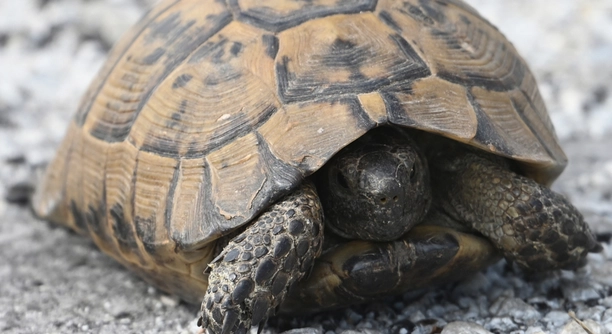
Is your Greek tortoise acting sluggish or refusing to eat? Dehydration is a common issue among pet tortoises and can lead to serious health problems. Recognizing the signs early can help you take the necessary steps to keep your pet healthy.
A Greek tortoise may be dehydrated if it has sunken eyes, dry or flaky skin, thick saliva, reduced urination, lethargy, loss of appetite, or hard stools. Ensuring proper hydration through fresh water and moist foods is crucial for its overall well-being.
A well-hydrated tortoise is more active and maintains a healthier shell and skin. Understanding the warning signs can help you prevent complications and improve your pet’s quality of life.
Sunken Eyes and Dry Skin
A dehydrated Greek tortoise may develop sunken eyes and dry, flaky skin. When a tortoise lacks enough water, its body pulls moisture from tissues, causing the eyes to appear recessed. The skin may lose its natural elasticity, becoming rough or cracked. These signs indicate that hydration levels are low, and action should be taken. Providing regular soaks and offering fresh vegetables with high water content can help maintain proper hydration. A shallow dish of clean water should always be available. If dehydration persists, it can lead to more serious health complications, affecting digestion and overall vitality.
Sunken eyes may also be accompanied by a dull or wrinkled appearance around the face. Dry skin can worsen over time, making the shell look less vibrant and the legs feel rougher. A well-hydrated tortoise will have bright, clear eyes and smooth, supple skin.
If you notice these symptoms, assess your tortoise’s environment. Dry bedding, lack of humidity, and infrequent soaking can all contribute to dehydration. Increasing humidity in the enclosure and misting the tortoise occasionally can help. If symptoms do not improve despite adjustments, a vet visit may be necessary to rule out underlying health issues.
Thick Saliva and Reduced Urination
A dehydrated tortoise often has thick, sticky saliva. When hydration is low, the body produces less moisture, making the mouth feel dry. You may also notice reduced drooling while eating.
Dehydration also affects urination. A Greek tortoise should pass clear or slightly yellow liquid, known as urates, regularly. If urates become thick, gritty, or absent, it may be a sign of dehydration. This can lead to kidney problems over time. Ensuring access to fresh water and offering hydrating foods like cucumber and lettuce can improve hydration. Regular warm water soaks encourage drinking and help maintain a healthy balance.
If dehydration is left unaddressed, waste elimination becomes difficult, increasing the risk of bladder stones. A tortoise struggling to pass urates or showing discomfort may need immediate intervention. Providing a humidity level of around 50% in its enclosure can support hydration. Monitoring these signs and making small changes to diet and care can prevent serious complications.
Lethargy and Loss of Appetite
A dehydrated Greek tortoise may become sluggish and uninterested in food. Without enough water, its body struggles to function properly, leading to lower energy levels. It may spend more time hiding or resting instead of exploring its enclosure.
Lack of hydration affects digestion, making it harder for food to move through the system. A dehydrated tortoise might refuse its usual greens, chew slowly, or leave food untouched. Since hydration plays a key role in metabolism, a lack of water can make a tortoise feel weak. Offering a variety of leafy vegetables, fruits in moderation, and daily fresh water can help restore balance. If the tortoise continues to avoid food for multiple days, further action may be needed.
Lethargy combined with appetite loss should not be ignored. If dehydration persists, it can weaken the immune system and make the tortoise more prone to illness. Regular hydration and monitoring of feeding habits can prevent these issues. If the tortoise remains inactive despite proper hydration efforts, a vet check-up may be necessary to rule out infections or other health concerns.
Hard Stools and Difficulty Passing Waste
Dehydration often leads to dry, compact stools that are difficult to pass. A healthy Greek tortoise should produce soft, well-formed droppings. When water intake is too low, waste hardens, causing discomfort and straining. This can result in less frequent bowel movements, making digestion inefficient.
Hard stools indicate that the digestive system is not getting enough moisture. Tortoises rely on water-rich foods and regular soaking to keep digestion smooth. If droppings become dry or irregular, increasing hydration is essential. Offering foods like dandelion greens, zucchini, or watermelon can help. Warm water soaks encourage the body to absorb moisture, making waste easier to pass. Proper humidity in the enclosure also supports digestive health.
Ignoring dehydration-related constipation can lead to serious complications, such as impaction. A tortoise struggling to pass waste or showing signs of bloating needs immediate attention. Ensuring consistent hydration and a fiber-rich diet will prevent long-term digestive issues.
Weakness and Slow Movements
A dehydrated Greek tortoise may move sluggishly or struggle to lift itself properly. Muscles need hydration to function, and without enough water, movement can become slow and uncoordinated. The tortoise may appear less responsive to its surroundings or take longer than usual to react.
Weakness can also make climbing or walking on uneven surfaces more difficult. If the tortoise usually moves confidently but starts to seem wobbly or hesitant, dehydration could be the cause. Providing regular soaks and monitoring its water intake can help restore normal energy levels.
Dry and Flaky Shell
A dehydrated tortoise’s shell may become dry, rough, or flaky. The shell is made of keratin, which requires moisture to stay strong and healthy. Without proper hydration, it may lose its smooth texture, becoming brittle or developing small cracks. This can make the shell more prone to damage over time.
Lack of Urates or Thick Discharge
Urates should have a toothpaste-like consistency, not be overly thick or completely absent. If a tortoise is not producing urates regularly, it may not be getting enough water. Encouraging hydration through soaks and water-rich foods can help prevent kidney-related issues.
FAQ
How often should I soak my Greek tortoise to prevent dehydration?
A Greek tortoise should be soaked in shallow, lukewarm water at least two to three times a week. Hatchlings and younger tortoises may need daily soaks since they are more prone to dehydration. Each session should last around 15–20 minutes to allow enough water absorption. Soaking not only helps with hydration but also supports digestion and proper waste elimination. If the environment is particularly dry, additional soaks may be needed. Monitoring shell condition, energy levels, and urates can help determine if adjustments are necessary.
What foods help keep my tortoise hydrated?
Leafy greens like dandelion, romaine lettuce, and collard greens provide natural moisture. Vegetables such as cucumber, zucchini, and bell peppers contain high water content and are great hydration boosters. Fruits like watermelon and strawberries can also help but should be given in moderation due to their sugar content. Avoid feeding iceberg lettuce, as it lacks nutrients despite its water content. A balanced diet with a mix of these foods ensures your tortoise stays hydrated while receiving proper nutrition. Offering fresh, clean water daily is also essential for maintaining hydration levels.
Can low humidity cause dehydration in my tortoise?
Yes, low humidity can contribute to dehydration, especially if the enclosure is too dry. Greek tortoises thrive in humidity levels between 40–60%. When humidity drops too low, moisture loss increases, leading to dry skin, a brittle shell, and thick urates. To maintain proper humidity, mist the enclosure occasionally and use a substrate that retains some moisture, like coconut coir or cypress mulch. Adding a shallow water dish can also help regulate humidity while providing an additional water source.
What are the risks of chronic dehydration in Greek tortoises?
Chronic dehydration can lead to kidney problems, bladder stones, and digestive issues. When a tortoise does not get enough water over time, waste materials accumulate in the body, increasing the risk of impaction. The shell may also become weak or develop deformities due to prolonged dryness. Additionally, a dehydrated tortoise’s immune system may weaken, making it more susceptible to infections. Preventing long-term dehydration with proper hydration, diet, and humidity control can help avoid these serious health complications.
How can I tell if my tortoise is drinking enough water?
A well-hydrated tortoise will have clear, moist eyes, smooth skin, and a strong appetite. Urates should be passed regularly with a normal, soft consistency. If urates become thick or gritty, it may indicate dehydration. Observing behavior is also important—an active tortoise that moves around its enclosure and eats regularly is likely getting enough water. If signs of dehydration appear, increasing soaks and offering water-rich foods can help.
What should I do if my tortoise refuses to drink water?
If your tortoise refuses to drink, try soaking it in warm water, as it may absorb moisture through its skin. Offering hydrating foods like cucumber or lettuce can also encourage fluid intake. Make sure the water dish is shallow and easy to access. If dehydration symptoms persist despite these efforts, consulting a reptile veterinarian is recommended.
Final Thoughts
Keeping your Greek tortoise properly hydrated is essential for its overall health. Dehydration can lead to serious issues, including sluggish behavior, dry skin, thick urates, and digestive problems. Recognizing the warning signs early allows you to take the necessary steps to keep your tortoise comfortable and thriving. Simple habits like providing fresh water, offering moisture-rich foods, and maintaining proper humidity can make a big difference. Regular soaks also help ensure your tortoise stays hydrated, especially in drier environments. Paying attention to small changes in behavior, shell condition, and waste output can help prevent dehydration before it becomes severe.
A well-hydrated tortoise is more active, eats regularly, and maintains a strong immune system. Adjusting its care routine based on seasonal changes or enclosure conditions can help prevent health problems. If you notice symptoms of dehydration despite proper care, a veterinary visit may be necessary to check for underlying issues. Some tortoises may need extra hydration support, especially during hot weather or when recovering from illness. A combination of hydration methods—soaks, proper diet, and a well-maintained enclosure—ensures your tortoise remains healthy. Preventative care is always easier than treating complications, so staying consistent with hydration efforts is key.
Monitoring hydration is a simple but important part of tortoise care. Small changes like adding more leafy greens, misting the enclosure, or adjusting the water dish location can make a noticeable difference. Keeping a routine and observing your tortoise’s habits will help you recognize when adjustments are needed. Dehydration is preventable with the right care, and a few small changes can greatly improve your tortoise’s well-being. Taking the time to provide a proper habitat and hydration plan will help your tortoise live a long and healthy life.

Hello,
If you enjoy the content that we create, please consider saying a "Thank You!" by leaving a tip.
Every little bit helps us continue crafting quality advice that supports the health, happiness, and well-being of pets around the world, for pets of all shapes, sizes, and species.
We really appreciate the kindness and support that you show us!