
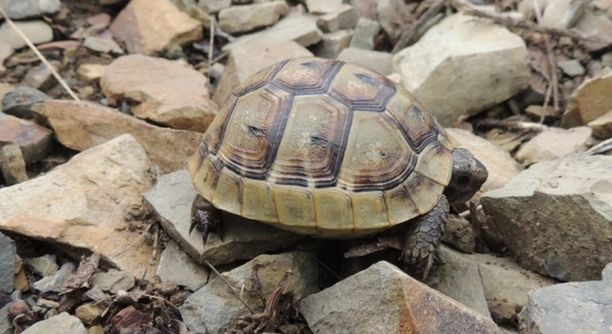
When caring for a Greek tortoise, it’s important to monitor their health and well-being. Overheating can be a serious concern, especially during warmer months. Recognizing the signs of overheating early can help keep your tortoise safe and comfortable.
Overheating in Greek tortoises often occurs due to excessive exposure to heat or inadequate shelter. Signs include lethargy, open-mouth breathing, seeking shade, and more. Taking immediate action to cool your tortoise down is essential for their health.
Understanding these signs can help prevent overheating. By recognizing them, you can ensure your tortoise’s safety and well-being.
Signs of Overheating in Your Greek Tortoise
Overheating can affect your Greek tortoise in several noticeable ways. The most obvious sign is if your tortoise is breathing through its mouth, instead of its nose. This behavior often signals distress and difficulty regulating temperature. Another common sign is lethargy or lack of movement, especially when the tortoise refuses to eat or show interest in its surroundings. If your tortoise seeks out cooler spots more frequently, this could also indicate it’s overheating. These changes are a response to its internal temperature rising beyond the tolerable range.
If you observe any of these signs, take immediate action. Provide cooler, shaded areas and ensure that the habitat is not too hot.
It’s important to remember that overheating can also cause long-term health issues, including dehydration and organ stress. Regularly monitoring your tortoise’s environment and behavior can prevent these complications. If symptoms persist, consulting a veterinarian is recommended.
Preventing Overheating in Greek Tortoises
A well-maintained enclosure is crucial in preventing overheating. Make sure your tortoise has access to both sunlight and shaded areas, as this allows them to regulate their temperature naturally. Avoid placing their habitat in direct sunlight during peak hours, especially in the summer months.
Regularly monitor the temperature of their environment using a thermometer. The ideal range for Greek tortoises is between 75°F to 85°F. If the temperature exceeds this range, your tortoise could quickly become stressed or overheat. Keeping a consistent schedule for watering and ensuring that they always have fresh water will help prevent dehydration.
Making these adjustments is simple but effective in maintaining a safe and healthy environment. Your tortoise’s well-being depends on it. Regular check-ups on their habitat conditions will go a long way in preventing overheating, keeping your pet active and happy.
Adjusting the Temperature in Their Habitat
A quick way to adjust the temperature is by adding a fan or placing ice packs in a container near their enclosure. Ensure the ice is in a safe, leak-proof container to prevent water damage. You can also reposition heat lamps or UVB lights to areas with indirect light, helping cool down the surroundings.
It’s important to monitor the ambient temperature using a thermometer to avoid drastic changes. Gradual temperature adjustments are preferred, as sudden shifts may stress your tortoise. Ensure they always have a cooler place to retreat to, such as a shaded corner or a small hideaway.
If you’re using a heat source like a basking lamp, keep the lamp at an appropriate height to avoid excessive heat buildup. Your tortoise needs just enough warmth for digestion and energy but should not be exposed to high temperatures for extended periods.
Importance of Hydration
Hydration is vital to a tortoise’s overall health, especially when dealing with the effects of heat. Overheating can lead to dehydration, making it harder for your tortoise to regulate its body temperature. Always provide fresh, clean water for drinking, and ensure it is easily accessible.
In hot conditions, tortoises may drink more frequently or submerge themselves in water to cool down. Offering shallow water dishes or even a damp towel for them to walk on will help maintain their moisture levels. If you notice your tortoise is drinking more often than usual, it could be trying to combat dehydration caused by heat.
Adding misting to their enclosure can also help maintain humidity and assist in cooling them down. It’s essential to avoid letting your tortoise become dehydrated, as it can weaken their immune system and cause other health issues.
Watch for Behavioral Changes
If your tortoise is unusually slow or inactive, this could be a sign of overheating. They may refuse to eat or hide away more often than usual. These behaviors are a clear indication that they are not feeling well.
Overheating can cause significant stress and discomfort. If your tortoise seems withdrawn or lacks the usual energy, it’s important to lower the temperature and offer a cooler, more comfortable environment. Immediate cooling measures will help prevent further distress.
Checking for Physical Signs
Look out for signs such as open-mouth breathing or drooping limbs. These symptoms can indicate that the tortoise is struggling to regulate its body temperature. If you notice any of these, take action immediately.
Overheating can also cause changes in skin color, with the tortoise appearing paler than usual. If their body temperature continues to rise, it can result in severe health issues. Acting quickly is vital for preventing further complications.
Adjusting the Environment
Ensure your tortoise’s environment has proper ventilation. Poor airflow can cause the temperature to rise quickly, especially in an enclosed space. Adjusting the ventilation will help air circulate and cool down the habitat more effectively.
A properly ventilated habitat is a simple yet effective way to keep your tortoise comfortable. Ensuring that the enclosure has space for airflow is important for maintaining a steady, manageable temperature.
FAQ
What temperature is ideal for my Greek tortoise?
The ideal temperature range for a Greek tortoise is between 75°F to 85°F (24°C to 29°C). This range ensures they can properly digest food and stay healthy. If the temperature goes above this, they may become stressed, which can lead to overheating. Using a reliable thermometer in their enclosure will help maintain the correct environment. For nighttime, temperatures should not drop below 70°F (21°C), as they need warmth to stay active and healthy.
How can I prevent my Greek tortoise from overheating in summer?
In the summer, you can prevent overheating by offering shaded areas and ensuring they are not exposed to direct sunlight for too long. It’s helpful to set up a misting system or use cooling stones. Make sure your tortoise has access to a shallow water dish for drinking and cooling off. If possible, move the enclosure to a cooler part of your house or yard during the hotter months.
What are the early signs that my Greek tortoise is overheating?
Signs of overheating include lethargy, mouth-breathing, excessive hiding, and seeking out cool or shaded areas more frequently. You may also notice that your tortoise is drinking more water than usual. If you see these signs, it’s crucial to adjust their environment quickly to lower the temperature and provide them with a cooler space.
Should I provide water for my tortoise during hot weather?
Yes, it’s very important to provide fresh water during hot weather. Overheating can cause dehydration, so make sure your tortoise has access to a shallow water dish at all times. You can also mist their enclosure lightly to maintain humidity levels. Keep the water clean and refill it daily to encourage drinking.
Can my Greek tortoise live outside in hot climates?
Greek tortoises can live outside in warmer climates, but you need to ensure their enclosure is safe from extreme temperatures. If you live in a region with intense heat, be sure to provide shaded areas, a water source, and a cooler shelter. You should also bring them inside during extreme heatwaves to prevent overheating.
What should I do if my Greek tortoise starts to overheat?
If your tortoise starts to overheat, remove it from direct sunlight and place it in a shaded or cool area immediately. Offer a shallow dish of cool water for hydration. You can use cool, damp towels to help lower its body temperature gradually. Avoid sudden temperature changes, as this can cause additional stress.
How often should I check my Greek tortoise’s environment?
You should check your tortoise’s environment at least once a day, especially during hot weather. Make sure the temperature is within the proper range and that your tortoise has access to shade, water, and a comfortable resting area. Regular checks will help you spot any problems early, preventing overheating or other issues.
Can high humidity contribute to overheating?
Yes, high humidity can contribute to overheating in tortoises by limiting their ability to regulate their body temperature. It’s important to maintain a balanced humidity level in their enclosure. Too much moisture can create a sticky, uncomfortable environment, while too little can lead to dehydration.
Can my tortoise overheat if the enclosure is too small?
A cramped enclosure can lead to overheating, as air circulation becomes restricted. It’s important to provide enough space for your tortoise to move around freely and seek out cooler spots. An enclosure that is too small also prevents proper heat distribution, making it harder for your tortoise to regulate its body temperature.
Is it safe to use a heat lamp in the summer?
Heat lamps are not generally needed in the summer unless the indoor temperature is consistently lower than the recommended range. If you do use one, ensure that it’s positioned properly, away from the tortoise’s resting area, to avoid creating a hot spot. A UVB light is still necessary to provide essential Vitamin D3.
What should I do if my Greek tortoise won’t eat in hot weather?
If your tortoise refuses to eat during hot weather, it may be a sign of overheating or dehydration. Ensure they have access to cool, shaded areas and enough fresh water. If this continues for more than a day or two, consult a veterinarian to rule out underlying health issues.
How can I monitor my tortoise’s health during the summer?
Monitoring your tortoise’s health during the summer requires regular checks for signs of overheating, dehydration, or stress. Look for any changes in behavior, such as lethargy, refusal to eat, or excessive drinking. Regular temperature checks in the enclosure and keeping the environment stable can help maintain your tortoise’s health.
Final Thoughts
Overheating in Greek tortoises is a serious issue that requires attention to their environment and behavior. These tortoises, like other reptiles, rely on their surroundings to regulate their body temperature. If the environment becomes too hot, they can become stressed, leading to health problems that could be prevented with simple measures. Regularly monitoring temperature levels, providing shade, and ensuring that there is enough ventilation in their habitat are key to preventing overheating. A well-maintained environment is essential for their well-being and longevity.
It is also important to understand the early signs of overheating, such as lethargy, mouth-breathing, and a refusal to eat. These signs can help identify when action is needed before it’s too late. By watching their behavior closely and taking quick steps to cool them down when needed, you can keep your tortoise safe and comfortable. Keeping their habitat clean, with access to fresh water and shaded areas, will go a long way in maintaining their health.
Remember that each tortoise has unique needs, and what works for one may not work for another. Some may be more sensitive to heat, while others may handle higher temperatures better. With time and careful observation, you will learn the specific needs of your tortoise. Adjusting their environment based on seasonal changes will help them thrive year-round. By staying proactive and aware, you can ensure your Greek tortoise leads a healthy, happy life without the dangers of overheating.

Hello,
If you enjoy the content that we create, please consider saying a "Thank You!" by leaving a tip.
Every little bit helps us continue crafting quality advice that supports the health, happiness, and well-being of pets around the world, for pets of all shapes, sizes, and species.
We really appreciate the kindness and support that you show us!