
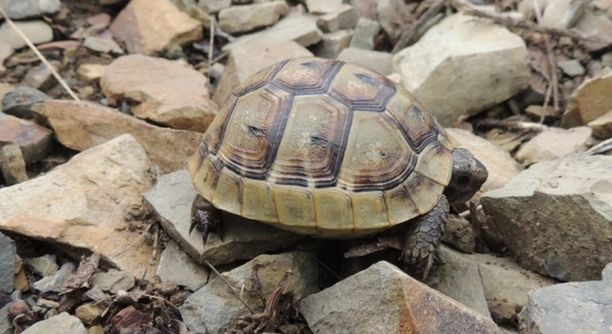
Greek tortoises are popular pets known for their resilience and unique charm. However, like any pet, they require proper care to stay healthy. One important aspect of their well-being is staying properly hydrated.
Dehydration in Greek tortoises can be serious and easily overlooked. Common signs include lethargy, dry skin, sunken eyes, and lack of appetite. It’s essential to catch these early to prevent more severe health issues.
Proper hydration is key to keeping your tortoise healthy. Recognizing the signs of dehydration will help you take the right steps to keep your pet comfortable and thriving.
1. Recognizing Lethargy and Slow Movement
When your Greek tortoise seems unusually slow or lethargic, it could be a sign of dehydration. Typically, these tortoises are quite active, moving around and exploring. If your pet isn’t as energetic as usual, dehydration might be affecting its health. A lack of movement can indicate that the tortoise is not feeling well, as dehydration can cause weakness and a lack of energy.
Dehydration makes it harder for tortoises to maintain their usual energy levels. If your pet is spending more time resting in one spot, it may not be getting the hydration it needs.
If you notice this behavior, it’s essential to offer your tortoise water and check other signs of dehydration. Sometimes, a bath with lukewarm water can help hydrate it faster, but long-term hydration habits are necessary to keep them healthy. Additionally, ensuring the habitat has the right humidity level is a big factor in preventing dehydration.
2. Dry, Cracked Skin
One clear indicator that your Greek tortoise is dehydrated is dry, flaky, or cracked skin. When a tortoise doesn’t drink enough water, its skin becomes tight and less supple. The shell, too, may appear drier than usual and may not shine as it should.
Skin that is not properly hydrated can also lose its elasticity, making it more prone to cracking or scabbing. Regular hydration and a balanced diet will help keep your tortoise’s skin in good condition.
Keeping a close eye on your tortoise’s skin is key to preventing dehydration from becoming a more serious issue. If the dry skin persists, consider adjusting their water intake and humidity levels in their enclosure. Dehydration affects the entire body, including the skin. Tortoises need both proper hydration and proper care to prevent these symptoms from becoming permanent.
3. Sunken Eyes
If your Greek tortoise has sunken eyes, it’s a clear sign that hydration is lacking. Dehydration can cause the tissues around the eyes to lose moisture, leading to a hollow or sunken appearance. It’s a concerning sign that shouldn’t be ignored.
In addition to the sunken eyes, your tortoise may seem less active or sluggish. You’ll notice that it might not react to its environment as it usually does. Hydration plays a major role in maintaining eye health. When a tortoise is dehydrated, its body prioritizes vital organs, and the eyes can become a secondary concern.
If you see sunken eyes, immediately address the issue by providing a soak in warm water to help with hydration. It may not be a quick fix, but it’s an important step to prevent further complications. Make sure that your tortoise has constant access to fresh water to support recovery.
4. Lack of Appetite
Dehydration can cause your Greek tortoise to lose its appetite. When a tortoise isn’t drinking enough, it can lead to a decrease in overall interest in food. This lack of hunger is often one of the first signs that something is wrong.
A reduced appetite can be linked to many health issues, but dehydration is a key factor. Without proper hydration, your tortoise’s digestive system may not function properly, making it difficult for them to feel hungry. If you notice your tortoise refusing food, hydration should be one of the first things to check.
Offering water to your tortoise or soaking it in a shallow bath can help encourage drinking. You may also consider providing watery food, like leafy greens or cucumbers, to help boost hydration levels. If the lack of appetite persists, a veterinarian may need to intervene.
5. Soft or Puffy Shell
If your Greek tortoise’s shell feels soft or puffy, dehydration might be the cause. A healthy shell is firm and solid, but when your tortoise isn’t getting enough water, the shell can begin to lose its strength and structure.
A soft shell is a sign that your tortoise is not absorbing the necessary nutrients or water it needs. The lack of hydration affects the shell’s integrity, making it more vulnerable. Regular hydration and proper care are key to preventing this issue from becoming permanent.
If the shell feels puffy or soft, it’s crucial to offer water immediately and adjust the humidity in the habitat to support your tortoise’s recovery.
6. Difficulty Breathing
Dehydration can cause respiratory issues in Greek tortoises, making it difficult for them to breathe properly. When the body is dehydrated, the lungs and airways may not function as effectively, leading to labored breathing.
The tortoise may show signs of stress, open its mouth to breathe, or make wheezing sounds. This can happen when the tortoise is extremely dehydrated or under physical strain. Providing hydration through water soaks can help ease these symptoms and support the respiratory system.
If the difficulty persists, seeking a vet’s advice is essential to ensure your tortoise’s health is not at serious risk.
FAQ
How can I prevent dehydration in my Greek tortoise?
To prevent dehydration, ensure that your tortoise always has access to fresh water. Hydration is key, so offering water through daily soaks in shallow, lukewarm water is a great method. You should also consider adding water-rich foods to its diet, like cucumbers and lettuce, which help with moisture intake. Additionally, maintaining proper humidity levels in the enclosure is vital. A tortoise’s habitat should have enough moisture to mimic its natural environment, helping prevent dehydration before it starts. Providing a balanced diet rich in calcium and fiber can also contribute to your tortoise’s overall hydration levels.
What are the best ways to rehydrate a dehydrated Greek tortoise?
If your Greek tortoise is showing signs of dehydration, there are a few things you can do. Start by soaking it in warm water for 20 to 30 minutes. This will help it absorb water through the skin and hydrate faster. Make sure the water is shallow enough for the tortoise to stand in and not too hot. You can also offer it water using a syringe or dropper, but only if it’s willing to drink. Ensure the tortoise’s enclosure has a water bowl that it can access at all times. Long-term, adjusting the habitat’s humidity levels and offering water-rich foods will help keep your tortoise hydrated.
Is dehydration common in Greek tortoises?
Dehydration can occur in Greek tortoises, but it’s not uncommon if their care needs aren’t fully met. These tortoises come from dry, arid regions, but they still need a constant source of hydration. In captivity, dehydration can happen if the humidity in the enclosure is too low, the tortoise isn’t drinking enough water, or if it’s not given enough water-rich foods. The key to preventing dehydration is providing consistent access to fresh water, maintaining proper humidity, and being mindful of how much water your tortoise is consuming. Regular checks will help catch any issues early.
How much water does a Greek tortoise need each day?
The amount of water a Greek tortoise needs each day can vary based on factors such as size, age, diet, and environmental conditions. However, a general guideline is that a Greek tortoise should always have access to fresh water. They don’t need to drink large amounts daily but should be encouraged to drink when they are thirsty. Providing a shallow water bowl in their enclosure is essential for hydration, and soaking your tortoise in lukewarm water a few times a week is a good practice. Make sure to remove any uneaten food from the water to keep it clean.
Can a dehydrated Greek tortoise recover on its own?
A dehydrated Greek tortoise can sometimes recover with proper hydration and care, but it’s important to intervene early. Dehydration can lead to more serious health issues, so it’s crucial to address it promptly. Start by offering water through soaking or using a syringe for direct hydration. If you notice symptoms like sunken eyes, lethargy, or a lack of appetite, these could be signs of severe dehydration, and you may need to consult a vet. With the right steps, many tortoises can recover from mild dehydration and return to their normal self.
What are the long-term effects of dehydration on Greek tortoises?
Chronic dehydration in Greek tortoises can lead to several health problems, including organ failure, poor shell development, and skin issues. If dehydration is left untreated, it may result in a weakened immune system, making the tortoise more susceptible to infections and other diseases. Prolonged dehydration can also impact the tortoise’s growth and overall well-being. It’s important to make sure that the tortoise is properly hydrated consistently, as dehydration can quickly progress into a more serious condition, affecting both its health and lifespan.
Can dehydration cause a Greek tortoise’s shell to become soft?
Yes, dehydration can cause the shell of a Greek tortoise to become soft. When a tortoise doesn’t have enough water, its body can begin to break down essential nutrients and minerals, which affects the shell’s strength and integrity. The shell may feel softer than usual and may lose some of its firmness. Dehydration reduces the tortoise’s ability to absorb the necessary calcium and other minerals, which are critical for maintaining a strong shell. This condition is preventable by ensuring proper hydration and nutrition, as well as providing adequate humidity in the tortoise’s enclosure.
How do I know if my Greek tortoise is severely dehydrated?
Severe dehydration in a Greek tortoise can be identified by a few key signs. These include sunken eyes, lethargy, and a lack of appetite. The tortoise may also appear weak or reluctant to move, and its skin may become dry and cracked. If you notice these symptoms, it’s important to take action immediately, such as offering water soaks and adjusting its environment for better hydration. If the tortoise doesn’t show improvement or the symptoms persist, it’s best to consult a vet. Severe dehydration can be life-threatening if not treated properly.
What should I do if my Greek tortoise is not drinking water?
If your Greek tortoise isn’t drinking water, it’s important to first ensure that the water source is clean and easily accessible. Sometimes, tortoises may refuse to drink if the water has been sitting for too long or has debris in it. Try soaking the tortoise in lukewarm water to encourage drinking or offer water through a syringe. You can also try adding watery foods, like lettuce, cucumber, or watermelon, to its diet. If the tortoise continues to refuse water or shows signs of dehydration, consulting a vet is advised.
Final Thoughts
Dehydration in Greek tortoises is a serious issue, but it is also something that can be managed with proper care. Recognizing the signs early, such as lethargy, sunken eyes, or a lack of appetite, can make a big difference in how quickly your tortoise recovers. Regular hydration is essential for these creatures, especially since they naturally come from arid climates where water sources may not be as abundant. In captivity, it’s important to ensure that they always have access to fresh water and a suitable environment to prevent dehydration from occurring.
Taking steps to keep your Greek tortoise hydrated involves more than just providing water. Their habitat plays a significant role, and maintaining the right humidity levels can help prevent dehydration. A shallow water dish and regular water soaks are simple yet effective ways to keep them hydrated. Offering water-rich foods, like cucumbers and leafy greens, can also make a big difference. With the right approach, your tortoise can stay healthy and avoid the risks associated with dehydration.
It’s important to remember that prevention is key. By observing your tortoise’s behavior and regularly checking for signs of dehydration, you can act quickly and prevent serious health problems. If dehydration becomes severe, it’s always best to consult a veterinarian who specializes in reptiles. With consistent care and attention, your Greek tortoise can thrive and live a long, healthy life.

Hello,
If you enjoy the content that we create, please consider saying a "Thank You!" by leaving a tip.
Every little bit helps us continue crafting quality advice that supports the health, happiness, and well-being of pets around the world, for pets of all shapes, sizes, and species.
We really appreciate the kindness and support that you show us!