
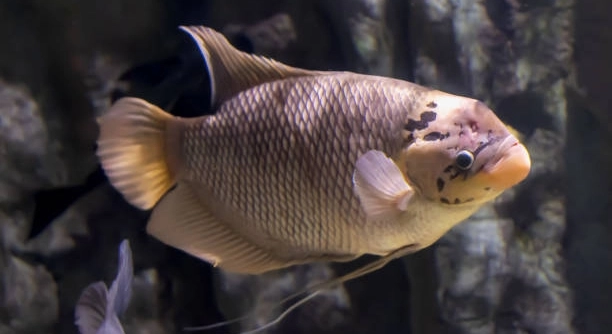
Are your gouramis acting differently or showing signs of stress in their tank? Small changes in behavior or appearance can indicate that your aquarium environment is no longer ideal for them. Observing these changes early can prevent bigger issues.
Gouramis rely on clean, well-maintained tanks to thrive. Poor water quality, overcrowding, and outdated equipment can negatively affect their health. Recognizing signs that the tank needs attention ensures timely intervention and supports the overall wellbeing of the fish.
Monitoring your tank closely helps maintain a healthy environment. By understanding these signs, you can make adjustments that promote long-term comfort and vitality for your gouramis.
Cloudy or Foul-Smelling Water
Cloudy water or an unpleasant odor is a clear sign that your gourami tank needs attention. Excess waste, leftover food, and decaying plants can quickly affect water quality. Even with a filter, toxins can build up over time, making the environment unsafe for your fish. Consistent maintenance is key to keeping your tank clean. Regular partial water changes, proper filtration, and removing debris can prevent water from becoming murky or smelly. Paying attention to water clarity and smell not only helps your gouramis stay healthy but also makes your aquarium more enjoyable to watch. Ignoring these signs can lead to stress, illness, or even death among your fish. It’s better to act early and maintain a routine schedule for tank upkeep, ensuring the water remains fresh and clear.
Water clarity is a vital indicator of tank health. Foul odors mean toxins are accumulating rapidly.
A consistent cleaning routine ensures your gouramis thrive. Skipping maintenance can quickly affect their health and behavior. Even small amounts of waste left in the tank can disrupt the balance of the water, encouraging harmful bacteria and algae growth. Regularly checking filters and performing partial water changes keeps the tank stable. Healthy water supports your fish’s immune system, reduces stress, and prevents common diseases. By paying attention to the smell and clarity of the water, you protect your fish from unnecessary risks and create a more pleasant environment. Proper care also allows plants and decorations to stay clean, improving the overall aesthetics of your aquarium.
Unusual Behavior or Lethargy
Changes in behavior, such as reduced activity or hiding, indicate that your gouramis are uncomfortable.
Behavioral changes often signal environmental stress or poor water conditions.
If your gouramis are suddenly spending more time at the surface, hiding, or acting lethargic, it may be linked to water quality, temperature, or overcrowding. Stress can weaken their immune systems, making them more susceptible to illness. Observing their daily patterns helps identify problems early. Minor changes like slower swimming or less interaction with tank mates may seem small, but they can indicate significant issues. Adjusting water conditions, providing adequate hiding spots, and reducing overcrowding can improve behavior. Maintaining stable water temperature and consistent feeding schedules also supports their wellbeing. Timely action ensures your gouramis regain their normal activity levels and reduces long-term health risks. Monitoring behavior is a simple yet effective way to understand when your tank environment needs improvement.
Faded or Damaged Fins
Faded or torn fins can indicate poor water conditions or stress. Healthy gouramis have vibrant, intact fins. Changes in appearance often show that the tank environment needs attention.
Poor water quality, aggressive tank mates, or rough decorations can cause fin damage. When fins appear frayed, torn, or dull, it is a signal to check water parameters immediately. Ammonia or nitrite spikes, low oxygen levels, and inconsistent maintenance can all contribute to fin deterioration. Observing your fish closely and addressing these issues quickly helps prevent infections and promotes faster healing. Proper filtration, gentle decorations, and regular partial water changes can protect fins from further harm.
Fins are essential for swimming and balance. Damaged fins affect movement and stress levels, leading to reduced activity and feeding. Ensuring stable water conditions and removing hazards in the tank supports recovery and long-term fin health. Careful monitoring can prevent further deterioration and keep your gouramis active and vibrant.
Excessive Algae Growth
Algae growing excessively on surfaces signals an imbalance in the tank. It can make water cloudy and reduce oxygen levels, affecting gouramis.
Excessive algae often results from too much light, overfeeding, or high nutrient levels in the water. When algae blooms occur, it competes with fish for oxygen and can cover plants, decorations, and glass, making the tank less visually appealing and less healthy for inhabitants. Overfeeding introduces extra nutrients, encouraging algae growth, while prolonged light exposure accelerates photosynthesis. Testing water parameters for nitrates and phosphates helps identify the source of the problem. Reducing feeding amounts and adjusting the lighting schedule can help restore balance. Introducing algae-eating tank mates or manually removing algae may also be necessary for control. Maintaining a routine cleaning schedule ensures algae does not take over, supporting a stable environment for gouramis.
Overcrowded Tank
Too many fish in one tank creates stress and poor water quality. Gouramis need space to swim and establish territories.
Overcrowding increases waste buildup and lowers oxygen levels. It can lead to aggression, fin damage, and illness. Monitoring tank capacity helps maintain a healthy environment and ensures each fish has enough space to thrive.
Uneaten Food Accumulation
Leftover food settles at the bottom, decomposes, and pollutes water. Removing uneaten food promptly prevents harmful ammonia spikes and keeps the tank clean for gouramis.
Cloudy Filter
A clogged or dirty filter cannot properly clean the tank. Regular inspection and maintenance are necessary to ensure efficient water flow and filtration.
Unstable Temperature
Sudden changes in temperature stress gouramis. Consistent monitoring and using a reliable heater or thermometer keeps water conditions stable and supports their health.
FAQ
How often should I change the water in my gourami tank?
Regular water changes are essential to keep your tank healthy. A good routine is replacing 20–25% of the water every week. This helps remove excess waste, uneaten food, and toxins, keeping ammonia and nitrite levels low. Consistency is key, as skipping changes can stress your gouramis and affect their immune system.
What signs show my gouramis are stressed due to tank conditions?
Stress often appears as lethargy, hiding, loss of appetite, or faded colors. Sudden aggression between tank mates can also indicate poor conditions. Observing daily behavior helps identify problems early. Stress weakens the immune system, making fish more prone to disease, so addressing tank issues promptly is crucial.
Can overcrowding harm my gouramis?
Yes. Overcrowding increases waste and reduces oxygen, leading to aggression and illness. Each gourami needs enough space to swim freely and establish territories. A crowded tank creates constant stress, which can result in fin damage, poor growth, and vulnerability to disease. Maintaining proper fish numbers is essential.
How do I know if my filter is working properly?
A filter should circulate water clearly and quietly. If water flow slows, becomes cloudy, or debris accumulates, the filter may be clogged. Regular cleaning and replacing filter media when necessary ensures efficient removal of toxins and debris, keeping water healthy for your gouramis.
Is algae harmful to gouramis?
Algae itself is not dangerous in small amounts, but excessive growth can reduce oxygen and cover plants and surfaces. High nutrient levels, overfeeding, or too much light often cause blooms. Controlling light exposure, feeding the right amount, and cleaning surfaces regularly prevents algae from overtaking the tank.
What temperature is best for gouramis?
Gouramis thrive in stable temperatures between 75–82°F (24–28°C). Sudden changes or prolonged exposure to cold or heat stress them, weaken their immune system, and can lead to illness. Using a reliable heater and thermometer helps maintain a consistent environment.
How can I prevent fin damage?
Fin damage can come from rough decorations, aggressive tank mates, or poor water quality. Keeping a clean tank, providing smooth decorations, and monitoring interactions reduces the risk. Observing fins regularly ensures early detection, allowing quick intervention before infections develop.
Why is my gourami hiding constantly?
Hiding is often a response to stress, poor water quality, or illness. If your fish spends more time hiding than swimming, check water parameters, temperature, and tank setup. Stress reduction, adequate hiding spots, and stable conditions help gouramis feel secure and active.
How do I handle leftover food in the tank?
Uneaten food should be removed within a few minutes of feeding. Leaving it to decay increases ammonia levels and pollutes the water. Using the correct portion sizes and feeding smaller amounts more frequently keeps gouramis well-fed while maintaining clean water.
When should I replace decorations or substrate?
Old decorations or substrate can accumulate waste and harmful bacteria over time. Replacing or thoroughly cleaning them every few months helps maintain water quality. Avoid sudden changes that stress the fish, and always rinse new items before adding them to the tank.
How do I reduce algae naturally?
Controlling light exposure and reducing overfeeding are the simplest ways. Adding live plants can compete with algae for nutrients, while certain tank mates may help eat algae. Manual removal during maintenance also prevents buildup. Maintaining balanced nutrients and regular cleaning keeps algae under control.
What should I do if water looks cloudy?
Cloudy water often indicates a bacterial bloom, leftover food, or debris. Perform a partial water change, clean the substrate, and check the filter. Monitoring water chemistry ensures it returns to a stable state. Cloudy water left untreated can stress your gouramis and encourage disease.
How do I keep gouramis healthy long-term?
Consistent maintenance, proper feeding, monitoring behavior, and stable water conditions are essential. Regular water changes, clean filters, controlled light exposure, and avoiding overcrowding create a stable environment where gouramis can thrive. Observation and timely action prevent issues before they become serious.
Can I mix gouramis with other fish?
Yes, but compatibility is important. Peaceful species with similar size and water requirements work best. Avoid aggressive or fin-nipping fish. Observing interactions ensures a calm tank. Providing enough space and hiding spots reduces stress for all inhabitants.
How often should I test water parameters?
Testing water weekly helps detect changes in pH, ammonia, nitrites, and nitrates. Early detection allows timely action, preventing health problems. Keeping a log of readings helps track trends and ensures the tank remains safe and stable for gouramis.
Maintaining a healthy gourami tank requires regular attention and observation. Changes in water quality, behavior, or tank appearance are often early indicators that something needs to be addressed. Even small issues, if left unattended, can escalate into serious problems for your fish. By monitoring the water clarity, temperature, and cleanliness, you can prevent stress, illness, and fin damage in your gouramis. Paying attention to their behavior, such as hiding, lethargy, or reduced appetite, also provides important clues about the tank’s condition. Taking simple steps like performing partial water changes, removing uneaten food, and cleaning filters regularly ensures that your tank remains a safe and comfortable environment for your fish. Overcrowding and aggressive tank mates should be avoided, as these can increase stress and lead to health complications. Even decorations and substrate need occasional cleaning to prevent the buildup of harmful bacteria or waste. These small, consistent actions make a big difference in the long-term wellbeing of your gouramis.
Proper tank maintenance supports the natural behaviors and vibrant appearance of your fish. Gouramis rely on stable water conditions and clean surroundings to thrive. Faded fins, unusual swimming patterns, or excessive hiding are signs that adjustments may be needed. Maintaining consistent water temperature and a clean filter system reduces stress and helps prevent common illnesses. Algae growth, while natural in small amounts, should be controlled to avoid oxygen depletion or blocked light for plants. Feeding the right portions and promptly removing leftover food reduces excess nutrients that contribute to water pollution. Observing and understanding these factors allows you to create an environment where your gouramis can swim freely, display bright colors, and interact normally with each other. A well-maintained tank not only benefits the health of your fish but also provides a visually pleasing and enjoyable space to observe. Taking the time to monitor and respond to signs of stress or poor conditions ensures your gouramis live long and healthy lives.
Consistency is the key to a successful gourami tank. Regular check-ups, cleaning routines, and monitoring of water parameters prevent small problems from becoming serious threats. Paying attention to both the physical environment and the behavior of your fish allows you to act quickly when changes occur. Every aspect, from water clarity and temperature to tank population and decorations, contributes to the overall health of your gouramis. Investing time and effort into proper maintenance fosters a stable, safe, and comfortable home for your fish. By understanding the signs that your tank needs a change and responding appropriately, you ensure your gouramis remain active, healthy, and happy. A well-kept tank reduces stress for both the fish and the caretaker, creating a positive environment that supports long-term care. Staying attentive and proactive with your aquarium management is the most effective way to enjoy a thriving gourami community over time.

Hello,
If you enjoy the content that we create, please consider saying a "Thank You!" by leaving a tip.
Every little bit helps us continue crafting quality advice that supports the health, happiness, and well-being of pets around the world, for pets of all shapes, sizes, and species.
We really appreciate the kindness and support that you show us!