
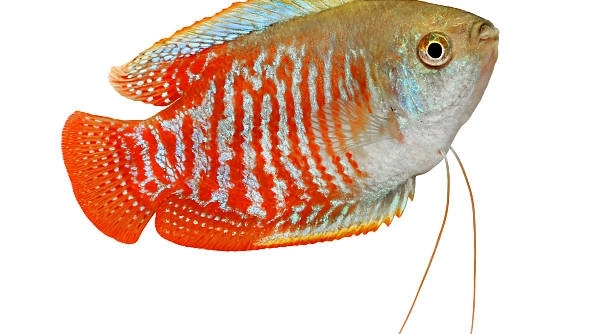
Gouramis are social fish that thrive in the company of others. When left alone, they can show subtle changes in behavior, activity, and appetite, hinting at their need for interaction. Observing these signs helps maintain their overall well-being.
Gouramis missing a tankmate may display signs such as lethargy, reduced appetite, frequent hiding, aggression, color fading, repetitive swimming patterns, and excessive attention-seeking. Recognizing these behaviors allows aquarists to address social needs and improve the fish’s psychological and physical health.
Noticing these subtle changes ensures your gourami remains healthy and content in its aquatic environment, encouraging a more balanced and harmonious tank life.
Lethargy and Reduced Activity
When a gourami is missing a tankmate, one of the first noticeable changes is a drop in activity. Normally, these fish are curious and explore their surroundings, but an isolated gourami may spend long periods resting or hiding. Its usual swimming patterns become slower and less frequent, and it may avoid areas it previously enjoyed. This lack of movement can also affect feeding habits, as a bored or lonely gourami is less motivated to seek food. In addition, prolonged inactivity can lead to weakened muscles and a decline in overall health. Observing your fish’s daily routines is key, as subtle shifts in energy levels are often the earliest indicators that social needs are unmet. By recognizing these changes early, corrective measures can be taken to restore balance, ensuring the gourami remains active, alert, and physically strong. Paying attention to activity patterns provides insight into the emotional state of your fish.
Isolation can make gouramis appear disinterested and sluggish, signaling a need for social interaction to maintain mental and physical health.
Reduced movement and decreased curiosity can lead to stress, making the fish more vulnerable to illness. Providing companionship restores confidence, encourages regular swimming, and improves overall vitality.
Appetite Changes and Hiding
Missing a tankmate can also cause changes in eating behavior and hiding tendencies. Gouramis may eat less or ignore food completely, losing interest in meals they previously enjoyed. Hiding becomes more frequent, with the fish seeking shelter behind decorations or plants.
A decreased appetite combined with constant hiding indicates emotional stress. Loneliness affects their willingness to explore and feed, which can impact growth and health.
These behaviors are subtle but persistent. Monitoring feeding routines and ensuring the fish has opportunities for social interaction is crucial. Gradually introducing a compatible tankmate or providing enriched surroundings can reduce hiding tendencies and encourage normal eating patterns. Over time, the fish regains confidence, resumes regular feeding, and shows more active behavior. Consistent observation allows for timely intervention, preventing long-term health issues and maintaining a balanced tank environment where the gourami can thrive socially and physically.
Color Fading
Gouramis missing a tankmate often show duller colors. Vibrant hues fade, leaving the fish looking pale or washed out. This change reflects stress and a lack of stimulation in their environment.
Color fading is a visible sign of emotional distress in gouramis. When fish are isolated, their hormonal balance can be affected, reducing the intensity of natural pigmentation. Stress from loneliness triggers physiological responses that make bright colors fade. Over time, the fish may appear consistently pale, and patterns that were once pronounced become muted. This is not only a cosmetic issue but also indicates that the fish’s overall well-being is compromised. Addressing social needs can help restore their natural coloration and vitality, showing that emotional health directly influences physical appearance.
Restoring social interaction or environmental enrichment often helps gouramis regain their original coloration. Bright, active fish usually indicate reduced stress and improved health.
Repetitive Swimming Patterns
Lonely gouramis may develop repetitive swimming habits, such as pacing along the tank walls or circling decorations. These movements indicate boredom and stress.
Repetitive swimming is a coping mechanism for isolation. Without interaction, gouramis lack mental stimulation and start to engage in monotonous behaviors to occupy themselves. This constant movement can lead to exhaustion or minor injuries from bumping into tank objects. Patterns like swimming in tight circles or repeatedly moving from one end of the tank to the other signal that the fish is trying to deal with its loneliness. Over time, these behaviors can become ingrained, affecting the fish’s overall health and reducing its natural curiosity and exploration tendencies. Adding a compatible tankmate or changing the tank layout can break these cycles.
Introducing new companions or rearranging the tank helps reduce repetitive behaviors. Gouramis regain normal swimming habits and show increased curiosity once social needs are met.
Attention-Seeking Behavior
Gouramis missing a tankmate may follow you around the tank or hover near the glass more than usual. These actions show a desire for interaction and stimulation.
They may tap on decorations or swim close to other tank inhabitants if present, seeking attention. This behavior signals loneliness and a need for companionship, which can be alleviated with proper social support.
Aggression Toward Tankmates
When a new fish is introduced, a previously lonely gourami might display sudden aggression. This can include chasing, nipping, or territorial displays.
Aggression often stems from pent-up energy and stress accumulated during isolation. Without a companion to interact with previously, gouramis may struggle to adjust to social dynamics. Providing multiple compatible tankmates gradually can reduce tension, allowing them to socialize more naturally and regain balanced behavior.
Erratic Breathing
A gourami missing a companion may show irregular breathing patterns. Gills may move faster than normal or appear labored.
This behavior often accompanies stress and anxiety. Observing breathing patterns helps identify emotional distress and ensures timely intervention.
FAQ
How can I tell if my gourami is lonely?
Loneliness in gouramis can be observed through several behaviors. Look for decreased activity, frequent hiding, reduced appetite, and fading colors. They may also develop repetitive swimming patterns or follow you around the tank, signaling a desire for interaction. Attention-seeking and erratic breathing are additional indicators of stress caused by isolation.
What is the best way to introduce a new tankmate?
Introduce a new tankmate gradually. Use a separate container or divider initially to allow the gourami to observe the newcomer safely. Ensure both fish have hiding spaces and monitor their behavior closely. Gradual introduction reduces stress and aggression, helping them adapt to social interaction at a comfortable pace.
Which fish are compatible with gouramis?
Gouramis thrive with peaceful, non-aggressive species. Small tetras, rasboras, and peaceful corydoras are good options. Avoid fin-nipping or highly aggressive fish, as they can stress gouramis and worsen loneliness. Choosing compatible tankmates ensures social interaction without triggering conflict or fear.
How many gouramis should be kept together?
A small group of two to three gouramis is generally sufficient. Overcrowding can lead to stress and territorial disputes, while a single fish may experience loneliness. Observing the fish’s interactions helps determine if adjustments are needed for a balanced and harmonious environment.
Can a lonely gourami recover on its own?
Recovery is unlikely without intervention. Social species need companionship or enrichment to regain normal behavior. Providing a compatible tankmate or rearranging the environment encourages activity, restores appetite, and improves coloration, allowing the gourami to regain physical and emotional well-being.
What environmental changes help a lonely gourami?
Adding plants, decorations, or hiding spots stimulates exploration and reduces boredom. Rearranging existing decor can also encourage natural behaviors. These changes help occupy the fish, promote curiosity, and improve mental health, especially if immediate social interaction is not possible.
How long does it take for a gourami to adjust to a new tankmate?
Adjustment varies, typically taking several days to a few weeks. Initial caution or mild aggression is normal. Close observation and gradual integration ensure the fish adapts comfortably, forming social bonds and reducing stress-related behaviors over time.
Is it normal for gouramis to be aggressive after isolation?
Yes, temporary aggression is common. Isolation can heighten territorial instincts or frustration. Consistent observation, providing hiding spots, and gradually introducing other fish helps reduce aggression and fosters smoother social interactions.
Can diet affect a lonely gourami’s behavior?
Diet alone cannot fully address loneliness, but proper nutrition supports energy, coloration, and overall health. A balanced diet can improve mood and vitality, making social interactions and adjustment to tankmates easier for stressed or isolated gouramis.
Are there signs that a lonely gourami is stressed beyond behavior?
Yes, stress may appear physically. Faded colors, clamped fins, rapid gill movement, and weakened immunity are common. Monitoring these signs alongside behavior allows timely intervention to prevent long-term health issues and maintain a stable, supportive environment.
Final Thoughts
Ensuring the well-being of a gourami involves paying close attention to both its physical and social needs. These fish are naturally social creatures and thrive when they have companions or a stimulating environment. Observing their behavior carefully can reveal when something is off. Signs such as reduced activity, repetitive swimming, color fading, hiding, or erratic breathing are not merely random actions—they indicate that the fish may be missing a tankmate or struggling with loneliness. Understanding these signals is essential for maintaining the fish’s health and happiness. While it may seem minor, isolation can have long-term effects on both physical and mental well-being. Gouramis deprived of social interaction may eat less, show increased stress responses, or even develop weakened immunity. By taking note of these behaviors early, corrective steps can be implemented, whether that involves introducing compatible companions or enriching the environment with plants, decorations, or hiding spots. Careful observation is key, as each fish may display different signs depending on its personality and past experiences.
When addressing loneliness, it is important to act thoughtfully and deliberately. Simply adding another fish to the tank without consideration may create additional stress or aggression. Proper introduction techniques, such as using dividers or allowing gradual observation, help ensure that new companions are accepted. Monitoring interactions closely during the first few days is crucial, as it allows the aquarist to step in if aggressive behaviors occur. Additionally, selecting compatible tankmates can make a significant difference in how well gouramis adjust. Peaceful, non-aggressive species are typically the best choice, allowing social interactions to occur naturally without unnecessary conflict. It is also beneficial to provide sufficient space, hiding spots, and environmental enrichment so that each fish feels secure. This approach not only reduces stress but encourages natural behaviors, helping gouramis regain their confidence, appetite, and vibrant coloration. Over time, they become more active, show curiosity, and engage in normal swimming patterns, reflecting improved overall well-being.
Maintaining a supportive environment goes beyond simply adding tankmates. Consistent care, regular observation, and attention to behavioral changes are equally important. A balanced diet, clean water, and a well-structured tank contribute to a gourami’s physical health, which directly affects emotional stability. By combining proper nutrition, environmental enrichment, and social interaction, gouramis can thrive in captivity. Loneliness is a subtle but impactful issue that can be easily overlooked, yet it has clear signs that attentive aquarists can recognize. Responding to these needs promptly ensures that the fish not only survives but flourishes. Watching a gourami regain its color, energy, and playful behavior after addressing social and environmental needs is a clear reward for careful care. Maintaining this balance consistently helps prevent future stress and promotes a long, healthy life for these intelligent and delicate fish.

Hello,
If you enjoy the content that we create, please consider saying a "Thank You!" by leaving a tip.
Every little bit helps us continue crafting quality advice that supports the health, happiness, and well-being of pets around the world, for pets of all shapes, sizes, and species.
We really appreciate the kindness and support that you show us!