
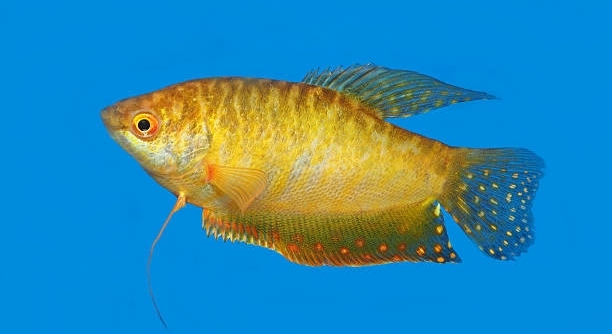
Gouramis are fascinating fish known for their beautiful colors and behaviors. If you’ve been caring for a gourami and are curious about breeding, recognizing the signs that your fish is ready to breed can be exciting.
One of the most prominent signs that your gourami is ready to breed is when it shows increased activity, brightens in color, and begins to build a bubble nest. The male gourami, in particular, will display more territorial behavior and may chase the female around.
By observing these signs, you’ll have a better understanding of your gourami’s readiness for breeding. Keep reading to learn how to identify the right time and prepare your aquarium for a potential breeding event.
Increased Activity and Aggression
When your gourami begins to swim more actively, it’s often a sign of excitement or a desire to mate. The male will typically display increased aggression as he works to establish dominance and claim territory. He might chase the female around, nipping at her fins or leading her toward the area where he wants to set up his bubble nest. This behavior is crucial for mating success, as the male needs to ensure his space is safe and suitable for breeding.
The aggressive behavior from the male is usually temporary and will subside once he has secured his territory. He will likely be focused on impressing the female and keeping other males away. During this period, the female might show signs of reluctance or confusion, but the male will try to coax her into the breeding zone.
Understanding these aggressive behaviors can help you assess whether your gouramis are nearing the breeding phase. If you notice the male’s heightened aggression, it could be time to prepare the tank for the next steps.
Brightening Colors
One of the clearest indicators that your gourami is ready to breed is a dramatic change in color. Males, in particular, often become much more vibrant during breeding season. Their colors may intensify, with shades of red, orange, or blue becoming more pronounced. This brightening is part of the male’s effort to attract the female and signal that he’s ready to mate.
The change in color is also often accompanied by physical changes, such as the male’s fins becoming more elongated and his body appearing fuller. In some cases, females may not show as vivid a color change, but they might become slightly more subdued in color to show their readiness to pair up. This shift in appearance is a natural part of the reproductive process, signaling both fish that they are ready for breeding.
Preparing your tank when you notice these color changes is important, as it ensures the environment is suitable for the next stages of breeding.
Bubble Nest Formation
A significant sign of breeding readiness is the creation of a bubble nest. Male gouramis will start to build a nest at the surface of the water using air bubbles. This nest serves as a protective spot for the eggs once fertilized. The male will use his mouth to blow small bubbles that collect together in one area.
The process can take anywhere from a few hours to a couple of days. The male will continue adding bubbles until the nest is large and secure enough to house the eggs. He will guard the nest fiercely, keeping both the female and any other fish away.
Once the nest is complete, the male will coax the female closer to it. He may chase her gently, urging her to approach the nest. The female might show hesitation or interest, depending on her readiness. This behavior is a strong indicator that your gourami pair is nearing the breeding process.
Female’s Behavior Changes
The female’s behavior can provide clues about her readiness to breed. She may become more passive and less active, spending more time near the surface or around the male. When the male displays his bubble nest, the female will often swim toward it, showing interest by hovering nearby.
During this time, the female may not display the same aggressive behavior as the male. Instead, she will focus on inspecting the nest. In some cases, she may show signs of excitement or nervousness, darting in and out of the area. If she is receptive, she will allow the male to chase her into the nest area.
A calm, yet attentive female is a strong indication that she is ready to breed. If you notice this change, be prepared for the next steps in the breeding process.
Male’s Courtship Display
The male gourami will often begin a courtship display once the bubble nest is built. He will swim in a slow, rhythmic manner around the nest, showing off his bright colors and fluttering fins. This is his way of impressing the female.
During the display, the male may also puff out his gills and swim in circles, getting the female’s attention. If she is receptive, she will follow him and come closer to the nest. This courtship ritual is essential for ensuring the female is interested and ready to mate with the male.
Increased Fin Movement
You’ll notice increased fin movement from both the male and female during breeding preparation. The male’s fins will spread wide to show dominance and attract the female. Similarly, the female may display slightly more movement, indicating that she is preparing to mate.
The increased fin movements are both a signal of readiness and part of the mating ritual. These actions help the pair communicate with each other, ensuring they are both prepared to proceed with the breeding process.
FAQ
1. How can I tell if my gourami is truly ready to breed?
You can tell your gourami is ready to breed when the male shows off his bubble nest, becomes more aggressive, and brightens in color. The female might appear more passive, focusing on the male and the nest. This behavior is typical when both fish are physically and behaviorally prepared for mating. Additionally, if the female is hovering around the bubble nest, it’s another sign that she’s ready to mate.
2. Why is my male gourami being so aggressive?
Aggression is a common behavior in male gouramis as they prepare for breeding. The male will establish his territory by chasing and displaying aggression toward other males, ensuring that only he has access to the female. While it might seem harsh, this aggression is natural and necessary for the breeding process.
3. Do I need to separate the male and female gourami?
It’s often recommended to separate the male and female before breeding to reduce stress and prevent premature aggression. However, once the bubble nest is built, you can introduce the female. She may initially seem wary of the male’s advances, but they usually settle into their roles as mating partners.
4. How do I care for the tank during breeding?
The tank should be clean and free of any large distractions. Ensure there is plenty of floating vegetation or a soft surface to provide cover and make the fish feel secure. The water temperature should be kept between 75-80°F (24-27°C), and the pH level should remain neutral. Adding hiding spots will also help reduce stress for both fish.
5. What should I do if my gouramis are not mating?
If your gouramis are not mating, check the conditions of the tank. Ensure the water temperature and quality are optimal, and the fish are not under stress. It might also help to observe their behavior closely. Sometimes, the female may need more time to feel comfortable with the male, and a few days of preparation might be necessary.
6. Can gouramis breed in a community tank?
While gouramis can breed in a community tank, it is more challenging. The presence of other fish can stress out the breeding pair, leading to unsuccessful mating. If you plan to breed gouramis, it’s best to move them to a separate breeding tank to ensure a higher chance of success.
7. How long does the breeding process take?
Once the female and male are both ready, the actual breeding process can take anywhere from a few hours to a couple of days. The male will court the female and lead her to the bubble nest. After fertilization, the male will guard the nest, protecting the eggs. The entire cycle, from courtship to egg hatching, can last about a week.
8. Will my gouramis need special care after breeding?
After breeding, it’s important to continue monitoring the health of both fish. Once the eggs are fertilized, remove the female from the tank to avoid aggression from the male. The male will continue to guard the nest until the fry hatch, and you should ensure the tank stays clean to prevent any diseases from spreading.
9. What happens after the eggs hatch?
After the eggs hatch, the fry will initially stay in the bubble nest for protection. The male will continue to guard them until they are strong enough to swim independently. During this time, it’s important to maintain stable water conditions, as the fry are very delicate.
10. Do I need to feed the baby gouramis?
Once the fry are free-swimming, you will need to start feeding them. Initially, they will feed on their yolk sacs, but once they’ve used up their supply, you can introduce infusoria or specially designed baby fish food. As they grow, you can start offering finely crushed flakes or small live foods like baby brine shrimp.
11. What should I do if the male gourami is not protecting the nest?
If the male is not protecting the nest, it could indicate stress or discomfort with the tank environment. Make sure the tank is free of disturbances and that the male feels secure. Sometimes, transferring the pair to a quieter, more isolated environment can encourage better protective behavior.
12. Is it normal for the female to seem disinterested in the male?
Yes, the female gourami may seem disinterested or hesitant when the male first attempts to court her. This is normal, as the female may need time to adjust to the male’s advances. If she continues to resist after a few days, it may indicate that she is not yet ready to mate.
Breeding gouramis can be an exciting and rewarding experience, but it’s important to approach it with patience and preparation. Understanding the signs that your gourami is ready to breed is key to creating the right environment for successful mating. Observing the increased activity, brightening colors, bubble nest formation, and behavioral changes will guide you in knowing when your fish are ready. These signals indicate that your gouramis are prepared for the next stage in their life cycle, and you can start adjusting the tank conditions to meet their needs.
While the process of breeding gouramis may seem straightforward, it requires careful attention to water quality, temperature, and the behavior of both fish. Ensuring the tank is clean and free of distractions is crucial for reducing stress. It’s also essential to monitor the male’s aggressive behavior, as this is a normal part of establishing territory. The male’s courtship displays and the female’s responsiveness to him are other important indicators that the breeding process is progressing. Removing the female after fertilization will help prevent her from becoming stressed or harmed by the male’s protective behavior.
If the breeding process doesn’t go as planned, don’t be discouraged. It may take a few attempts for the fish to successfully mate, and external factors like water temperature or tank conditions can impact the outcome. Regular observation and adjustments will increase the chances of successful breeding. Whether you are new to breeding or have some experience, the key is to remain patient and proactive. Over time, you’ll learn the unique behaviors and needs of your gouramis, which will help you ensure their health and well-being throughout the breeding process.

Hello,
If you enjoy the content that we create, please consider saying a "Thank You!" by leaving a tip.
Every little bit helps us continue crafting quality advice that supports the health, happiness, and well-being of pets around the world, for pets of all shapes, sizes, and species.
We really appreciate the kindness and support that you show us!