
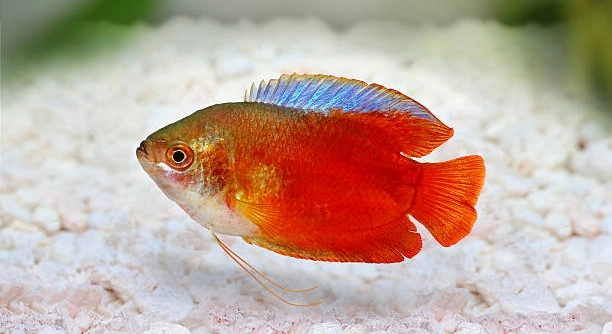
Overheating is a serious concern for gouramis, especially in home aquariums where temperature control can be inconsistent. Observing your fish closely can prevent health issues and ensure a stable, comfortable environment for them to thrive.
Gouramis may overheat due to elevated water temperatures, insufficient aeration, or prolonged exposure to direct sunlight. Signs include rapid gill movement, lethargy, clamped fins, faded coloration, erratic swimming, surface gasping, and loss of appetite, all indicating thermal stress.
Recognizing these signs early is essential for maintaining your gourami’s health and preventing long-term damage in your aquarium environment.
Understanding Gourami Overheating
Gouramis are sensitive to water temperature changes. Even a small increase above their ideal range can cause stress and affect their health. Overheating often happens when tanks are placed near windows, heaters, or in rooms without proper ventilation. High temperatures reduce the amount of dissolved oxygen in the water, making it harder for your fish to breathe. You might notice them staying near the surface, gasping for air, or moving sluggishly. Their vibrant colors may begin to fade, and fins can clump together. Behavioral changes, like sudden darting or hiding, are also common signs. It is important to monitor water temperature daily and maintain it within a safe range, usually between 75°F and 82°F, depending on the species. Regular water changes help regulate temperature and keep your gourami comfortable. Consistent care and observation are key to preventing overheating before it becomes dangerous.
Maintaining a thermometer in the tank is a simple way to ensure consistent temperature.
Early detection allows you to adjust conditions quickly, reducing stress and potential illness.
Common Symptoms of Overheating
Rapid gill movement is often one of the first signs of overheating in gouramis.
Other symptoms include lethargy, clamped fins, faded colors, and erratic swimming. Fish may avoid normal hiding spots or linger at the water surface. Appetite often decreases, and they may stop interacting with tank mates. Over time, prolonged overheating can weaken their immune system, making them more susceptible to disease. Monitoring these behaviors regularly allows you to intervene before serious health problems develop. Simple adjustments like lowering water temperature, increasing aeration, or adding shade can make a significant difference in their well-being. Recognizing subtle changes early is essential, as fish cannot recover quickly from severe thermal stress. Observing daily activity, swimming patterns, and breathing rate provides insight into their comfort level and overall health. Proper filtration, aeration, and placement of the aquarium can prevent future overheating incidents. Addressing overheating promptly helps maintain a stable, healthy environment that supports your gourami’s natural behavior and appearance.
Adjusting Water Temperature
Keeping the tank temperature stable is essential for gourami health. Sudden fluctuations can cause stress, making them more prone to disease. Using a reliable aquarium heater and thermometer ensures the water stays within a safe range, typically between 75°F and 82°F depending on the species.
Gradually lowering the water temperature by a few degrees at a time can help gouramis recover from overheating. Sudden changes can shock their system, leading to more harm. Ensure the water is well-oxygenated during this adjustment. Aeration devices or adding a gentle water flow can support oxygen levels. Monitoring their behavior closely during this period will help you gauge how well they are adapting. Regular temperature checks and small adjustments prevent repeated overheating and create a stable environment. Keeping the tank away from direct sunlight and heat sources further reduces risks.
Using fans or chilled water can be effective, but changes must be gradual. Frequent observation of swimming patterns and gill movement is crucial to ensure recovery. Maintaining clean water conditions and avoiding overcrowding further supports temperature regulation and overall fish health.
Improving Aeration and Circulation
Adequate aeration prevents oxygen depletion, especially in warmer water where oxygen levels drop naturally.
Adding air stones, adjusting filter flow, or installing additional circulation devices can enhance oxygen distribution. Gouramis rely on well-oxygenated water to maintain normal activity and metabolism. Poor circulation can lead to gasping at the surface and reduced energy. Observing their swimming patterns can indicate whether the current setup provides sufficient oxygen. Ensuring that all areas of the tank have gentle water movement helps prevent stagnant zones where oxygen levels might be low. Proper aeration works in tandem with stable temperatures to minimize stress and promote recovery from overheating. Regular maintenance of equipment ensures consistent performance and prevents sudden drops in water quality or oxygen levels. Maintaining a balance between circulation and calm areas allows gouramis to choose comfortable spots, supporting both rest and activity throughout the day.
Providing Shade in the Aquarium
Placing floating plants or decorations can help reduce direct light and heat exposure. Gouramis often seek shaded areas when water temperature rises. Providing multiple shaded spots allows them to move freely and find comfort throughout the tank.
Avoid exposing the tank to direct sunlight or heat sources. Even brief exposure can raise water temperature quickly. Adjusting light schedules or relocating the tank can prevent repeated overheating.
Monitoring Feeding Habits
Overheating can cause gouramis to lose their appetite. Feed smaller portions more frequently to prevent leftover food from polluting the water. Observing feeding patterns helps identify stress before it becomes severe.
Maintaining Clean Water
Regular water changes remove excess heat and pollutants. Keeping the tank clean ensures stable temperature and oxygen levels, supporting your gourami’s recovery and overall health.
Observing Behavior Closely
Watch for unusual swimming, clamped fins, or gasping. Early detection of stress or overheating allows timely intervention, preventing serious health issues.
FAQ
How can I tell if my gourami is overheating?
Gouramis show clear signs when water temperature is too high. Rapid gill movement, lethargy, clamped fins, faded coloration, erratic swimming, and gasping at the surface are common indicators. Appetite loss is another key sign. Observing these behaviors daily can help you respond before serious problems occur.
What is the ideal temperature for gouramis?
Most gourami species thrive between 75°F and 82°F. Staying within this range ensures proper metabolism, activity levels, and immune system function. Sudden deviations above this range can cause stress, while prolonged exposure to high temperatures may weaken their health over time.
How quickly should I lower the water temperature?
Temperature changes should be gradual to avoid shocking your fish. Lowering water by 1–2°F every few hours is safe. Sudden drops can cause more harm than high temperatures alone. Using a thermometer ensures precise adjustments and prevents accidental overcorrection.
Can adding aeration help overheating gouramis?
Yes. Warmer water holds less oxygen, so adding air stones, adjusting filter flow, or using circulation pumps improves oxygen levels. Well-oxygenated water reduces stress and supports normal activity, helping gouramis recover from heat exposure.
Should I feed my gourami differently during hot weather?
Yes. Overheating often reduces appetite. Offer smaller portions and feed more frequently to prevent leftover food from fouling the tank. Observing feeding habits helps monitor stress and adjust care routines accordingly.
Can tank placement affect temperature?
Absolutely. Tanks near windows, heaters, or direct sunlight are prone to overheating. Moving the aquarium away from heat sources and using blinds or curtains can prevent sudden temperature spikes. Floating plants or decorations also provide shaded areas for your gouramis.
Is it safe to use fans or chilled water to cool the tank?
Fans or cool water can help, but changes must be gradual. Rapid cooling can shock your fish, leading to further stress. Combine these methods with proper aeration and observation to ensure recovery without harm.
How often should I check water temperature?
Daily checks are essential, especially during warmer months. Consistent monitoring allows early detection of temperature fluctuations. Using a reliable thermometer and recording readings helps maintain a stable environment.
Can multiple gouramis affect each other during overheating?
Yes. Overcrowding increases stress and reduces oxygen availability. In warm water, this can amplify overheating effects. Ensure adequate space, maintain clean water, and monitor all fish for signs of distress.
What long-term effects can overheating cause?
Prolonged exposure to high temperatures can weaken the immune system, reduce lifespan, and increase susceptibility to disease. Regular temperature control, proper aeration, and attentive care prevent chronic health issues and support overall well-being.
How can I prevent future overheating?
Maintain a stable water temperature, avoid direct sunlight, provide shaded areas, use aeration, and monitor daily behavior. Regular maintenance, proper tank placement, and mindful feeding routines create a consistent environment that minimizes stress.
Are certain gourami species more sensitive to heat?
Yes. Some gouramis tolerate higher temperatures better than others, but all species are affected by prolonged heat. Understanding your specific species’ needs ensures targeted care and reduces the risk of overheating.
When should I consult a professional?
If your gourami shows severe distress, persistent lethargy, or unusual symptoms despite adjustments, seeking advice from a veterinarian or experienced aquarist is recommended. Prompt intervention can prevent irreversible health issues.
Can I use live plants to help regulate temperature?
Yes. Floating or dense plants provide natural shade and reduce water temperature in localized areas. They also support oxygen levels and create hiding spots, giving your gouramis options to escape heat and reduce stress.
How do I balance aeration with calm areas?
Strong water flow can be stressful. Provide gentle currents and calm zones, allowing gouramis to rest while ensuring oxygen distribution. Proper balance prevents overheating effects without causing additional anxiety or exhaustion.
Is water clarity related to temperature stress?
Yes. Poor water quality can exacerbate overheating stress. Warm, stagnant water with excess waste reduces oxygen and increases toxins. Regular water changes and filtration maintain clarity, temperature, and overall health for your gouramis.
Can nighttime temperature drops help?
Slight nighttime drops are natural and generally safe. Avoid extreme fluctuations, and ensure the change is gradual. This mimics natural conditions, supporting metabolism and reducing stress caused by prolonged high temperatures.
How long does it take for a gourami to recover from overheating?
Recovery depends on severity. Mild overheating may see improvements within hours after adjustments, while prolonged stress can take days. Maintaining stable temperature, oxygenation, clean water, and careful observation speeds recovery and prevents relapse.
Should I quarantine an overheated gourami?
Quarantine is not always necessary unless illness develops. However, separating a severely stressed fish can reduce competition for oxygen and food, allowing focused care and monitoring during recovery.
What signs indicate full recovery?
Normal swimming patterns, regained appetite, vibrant colors, clamped fins relaxing, and reduced surface gasping all indicate your gourami has recovered. Continuous observation ensures long-term health and helps prevent repeat overheating incidents.
Final Thoughts
Overheating is a common but preventable issue for gouramis in home aquariums. Temperature fluctuations, poor aeration, and direct exposure to sunlight or heat sources can quickly raise water temperature, causing stress and health problems. Observing your gouramis regularly allows you to detect early signs, such as rapid gill movement, lethargy, clamped fins, faded coloration, erratic swimming, and loss of appetite. These behaviors indicate that the fish are struggling to cope with high temperatures and need intervention. Taking timely action, like adjusting the water temperature, adding aeration, or providing shaded areas, helps reduce stress and supports recovery. Maintaining a stable environment is the best approach to ensure your gouramis remain healthy and active. Regular maintenance of tanks, filters, and temperature control equipment plays a key role in preventing overheating. Small, consistent efforts make a significant difference in creating a comfortable habitat for your fish.
Proper water temperature management is essential for long-term health. Most gouramis thrive in temperatures between 75°F and 82°F, depending on the species. Exceeding this range for prolonged periods can weaken the immune system, reduce energy, and make fish more susceptible to disease. Gradual adjustments are crucial when correcting high temperatures to avoid shocking the fish. Using a reliable thermometer and monitoring daily ensures that changes are precise and controlled. Aeration is equally important, as warmer water holds less oxygen. Adding air stones, adjusting filter flow, and ensuring proper circulation help maintain adequate oxygen levels. Observing feeding habits provides another layer of insight, as decreased appetite often signals heat stress. Providing shaded areas through floating plants or decorations allows gouramis to regulate their exposure and find comfort within the tank. Together, these measures form a comprehensive approach to keeping your gouramis safe and thriving.
Preventing overheating requires consistent attention to tank conditions and fish behavior. Overcrowding, poor water quality, and excessive direct light can all worsen temperature-related stress. Regular water changes, clean filters, and appropriate tank placement contribute to a stable environment. Daily observation allows you to notice subtle changes in swimming patterns, coloration, or activity levels that may indicate heat stress. Simple adjustments like using fans, chilled water, or plant coverage can support recovery and prevent further issues. Each measure, while small, works together to maintain a healthy habitat and minimize risks. Over time, understanding your gouramis’ behavior and environmental needs ensures they remain active, healthy, and vibrant. By paying attention to temperature, oxygen levels, and overall tank maintenance, you provide an environment where your gouramis can thrive without the stress of overheating. Consistency and careful monitoring are key to supporting long-term well-being.

Hello,
If you enjoy the content that we create, please consider saying a "Thank You!" by leaving a tip.
Every little bit helps us continue crafting quality advice that supports the health, happiness, and well-being of pets around the world, for pets of all shapes, sizes, and species.
We really appreciate the kindness and support that you show us!