
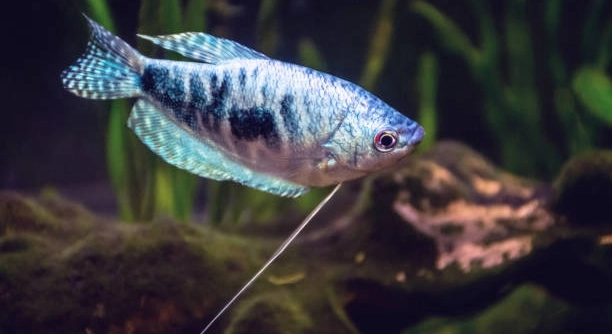
Gouramis are popular aquarium fish known for their peaceful nature and vibrant colors. Observing their behavior can reveal interesting dynamics within your tank. Some gouramis display dominant traits that influence their interactions with others.
Dominance in gouramis is shown through behaviors like territorial guarding, frequent chasing, flaring fins, and controlling feeding spots. These signs indicate a fish asserting control over its environment and tank mates to establish hierarchy and secure resources.
Recognizing these behaviors helps you maintain a balanced aquarium and ensures a healthier environment for all your fish. Understanding dominance can prevent conflicts and promote peaceful coexistence.
How Gouramis Show Dominance
Gouramis often show dominance by establishing and defending a specific area within the tank. This behavior includes chasing away other fish that come too close to their chosen spot. You might notice one gourami spending a lot of time near plants, decorations, or filtration outlets, marking their territory. They also flare their fins to appear larger and more intimidating. This flaring is usually directed at other gouramis or fish that get too close. Dominant gouramis may also be the first to eat during feeding time, often pushing others aside. Watching these actions helps you understand which fish is leading and how it affects the rest of your tank community. Dominance isn’t always aggressive but rather about control and establishing order in their environment.
Dominance signs can vary, but the most common are chasing, fin flaring, and controlling space. These behaviors help identify the dominant gourami clearly.
Recognizing these behaviors early helps avoid stress and injuries among your fish. By observing your gouramis carefully, you can make small adjustments, such as rearranging decorations or providing more hiding spots. This reduces conflicts and keeps peace. Dominant gouramis need room to express their behavior without harming others. With patience and observation, you can balance the tank’s social structure and keep your gouramis happy and healthy.
Why Dominant Behavior Matters
Dominant gouramis impact the tank’s overall harmony and health. If one fish consistently controls resources, others might become stressed or lose appetite. This can lead to weakened immune systems and increased disease risk. Monitoring dominance is essential for preventing these problems.
Understanding dominance helps you make decisions on tank size, decoration placement, and how many fish to keep. If a gourami becomes too aggressive, separating it temporarily might be necessary. Creating multiple hiding spots and spreading feeding areas reduces competition. A well-planned tank allows all fish to thrive without constant stress. Managing dominance ensures a calmer, more balanced environment for every fish in your care.
Chasing and Nipping Behavior
Dominant gouramis often chase other fish around the tank to establish control. This behavior can include quick dashes and light nipping. It’s a way to remind others of their place without causing serious harm.
Chasing is a natural behavior for dominant gouramis, but it can cause stress for other fish. When a gourami constantly chases, weaker or smaller fish may hide more often, reducing their activity and feeding. This can lead to health issues if the stress continues for too long. Watching these interactions helps you understand if the chasing is becoming harmful or just normal social behavior.
Light nipping often accompanies chasing. Dominant gouramis nip at fins or tails to assert authority but usually stop before causing injury. However, if the nipping worsens, it can lead to torn fins or infections. In such cases, rearranging the tank or adding plants for hiding can reduce aggression. Keeping the environment balanced helps lessen chasing and nipping, promoting peace in the tank.
Controlling Feeding Areas
Dominant gouramis usually take over feeding spots and eat first. They may push other fish aside or guard the food aggressively. This behavior ensures they get enough nutrients but can limit others’ access.
Feeding control shows clear dominance, as the fish secures the best food source. Other gouramis might wait until the dominant fish finishes or eat less. This can affect the health of less aggressive fish if they don’t get enough food. Distributing food evenly across the tank and feeding in multiple spots helps balance access for all fish. This method encourages sharing and reduces conflicts during feeding times. Observing feeding behavior is key to maintaining a healthy, fair environment in your aquarium.
Flaring Fins
Flaring fins is a common way gouramis show dominance. The dominant fish spreads its fins wide to appear larger and more threatening. This behavior is usually directed at other gouramis or intruders near its territory.
This display helps avoid physical fights by establishing clear boundaries. When you see a gourami flaring, it’s asserting control without direct aggression. It’s a natural and important part of their social behavior.
Guarding Territory
Dominant gouramis guard specific areas in the tank, often around plants or decorations. They actively chase away other fish that enter their space, protecting their chosen spot from intrusion.
Territory guarding ensures the dominant fish has a safe place for resting, feeding, or breeding. This behavior helps maintain order and reduces constant fighting by clearly defining personal space within the aquarium.
Impact on Tank Mates
Dominant gouramis can cause stress in other fish. Submissive fish may hide more or eat less, which can affect their health over time. Monitoring behavior helps keep the tank balanced and peaceful.
FAQ
How can I tell if my gourami is too dominant?
You can tell a gourami is too dominant if it frequently chases other fish, flares its fins often, and controls feeding areas aggressively. When other fish show signs of stress like hiding a lot or losing appetite, dominance might be too strong. It’s important to watch for repeated aggressive behavior and physical injuries on tank mates.
What should I do if my gourami is stressing out other fish?
If your gourami’s dominance causes stress, try rearranging the tank decorations to break up sight lines and reduce territorial disputes. Adding plants and hiding spots can give submissive fish places to retreat. Feeding in multiple areas also helps avoid competition. In extreme cases, consider separating the aggressive fish temporarily.
Is dominant behavior normal for all gouramis?
Yes, some level of dominance is normal. Gouramis naturally establish social hierarchies to reduce constant fighting. However, the intensity varies by individual and tank setup. A well-planned tank with enough space and hiding spots usually keeps dominance in check and prevents serious problems.
Can dominant gouramis harm others physically?
While dominance often involves chasing and fin flaring, serious physical harm is rare if the tank is set up properly. Light nipping might occur, but it usually doesn’t cause wounds. If injuries happen, it often means the tank is overcrowded or lacking enough territory, which should be fixed immediately.
How much space do gouramis need to prevent dominance issues?
Gouramis need enough space to establish territories without constant conflict. A general rule is at least 20 gallons for one gourami, plus an extra 10 gallons for each additional fish. Bigger tanks give fish room to avoid each other and reduce aggressive encounters.
Does the gender of gouramis affect dominance?
Male gouramis tend to be more dominant and territorial than females, especially during breeding seasons. Males may flare fins and guard territories aggressively. Females usually show less aggressive dominance but can still establish hierarchy within groups.
Can adding more gouramis reduce dominance behavior?
Adding more gouramis can sometimes help by spreading out aggression and creating a social balance. However, overcrowding can make dominance worse. It’s important to keep the tank size appropriate and provide enough hiding spots. Adding other peaceful species can also help distract a dominant gourami.
What signs show a submissive fish in a tank with a dominant gourami?
Submissive fish often avoid the dominant gourami’s territory and hide frequently. They may swim less actively and wait until the dominant fish finishes eating. Loss of color or fin damage can also indicate stress. Monitoring these signs helps you act before serious health issues develop.
Can diet affect gourami dominance?
Diet doesn’t directly cause dominance, but feeding well-balanced meals supports overall health and reduces stress. When fish are hungry or competing for food, aggressive behavior can increase. Feeding small amounts frequently and scattering food helps all fish get enough nutrition.
Is it necessary to separate a dominant gourami?
Separation is only necessary if aggression leads to injury or extreme stress in other fish. Most of the time, managing tank setup and feeding routines can reduce problems. If separation is needed, use a quarantine tank or divider to keep the fish safe while you adjust the environment.
Final Thoughts
Understanding gourami dominance is important for maintaining a peaceful and healthy aquarium. Dominant behavior is natural for gouramis, as they establish social order by protecting territories, controlling feeding spots, and showing off with fin flaring. Recognizing these behaviors helps you see which fish leads and how it affects the group. It’s not about one fish being “bad,” but about natural interactions that keep the tank’s balance. Knowing the signs lets you act early before stress or injury happens.
Managing dominance involves creating a tank environment that meets the needs of all your fish. Providing enough space and hiding places helps reduce conflicts. When fish can find shelter and avoid direct confrontations, the tank stays calmer. Feeding in multiple spots also helps, so dominant gouramis don’t block others from eating. Small changes like rearranging decorations or adding plants can make a big difference. The goal is to support both dominant and submissive fish, so all can thrive peacefully.
If you notice aggressive behavior becoming a problem, don’t hesitate to make adjustments. Sometimes, separating a very dominant fish for a while is necessary to protect others. Monitoring your gouramis closely and understanding their behavior helps prevent long-term problems. With attention and care, you can keep your aquarium balanced and enjoyable for every fish. Remember, gouramis show dominance because it’s part of their nature, and your role is to manage their environment to keep everyone safe and comfortable.

Hello,
If you enjoy the content that we create, please consider saying a "Thank You!" by leaving a tip.
Every little bit helps us continue crafting quality advice that supports the health, happiness, and well-being of pets around the world, for pets of all shapes, sizes, and species.
We really appreciate the kindness and support that you show us!