
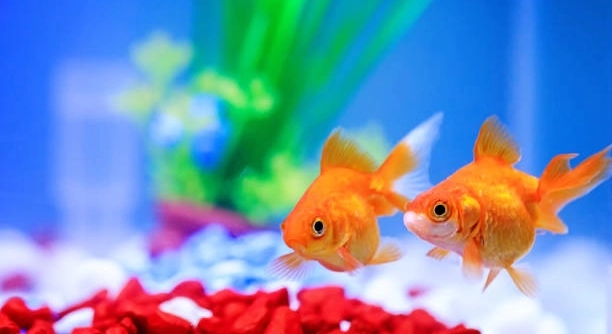
Goldfish are known for their bright colors and calm nature, making them a popular pet. However, there are signs to watch for that indicate your goldfish may not be as healthy as it should be.
The main signs of an unhealthy goldfish include faded colors, sluggish movement, loss of appetite, and visible body changes such as sores or bloating. Early identification of these symptoms can prevent more serious health issues.
Addressing these signs promptly can improve your goldfish’s quality of life and prevent further complications.
Faded Colors and Lack of Vibrancy
One of the first signs that your goldfish may be unhealthy is the loss of color. Healthy goldfish should have bright and vibrant scales. If your goldfish is turning pale, it could indicate a number of problems, including poor water quality, stress, or a nutritional imbalance. A drop in color is often a sign that something is wrong with its environment or diet. If the water in the tank is not properly maintained, or if the fish isn’t getting the right nutrients, it can lead to a noticeable loss of vibrancy. Ensure the water is clean, the tank temperature is stable, and your fish is receiving a balanced diet with high-quality flakes or pellets.
A sudden change in color can also be linked to the presence of parasites or other illnesses. In some cases, it could even be due to the fish’s age.
Consistently monitor your goldfish’s water quality and food intake. This helps prevent unnecessary stress that could lead to color fading. Regular water changes and providing a diverse diet are important for maintaining its health.
Slow Movement or Lethargy
Goldfish are typically active swimmers, and a lack of movement can signal an issue. If your goldfish is not swimming around as usual or seems to be floating in one spot, there may be an underlying health problem.
A goldfish’s sluggish behavior could indicate poor water conditions, parasites, or stress. In some cases, it might be linked to improper tank size or temperature fluctuations.
Make sure the tank environment is stable and conducive to the goldfish’s natural behavior. When a goldfish isn’t swimming around, it’s often a clear sign that it’s not feeling well.
Loss of Appetite
If your goldfish isn’t eating as much as it used to, it could be a sign that something is wrong. This could happen for a variety of reasons such as stress, illness, or water problems. When a goldfish refuses food, it’s important to address the issue quickly.
Stress from overcrowded tanks or sudden temperature changes can affect a fish’s appetite. Illnesses such as internal parasites or infections can also cause a lack of interest in food.
It’s important to maintain a consistent feeding schedule and provide fresh, high-quality food. If the behavior persists, check the water quality and make sure there are no issues with the tank.
Visible Body Changes
Changes in your goldfish’s body should not be ignored. Sores, swelling, or abnormal growths can signal an infection or a serious health condition. These visible body changes can occur for several reasons, including bacterial infections, parasitic infestations, or even poor water conditions.
If you notice your goldfish’s scales appear raised or its body is bloated, immediate action should be taken. Often, such signs are linked to poor water filtration, overfeeding, or a lack of proper tank maintenance. It’s crucial to check the water quality and ensure your goldfish is housed in a clean and stable environment.
In some cases, body changes might require a visit to a vet specializing in aquatic animals. Keeping the tank clean, doing regular water changes, and monitoring the fish closely are key to preventing further health issues.
Bloating or Swelling
Bloating is a clear sign that something is wrong with your goldfish. If it appears swollen or its belly looks abnormally large, this could be a symptom of internal problems, such as constipation, overfeeding, or an infection.
If bloating continues, it may be linked to a condition called dropsy, which is often fatal if left untreated. This is commonly caused by poor water conditions or bacterial infections.
Immediate changes in feeding habits, water quality, and temperature are essential. Be mindful of the amount of food given to prevent constipation, and always clean the tank regularly to avoid the buildup of harmful toxins.
Difficulty Breathing
If your goldfish is struggling to breathe, it could be a sign of poor water quality or an underlying health issue. When fish breathe rapidly or spend more time near the water surface, they are usually trying to get more oxygen.
Poor filtration, high ammonia levels, or a lack of oxygen in the water can cause these problems. Regular water testing, ensuring proper filtration, and avoiding overcrowding can help maintain healthy water conditions.
If you notice this issue, check your filtration system and test for ammonia, nitrate, and nitrite levels to ensure the water is safe for your goldfish.
Abnormal Fins or Tail
Changes in the appearance of your goldfish’s fins and tail can indicate an infection, injury, or parasites. If the fins appear ragged or clamped, it may be a sign of stress or illness.
Fish suffering from fin rot often display these symptoms. It’s essential to examine the water quality and treat the goldfish with appropriate medication if needed.
FAQ
What are the most common signs of an unhealthy goldfish?
The most common signs include faded colors, lack of appetite, sluggish movement, bloating, abnormal body changes, and difficulty breathing. These signs suggest that your goldfish may be dealing with water quality issues, stress, or an underlying health problem. Addressing these symptoms quickly is crucial to ensure your goldfish remains healthy.
How often should I change the water in my goldfish tank?
Water changes should be done at least once a week. The frequency of water changes depends on the size of the tank, the number of fish, and the filtration system. A 10-20% water change weekly is typically enough to maintain water quality and remove waste. Larger tanks or overstocked aquariums may require more frequent changes. Regular water testing can help determine the ideal schedule for your tank.
What should I feed my goldfish?
Goldfish should be fed a balanced diet of high-quality flakes or pellets. Supplement their diet with occasional live or frozen foods, such as brine shrimp or daphnia. Overfeeding can lead to obesity and water quality issues. Feed your goldfish small amounts two to three times a day, ensuring they consume the food within a few minutes.
Can goldfish survive in dirty water?
Goldfish are hardy, but they cannot survive in dirty water for long. Poor water quality can lead to stress, diseases, and even death. Regular water changes and proper filtration are essential for maintaining a clean environment. Test the water for ammonia, nitrites, and nitrates, and adjust the tank maintenance routine accordingly.
What causes goldfish to lose their color?
Loss of color in goldfish can be caused by stress, poor water quality, lack of proper nutrition, or illness. Stress from overcrowding or sudden temperature changes can cause goldfish to lose their vibrant colors. A balanced diet with essential nutrients, such as carotenoids, can also help maintain their natural hue.
How do I treat a goldfish with bloating?
Bloating in goldfish is often caused by constipation, overfeeding, or an infection. Start by reducing the amount of food given and ensure that your goldfish isn’t overeating. You can also offer peas (peeled and cooked) to help with constipation. If the bloating persists, check the water quality and consult a veterinarian if necessary.
Why is my goldfish swimming sideways or upside down?
If your goldfish is swimming sideways or upside down, it could have swim bladder disease. This condition affects the fish’s buoyancy and can be caused by overfeeding, constipation, or an injury. Reduce the amount of food and offer a fasting period for a few days. If symptoms continue, consult a veterinarian.
Is it safe to keep goldfish with other fish?
Goldfish can live with other fish, but it’s essential to choose compatible species. Avoid keeping them with aggressive or small fish that might nip at their fins. It’s best to house goldfish with other peaceful species that thrive in similar water conditions, such as minnows or white clouds.
Can goldfish live without a filter?
Goldfish can survive without a filter for a short period, but it is not recommended. Without proper filtration, waste will build up quickly, leading to poor water quality and health issues. If you don’t have a filter, frequent water changes are necessary to maintain a clean environment.
How do I know if my goldfish is stressed?
Signs of stress in goldfish include erratic swimming, hiding, faded colors, loss of appetite, or clamped fins. Stress can be caused by overcrowding, poor water quality, or abrupt environmental changes. Monitoring water quality, temperature, and the number of fish in the tank can help reduce stress.
Can goldfish get diseases from other fish?
Yes, goldfish can catch diseases from other fish, especially if the other fish are carriers of bacteria, parasites, or viruses. To prevent disease transmission, quarantine new fish for a few weeks before introducing them to your goldfish tank. Regularly clean the tank and maintain water quality to minimize the risk of infection.
What temperature should the water in my goldfish tank be?
Goldfish prefer a water temperature between 65-75°F (18-24°C). Water temperatures above or below this range can cause stress and impact their health. Goldfish are cold-water fish, but they should still be kept in a stable temperature. Avoid sudden temperature fluctuations to prevent shock.
Why is my goldfish staying at the bottom of the tank?
If your goldfish is staying at the bottom of the tank, it could be a sign of illness, poor water quality, or low oxygen levels. Check the water parameters and ensure proper filtration. If the fish shows other signs of illness, such as lethargy or loss of appetite, seek medical advice from a vet.
Final Thoughts
Goldfish are resilient creatures, but they require the right care to stay healthy and happy. Regular water changes, proper filtration, and a balanced diet are essential for maintaining their well-being. Observing their behavior and physical condition can help you identify potential problems early, which increases the chances of a positive outcome. A clean tank, correct water parameters, and avoiding overfeeding can prevent many of the common health issues goldfish face.
When a goldfish shows signs of distress or illness, it is important to act quickly. Symptoms such as changes in appetite, difficulty breathing, or abnormal body changes often indicate an underlying problem. Monitoring the tank’s water quality and ensuring the fish is not stressed by factors such as overcrowding or temperature fluctuations can help avoid many issues. If necessary, consulting a vet who specializes in aquatic animals can provide further guidance on treatment options.
By providing the right care and attention, you can help your goldfish thrive in its environment. While occasional health concerns are normal, being proactive in maintaining water quality, feeding habits, and tank conditions can reduce the risk of serious issues. With proper attention, your goldfish can live a long and healthy life, bringing joy to your home for years to come.

Hello,
If you enjoy the content that we create, please consider saying a "Thank You!" by leaving a tip.
Every little bit helps us continue crafting quality advice that supports the health, happiness, and well-being of pets around the world, for pets of all shapes, sizes, and species.
We really appreciate the kindness and support that you show us!