
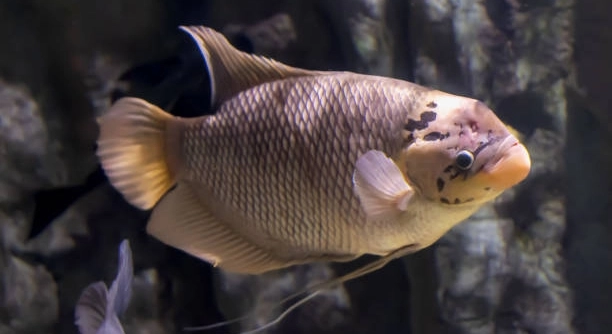
Have you ever noticed your giant gourami swimming in circles or lingering at the bottom of the tank? Observing their behavior can reveal subtle hints about their well-being and mental stimulation. Understanding these signs is essential for attentive care.
Giant gouramis exhibit boredom through repetitive swimming, lack of interest in food, hiding, or sudden aggression. Environmental enrichment, varied diet, and interactive elements can significantly improve their mental engagement and overall health in captivity.
Recognizing these behaviors early ensures your fish remains active and content, while simple adjustments can transform their daily environment for the better.
Signs of Repetitive Swimming
Giant gouramis often swim in circles or along the edges of the tank when they are bored. This repetitive movement can indicate a lack of mental stimulation or an environment that feels too empty. Over time, this behavior may become more pronounced, with the fish returning to the same path repeatedly. Observing their patterns closely helps identify boredom before it escalates into stress or health problems. Adding objects like plants, rocks, or hiding spots can break the monotony and encourage natural exploration. Simple changes, such as rearranging decorations, can make the tank feel new and engaging for your gourami.
Repetitive swimming is usually a sign that your gourami needs more stimulation and interaction in its environment.
Introducing varied elements like floating plants, tunnels, or mirrors can help redirect their attention and reduce repetitive behaviors. These additions mimic natural habitats and promote curiosity. Over time, you may notice more diverse swimming patterns, playful exploration, and a general increase in activity. Creating a stimulating environment not only helps your gourami avoid boredom but also supports better physical and mental health. Watching them interact with new objects can be satisfying, as they gradually become more active and engaged. This also reduces stress-related behaviors and encourages natural instincts, making tank life healthier and more dynamic.
Lack of Interest in Food
A bored giant gourami may eat less or show little excitement for feeding times.
When your fish starts ignoring food, it can be an indication that the environment is under-stimulating. Regular feeding alone isn’t enough; variety is important. Offering different types of food like pellets, vegetables, and occasional live treats can spark interest and keep them engaged. Boredom can reduce appetite, which over time can impact their health. Feeding them in different areas of the tank or hiding portions encourages natural foraging behavior. Observing how they respond to new foods helps gauge their mental engagement. It also gives insight into whether their tank environment meets their needs for exploration and stimulation, ultimately keeping them healthier and more active over time.
Hiding More Than Usual
When your giant gourami hides frequently, it often signals boredom or stress. They may retreat behind decorations or stay near the tank bottom, avoiding open areas.
Frequent hiding can indicate that your fish feels under-stimulated or anxious in its environment. A lack of interaction or enrichment makes the tank feel dull, prompting them to seek comfort in secluded areas. Rearranging the tank layout or adding plants and caves can provide both security and interest. Hiding is a natural behavior, but when it becomes constant, it shows that mental engagement is missing. Observing these patterns can help you identify the best ways to improve their daily environment.
Encouraging exploration through enrichment is essential. Adding varied objects, floating plants, or interactive toys can reduce hiding behavior. Even small changes, like rotating decorations or introducing new textures, help your gourami feel curious again. Over time, they start venturing out more often, swimming freely, and interacting with the tank in ways that show increased mental stimulation. Active engagement not only reduces hiding but also promotes better health and a calmer temperament overall. Watching them gradually explore more creates a noticeable difference in their daily routine.
Aggression and Irritability
Boredom can make a giant gourami more aggressive toward tank mates or even its reflection.
Aggression often emerges when a fish lacks sufficient stimulation. When the environment is too empty, they may act out, chasing other fish or nipping at decorations. Regular enrichment, varied feeding methods, and tank rearrangements help redirect this energy. Providing hiding spots for all tank inhabitants reduces tension and keeps interactions safer.
Addressing irritability requires consistent mental engagement. Incorporating new objects, rearranging the tank, or introducing floating plants encourages natural behaviors and reduces stress-driven aggression. Structured feeding, such as scattering food or offering different types of treats, helps focus attention on foraging rather than conflict. Over time, these strategies lower aggression levels and create a calmer, more balanced tank environment. Monitoring behavior closely ensures adjustments are effective, keeping both your gourami and other fish healthy. A more stimulating habitat not only improves mood but also supports overall activity and curiosity.
Lethargy and Slow Movement
A bored giant gourami often moves slowly or rests for long periods. Lack of stimulation can reduce overall activity, making them appear sluggish.
Consistently low energy is a clear sign of mental under-stimulation. Providing varied tank decorations, interactive toys, or occasional live food can encourage movement and curiosity.
Loss of Color
Gouramis may lose their vibrant colors when bored. Dull coloration reflects low engagement and stress.
Environmental enrichment, including plants, hiding spots, and new textures, helps restore activity and vibrancy in their appearance. Regular interaction and varied feeding can gradually bring back their natural colors.
Ignoring Companions
When your giant gourami shows no interest in other fish, it may be bored. They may avoid interaction, preferring solitude.
Creating a more stimulating tank with hiding spots, varied decorations, and interactive feeding encourages social behavior. Even simple changes help them re-engage with companions.
How can I tell if my giant gourami is bored?
A giant gourami shows boredom through changes in behavior and activity. Repetitive swimming, hiding excessively, or avoiding interaction with tank mates are common signs. They may also show little interest in food or become unusually aggressive. Observing patterns over several days helps distinguish boredom from temporary stress.
What are the best ways to keep my giant gourami entertained?
Providing environmental enrichment is key. Add plants, rocks, caves, or floating decorations to create variety in their tank. Rearranging decorations occasionally keeps the environment new and engaging. Introducing objects that encourage exploration or hiding can simulate natural behaviors. Some owners use mirrors or floating toys to spark curiosity, but these should be monitored to avoid overstimulation. Encouraging movement with scattered feeding or different types of food also keeps them active. Regular changes in the tank layout and the types of enrichment offered prevent boredom from settling in and improve mental well-being.
How often should I change or rearrange the tank decorations?
It’s helpful to rearrange the tank every few weeks. This keeps the environment stimulating and prevents your gourami from becoming too accustomed to a fixed layout. Small adjustments, like moving rocks, plants, or hiding spots, can make a big difference. Sudden large changes should be avoided, as they can cause stress. Gradual changes encourage exploration and curiosity without overwhelming the fish. Observing their reactions helps determine the right frequency for rearrangement. If they respond actively to new setups, you’re providing sufficient mental stimulation.
Can diet help prevent boredom in giant gouramis?
Yes, offering a varied diet can reduce boredom. Feeding only one type of food may cause them to lose interest. Mixing pellets, vegetables, and occasional live treats mimics natural foraging behaviors. Scattering food or hiding portions encourages active searching, which stimulates both body and mind. Rotating food types and feeding locations can create enrichment during mealtime, promoting engagement and curiosity. Paying attention to their preferences and reactions helps tailor a diet that keeps them mentally and physically active.
Is it normal for a bored gourami to be aggressive?
Aggression can appear when a giant gourami is bored or under-stimulated. They may chase tank mates or attack reflections, especially if their energy is not redirected. Providing hiding spots, enrichment, and interactive feeding reduces tension. Observing interactions closely ensures safety for all fish. Gradual introduction of toys or rearranged decorations can focus their energy on exploration rather than conflict. Consistent engagement helps prevent aggression and maintains a calmer tank environment.
How long does it take for a bored gourami to show improvement?
Improvement depends on the level of boredom and the enrichment provided. Some gouramis may respond within days to changes, while others take weeks. Consistency is important. Adding varied toys, decorations, and food gradually allows them to explore safely. Tracking behavior over time helps identify which changes are most effective. Small, regular adjustments keep them curious and active, gradually restoring normal behavior patterns. Patience and observation ensure they remain engaged and mentally stimulated for the long term.
Can multiple gouramis in a tank prevent boredom?
Having multiple gouramis can help, but it depends on the tank size and personalities. Too many fish in a small space can create stress, while well-spaced companions may encourage social interaction and play. Enrichment is still necessary, as even social gouramis need objects, hiding spots, and varied feeding to stay engaged. Observing their interactions ensures the group dynamic is positive. Providing both social and environmental stimulation offers the most effective way to reduce boredom and encourage healthy, active behavior.
Are there signs of boredom that mimic illness?
Yes, some behaviors like lethargy, loss of appetite, or dull coloration can resemble illness. It’s important to rule out health problems first. Regular water checks, proper diet, and observation of other symptoms help distinguish boredom from sickness. Once illness is ruled out, enrichment strategies can be implemented to address boredom. Keeping detailed notes on behavior and environment changes makes it easier to spot patterns and respond appropriately, ensuring the gourami’s health and mental well-being are maintained.
How important is tank size in preventing boredom?
Tank size plays a critical role. A small or overcrowded tank limits swimming space and reduces opportunities for exploration. Providing ample room for movement, combined with decorations and hiding spots, helps maintain engagement. A larger, well-structured tank encourages natural behavior, exploration, and interaction with enrichment. Observing how your gourami moves and interacts with the environment helps determine whether the tank is sufficient for their mental stimulation and physical activity.
Can I use toys to prevent boredom?
Yes, toys can be beneficial if used correctly. Floating objects, mirrors, or interactive items encourage curiosity. They should be safe, non-toxic, and regularly rotated to maintain interest. Toys mimic natural stimuli, providing both physical and mental exercise. Monitoring reactions ensures they remain engaging without causing stress. Combining toys with other enrichment, like plants, hiding spots, and varied feeding, provides a balanced approach to preventing boredom and promoting well-being.
Taking care of a giant gourami requires more than just keeping the water clean and feeding them regularly. Like all intelligent fish, they need mental stimulation to stay healthy and happy. Boredom can affect their behavior, appetite, and overall well-being. It often shows through repetitive swimming, hiding, aggression, or a lack of interest in food. These behaviors are not just annoying; they are signs that your fish’s environment is not engaging enough. Recognizing these signs early allows you to make changes before boredom leads to stress or health problems. Even small adjustments, like rearranging decorations or adding hiding spots, can make a big difference in how your gourami interacts with its tank.
Creating a stimulating environment for your gourami does not have to be complicated. Simple additions like floating plants, tunnels, or rocks provide places to explore and hide, which mimics natural conditions. Changing the tank layout every few weeks keeps the environment interesting and encourages curiosity. Even feeding methods can be turned into enrichment. Offering a mix of pellets, vegetables, and occasional live treats, and scattering them throughout the tank, encourages natural foraging behavior. These small efforts help prevent boredom and improve both physical and mental health. Active, engaged fish are more likely to display vibrant colors, swim with energy, and interact more with their surroundings, which makes observing them more rewarding.
Consistency is key when addressing boredom in giant gouramis. Regular observation of their behavior allows you to notice changes that indicate a need for enrichment. Combining environmental adjustments with varied diet and interactive elements ensures your fish remain curious and engaged. Social interactions can help, but they should be balanced with sufficient space and hiding areas to prevent stress or aggression. Over time, a well-structured, stimulating tank helps your gourami thrive, both mentally and physically. By paying attention to their needs and making small, thoughtful changes, you can create an environment that promotes long-term well-being and a happier, more active fish.

Hello,
If you enjoy the content that we create, please consider saying a "Thank You!" by leaving a tip.
Every little bit helps us continue crafting quality advice that supports the health, happiness, and well-being of pets around the world, for pets of all shapes, sizes, and species.
We really appreciate the kindness and support that you show us!