
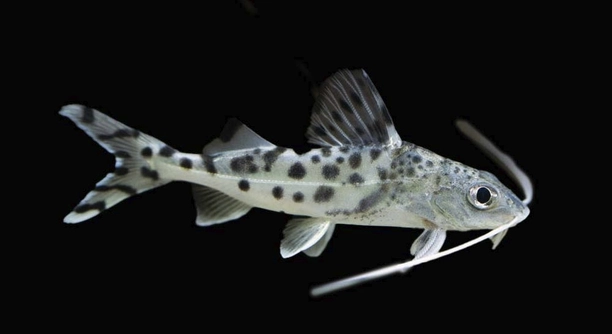
Are your aquarium filters causing problems for your pictus catfish? Many hobbyists face challenges when their filters are not suitable for these delicate fish. Recognizing the right setup can improve the health and comfort of your pictus.
Pictus catfish require gentle water flow and minimal suction to avoid stress or injury. Filters that are too strong or poorly designed can damage their fins, disrupt their environment, and lead to health issues. Identifying signs of incompatibility helps maintain a safe habitat.
Knowing these signs is essential to protect your pictus catfish. The following points will help you understand common problems and improve your aquarium’s filtration system.
Strong Water Flow
Pictus catfish prefer calm water conditions. When your filter creates a strong current, it can tire them out and cause stress. These fish have long fins that can get damaged if they constantly fight against fast-moving water. Filters with high flow rates may also disrupt their ability to find food and rest comfortably in the tank. Adjusting the flow to a gentler level allows pictus catfish to swim naturally and maintain their health. Adding plants or decorations can help slow water movement, creating safe zones where the fish feel secure. Monitoring the water flow regularly prevents long-term harm and keeps the environment balanced.
A filter producing strong water flow is not suitable for pictus catfish. It can cause physical damage and affect their behavior negatively.
Reducing water flow is a simple fix. Many filters allow adjustment of flow rate. If yours doesn’t, adding a spray bar or sponge pre-filter can soften the current. Observing your pictus catfish’s behavior is key. If they hide frequently or seem exhausted, water flow may be the issue. Maintaining calm water helps these fish thrive and reduces stress-related illnesses.
Filter Intake Safety
Filters with large or unprotected intakes pose risks to pictus catfish. These fish can get caught or injured if the intake suction is too strong or exposed. It is important to use pre-filters or guards to prevent accidental trapping. A safe intake design ensures your pictus catfish can swim freely without fear of injury. Many aquarists overlook this detail, leading to avoidable harm. Choosing filters designed with gentle intake mechanisms or modifying existing ones with covers improves safety. Regularly checking the intake area for debris and damage is also necessary to maintain proper function and prevent blockages. Proper intake safety protects your fish and reduces stress caused by accidents or sudden strong suction.
Noise and Vibration
Excessive noise and vibration from filters can disturb pictus catfish. These fish are sensitive to environmental changes and may become stressed if their tank equipment is loud or creates vibrations. Stress can weaken their immune system, making them prone to disease. Using quieter filters or placing the tank on a vibration-absorbing surface can reduce these disturbances. Proper maintenance like cleaning filter parts and replacing worn components also helps minimize noise. A calm environment promotes natural behavior and overall well-being. Monitoring the tank for unexpected noises is a simple way to ensure your pictus catfish stay comfortable and healthy in their habitat.
Excessive Filter Debris
Filters that release too much debris back into the tank can harm pictus catfish. These particles irritate their sensitive skin and fins, causing discomfort or infections.
Excess debris often comes from poor filter maintenance or inadequate filtration. When the filter media is clogged or dirty, it loses efficiency and releases trapped waste. This can cloud the water and reduce oxygen levels, which negatively affects pictus catfish. Cleaning or replacing filter media regularly prevents debris buildup and keeps water quality high. Using fine mechanical filtration media also helps trap smaller particles more effectively. Monitoring water clarity and fish behavior will alert you if debris is becoming a problem.
Debris buildup can also affect biological filtration. Waste particles reduce beneficial bacteria’s ability to process toxins like ammonia and nitrites. Keeping the filter clean ensures these bacteria thrive, maintaining a healthy environment for pictus catfish. Proper filtration supports their immune system and overall well-being.
Inadequate Oxygenation
A filter that fails to properly oxygenate the water creates an unhealthy environment for pictus catfish. These fish require well-oxygenated water to stay active and healthy.
Oxygen levels drop when filters do not circulate water well or when air exchange at the surface is limited. This can lead to lethargy and stress in pictus catfish. Adding an air stone or adjusting the filter output to disturb the water surface improves oxygen levels. Regular water changes also help maintain dissolved oxygen. Monitoring oxygen with a test kit can prevent unnoticed drops. Proper oxygenation supports respiration and overall vitality, ensuring your pictus catfish thrive in their habitat.
Filter Size Mismatch
A filter that is too large or too small can cause problems for pictus catfish. Both extremes affect water quality and fish comfort.
An oversized filter may create strong currents, while an undersized one struggles to keep the water clean. Choosing a filter that matches your tank size is essential for a balanced environment.
Sharp or Rough Filter Parts
Filters with sharp or rough edges can injure pictus catfish. These fish have delicate fins that tear easily if they come into contact with unsafe surfaces.
Inspecting your filter and smoothing or covering rough parts prevents accidental cuts. Protecting your fish from injury helps maintain their health and appearance.
Improper Filter Placement
Placing the filter incorrectly impacts water circulation and fish safety. Filters placed near hiding spots or resting areas can disturb pictus catfish.
Position the filter outlet and intake to encourage gentle water flow throughout the tank. Proper placement creates a comfortable and healthy habitat for your fish.
FAQ
What kind of filter is best for pictus catfish?
Pictus catfish do best with filters that provide gentle water flow and strong mechanical and biological filtration. Canister filters with adjustable flow or sponge filters are good options. These filters avoid strong currents while maintaining clean, oxygen-rich water, which suits pictus catfish’s delicate nature.
How can I reduce strong water flow in my aquarium?
If your filter creates a strong current, try adjusting the flow rate if possible. Adding a spray bar or sponge pre-filter can diffuse the water movement. Positioning plants, decorations, or rocks near the filter outlet can also break the flow and create calmer areas for the fish.
Why do pictus catfish hide when my filter is on?
Strong currents, noise, or vibrations from the filter may stress pictus catfish. They seek calm, quiet areas to feel safe. Checking for excessive flow, noise levels, and adjusting filter placement or settings can help reduce their hiding behavior.
Can filter intake hurt pictus catfish?
Yes, if the intake has strong suction or lacks protection, pictus catfish can get caught or injured. Use intake guards or sponge covers to reduce suction risk and prevent accidental harm.
How often should I clean my filter for pictus catfish?
Regular maintenance is essential. Cleaning mechanical filter media every 2 to 4 weeks prevents debris buildup without removing beneficial bacteria. Biological media should be cleaned gently and less frequently to preserve helpful bacteria colonies.
What are signs my filter is harming my pictus catfish?
Watch for torn fins, constant hiding, erratic swimming, or lethargy. Cloudy water, debris buildup, or strong current inside the tank also indicate filter issues that may stress or harm your fish.
Is filter noise a problem for pictus catfish?
Yes, loud or vibrating filters cause stress, affecting fish health. Using quieter filters, placing the tank on vibration-absorbing pads, and routine filter maintenance can reduce noise.
How do I improve oxygenation with my filter?
Ensure the filter outlet disturbs the water surface to increase gas exchange. Adding an air stone or adjusting filter position can boost oxygen levels. Regular water changes also help maintain oxygen balance.
What filter size should I choose for my tank?
Select a filter rated for your tank size. Too large filters create strong currents; too small ones fail to keep water clean. Aim for a filter that turns over the tank volume 4 to 6 times per hour, balanced with flow control options.
Can improper filter placement affect my pictus catfish?
Yes, placing the filter where it creates strong currents near resting or hiding spots stresses the fish. Position filters to distribute gentle flow evenly and avoid areas where pictus catfish prefer to rest.
What type of filter media is safest for pictus catfish?
Fine mechanical media like sponge or floss traps small debris without harming fish. Biological media like ceramic rings supports beneficial bacteria. Avoid sharp or rough media that could damage delicate fins.
How can I protect pictus catfish from filter injuries?
Cover exposed filter parts with sponge or mesh guards. Regularly inspect equipment for sharp edges or broken components. Providing plenty of hiding spots reduces accidental contact with filters.
Are there filters to avoid for pictus catfish?
Filters with strong suction intakes, high flow rates without adjustment, or loud motors are less suitable. Avoid internal filters that produce intense currents or lack intake protection.
Can poor filtration cause disease in pictus catfish?
Yes, inadequate filtration leads to toxin buildup and poor water quality, weakening fish immunity. Proper filtration supports health by removing waste and maintaining stable conditions.
What maintenance steps keep filters pictus-friendly?
Clean mechanical media regularly, replace worn parts, monitor flow rates, and check for noise or vibration. Inspect intake guards and reposition the filter if needed to maintain a gentle, safe environment.
How do I know if my pictus catfish are stressed by the filter?
Signs include clamped fins, reduced activity, hiding more than usual, or erratic swimming. Improving filter conditions often helps fish return to normal behavior.
When caring for pictus catfish, choosing the right filter is essential. A filter that matches their needs supports their health and well-being. Filters that produce strong water flow, loud noises, or unsafe intakes can cause stress and injury. It is important to pay attention to how your pictus catfish respond to their environment. Adjusting the filter’s flow rate, adding guards, or relocating the filter can make a big difference. Clean and well-maintained filters also help keep the water clear and healthy, reducing the risk of disease. By providing a gentle and safe filtration system, you create a comfortable space where your pictus catfish can thrive.
Filters are not one-size-fits-all, especially for delicate species like pictus catfish. While some filters work well for other fish, pictus require specific conditions. Their long fins and active swimming style mean that high water flow and strong suction can be harmful. Taking the time to find or modify a filter to suit these needs prevents common problems such as fin damage or constant stress. Monitoring the tank regularly helps identify any signs of trouble early. This allows quick action before issues become serious. Investing effort in creating a pictus-friendly filter environment improves their lifespan and quality of life.
Overall, filter choice and maintenance play a crucial role in keeping pictus catfish healthy. Avoiding strong currents, ensuring proper oxygenation, and protecting the fish from injuries caused by filter parts are key considerations. Regular filter care maintains water quality and supports beneficial bacteria that break down waste. These steps reduce harmful toxins and promote a stable aquarium environment. Keeping your pictus catfish safe and comfortable is a rewarding part of fishkeeping. Understanding these basic needs guides you in making smart decisions about your aquarium setup. The right filter can be a quiet guardian, quietly supporting the health of your pictus catfish every day.

Hello,
If you enjoy the content that we create, please consider saying a "Thank You!" by leaving a tip.
Every little bit helps us continue crafting quality advice that supports the health, happiness, and well-being of pets around the world, for pets of all shapes, sizes, and species.
We really appreciate the kindness and support that you show us!