
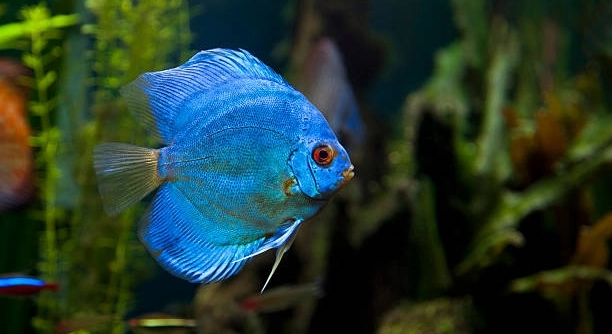
Are your discus fish struggling in their tank despite regular care and maintenance? Sometimes, the water flow might be the hidden factor affecting their health and comfort. Knowing the right flow level is important for keeping discus happy and healthy.
Excessive water flow in a discus tank can cause stress, reduce swimming control, and interfere with natural behavior. High flow rates may also disrupt the tank’s balance, leading to poor water quality and potential health problems for the fish.
Recognizing the signs of too much flow will help you create a calmer environment. This article outlines seven clear indicators to watch for in your discus tank.
Uneasy Fish Behavior
When discus experience too much water flow, their swimming can become erratic and difficult to control. They may struggle to maintain their position in the tank or constantly fight against the current. This behavior often causes visible stress, with fish appearing restless or hiding more than usual. Excessive flow also interferes with their natural movements, which can lead to long-term health issues. Discus prefer calm waters similar to their natural Amazon habitats, so strong currents are uncomfortable for them. Over time, this stress can weaken their immune systems and increase susceptibility to disease. Monitoring your fish’s behavior closely helps detect problems early and allows you to adjust tank conditions for their comfort and well-being.
Fish that consistently struggle against the flow may also show signs of fatigue and reduced appetite, signaling the need for change.
Calming the water flow improves fish comfort and encourages natural, relaxed swimming patterns. This adjustment supports better health and reduces stress-related risks. Ensuring a gentle current keeps your discus more active and less anxious, making your tank a better environment for them.
Uneven Plant and Decoration Movement
Plants and decorations moving excessively can indicate water flow is too strong. When current sweeps through the tank, lightweight plants and loose decorations may shift constantly, disrupting the tank’s layout. This movement not only looks unnatural but can harm plants by uprooting them or damaging delicate leaves. It also creates unstable hiding places, making the fish feel insecure. Discus need a stable environment with calm areas to retreat and rest. If you notice decorations or plants frequently moving, it’s a clear sign the water flow needs to be reduced. Adjusting the filter or adding flow blockers can help keep the tank stable, ensuring plants stay healthy and fish feel safe.
Strong flow can create uneven water patterns that disturb tank balance.
Too much flow causes inconsistent water movement around plants and decorations, impacting the overall tank stability. This instability can affect water quality by stirring up debris and sediment. Constant movement can also damage roots and make it difficult for plants to thrive. Stable surroundings are crucial for discus, who depend on calm spots to hide and relax. Reducing water flow by repositioning filter outlets or using flow diffusers allows plants to root firmly and grow properly. This change improves the tank’s appearance and supports a healthier environment for the fish, promoting natural behaviors and reducing stress. Maintaining a stable aquascape is essential for the well-being of both plants and discus fish.
Cloudy Water and Increased Debris
Cloudy water often signals that water flow is too strong, stirring up debris and waste. Excessive movement prevents particles from settling, reducing water clarity and quality.
Strong currents disrupt beneficial bacteria colonies in the filter and substrate. These bacteria are essential for breaking down harmful ammonia and nitrites. When debris is constantly disturbed, it may overwhelm the tank’s filtration system, causing cloudy water. This reduces oxygen levels and can harm your discus fish. Additionally, excessive flow may resuspend uneaten food and waste, further degrading water quality. Maintaining moderate flow helps keep debris settled, supporting clearer water and a healthier tank environment. Proper filtration combined with gentle water movement creates a balanced habitat that favors discus well-being and reduces maintenance needs.
Balancing water flow preserves tank cleanliness and clarity. Reducing excessive current allows particles to settle, improving overall water quality for your discus fish.
Signs of Fin Damage and Fatigue
Fin damage is a common result of too much water flow in discus tanks. Constant strong currents force fish to swim harder, leading to fin tears or fraying. This damage makes them vulnerable to infections and slows healing.
Fatigue often accompanies fin damage because discus expend more energy fighting the current. This increased effort leaves them weak and less active. Over time, they may lose appetite or hide more frequently. Watching for torn fins and lethargy helps identify flow issues early. Adjusting the water movement by repositioning filters or adding flow diffusers can prevent further harm. Creating calmer areas allows discus to rest and regain strength, supporting overall health and recovery. Ensuring gentle flow reduces stress and minimizes physical damage, making your tank safer and more comfortable for your fish.
Stress Indicators in Discus
Stress caused by excessive water flow shows in discus through rapid breathing and clamped fins. These signs mean the fish are uncomfortable and struggling to cope with the current.
Prolonged stress weakens their immune system, making them more prone to disease and reducing their lifespan.
Reduced Feeding Response
Discus exposed to strong currents often show a reduced interest in food. Constantly fighting the flow leaves them less inclined to eat, affecting their nutrition and growth.
Maintaining calm water flow encourages natural feeding behavior and supports healthy development in discus fish.
Increased Algae Growth
High water flow can contribute to uneven nutrient distribution, encouraging algae growth in certain tank areas. Algae can cover surfaces and compete with plants for resources.
Controlling flow helps manage algae and supports a balanced, healthy aquarium environment.
How do I know if my discus tank has too much flow?
You can tell by observing your fish and the tank environment. Signs include fish struggling to swim, fins looking damaged, plants or decorations moving constantly, and cloudy water. Discus may also hide more or appear stressed. Watching these details helps identify if flow is too strong.
What is the ideal water flow for a discus tank?
Discus prefer gentle, slow-moving water that mimics their natural habitat. The flow should create a slight current but not strong enough to push the fish around or disturb plants. Using adjustable filters or adding flow diffusers helps maintain the right balance.
Can too much flow harm discus fish?
Yes. Excessive flow causes stress, leading to weakened immune systems and increased susceptibility to illness. It can also cause physical damage to fins and reduce appetite, resulting in poor health and slower growth. Keeping flow moderate protects their well-being.
How can I reduce water flow in my tank?
You can reduce flow by repositioning filter outlets away from direct fish swimming areas, adding spray bars or diffusers, or using decorations to block currents. Adjusting the filter’s power settings, if possible, also helps control water movement.
Will low flow cause any problems in a discus tank?
Too little flow can reduce oxygen levels and cause poor water circulation, leading to waste buildup. It is important to find a balance where water moves enough to keep the tank clean but remains gentle enough for discus comfort.
Is cloudy water always caused by too much flow?
Not always. Cloudy water can also result from overfeeding, poor filtration, or bacterial blooms. However, strong flow can stir up debris, making the water appear cloudy. Proper maintenance and adjusting flow together improve water clarity.
Can strong water flow affect plants and decorations?
Yes, strong currents can uproot plants, damage leaves, and cause decorations to shift frequently. This creates an unstable environment for discus, who rely on calm areas to hide and rest. Reducing flow protects the tank’s aquascape.
How often should I check the water flow in my discus tank?
Regular observation is important. Check daily for fish behavior and tank conditions, and monitor filter output weekly. Adjust flow as needed to maintain a calm and healthy environment.
Are some filters better for discus tanks?
Filters with adjustable flow rates or spray bars are preferable. They allow fine-tuning of water movement, which is essential for discus tanks. Canister filters or sponge filters often provide gentle, even flow suitable for these fish.
Can I use plants to help reduce water flow?
Yes, plants act as natural flow blockers by breaking currents and creating calmer spots. Adding tall or dense plants near filter outlets softens water movement and provides hiding places, making the tank more comfortable for discus.
What are common mistakes related to water flow in discus tanks?
Setting filter power too high, positioning outlets incorrectly, and ignoring fish behavior are common errors. These lead to unnecessary stress and health problems. Regular tank checks and adjusting flow based on fish needs prevent these issues.
How does water flow affect discus breeding?
Strong currents can disrupt breeding behavior and damage delicate eggs. Calm water encourages successful spawning and protects fry. Maintaining low flow during breeding supports natural reproductive processes.
What should I do if my discus show signs of stress from water flow?
Reduce the flow gradually by adjusting filter settings or adding diffusers. Observe fish closely for improvement. If stress continues, check for other environmental factors and ensure water parameters are optimal.
Can water flow affect disease spread in the tank?
High flow can spread pathogens more quickly by moving contaminated particles around. However, poor circulation can also create problem areas. Balanced flow supports filtration and reduces disease risk by maintaining good water quality.
Is there a simple way to test flow levels?
You can test flow by placing a floating object near the filter outlet. If it moves violently or is pushed constantly against tank walls, flow is too strong. Adjust filter or add flow blockers to slow movement.
Can water flow impact feeding behavior long-term?
Yes, constant strong currents tire discus and reduce their willingness to feed. Over time, this can lead to nutritional deficiencies and weaker health. Ensuring gentle water movement supports consistent feeding habits.
How does water flow interact with tank size?
Smaller tanks with strong filters may have excessive flow, while larger tanks need more movement for proper circulation. Matching filter strength to tank size and species needs ensures balanced water flow.
Are there flow settings specific to discus compared to other fish?
Discus require gentler flow than many active or schooling species. They thrive in slower currents that allow relaxed swimming. Adjusting flow specifically for discus helps maintain their health and natural behavior.
What tools help manage water flow in a discus tank?
Flow diffusers, spray bars, adjustable filter pumps, and plants all help control and soften water movement. These tools allow customization to meet discus needs and create a stable environment.
How important is flow consistency for discus health?
Consistent, gentle flow supports oxygen exchange and waste removal without causing stress. Sudden changes or fluctuations in flow can unsettle discus and affect their well-being. Maintaining steady conditions benefits their health.
Maintaining the right water flow in a discus tank is essential for the health and comfort of your fish. Too much flow can cause several problems, including stress, fin damage, and poor swimming control. Discus fish come from calm river environments, so they prefer gentle water movement. When the flow is too strong, it disrupts their natural behavior and can even harm their physical well-being. Observing your discus closely will help you notice any signs that the flow is too high, allowing you to make adjustments early and protect your fish.
Water flow not only affects the fish but also impacts the overall tank environment. Strong currents can uproot plants, shift decorations, and stir up debris, making the water cloudy and less healthy. This creates an unstable and uncomfortable habitat. Managing the flow by using diffusers, adjusting filter outlets, or adding plants can help create a balanced environment. A stable tank encourages healthy plant growth and provides the fish with calm areas to rest and hide. It also helps maintain good water quality, which is crucial for discus health.
Keeping your discus tank’s water flow at an appropriate level requires regular observation and some adjustments. Each tank is unique, depending on its size, filter type, and setup, so flow needs can vary. Taking the time to monitor fish behavior, water clarity, and tank stability will guide you in finding the right balance. Ultimately, maintaining a gentle and consistent flow supports your discus fish’s well-being and creates a peaceful, healthy aquarium for them to thrive in.

Hello,
If you enjoy the content that we create, please consider saying a "Thank You!" by leaving a tip.
Every little bit helps us continue crafting quality advice that supports the health, happiness, and well-being of pets around the world, for pets of all shapes, sizes, and species.
We really appreciate the kindness and support that you show us!