
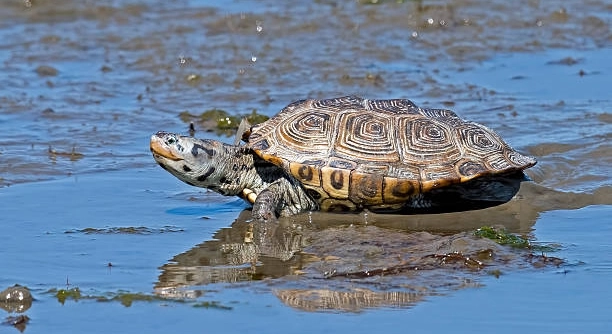
Do you have a Diamondback Terrapin and wonder if it’s ready to mate?
Understanding when your Diamondback Terrapin is ready to mate can be crucial for their health and well-being. These turtles display distinct signs during mating season that indicate their readiness to reproduce. Observing their behavior can help you prepare for this important stage.
Recognizing these signs ensures that you provide the right environment for your terrapin during mating. Understanding these behaviors can also prevent stress and promote healthy mating habits.
Increased Activity Levels
As mating season approaches, Diamondback Terrapins become more active. You may notice your turtle moving around its enclosure more frequently, seeking out potential mates. Their behavior often becomes more purposeful, as they explore their environment with a new sense of urgency. This heightened activity is a clear sign they are getting ready for the breeding process. Male terrapins, in particular, might begin to show signs of increased aggression as they compete for mates.
Male Diamondback Terrapins are often more noticeable during this period. They may swim in circles or approach females aggressively, displaying their readiness to mate.
Males also show an increase in physical behavior, such as chasing and occasionally nipping at females. They might attempt to initiate courtship by fluttering their front limbs, a movement that gets the female’s attention. Females, on the other hand, may show less aggression but will react to the males’ approaches, signaling their readiness or disinterest. Understanding this dynamic is key to ensuring proper care and facilitating a healthy mating environment.
Physical Changes
Terrapins also undergo certain physical changes when they’re ready to mate. These changes can help you identify when your turtle is preparing for reproduction.
During mating season, you may notice the male’s tail becoming more prominent. It will become longer and thicker, which is a physical indicator of their readiness. This tail change helps them grasp onto the female during mating.
Female Diamondback Terrapins may also show a slight increase in size, especially around the abdomen. This change is due to the development of eggs within the body. The physical appearance of both males and females reflects the biological preparation for reproduction. If you notice these physical shifts in your terrapin, it’s a strong sign that they are entering the mating phase.
Vocalizations and Sounds
Male Diamondback Terrapins can make sounds during mating season, especially when they are trying to attract a female. You might hear them making soft chirps or grunts as they approach the female. These sounds are often part of their courtship behavior.
Terrapins generally don’t vocalize much, but mating season brings out a different side. The sounds they make are not overly loud but can be noticeable in a quiet environment. These vocalizations are mainly used to communicate their presence to potential mates. Sometimes, the noise can also be accompanied by other body movements such as rapid swimming or circling the female. The sounds are one of the clearest indicators that a terrapin is preparing to mate.
Female terrapins usually respond to the male’s sounds through body language. Their reaction to these noises can determine if they are open to mating. If the female seems uninterested, she may retreat or ignore the male’s advances. But if she’s receptive, she may stay in place, signaling that mating could happen soon.
Nesting Behavior
When Diamondback Terrapins are preparing to mate, nesting behaviors become more noticeable. Female terrapins, in particular, start to exhibit behaviors that indicate they are searching for a suitable nesting site. You might see her digging or moving around more, trying to find a spot to lay her eggs later on.
This nesting behavior is important for both the male and female during the mating process. While the male may focus on courtship, the female will be considering the type of environment in which she will lay her eggs after mating. This shift in behavior is essential to their overall reproductive cycle. Providing the right habitat, with access to land and water, is crucial for encouraging these behaviors.
Female Diamondback Terrapins need a secure spot to lay their eggs once fertilized. Typically, they dig a hole in soft soil or sand to bury their eggs. Understanding these nesting behaviors can help you set up an ideal environment for your terrapin to feel comfortable and ready to mate.
Increased Aggression
During mating season, you might notice that male Diamondback Terrapins display more aggressive behaviors. They may become territorial and try to fend off other males. This aggression is a sign that they are preparing for competition in order to attract a female.
This aggression often shows up in the form of chasing and biting, as males attempt to assert dominance. They might push or shove other turtles out of their way. The aggressive behavior is part of their instinct to compete for mates and secure their breeding rights. Male terrapins usually demonstrate these behaviors around females, signaling their readiness for mating.
Tail Movements
Male terrapins begin to use their tails more frequently when trying to court a female. You may see them flutter or wag their tails in an attempt to grab her attention. This tail movement is a significant courtship display.
The male may swim around the female in circles while flicking his tail. This behavior is often accompanied by other physical movements, such as front-limb displays. These behaviors help signal to the female that the male is ready to mate and indicates the start of the mating process.
Changes in Swimming Patterns
When preparing to mate, you’ll notice that male terrapins change their swimming patterns. They may swim erratically around females, becoming more focused on staying close to them. The change in their movement is meant to attract attention.
Male Diamondback Terrapins often show off by swimming rapidly or circling around the female. These actions are designed to demonstrate their fitness for mating. While females may swim normally, males often increase their energy and try to stay near potential mates. The increased focus on swimming behavior helps male terrapins to position themselves for successful courtship.
FAQ
How do I know if my Diamondback Terrapin is ready to mate?
You can tell that your Diamondback Terrapin is ready to mate by observing changes in their behavior. Males become more active, aggressively chase females, and exhibit tail movements to court them. Females may begin to dig or search for nesting spots. The increased activity and physical changes in the turtles signal that they are entering the mating season.
When is the best time for Diamondback Terrapins to mate?
Diamondback Terrapins typically mate in the spring and early summer. This period aligns with their natural reproductive cycle, as warmer temperatures trigger their mating behaviors. It is important to create an environment that supports this cycle, providing both land and water spaces for your terrapins during this time.
Can Diamondback Terrapins mate in captivity?
Yes, Diamondback Terrapins can mate in captivity as long as their environment mimics natural conditions. Ensure that their enclosure provides enough space, clean water, and access to land. Proper temperature control, including a basking spot and appropriate humidity levels, will encourage mating behavior.
Do I need to separate the male and female before mating?
It is not necessary to separate male and female terrapins before mating unless there is aggression or stress. During mating season, males may display aggressive behavior towards one another or even towards females. It’s best to monitor their interactions to ensure that the female is not overwhelmed or injured by the males.
What should I do if my female terrapin refuses to mate?
If your female Diamondback Terrapin refuses to mate, it could be due to several reasons, such as stress, an unsuitable environment, or health issues. Ensure that her habitat is optimal, including proper lighting, temperature, and access to nesting areas. If the refusal persists, a visit to a reptile vet might be necessary to rule out any underlying health concerns.
What signs indicate that my terrapin is not healthy during the mating season?
A lack of appetite, lethargy, or abnormal behavior, such as excessive basking or swimming erratically, may indicate health issues. If your terrapin shows these signs during mating season, it is important to seek veterinary care immediately. Healthy terrapins should be active, feeding regularly, and engaging in natural behaviors.
How long does it take for a Diamondback Terrapin to mate?
The actual mating process for Diamondback Terrapins can last anywhere from a few minutes to several hours, depending on the interaction between the male and female. After mating, the female will need time to digest the sperm and develop her eggs, which can take several weeks. Patience is key when observing the mating cycle.
What should I do after my terrapins mate?
After mating, ensure that the female has access to a suitable nesting site to lay her eggs. She will need a quiet, safe space with soft soil or sand where she can dig and bury her eggs. Make sure to keep the environment calm and undisturbed to avoid causing stress.
How do I provide the right environment for mating terrapins?
To encourage mating, create an enclosure that mimics their natural habitat. Provide both a water area for swimming and a land area for basking and nesting. Ensure the water is clean, with a temperature range of 75-80°F. The basking area should be dry and warm, with a temperature of around 85-90°F. Adding rocks and plants can help the terrapins feel secure.
What happens after my female Diamondback Terrapin lays her eggs?
After laying her eggs, the female will bury them and leave the nest. It’s important not to disturb the nest, as the eggs need warmth and humidity to incubate. The eggs will take several weeks to hatch, and the baby terrapins will emerge when they are ready. Be sure to maintain a stable environment during this time.
How can I tell if my Diamondback Terrapin is pregnant?
A female Diamondback Terrapin might show signs of pregnancy, such as a noticeably larger abdomen due to the development of eggs. She may also start digging or acting restless, signaling that she is preparing to lay her eggs. If you notice any of these signs, it’s likely that your female is pregnant.
Can my Diamondback Terrapin lay eggs without mating?
Yes, female Diamondback Terrapins can lay eggs without mating. These eggs, however, will not be fertilized. This is known as a “false pregnancy” and can occur if the female’s reproductive cycle is triggered by environmental factors such as temperature changes, even without the presence of a male.
Final Thoughts
Understanding the mating process of Diamondback Terrapins is key to providing them with the right care and environment. These turtles exhibit noticeable changes in behavior, physical appearance, and activity levels when they are ready to mate. By paying attention to these signs, you can ensure that your terrapins have the proper space, lighting, and conditions for a successful mating season. Providing a secure and suitable environment also helps reduce stress and allows the terrapins to focus on their natural behaviors.
It’s also important to remember that mating behaviors can vary slightly depending on individual terrapins. Some may show aggression, while others might be more passive. Observing their interactions and making adjustments to their habitat can help create the best conditions for mating. The key is to avoid forcing any interactions or stressing the animals, as this could hinder the mating process. Creating an environment that feels natural to them is crucial for both the males and females during this time.
Lastly, if you notice any signs of distress or unusual behavior in your terrapins during the mating season, don’t hesitate to seek advice from a reptile expert or veterinarian. Monitoring their health and making sure their needs are met throughout the process is essential. With proper care, Diamondback Terrapins can successfully mate and thrive in a well-maintained environment. Whether you’re breeding terrapins or simply observing their natural behaviors, ensuring their well-being should always be the top priority.

Hello,
If you enjoy the content that we create, please consider saying a "Thank You!" by leaving a tip.
Every little bit helps us continue crafting quality advice that supports the health, happiness, and well-being of pets around the world, for pets of all shapes, sizes, and species.
We really appreciate the kindness and support that you show us!