
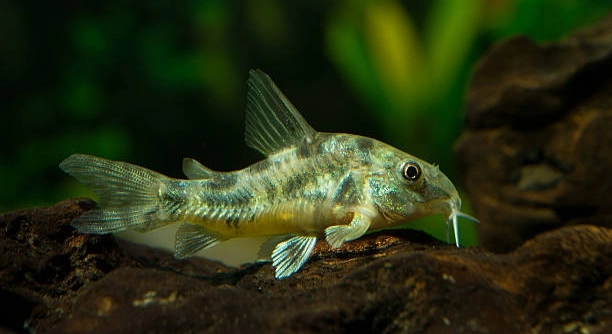
Corydoras catfish are often seen as peaceful aquarium companions, but like all fish, they can become unhappy in certain conditions. Identifying signs of distress early can help you provide a better environment for them.
Signs of an unhappy Corydoras catfish typically include swimming erratically, hiding more than usual, or showing changes in eating behavior. These signs often point to water quality issues, stress, or other environmental factors that need attention.
Addressing these concerns will help improve your Corydoras’ well-being. By observing their behavior and adjusting their habitat, you can ensure they thrive in your aquarium.
Poor Water Quality Can Stress Your Corydoras
Corydoras catfish are highly sensitive to water quality. If the water in your tank is not clean or properly balanced, it can cause stress for your fish. Poor water quality may lead to skin irritation, breathing difficulties, and other health problems. Common water issues include high ammonia, nitrite, or nitrate levels, improper pH, and fluctuating temperatures. These conditions can make your Corydoras feel unsafe and uncomfortable, resulting in unusual behavior like excessive hiding or swimming in circles.
When caring for Corydoras, it’s essential to maintain good water quality through regular water changes and proper filtration. Test the water regularly for ammonia, nitrate, and nitrite levels, as well as pH and temperature. Keeping these levels stable will help your catfish feel secure and avoid stress.
A well-maintained tank with clean water is the key to a happy Corydoras. If their environment is not optimal, they may become ill and unhappy, which can lead to them being more withdrawn or lethargic. Small adjustments in your tank care routine can make a huge difference in their well-being.
Inadequate Tank Size
Your Corydoras catfish needs enough space to move around freely. If the tank is too small or overcrowded, they may feel stressed and trapped. This can negatively impact their health and behavior. Ensuring your catfish has enough swimming space is important for their happiness.
Make sure your tank is appropriately sized for the number of fish you have. Corydoras should have at least 20 gallons of space for a small group, and the tank should be decorated with hiding places. Proper tank size and setup allow them to exhibit natural behavior, such as swimming in groups and foraging for food.
Inconsistent Temperature
Corydoras catfish are sensitive to temperature fluctuations. If the water is too hot or too cold, it can cause stress. Sudden changes in temperature may make them sluggish or more prone to illness. Maintaining a stable temperature is essential for their health and comfort.
Use a reliable aquarium heater to keep the water temperature between 72°F and 78°F. Keep an eye on temperature changes, as Corydoras prefer steady conditions. If the temperature is inconsistent, they may retreat to the bottom of the tank, avoiding any interaction. Always check the temperature regularly to prevent any sudden drops or spikes that could harm them.
Investing in a good thermometer and heating system will help keep your Corydoras happy. These fish are sensitive to temperature changes, so ensuring they are kept in a stable environment allows them to thrive and remain active. Stable water temperature prevents stress and health issues like weakened immune systems.
Poor Tankmates
Corydoras are peaceful fish and thrive in calm environments. Aggressive tankmates or fish that are too large may cause stress, making your Corydoras feel threatened. They may spend more time hiding, leading to a decline in their overall health.
When selecting tankmates, make sure they are compatible with Corydoras. Choose peaceful species that won’t harass or outcompete them for food. Corydoras enjoy being in groups, so keeping a small school of them can also reduce stress. Avoid placing them with fish that are too aggressive or too active, as these can disturb their peaceful nature.
The right tankmates will create a more harmonious environment, allowing your Corydoras to swim freely and interact. This will help them feel safe and secure, contributing to their overall well-being. By observing their behavior, you can tell if they are stressed due to tankmate issues.
High Water Flow
Corydoras catfish are not fans of strong water currents. Excessive water flow can make them stressed, as they prefer calm environments. If the flow in your tank is too fast, it can cause your fish to struggle or hide more than usual.
Use a gentle filter or adjust the water flow to reduce the current. Corydoras prefer slow-moving water, so consider positioning the filter outlet away from their usual swimming area. This will help them feel more comfortable and reduce stress. If you notice your catfish constantly swimming against the current, it’s time to adjust the flow.
A calm and peaceful tank environment helps your Corydoras thrive. Reducing strong water currents allows them to move more freely and reduces their stress levels, improving their overall health.
Lack of Proper Substrate
Corydoras catfish prefer a soft, smooth substrate to avoid injury while scavenging. Sharp gravel or rough sand can damage their sensitive barbels and cause discomfort. Choosing the right substrate is vital for their comfort and well-being.
Soft sand or rounded gravel provides a safe space for Corydoras to dig, forage, and explore. A gentle substrate allows them to use their barbels to detect food without hurting themselves. Proper substrate helps your fish feel at ease, as they naturally interact with the surface of their tank.
FAQ
How often should I clean my Corydoras tank?
Cleaning your Corydoras tank regularly is essential for maintaining water quality. Perform partial water changes at least once a week, replacing 25-30% of the water. Clean the filter every month to ensure it’s functioning properly. If you notice debris building up, it’s a good idea to clean the substrate with a gravel vacuum. Over time, excess waste and leftover food can pollute the water, which can negatively affect your catfish’s health. Keep an eye on the water parameters and clean your tank as needed to prevent stress caused by poor conditions.
What is the ideal tank temperature for Corydoras?
Corydoras catfish thrive in water temperatures between 72°F and 78°F (22°C to 26°C). A stable temperature within this range will help them stay active and healthy. Extreme temperature fluctuations can cause stress and make them more susceptible to diseases. Use a good aquarium heater to maintain the water temperature and check it regularly with a thermometer. This will help avoid sudden changes that might harm your fish. Consistency in water temperature is key to keeping your Corydoras happy.
Can Corydoras live with other fish?
Yes, Corydoras can live peacefully with many other fish, but it’s important to choose their tankmates carefully. They are peaceful bottom dwellers and prefer non-aggressive fish that won’t bully them. Avoid large or aggressive species, as they might stress out your Corydoras or compete for food. Small, peaceful fish such as tetras, guppies, and peaceful livebearers are good tankmates. Ensure your Corydoras are in a well-planted tank with plenty of hiding spots to help them feel secure.
How do I know if my Corydoras is sick?
Sick Corydoras may exhibit abnormal behavior like swimming erratically, staying at the bottom of the tank, or hiding excessively. They might also show physical signs like faded colors, clamped fins, or lesions on their bodies. If you notice any of these symptoms, check the water quality immediately, as poor water conditions are a common cause of stress and illness. If the water is clean and well-maintained, consider separating the sick fish to monitor it closely. Consulting a vet or an experienced aquarium keeper can help with a proper diagnosis and treatment.
Why is my Corydoras hiding all the time?
Corydoras catfish are naturally shy and often hide, especially when they are stressed. Hiding can also indicate they are not comfortable in their environment. Poor water quality, inappropriate tank mates, or high water flow can make them retreat. Also, if the tank is too small or lacking in hiding spots, they may feel exposed and unsafe. Adding more plants, rocks, or decorations can provide the security they need. Ensuring the tank’s water conditions and temperature are ideal will help reduce their stress and encourage them to be more active.
How can I improve the water quality for my Corydoras?
To improve water quality for Corydoras, keep the tank clean with regular water changes and filter maintenance. Test the water regularly to monitor ammonia, nitrite, nitrate, pH, and temperature. Using a high-quality filter and ensuring proper circulation is essential, but avoid strong currents. A gentle filtration system works best for these catfish. Adding live plants can also help maintain a balanced ecosystem. Keep an eye on any uneaten food and remove it promptly to prevent water contamination. Clean your substrate regularly using a gravel vacuum to remove excess waste.
Do Corydoras need a group?
Yes, Corydoras catfish are social creatures and thrive in groups. Keeping at least 3-5 Corydoras together helps reduce stress and encourages natural behaviors. They feel more comfortable when they can interact with each other and swim in schools. If you have just one Corydoras, it may become lonely and stressed, leading to less active behavior. In a group, they exhibit playful, social interactions that enhance their well-being. A school of Corydoras also feels more secure, as they can rely on each other for protection.
What kind of substrate is best for Corydoras?
Corydoras prefer soft, fine sand or smooth gravel as their substrate. This allows them to forage naturally without injuring their barbels, which are sensitive. Sharp or rough substrates can damage their barbels, making it difficult for them to detect food. Soft sand is ideal, as it provides them with a comfortable area to burrow and explore. If using gravel, make sure it is rounded and not sharp. Providing the right substrate is essential for their well-being and overall health.
Can Corydoras eat live food?
Yes, Corydoras can eat live food, and it can be a great addition to their diet. They enjoy small live foods like brine shrimp, daphnia, and bloodworms. These foods mimic their natural diet and provide additional nutrients. However, live food should be given in moderation to avoid overfeeding. Frozen or freeze-dried alternatives are also suitable options. Along with live foods, make sure to feed your Corydoras a balanced diet, including high-quality sinking pellets or flakes that cater to their bottom-feeding nature.
Why is my Corydoras not eating?
If your Corydoras is not eating, it may be a sign of stress, illness, or poor water quality. Check the water parameters, as high ammonia or nitrate levels can cause them to lose their appetite. Overfeeding or underfeeding can also contribute to changes in eating behavior. Additionally, if your Corydoras is kept with aggressive tankmates, it may be too intimidated to eat. Ensure the tank is peaceful and provide sinking foods that are easier for them to access. If the issue persists, it may be necessary to consult a veterinarian or aquarium expert.
Final Thoughts
Corydoras catfish are relatively easy to care for, but they do require a specific environment to stay healthy and happy. They are sensitive to their surroundings, and even small changes in their water conditions or habitat can cause stress. By understanding the common signs of an unhappy Corydoras, you can make the necessary adjustments to ensure they thrive. Simple actions, like keeping the water clean, maintaining the right temperature, and providing enough hiding spaces, can make a big difference in their well-being.
These catfish are social creatures and need to be kept in groups. They are happiest when they have the company of other Corydoras, as this helps them feel safe and secure. When you provide them with the right tank mates, such as peaceful species that won’t disturb them, they will be more active and show their true nature. Also, paying attention to their diet and feeding them the right amount of food is crucial. Overfeeding or underfeeding can lead to health issues and stress, so keeping a balanced routine will help them stay healthy.
If you notice signs that your Corydoras are unhappy, it’s important to act quickly. Whether it’s adjusting the water flow, improving the substrate, or ensuring their tankmates are compatible, taking steps to improve their environment can lead to a happier fish. By observing their behavior and making these adjustments, you can create a thriving, peaceful environment where your Corydoras can live a long and healthy life.

Hello,
If you enjoy the content that we create, please consider saying a "Thank You!" by leaving a tip.
Every little bit helps us continue crafting quality advice that supports the health, happiness, and well-being of pets around the world, for pets of all shapes, sizes, and species.
We really appreciate the kindness and support that you show us!