
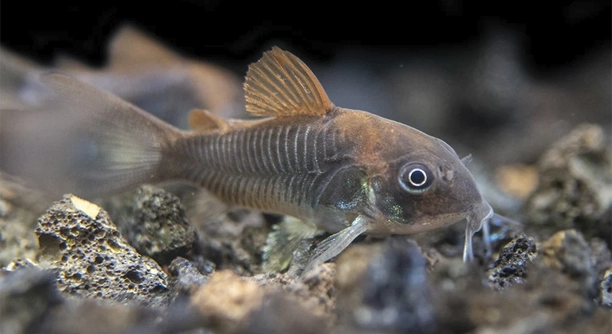
Corydoras catfish are small, peaceful fish that thrive in well-maintained aquariums. Recognizing signs of their happiness can help you ensure they are living a healthy and fulfilling life. This article will guide you through those signs.
Your Corydoras catfish is likely living its best life if it displays active swimming, a healthy appetite, good color, and shows interest in its environment. Healthy water conditions and social interaction with tank mates are also key indicators of their well-being.
By observing a few simple behaviors, you can assess whether your catfish is thriving. Understanding these signs will help you provide the best care for your fish.
Active Swimming
When your Corydoras catfish is swimming actively, it’s a good sign that it feels safe and comfortable in its environment. These fish are bottom dwellers but still like to explore and swim around the tank. If your catfish swims around happily, it’s a positive indication that it is in a healthy, stress-free environment. On the other hand, if your Corydoras is lethargic or spends most of its time hiding, it might be stressed or unwell.
A healthy Corydoras should move with smooth, graceful motions. If you notice any jerky or erratic behavior, it could be a sign of distress or illness. Active swimming also indicates that the water quality is good. If your fish seems to have plenty of energy, it shows that the environment is meeting its needs.
These fish are naturally curious, so expect them to be quite social. They’ll swim along the tank, often near the substrate, and sometimes in groups. Pay attention to their behavior, as a drop in activity can signal underlying problems like water imbalance or illness. Healthy Corydoras are typically more active during the daytime and may rest at night, often buried in the substrate. A balanced, stress-free habitat allows them to express their natural behaviors.
Good Appetite
A healthy appetite is another sign that your Corydoras catfish is thriving. When these fish are feeding well, it shows that they are in a comfortable and suitable environment. Keep an eye on how they respond to food.
Corydoras are opportunistic feeders, often scavenging on the tank’s bottom for leftover food. They’re always on the hunt for any treats that may have sunk. If your fish seems eager to eat and consumes its food quickly, it’s a strong indicator of its well-being. However, a decrease in appetite or refusal to eat may signal stress or illness. If this happens, check water quality and the tank setup to ensure it’s up to standard.
Fish health depends on their feeding behavior. A consistently good appetite means that your Corydoras is likely not facing any major health issues. Additionally, it’s essential to maintain a balanced diet for them, including both sinking pellets and occasional live or frozen food, to keep them healthy. Healthy eating habits lead to a happier, more active fish overall.
Healthy Coloration
Healthy Corydoras catfish usually have vibrant colors, which reflect their good health and well-being. When they are in a happy environment, their natural colors should be bright and striking. Dull or faded coloration may indicate stress, poor water conditions, or illness.
Their coloration can vary depending on the species, but overall, a bright, vivid hue is a sign of a healthy catfish. If your Corydoras is losing its color or looks washed out, it may be time to check the water parameters. Poor water quality, such as high ammonia or nitrate levels, can affect their health and appearance.
Also, Corydoras often show their colors more vividly when they are feeling safe. They may also develop brighter hues when they’re well-fed and comfortable in their habitat. Keep an eye on their colors, as they will naturally change in response to their environment. Healthy, active fish will display bright tones and be much livelier.
Social Behavior
Corydoras are social fish that thrive when kept in groups. A single Corydoras can become stressed and anxious. Having more in the tank allows them to feel secure and happier. Watch for behaviors like group swimming and gentle interactions.
These fish communicate with each other through subtle movements and even physical contact. They often follow each other around, creating small schools within the tank. If your Corydoras is actively interacting with others, it’s a sign of happiness. When they are stressed, they may isolate themselves from the group or hide more often.
Maintaining a group of Corydoras provides a sense of security and helps reduce stress. They are also more active when they have company, swimming around together, and searching for food. A Corydoras kept alone may become shy and hesitant to explore its surroundings. Adding a few more can lead to happier, healthier fish, creating a thriving tank environment. Social behavior is a clear sign that your catfish is living its best life.
Clean Tank Environment
A clean tank is crucial for your Corydoras’ health. Regular water changes and proper filtration will keep harmful substances at bay. If the tank is free from algae, waste, and debris, your catfish will thrive in its environment.
Corydoras are sensitive to poor water quality. A dirty tank can lead to stress and illness, as they are bottom dwellers and often come in contact with the substrate. It’s essential to keep up with water changes and ensure the filtration system works properly. Clean water promotes healthy activity and vibrant colors.
Having a clean tank doesn’t just improve water quality; it also helps maintain a stress-free habitat. Corydoras catfish are most comfortable when the tank is well-maintained, allowing them to move freely without the threat of harmful toxins. Be sure to monitor water conditions regularly, keeping nitrate and ammonia levels low, to ensure your fish stay happy and healthy.
Proper Tank Temperature
Corydoras thrive in water temperatures between 72°F and 78°F (22°C – 26°C). Ensuring that the tank stays within this range will keep your catfish comfortable and active.
If the water temperature fluctuates too much, it could cause stress or health problems. A stable, appropriate temperature is important for Corydoras’ well-being. Consider investing in a reliable aquarium heater to maintain the right environment for your fish.
Balanced Diet
A balanced diet is vital for Corydoras. They need food that sinks to the bottom, as they are bottom feeders. A variety of pellets, live food, or frozen foods should be included in their meals.
When well-fed, Corydoras will be more active and display healthy growth. A diet rich in nutrients supports their immune system and overall health.
FAQ
What size tank do Corydoras catfish need?
Corydoras catfish are small fish, but they still need a tank that gives them plenty of space to swim and explore. A tank of at least 20 gallons is ideal for a small group. A larger tank will provide more space, reducing the chances of territorial stress. Corydoras are bottom dwellers, so the tank’s substrate should be soft and smooth to avoid damaging their delicate barbels. If you plan on keeping several Corydoras, a larger tank is better, as they are social fish that do best in groups.
Can Corydoras live with other fish?
Yes, Corydoras are peaceful and do well with many types of fish, especially other non-aggressive species. They can be kept in community tanks with other small, peaceful fish like tetras, guppies, or shrimp. It’s important to avoid aggressive tank mates, as they might stress your Corydoras or even harm them. Corydoras get along with fish that share similar water requirements and are not too aggressive. This makes them a great addition to a peaceful, well-balanced tank.
How do I know if my Corydoras catfish is stressed?
Stressed Corydoras catfish can display various signs. If they start to hide more than usual, swim erratically, or lose interest in food, these could be signs of stress. You might also notice changes in their behavior, like becoming more skittish or staying in one corner of the tank. Stress can come from poor water conditions, incompatible tank mates, or temperature fluctuations. Regularly check the water quality and ensure their tank is peaceful. Offering a stable and clean environment will help prevent stress.
What should I feed my Corydoras catfish?
Corydoras are omnivores, and their diet should be varied to ensure they receive proper nutrients. You can feed them sinking pellets specifically designed for bottom feeders. Additionally, supplementing their diet with live or frozen foods like bloodworms, brine shrimp, or daphnia can provide extra protein. They also enjoy eating algae and detritus in the tank, so keep an eye on their natural foraging behavior. Avoid overfeeding, as leftover food can pollute the water and affect their health. A balanced diet will help them grow and thrive.
Do Corydoras need a filter?
Yes, Corydoras catfish benefit from having a good filter in their tank. These fish are sensitive to poor water quality, and a filter helps keep the water clean by removing debris and waste. However, make sure the filter doesn’t create a strong current, as Corydoras prefer calm water. Choose a filter with adjustable flow settings, or add aquarium plants to block the current. Keeping the water clean through regular filtration will ensure your Corydoras stays healthy and happy.
Can Corydoras live with snails?
Yes, Corydoras catfish can live with snails in the same tank. They don’t typically interact much with snails, and snails can actually help keep the tank clean by consuming algae and leftover food. However, make sure the snails you keep with your Corydoras are not large enough to pose a threat. Also, some species of snails, like the mystery snail, can create a mess in the tank, so it’s important to maintain regular cleaning routines. Overall, Corydoras and snails can coexist peacefully as long as the tank conditions are suitable for both.
How often should I change the water for my Corydoras?
Water changes should be done regularly to maintain a healthy environment for your Corydoras. A good rule of thumb is to change about 20-25% of the water every 1-2 weeks. If your tank is heavily stocked or the water quality deteriorates more quickly, you may need to do more frequent water changes. Always check the water parameters before doing a water change, as the pH, ammonia, nitrate, and nitrite levels should be balanced for the fish’s health. Regular water changes help prevent the buildup of harmful substances and keep your Corydoras thriving.
What temperature do Corydoras catfish prefer?
Corydoras catfish thrive in water temperatures between 72°F and 78°F (22°C – 26°C). Keeping the water in this range will promote their overall health and activity levels. A consistent temperature is essential, as sudden fluctuations can cause stress. If your tank temperature fluctuates often, consider investing in an aquarium heater to maintain a steady, comfortable environment for your fish. Corydoras are less tolerant of extreme temperatures, so it’s important to monitor the water and make adjustments when necessary.
Why do Corydoras catfish bury themselves in the substrate?
Corydoras are known for their behavior of burying themselves in the substrate. This natural behavior is a sign that they are comfortable in their environment. They may bury themselves to rest, search for food, or even avoid stress. Corydoras often use their barbels to root around in the substrate, looking for detritus and small food particles. This behavior is normal and part of their foraging habits. Just ensure that the substrate is soft and smooth, as rough gravel can damage their sensitive barbels.
How long do Corydoras catfish live?
Corydoras catfish typically live for 5 to 7 years, but with proper care, some can live even longer. Factors such as water quality, diet, and tank conditions play a significant role in their lifespan. Regular maintenance and providing a stress-free, stable environment will help them live longer and healthier lives. Be sure to monitor their health and make any necessary adjustments to their environment to keep them happy. Proper care ensures that your Corydoras can enjoy a long and fulfilling life in your aquarium.
Final Thoughts
Corydoras catfish are relatively low-maintenance fish that can bring a lot of joy to your aquarium. They are peaceful, social creatures that thrive in a clean and stable environment. With the right care, they can live for many years and show you their playful, curious nature. Keeping their tank well-maintained and ensuring that the water quality is good is key to their health and happiness. They are a great choice for beginner aquarium owners and for anyone looking to add some activity and color to their tank.
One of the most important aspects of caring for Corydoras is providing them with a clean, calm environment. Regular water changes and good filtration will help prevent harmful toxins from building up in the tank. Corydoras are bottom feeders, so they will often scavenge the substrate for food, and they benefit from a variety of sinking foods like pellets and live or frozen treats. Keeping an eye on the tank temperature and making sure it stays within the recommended range will also help keep them comfortable and stress-free.
In conclusion, Corydoras catfish are fantastic additions to any aquarium. They are simple to care for and interact well with other peaceful fish. By paying attention to their environment, diet, and overall well-being, you can ensure that your Corydoras live their best life. Whether you’re new to fishkeeping or an experienced aquarist, Corydoras are a rewarding species to care for and enjoy.

Hello,
If you enjoy the content that we create, please consider saying a "Thank You!" by leaving a tip.
Every little bit helps us continue crafting quality advice that supports the health, happiness, and well-being of pets around the world, for pets of all shapes, sizes, and species.
We really appreciate the kindness and support that you show us!