
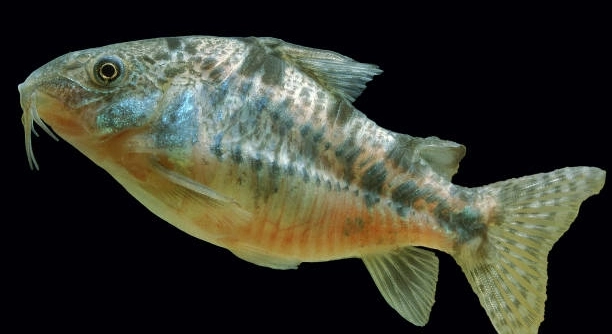
Corydoras catfish are a popular choice for aquarium owners. These small, peaceful fish are known for their playful behavior and unique appearance. Understanding their happiness is key to ensuring their health and well-being in your tank.
A happy Corydoras catfish will exhibit signs like active swimming, foraging on the substrate, and socializing with tank mates. Maintaining proper water quality, providing hiding spots, and feeding them a balanced diet are essential to keeping them content.
Providing the right environment and care will help keep your Corydoras catfish healthy and thriving.
Active Swimming and Exploration
Corydoras catfish are active swimmers, often seen darting around the aquarium. They enjoy exploring their surroundings, especially when the environment offers various hiding spots and structures. A happy Corydoras will frequently swim in different areas of the tank, foraging along the bottom and interacting with the tank environment. Their quick movements and constant exploration are signs that they feel comfortable in their space. If your Corydoras seems to stay in one spot or swim sluggishly, it may indicate stress or poor water conditions.
When the tank setup is stimulating and safe, these fish are likely to thrive. Offering hiding spots, like caves or plants, encourages natural behavior. Without sufficient space or hiding areas, Corydoras may become anxious and inactive, resulting in a less healthy fish.
Corydoras’ playful nature is an excellent sign that they are happy. Creating a balanced tank environment that allows them to interact with their surroundings keeps them active and ensures they feel secure. Active swimming is also a sign of a healthy fish.
Water Quality and Tank Maintenance
Proper water quality is essential for Corydoras to remain happy and healthy.
Clean, stable water with the right pH, temperature, and hardness is crucial for their well-being. Corydoras thrive in water that is slightly acidic to neutral, with a temperature range of 72-78°F. Keeping the water clean and well-filtered helps avoid stress and potential illness. Regular water changes are important, and they ensure the tank remains a safe space for your fish.
If the water quality is off, Corydoras may start to exhibit signs of discomfort, like scratching or erratic swimming. Maintaining the right water conditions will support their overall health and happiness.
Social Behavior with Tank Mates
Corydoras are social fish that thrive in groups. When kept alone, they may become stressed or anxious. They feel more secure when surrounded by at least two or three other Corydoras. Their calm, peaceful nature makes them great companions for other non-aggressive fish.
In a group, Corydoras will often be seen schooling together, sharing space and food. This social behavior helps them feel safe and reduces the chance of stress-related issues. Keeping them in a small group mimics their natural environment, where they would naturally seek out others for protection and companionship.
If your Corydoras is not interacting with tank mates, it could be a sign that the environment isn’t ideal. A healthy group dynamic is key to their happiness. Providing multiple hiding spots will also prevent aggression, ensuring they have their own space when needed.
Balanced Diet and Feeding Routine
Corydoras are bottom feeders, primarily consuming small particles from the substrate.
Offering a variety of food ensures they receive the nutrients they need. Sinking pellets, live or frozen foods like worms, and vegetables are excellent choices. The fish often sift through the substrate to find food, mimicking their natural feeding behavior. Regular, small feedings prevent overfeeding and ensure the food remains fresh, which helps maintain good water quality.
An inconsistent or poor diet can lead to health issues, affecting their happiness. A variety of foods not only ensures they get the right nutrients but also keeps them active and engaged. Always remove any uneaten food to avoid polluting the tank.
Clean and Safe Environment
Corydoras thrive in a clean, well-maintained tank. Regular water changes and filtration are essential for their health. A tank free of debris and waste helps keep them active and happy. They rely on a stable environment to reduce stress.
Removing excess waste and uneaten food prevents water contamination. If the water becomes too dirty or the tank is overcrowded, Corydoras can become stressed or sick. Ensuring a safe environment with proper water conditions will keep them content and reduce the risk of health issues.
Proper Tank Size
Corydoras need enough space to move around freely. A tank that’s too small can make them feel cramped and stressed. A minimum of 20 gallons is recommended for a small group of Corydoras.
Smaller tanks can lead to poor water quality, making it difficult to maintain the proper conditions. Providing ample space ensures they can engage in natural behaviors like swimming and foraging. The larger the tank, the more stable the water conditions, leading to happier, healthier fish.
Substrate for Foraging
Corydoras are bottom dwellers and enjoy foraging through the substrate. A soft, sand-like substrate is ideal, as it prevents injury to their delicate barbels. Gravel or sharp objects can cause damage, leading to discomfort or infection.
A proper substrate allows Corydoras to search for food and maintain their natural behavior. It also helps keep the tank’s ecosystem healthy, as it encourages beneficial bacteria to thrive. Providing the right substrate supports their well-being and happiness.
FAQ
How can I tell if my Corydoras catfish is happy?
A happy Corydoras catfish is active and regularly foraging along the bottom of the tank. They swim around with ease, interact with tank mates, and appear alert. Healthy Corydoras will be social, often seen schooling with others of their kind. If they are sluggish, hiding excessively, or swimming erratically, it may be a sign that they are stressed or uncomfortable.
What is the ideal water temperature for Corydoras?
Corydoras thrive in water temperatures between 72-78°F (22-26°C). This temperature range mimics their natural habitat, ensuring their overall health. Temperatures too high or too low can cause stress, reduce activity levels, and make them more susceptible to illness. Always monitor the water with a thermometer to maintain a stable environment.
Can Corydoras live with other fish?
Yes, Corydoras are peaceful and get along well with most non-aggressive species. They are ideal tank mates for other community fish like tetras, guppies, and rasboras. It is best to avoid keeping them with aggressive or overly active fish that may stress them out. Make sure all tank mates are compatible in terms of size, temperament, and water requirements.
How often should I feed my Corydoras catfish?
Feed your Corydoras 2-3 times a day with small portions. Overfeeding can pollute the water and lead to health issues. It’s important to provide a varied diet, including sinking pellets, live or frozen food, and occasional vegetables. Corydoras are bottom feeders and will often sift through the substrate to find food, which helps replicate their natural foraging behavior.
Why are my Corydoras catfish not swimming?
If your Corydoras are not swimming, there could be several reasons. Poor water quality is a common factor, as high levels of ammonia or low oxygen can cause lethargy. Ensure the tank has proper filtration and regular water changes. Additionally, stress from unsuitable tank mates, incorrect water temperature, or lack of hiding places may also affect their behavior.
How can I improve the water quality for my Corydoras?
Regular water changes are essential for maintaining good water quality. Perform a 25-30% water change every week, ensuring that the water is conditioned properly to match the temperature and pH level of the tank. Use a reliable filtration system to remove waste, and monitor ammonia, nitrite, and nitrate levels regularly.
What type of substrate is best for Corydoras catfish?
Corydoras catfish prefer soft, sand-like substrates. Sand is gentle on their barbels and allows them to forage naturally without risk of injury. Avoid sharp gravel or rough substrates, as they can cause injury to their delicate sensory organs. A fine, smooth sand substrate mimics their natural environment and promotes healthy behaviors.
Can Corydoras live alone?
Corydoras are social fish and prefer the company of their own kind. It is best to keep them in groups of at least 2-3 individuals to prevent stress and promote natural behavior. Keeping them alone may lead to anxiety, and they could become less active or refuse to eat.
How can I tell if my Corydoras is stressed?
Signs of stress in Corydoras include hiding excessively, swimming erratically, or staying in one spot for long periods. Stress can also cause a decrease in appetite and energy levels. Factors such as poor water quality, incompatible tank mates, or incorrect water parameters can all lead to stress.
Do Corydoras need a filter?
Yes, Corydoras require a filter to maintain clean, oxygenated water. They are sensitive to poor water quality, and a filter helps prevent the build-up of harmful toxins. Make sure the filter is appropriate for the size of your tank, and clean it regularly to keep the water in optimal condition.
Are Corydoras catfish easy to care for?
Corydoras are relatively easy to care for, as long as their basic needs are met. They require clean water, a balanced diet, and a peaceful tank environment. Regular maintenance, including water changes and monitoring water quality, is key to keeping them healthy. While they are low-maintenance fish, they do need a stable and stress-free environment to thrive.
Can Corydoras catfish live with shrimp?
Yes, Corydoras can live with most species of shrimp, such as cherry shrimp or Amano shrimp. Since Corydoras are bottom feeders, they won’t compete for food with shrimp. However, ensure the shrimp have plenty of hiding spots, as Corydoras might accidentally disturb them while foraging.
How long do Corydoras catfish live?
Corydoras catfish typically live for around 5-10 years with proper care. The lifespan of your Corydoras will depend on factors such as water quality, tank conditions, and overall care. Keeping them in a healthy and stable environment will help them reach their full lifespan.
Do Corydoras catfish need a heater?
Corydoras catfish do best with a stable water temperature. While a heater is not always necessary if your home is kept at a consistent temperature within the recommended range (72-78°F), a heater can help maintain stability, especially in colder climates. Avoid sudden temperature changes, as they can stress your fish.
What should I do if my Corydoras catfish is not eating?
If your Corydoras is not eating, check the water quality, as poor conditions can reduce their appetite. Additionally, ensure you are providing a varied diet that includes sinking pellets, frozen foods, and vegetables. If they continue to refuse food, consult an aquarium professional to rule out any underlying health issues.
How do I encourage my Corydoras to breed?
To encourage breeding, provide the right environment: a tank with clean, slightly acidic water and a temperature between 72-78°F. Adding a few caves or hiding spots can make them feel secure. Feed them a nutritious diet of high-quality food to encourage mating behavior. Be patient, as Corydoras may take time to breed naturally.
Final Thoughts
Corydoras catfish are hardy and peaceful fish, making them a popular choice for many aquariums. Their small size, low maintenance, and friendly nature make them easy to care for. However, maintaining their happiness requires attention to detail. A clean tank with stable water conditions is essential for keeping them healthy. Regular water changes, proper filtration, and a balanced diet contribute to their well-being. They also thrive in groups, so having more than one Corydoras in the tank helps prevent stress and promotes natural behavior.
Providing the right environment goes beyond water quality. Corydoras need a soft substrate that allows them to forage naturally. A tank with plenty of hiding spots also makes them feel secure. These fish are bottom dwellers, and giving them enough space to move and explore is important for their mental and physical health. They are social creatures and benefit from the company of their own kind, which helps them feel more comfortable in the tank. A calm, peaceful environment without aggressive tank mates will ensure they are not stressed, leading to a more active and happy Corydoras.
Understanding your Corydoras’ needs will ensure they thrive in your aquarium for many years. While they are relatively easy to care for, providing the right conditions is key to their health and happiness. Their behavior can tell you a lot about their well-being. Observing them regularly will help you spot any potential issues early. By following basic guidelines for water maintenance, diet, and tank setup, you can create an ideal environment for your Corydoras to enjoy a long, healthy life.

Hello,
If you enjoy the content that we create, please consider saying a "Thank You!" by leaving a tip.
Every little bit helps us continue crafting quality advice that supports the health, happiness, and well-being of pets around the world, for pets of all shapes, sizes, and species.
We really appreciate the kindness and support that you show us!