
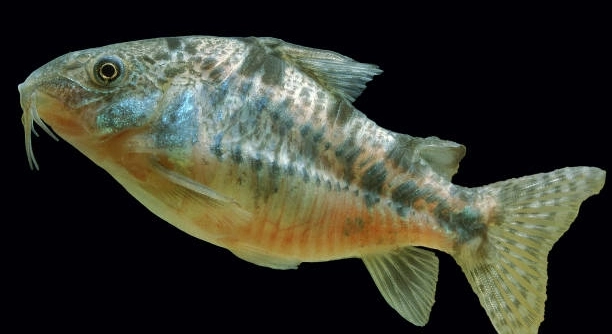
Are your Corydoras catfish always darting around the tank, or do they seem to hide more often than not? Watching their behavior closely can help you understand how comfortable they really are in their environment.
A comfortable Corydoras catfish will display active swimming, social behavior, steady appetite, smooth gill movement, vibrant coloring, relaxed body posture, and a willingness to explore. These signs indicate the fish feels safe and well-adjusted to its tank conditions.
Noticing these behaviors helps you create a stable home where your Corydoras can thrive, stay healthy, and enjoy their underwater world peacefully.
Active Swimming Patterns
When your Corydoras catfish feels comfortable, it will move around the tank with ease and energy. These fish are naturally active, especially during the day. You might see them swimming near the bottom, foraging through the substrate, or occasionally darting up to the surface. They tend to move in short, playful bursts and often swim in small groups if kept with others. This type of movement shows that they feel secure in their surroundings. If your Corydoras is consistently hiding or staying still, it may be stressed or uncomfortable due to poor water quality, tank mates, or setup issues. Watching for natural activity levels and comparing them to their usual behavior is a good way to know if something has changed. When their needs are met, they will show a mix of curiosity and calmness, and their swimming patterns will remain smooth and steady throughout the day.
Lack of movement or sudden hiding can be an early sign that something is wrong in the tank and needs to be adjusted.
If your Corydoras is comfortable, it will display lively behavior without signs of panic. Watching them move around freely can be reassuring and helps confirm that the tank setup supports their needs.
Social Behavior and Grouping
Comfortable Corydoras are social and prefer the company of their own kind.
These catfish are naturally peaceful and feel safer in groups of at least five or six. When they are comfortable, they will often swim together or rest near each other. You’ll notice them gently interacting, nudging the substrate as a group or lying side by side when they relax. A stressed Corydoras might separate itself from the group or hide away from the others. Social bonding is important to their well-being, and when they form tight groups, it is a sign of safety and trust in their environment. Adding more of their kind, keeping the tank quiet, and avoiding sudden changes helps support this behavior. Also, it’s important that the tank size gives them enough space to school without feeling crowded. A peaceful tank with proper group dynamics brings out the best in your Corydoras, making their social nature easy to observe.
Healthy Appetite and Feeding Response
A Corydoras that feels safe will eat regularly and show interest when food is added to the tank. They may come out quickly, sift through the substrate, or even nibble together with others in the group.
Feeding time is a useful way to check if your Corydoras is comfortable. A healthy fish will search actively for food at the bottom and respond within a minute or two after feeding starts. Sinking pellets, bloodworms, or small pieces of vegetables will bring them out if they feel safe. If your fish ignores food, seems uninterested, or hides during feeding, this may be a sign of discomfort or stress. New environments or water problems can often cause this. A strong appetite usually returns once the tank conditions improve. Keep feeding consistent and use a calm routine, as sudden movements or loud noises near the tank can make them hesitate.
Appetite goes hand in hand with energy levels. A Corydoras that’s feeling good will eat calmly, show no aggression, and even share space with others while foraging. Watch how long it takes them to come out and how they behave during meals. Any big change might mean something in the tank needs adjusting soon.
Calm Body Movements and Gill Function
Smooth body motion and steady gill movement are important signs of comfort in Corydoras. They should glide across the tank bottom without twitching, darting, or shaking. Their gills should move gently and at a consistent pace during rest and activity.
When a Corydoras is calm and well-adjusted, its movements will appear controlled and gentle. It might wiggle slightly as it explores, but it won’t show signs of panic or restlessness. Gills will pulse evenly, not rapidly. Fast breathing or erratic motion might indicate stress, poor oxygen levels, or illness. Make sure the water is clean and well-oxygenated, as Corydoras are sensitive to water quality. Look for clear eyes, an upright posture, and smooth transitions between swimming and resting. If your fish is constantly flicking, darting, or breathing heavily, check the water conditions right away. These signs often show up before more serious problems appear.
Bright Coloring and Clear Skin
A comfortable Corydoras will have consistent, vibrant coloring that matches its natural pattern. The skin should look smooth, with no signs of fading, spots, or rough patches. Bright colors usually reflect good health and low stress levels.
If your Corydoras starts to look pale or patchy, it may be reacting to poor water quality, illness, or stress. Skin clarity and strong coloring often return once the tank environment is corrected and stable again. Clean water, stable temperature, and proper tank mates support healthy appearance.
Regular Rest and Relaxation
Corydoras need calm periods where they rest on the substrate without disturbance. A comfortable one will lie still, usually near others, without appearing weak or struggling. These resting times are natural and show the fish feels safe. If resting looks odd or happens too often, it may point to something wrong.
Exploration and Interaction
A Corydoras that feels at ease will explore different areas of the tank throughout the day. You may see it gently moving through plants, investigating decorations, or searching the substrate. This behavior shows comfort and curiosity, and it’s a good sign your fish feels secure in its surroundings.
No Signs of Stress
No rapid gill movement, color fading, or hiding means your Corydoras is calm. Steady behavior and peaceful interactions with tank mates are key signs that your fish is feeling good.
FAQ
How many Corydoras should be kept together for them to feel comfortable?
Corydoras are social fish that do best in groups. You should keep at least five to six of them in the same tank. In smaller groups, they may feel unsafe or become shy. When kept in a group, they interact more, rest near each other, and explore as a team. A larger group helps them feel more secure and reduces stress. They’re much more active and relaxed when surrounded by others of their kind. The more comfortable they feel, the more natural their behavior becomes.
Can a single Corydoras live alone and still be happy?
Corydoras can survive alone, but they are unlikely to thrive. These fish rely on their group to feel safe and calm. A single Corydoras might hide more, stay inactive, or become stressed over time. While it may come out for food or occasionally explore, it likely won’t be as active or social. If you want your fish to feel comfortable and display natural behavior, it’s always best to keep them in a group. Watching them interact and swim together is also much more enjoyable.
What water conditions help Corydoras feel safe?
Corydoras prefer clean, well-oxygenated water with stable parameters. Ideal conditions include a temperature between 72–78°F (22–26°C), a pH between 6.0–7.5, and low ammonia or nitrite levels. Make sure to perform regular water changes and avoid sudden changes in temperature or pH. Using a sponge filter or gentle flow helps maintain a calm environment without strong currents. A soft substrate, like sand, is also important since they dig and sift through it. Sharp gravel can damage their barbels and cause discomfort or infections. Clean water is one of the biggest factors in helping them feel at ease.
Why is my Corydoras hiding all the time?
Frequent hiding may be a sign of stress. It could be due to poor water quality, too much noise, or aggressive tank mates. Check if the water parameters are stable and if the tank setup has enough plants or hiding spots. Sometimes a single Corydoras hides more because it doesn’t have enough companions. Being alone can make them anxious and cause them to avoid open spaces. Adding more Corydoras and reducing stress around the tank usually helps them feel more secure and encourages them to come out more often.
How do I know if my Corydoras is sick or just shy?
A shy Corydoras may still eat, breathe steadily, and occasionally come out to explore. A sick one might show fast gill movement, stay in the same spot for long periods, or stop eating. Look for signs like cloudy eyes, faded coloring, or fungus patches. Also check if the fish is breathing heavily or lying on its side. If these symptoms appear, it’s likely not just shyness. Keep an eye on their feeding habits and body posture, and test your water regularly to rule out environmental causes. A healthy Corydoras will move calmly and join the group.
Is it normal for Corydoras to swim to the surface quickly?
Yes, Corydoras have a special ability to gulp air from the surface. It’s part of their natural behavior and not usually a sign of distress. They have a modified gut that can absorb oxygen, which helps them survive in low-oxygen water. However, if they go to the surface too often, it might mean the water isn’t well-oxygenated. Make sure your filter is working properly and that the tank has good surface movement. Occasional trips to the surface are fine, but frequent ones could be a red flag.
What should I feed my Corydoras to keep them healthy?
Corydoras enjoy a varied diet. You can feed them sinking pellets made for bottom feeders, as well as frozen or live foods like bloodworms and daphnia. They’ll also nibble on soft vegetables like cucumber or zucchini. Feeding a mix of foods helps meet their nutritional needs and keeps them active. Avoid feeding too much at once, and always remove uneaten food to keep the tank clean. Feeding once or twice a day in small portions works well. A healthy diet supports their immune system and keeps their colors bright and their behavior steady.
Final Thoughts
Keeping your Corydoras catfish comfortable comes down to meeting their basic needs and watching their behavior closely. These fish are peaceful and easy to care for when given the right environment. They do best in small groups, clean water, and tanks that feel calm and safe. When they feel comfortable, they act in very clear ways. You’ll notice steady swimming, relaxed resting, bright colors, and active feeding. These signs help you understand when things are going well, or when something might need to be adjusted. A comfortable fish is not only happier but also healthier and more active.
Watching your Corydoras daily is one of the easiest ways to stay ahead of problems. If they stop eating, hide more than usual, or seem less social, that could mean something in the tank needs to be checked. It might be the water temperature, tank mates, or even a small change in routine. But the good news is that these fish are pretty good at showing when something is wrong. Small fixes often go a long way. Simple things like keeping their group size up, feeding them a balanced diet, and making sure the tank is quiet can help a lot.
Taking care of Corydoras can be simple and rewarding. They are gentle fish that bring life to the bottom of the tank and often show unique behavior when they feel secure. Keeping an eye on their movement, coloring, and group behavior makes it easier to spot when they are thriving. And once they feel safe, they are fun to watch and easy to care for. A little attention to the details goes a long way. In return, your Corydoras will stay healthy, active, and a peaceful part of your aquarium setup.

Hello,
If you enjoy the content that we create, please consider saying a "Thank You!" by leaving a tip.
Every little bit helps us continue crafting quality advice that supports the health, happiness, and well-being of pets around the world, for pets of all shapes, sizes, and species.
We really appreciate the kindness and support that you show us!