
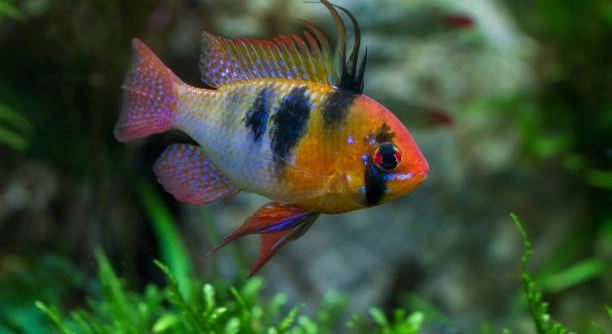
Convict cichlids are known for their strong pair bonds and distinct breeding behaviors. Observing their interactions can be fascinating, especially when you notice subtle changes in their swimming patterns and territorial habits within the tank.
Convict cichlids show clear signs of pairing through behaviors such as increased territorial defense, frequent swimming together, cleaning potential nesting sites, and displaying courtship gestures. Recognizing these patterns early helps aquarists support healthy breeding and maintain a balanced aquarium environment.
Noticing these early behaviors can make caring for your cichlids more rewarding and ensure their pairing process goes smoothly. Observing closely provides insight into their natural instincts and relationships.
Increased Territorial Behavior
When convict cichlids begin pairing, one of the most noticeable changes is their territorial behavior. They may become more aggressive toward other fish, patrolling specific areas of the tank and chasing intruders away. This behavior often starts subtly, with quick flares and short bursts of chasing, but it can intensify over time. The pair will usually stake out a preferred spot, often a corner, rock, or decoration that provides some cover. You might notice them circling the area together, positioning themselves near potential nesting sites, or guarding hiding places they favor. This territorial display is a natural part of their bonding process and serves to protect future eggs. For aquarists, recognizing these changes early can help prevent conflicts with other tank inhabitants. Providing enough space, hiding spots, and observing without interference ensures the pair can establish their territory safely and reduce stress in the tank.
Territorial displays are a clear sign that your convict cichlids are forming a pair.
Maintaining adequate space and monitoring their behavior is essential. Avoid rearranging decorations or overcrowding, as these actions can provoke unnecessary aggression. Supporting their territory naturally encourages healthy pair bonding and prepares them for breeding.
Cleaning and Preparing Nesting Sites
Convict cichlids start cleaning and preparing surfaces when they pair.
They often select smooth, flat areas such as rocks, aquarium glass, or decorations, meticulously cleaning the spot by rubbing and fanning with their fins. This behavior signals readiness for egg laying. The pair may spend hours clearing debris and ensuring the site is safe, sometimes moving small gravel pieces or rearranging elements. Watching them interact during this preparation can reveal subtle dynamics: one cichlid may lead, while the other assists, showing a coordinated effort that strengthens their bond. Providing suitable surfaces, such as flat stones or tiles, encourages this natural activity. Aquarists who observe these behaviors should avoid interrupting the pair, as stress can delay egg laying. Preparing the tank with adequate hiding spots nearby also allows the pair to feel secure. Supporting this natural behavior fosters a healthy environment for breeding and can lead to successful egg fertilization, ensuring the pair thrives together.
Swimming Together Frequently
Pairs of convict cichlids often swim closely together around the tank.
This synchronized swimming is a sign of bonding. They move side by side, explore territories, and sometimes mirror each other’s movements. This close proximity shows trust and signals their growing connection as a pair.
Observing their swimming patterns helps identify the pair. They may circle decorations or swim along the tank walls together. Even when other fish are nearby, the pair often stays coordinated, maintaining a small distance from others. This behavior strengthens their relationship and prepares them for breeding. Noticing this early can help you understand which cichlids are likely to form a stable pair.
Close swimming provides comfort and protection. The pair often remains alert while staying together, signaling commitment and coordination between them.
Displaying Courtship Gestures
Courtship gestures appear as head shaking, fin flaring, and gentle nudges.
These movements are deliberate and often repeated, showing interest in each other and readiness to breed. One fish may circle the other, display bright coloration, or fan fins to demonstrate health and strength. The gestures help reinforce the bond between the pair and indicate which fish will take the lead in defending territory and caring for eggs. Over time, these displays become more frequent and coordinated, signaling a strong pair bond. Observing these actions can give insight into their natural instincts and reproductive readiness.
Courtship is a vital behavior for convict cichlids. It not only strengthens the pair bond but also ensures both partners are aligned in their nesting and breeding efforts. Recognizing these gestures allows aquarists to support the pair effectively, providing suitable conditions for spawning and minimizing disturbances in the tank. By understanding these cues, you can anticipate the next stages in their reproductive cycle and maintain a healthy environment that encourages successful breeding outcomes.
Choosing a Nesting Spot
Pairs of convict cichlids spend time selecting a safe spot for eggs.
They often prefer flat surfaces, caves, or hidden areas. This choice reflects both protection instincts and comfort, ensuring a secure environment for their future offspring.
Observing them circling, nudging, or cleaning these areas indicates the selection process.
Increased Aggression Toward Other Fish
Aggression often rises as the pair solidifies.
The cichlids may chase or nip at intruders near their chosen territory. This behavior protects their nesting site and establishes dominance. Maintaining proper tank spacing helps reduce conflicts and stress for other fish.
Guarding Behavior
Once a site is chosen, guarding becomes more pronounced.
The pair stays close to the nesting area, patrolling constantly. They may flare fins, swim quickly toward intruders, or block access. This protective behavior ensures their eggs or fry are safe from potential threats, showing a clear indication of a bonded pair ready to reproduce.
Frequent Cleaning of the Nest
Cleaning continues regularly even after selection.
The pair scrubs the surface to remove debris or algae, keeping the site ideal for egg laying. Consistent cleaning demonstrates commitment and readiness to reproduce, supporting the natural breeding process.
How do I know if my convict cichlids are truly paired?
True pairing is usually evident through consistent behaviors like synchronized swimming, guarding a chosen nesting site, and performing courtship gestures. Pairs will spend most of their time together, showing increased territorial behavior toward other fish, and they often clean surfaces in preparation for eggs. Observing these behaviors over several days helps confirm a stable pair.
Can convict cichlids form pairs with multiple partners?
Convict cichlids are generally monogamous during a breeding cycle. While they may interact with other fish, a true pair focuses on the chosen nesting site and demonstrates protective and coordinated behaviors. Any attention to other fish is usually brief and does not indicate a second pairing.
What are the signs of courtship in convict cichlids?
Courtship involves fin flaring, head shaking, nudging, and circling one another. These gestures are repeated often and indicate readiness to breed. Bright coloration, active swimming together, and cleaning potential nesting spots are also strong signs. Courtship helps both fish establish roles in guarding and caring for eggs.
How long does it take for a pair to form?
Pair formation can take days to a few weeks, depending on tank conditions and individual fish personalities. Some pairs bond quickly, while others may take longer to display synchronized swimming, coordinated territory defense, and mutual cleaning of nesting sites. Observing consistent behavior over time is key.
Do I need to separate other fish during pairing?
It is recommended to give paired convict cichlids enough space and hiding spots. While separation is not always required, other fish should not have easy access to the pair’s chosen nesting area. Proper tank layout reduces stress and helps the pair focus on bonding and preparing for reproduction.
What tank conditions support pairing?
Stable water parameters, sufficient space, and hiding spots are critical. Clean, well-maintained water, moderate temperature, and minimal disturbances encourage natural behaviors. Flat surfaces or stones for egg laying, combined with a calm environment, allow the pair to feel secure while establishing territory and preparing the nest.
How can I encourage successful breeding once a pair forms?
Provide clean surfaces for eggs, maintain proper water conditions, and ensure the pair has sufficient space and privacy. Avoid rearranging decorations during this time. Observing their guarding, cleaning, and courtship behaviors indicates readiness, and minimizing stress increases the likelihood of successful spawning.
What if the pair becomes aggressive toward each other?
Mild aggression can occur but prolonged or severe fighting may indicate incompatibility or overcrowding. Ensure adequate space and hiding spots. In some cases, separating incompatible fish may be necessary to prevent injury, while giving other compatible pairs a chance to form naturally.
How can I tell when eggs have been laid?
Eggs are usually visible on cleaned surfaces and are small, round, and sticky. The pair will guard them closely, fanning water over them with their fins. Observing consistent guarding and minimal leaving of the site indicates that eggs have been successfully laid.
What should I do after the eggs hatch?
Once fry appear, the pair often continues guarding them. Maintaining clean water, stable temperature, and safe hiding areas supports fry survival. Avoid interfering, as the parents actively protect and guide the young, ensuring they grow safely while learning basic swimming and feeding behaviors.
Observing convict cichlids as they form a pair can be both fascinating and rewarding. These fish display clear signs when they are bonding, from increased territorial behavior to synchronized swimming and courtship gestures. Recognizing these behaviors early allows aquarists to provide the right conditions and support for the pair. Ensuring the tank has enough space, hiding spots, and suitable surfaces for nesting encourages natural interactions and reduces stress. It also helps maintain harmony with other tank inhabitants, preventing unnecessary aggression. Paying attention to these subtle changes in behavior can help identify which cichlids are likely to pair successfully.
Once a pair has formed, their interactions become more coordinated and purposeful. They often choose a nesting site together, clean it thoroughly, and guard it closely from other fish. Courtship behaviors, including fin flaring, head shaking, and nudging, become more frequent, demonstrating a strong bond and readiness to breed. Providing stable water conditions and a calm environment allows the pair to focus on these activities without distraction. Aquarists who observe these behaviors can better understand the natural instincts of convict cichlids and anticipate the stages of their reproductive process. These behaviors not only indicate a strong pair bond but also play a crucial role in the survival of eggs and fry, helping ensure that the next generation develops safely.
Supporting a paired pair of convict cichlids requires consistent care and observation. Avoiding sudden changes in the tank, such as rearranging decorations or overcrowding, helps maintain a stable environment where the fish feel secure. Once eggs are laid and fry hatch, the parents will continue guarding and guiding their young, demonstrating remarkable dedication and teamwork. Observing this process closely can provide insight into their natural behaviors and encourage a deeper appreciation for their instincts. By recognizing the signs of pairing and providing the proper conditions, aquarists can create a healthy environment that fosters both successful bonding and breeding, ensuring that the convict cichlids thrive in the aquarium.

Hello,
If you enjoy the content that we create, please consider saying a "Thank You!" by leaving a tip.
Every little bit helps us continue crafting quality advice that supports the health, happiness, and well-being of pets around the world, for pets of all shapes, sizes, and species.
We really appreciate the kindness and support that you show us!