
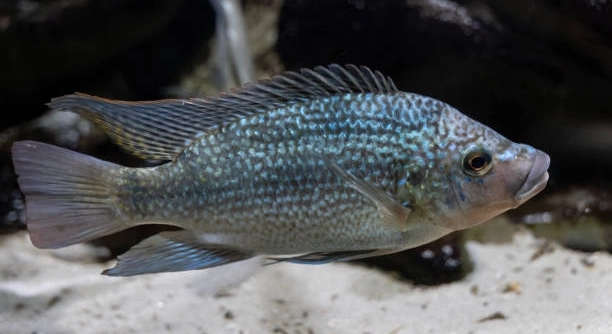
Convict cichlids are known for their vibrant colors and lively personalities, yet they are social creatures that require interaction. Observing their behavior can reveal signs of loneliness that may affect their well-being and daily activity levels.
Loneliness in convict cichlids often manifests through increased aggression, lethargy, reduced appetite, and repetitive swimming patterns. These behavioral changes indicate a lack of social stimulation or companionship, which can impact their overall health, stress levels, and capacity to thrive in captivity.
Recognizing these signs early allows for timely intervention to improve your fish’s quality of life and ensure a balanced, healthy aquarium environment.
Loss of Appetite
A convict cichlid experiencing loneliness often eats less or shows little interest in food. This behavior can be subtle at first, such as leaving flakes or pellets uneaten, but it may worsen over time. Reduced feeding is a response to stress and isolation, which affects the fish’s overall health. When appetite declines, energy levels drop, making the fish less active and more prone to illness. Maintaining proper nutrition is essential, and ignoring these signs can lead to weight loss and weakened immunity. Observing daily eating patterns helps identify changes early. Providing a balanced diet and stimulating the tank environment encourages normal feeding behavior. Loneliness can be addressed by adding compatible companions or rearranging tank elements to create a more engaging space. Consistent monitoring ensures that the fish regains appetite and maintains proper growth. Prompt action prevents long-term health consequences while improving the fish’s overall well-being in captivity.
Appetite changes in lonely cichlids often signal stress or boredom, requiring immediate attention.
Encouraging feeding includes offering small, frequent meals, varied food types, and interactive feeding routines. Observing feeding behavior closely ensures the fish consumes enough nutrition to stay healthy. Environmental improvements, like hiding spots and decorations, can also increase comfort and reduce stress.
Repetitive or Pacing Behavior
Repetitive swimming or pacing along the tank edges is a common sign of loneliness. The fish may move back and forth for long periods, ignoring other tank features.
This behavior indicates stress and a need for social or environmental stimulation.
Altering the tank layout by adding plants, rocks, or barriers can reduce pacing. Introducing a compatible tank mate encourages natural interaction and breaks the cycle of repetitive movement. Maintaining water quality and stable temperatures also supports normal activity. Observing these changes carefully helps identify whether the behavior is temporary or persistent. Consistent intervention improves mental and physical health, reducing stress levels. Ensuring the convict cichlid has adequate space to explore and interact is key to preventing ongoing repetitive behavior and promoting a balanced, healthy environment in the aquarium.
Hiding More Than Usual
Lonely convict cichlids tend to hide frequently, staying behind rocks, plants, or decorations. This behavior is a clear sign of stress and lack of social interaction. Extended hiding can affect their activity levels and overall health, signaling the need for environmental or social adjustments.
Hiding reduces exposure to perceived threats, but when it becomes constant, it impacts the fish’s well-being. The fish may avoid feeding, swimming, or interacting with other tank inhabitants. Creating more hiding spots can help, but isolation should not be the only solution. Observing when and how often the cichlid hides provides insight into its emotional state. Sometimes, adding one or two compatible tank mates can encourage the fish to emerge more often and regain confidence. A balanced approach with stimulation and comfort is key to reducing stress and promoting natural behavior.
Providing a mix of open swimming space and secure hiding areas allows the cichlid to feel safe while remaining active. Adjusting lighting, decorations, and companions helps balance comfort and engagement.
Changes in Coloration
Stress from loneliness can lead to duller or faded coloration in convict cichlids. Bright, vibrant colors often fade when the fish is isolated or inactive.
Color changes are a physiological response to prolonged stress and can indicate underlying health issues if not addressed. Poor water quality or limited stimulation may also contribute to the fading of colors, but isolation is a common factor. Maintaining consistent water conditions and monitoring for illness supports recovery of natural coloration. A lively, enriched environment encourages normal pigment expression, helping the cichlid regain its usual appearance.
Adding companions or enhancing the tank environment promotes social interaction and reduces stress, allowing colors to return. Observing patterns in lighting, feeding, and activity ensures the fish remains healthy. Adjusting tank conditions, including water parameters, hiding spots, and interactive elements, supports mental and physical health. Regular monitoring and prompt action prevent prolonged stress that can permanently affect coloration. The combination of stimulation, socialization, and proper care restores vibrancy while improving overall behavior and energy levels.
Excessive Gill Flare
Lonely convict cichlids may flare their gills more frequently than usual, signaling stress or agitation. This behavior can occur even without nearby threats, indicating the fish is reacting to its isolation.
Frequent gill flaring can lead to exhaustion and increased vulnerability to disease. Observing this pattern helps identify stress early and allows for interventions such as adding companions or enhancing the environment.
Lack of Social Interaction
A convict cichlid that avoids other fish or ignores attempts at interaction is likely experiencing loneliness. Reduced social engagement can affect its natural behaviors, including feeding, territory defense, and activity levels. Maintaining some level of social stimulation, either through compatible tank mates or environmental enrichment, is essential to prevent stress and ensure the fish remains healthy.
Restless Swimming
Lonely cichlids may swim continuously without settling, moving across the tank repeatedly. This restless behavior indicates frustration or a lack of engagement with their surroundings.
FAQ
How can I tell if my convict cichlid is lonely?
Loneliness in convict cichlids often shows through behavioral changes. Common signs include increased aggression, hiding more than usual, pacing along tank edges, reduced appetite, and duller coloration. Observing these behaviors consistently over time indicates the fish may need social interaction or environmental enrichment.
Is it safe to add another cichlid to reduce loneliness?
Adding a compatible cichlid can help reduce loneliness, but careful planning is necessary. Introduce a similar-sized, non-aggressive fish and monitor interactions closely. Provide hiding spots and separate territories to prevent fighting. Gradual introductions and supervision ensure a safer transition and reduce stress for both fish.
Can environmental changes reduce loneliness without adding tank mates?
Yes, adjusting the tank environment can help. Adding plants, rocks, and decorations creates hiding spots and stimulation. Rearranging the layout periodically encourages exploration. Providing varied water currents, lighting, and interactive elements can engage the cichlid, reducing stress caused by isolation while promoting natural behaviors.
How does loneliness affect my cichlid’s health?
Loneliness can lead to stress, which weakens the immune system. This makes the fish more prone to illness, weight loss, and reduced growth. Behavioral issues such as aggression, lethargy, pacing, or hiding frequently are often linked to prolonged isolation, signaling the need for intervention to maintain long-term health.
How many cichlids should I keep together?
Convict cichlids are territorial but still benefit from social interaction. A single pair or a small group works best in appropriately sized tanks. Overcrowding increases aggression, while complete isolation leads to stress. Balancing numbers, tank size, and hiding areas ensures social engagement without creating conflict.
What type of tank setup helps prevent loneliness?
A well-structured tank includes hiding spots, plants, rocks, and open swimming areas. This allows the fish to explore, retreat, and establish territories. Proper filtration, stable water temperature, and clean conditions also contribute to overall well-being, helping reduce stress caused by isolation.
Can loneliness cause my cichlid to stop eating?
Yes, a lonely cichlid may lose interest in food. Stress and lack of stimulation reduce appetite, which can lead to weight loss or illness. Providing a more engaging environment or introducing compatible tank mates often restores normal feeding behavior and improves overall health.
How long does it take for a cichlid to adjust to new companions?
Adjustment time varies depending on individual temperament, tank size, and environmental conditions. Some fish adapt within days, while others may take several weeks. Monitoring interactions closely, providing hiding spots, and maintaining consistent water quality help ensure a smoother transition and reduce stress.
Can loneliness affect my cichlid’s coloration?
Stress from isolation often causes dull or faded colors. Vibrant colors typically return once the fish experiences social interaction or environmental enrichment. Maintaining stable water conditions, proper diet, and stimulation supports natural pigmentation and overall vitality.
Is it necessary to separate aggressive cichlids?
If aggression escalates despite environmental adjustments, separating fish may be required. Overly aggressive individuals can injure others and increase stress. Providing dividers or moving the aggressive fish to a different tank helps maintain a balanced, safe environment for all inhabitants.
What daily observations should I make to prevent loneliness?
Watch for changes in behavior, activity, feeding, and coloration. Note patterns like hiding, pacing, or aggression. Consistent monitoring allows early detection of stress, ensuring timely intervention through tank adjustments, environmental enrichment, or social additions to keep the fish healthy and active.
Can tank size influence loneliness?
Yes, small tanks limit swimming space and territory options, increasing stress. Larger tanks provide room for social interaction and personal space. Ensuring adequate space allows natural behaviors, reduces aggression, and helps prevent the negative effects of loneliness.
Are there signs that loneliness is becoming severe?
Persistent lethargy, extreme hiding, refusal to eat, or constant pacing indicates severe stress. These behaviors require immediate attention through environmental enrichment, companion introduction, or professional guidance to prevent long-term health issues.
How often should I rearrange the tank for stimulation?
Periodic adjustments every few weeks can encourage exploration and reduce boredom. Move decorations, add new plants, or adjust hiding spots to keep the environment engaging. Avoid sudden drastic changes that may increase stress.
Can a lonely cichlid harm other fish in the tank?
Yes, stress from isolation can increase aggression. The fish may chase, nip, or guard territory excessively. Providing hiding spots, compatible companions, and adequate space reduces the risk of injury and promotes calmer interactions among tank inhabitants.
Is it possible for a cichlid to thrive alone?
Some convict cichlids manage to live alone, but most benefit from interaction or stimulation. Without social or environmental enrichment, stress and behavioral issues often appear. Observing activity, appetite, and behavior helps ensure the fish remains healthy even in solitary conditions.
What food or feeding practices support a lonely cichlid?
Offering varied diets with high-quality pellets, frozen, or live foods encourages interest in feeding. Small, frequent meals mimic natural foraging and provide engagement. Combining feeding with environmental enrichment, such as hiding food, promotes activity and reduces stress caused by isolation.
How do I know if my cichlid has bonded with a companion?
Signs of bonding include reduced aggression, shared territories, synchronized swimming, and mutual exploration. The fish appear calmer, more active, and return to normal feeding behavior. Observing these interactions helps gauge compatibility and the effectiveness of social enrichment.
Are there risks to introducing multiple companions at once?
Introducing several fish simultaneously can cause territorial disputes and heightened stress. Gradual introductions, monitoring, and sufficient space minimize conflict. Start with one compatible companion and assess behavior before adding others to maintain a balanced, safe environment.
What professional help is available for behavioral issues in cichlids?
Aquarium specialists, experienced breeders, and veterinarians can offer guidance on aggression, stress, and loneliness. They provide advice on tank setup, compatible companions, and health monitoring to ensure the convict cichlid thrives in a safe, stimulating environment.
Can loneliness cause long-term behavioral problems?
Yes, prolonged isolation can result in persistent aggression, chronic stress, and abnormal swimming patterns. Early intervention with social interaction and environmental enrichment prevents these long-term issues and supports a healthier, more balanced convict cichlid.
What is the best way to balance social and solitary needs?
Provide adequate space, hiding spots, and compatible companions. Observe behavior closely, adjusting the environment as needed. A mix of interaction and personal space ensures the cichlid remains mentally and physically healthy while reducing stress from isolation or overcrowding.
How do I know if my tank environment is stimulating enough?
A stimulating tank has varied decorations, open swimming areas, and hiding spots. The cichlid explores, interacts with its surroundings, and shows normal activity. Lack of engagement, pacing, or hiding signals the need for enrichment or social companions to reduce loneliness and stress.
Can introducing toys or objects help?
Yes, adding stones, tunnels, or movable decorations encourages exploration. Interactive elements mimic natural habitats, keeping the fish engaged. Combined with proper tank mates and feeding routines, this reduces stress and prevents boredom-related behaviors.
How often should I monitor behavior to detect loneliness?
Daily observation is ideal. Tracking activity levels, feeding patterns, aggression, and coloration helps identify changes early. Prompt adjustments in social interaction or tank enrichment prevent long-term stress and maintain overall health.
Are some cichlids more prone to loneliness than others?
Individual temperament plays a role. Some are naturally more social or territorial. Monitoring behavior, even in generally hardy fish, ensures timely intervention for those showing signs of stress, hiding, or abnormal patterns due to isolation.
Can lighting affect loneliness-related behaviors?
Proper lighting encourages natural activity and exploration. Too dim or harsh lighting can increase hiding or stress. Balanced, consistent lighting helps regulate behavior, supports feeding, and reduces the effects of loneliness in convict cichlids.
What is the first step if I notice loneliness signs?
Assess tank conditions, water quality, and enrichment. Consider compatible companions if space allows. Introduce changes gradually, monitor behavior, and maintain feeding routines to reduce stress. Early action prevents escalation of behavioral and health issues.
How do I know if loneliness interventions are working?
Improvement is seen through increased activity, normal feeding, reduced aggression, and brighter coloration. The cichlid interacts with tank mates or explores the environment more consistently, indicating that stress levels have decreased and social or environmental enrichment is effective.
What common mistakes should I avoid when addressing loneliness?
Avoid overcrowding, sudden changes, or incompatible companions. Neglecting hiding spaces or enrichment can worsen stress. Gradual adjustments, careful observation, and proper tank management ensure interventions are safe and effective.
Can loneliness affect breeding behavior?
Yes, isolated cichlids may delay or avoid breeding. Pairing with a compatible mate and providing proper territory and environmental stimulation encourages normal reproductive behavior and reduces stress-related inhibition.
Is there a recommended number of hiding spots per fish?
Multiple hiding spots per individual reduce stress and allow territorial separation. Rocks, plants, and tunnels create safe areas, preventing conflict while promoting natural behavior. Observing fish use of these areas guides further adjustments to maintain comfort and activity.
Do cichlids show signs of loneliness immediately?
Signs may appear gradually over days or weeks. Subtle changes like reduced feeding, hiding, or pacing often precede more obvious stress behaviors. Early detection is essential to prevent long-term impacts on health and behavior.
Can water quality issues mimic loneliness behaviors?
Yes, poor water conditions can cause lethargy, hiding, or aggression similar to loneliness. Regular testing and maintenance ensure behavior changes are properly attributed to social or environmental factors rather than health risks.
Are there alternative ways to provide social interaction?
Mirrors, visual contact with neighboring tanks, or gentle interaction through glass can provide limited stimulation. These methods supplement environmental enrichment but do not fully replace the benefits of compatible companions for reducing loneliness.
How long should I monitor after introducing changes?
Observe behavior for at least two to four weeks. Gradual adaptation allows the fish to adjust to companions, decorations, or feeding routines. Continuous monitoring ensures interventions are effective and stress levels remain low.
What is the role of diet in reducing loneliness stress?
A varied, high-quality diet supports energy, vitality, and immune function. Engaging feeding practices, like hiding food or offering live treats, stimulate natural behavior, reducing stress associated with isolation while promoting health and activity.
Can stress from loneliness cause disease?
Yes, chronic stress weakens the immune system, increasing susceptibility to infections and parasites. Prompt social or environmental interventions help prevent illness and maintain overall health.
How do I choose compatible tank mates?
Select fish of similar size, temperament, and environmental needs. Avoid overly aggressive or territorial species. Gradual introduction, observation, and ample hiding spots reduce conflict and encourage healthy social interaction.
Are there signs of permanent behavioral changes due to loneliness?
Persistent aggression, excessive hiding, or abnormal swimming can become long-term if isolation is prolonged. Early intervention prevents permanent behavioral issues, ensuring the cichlid remains active and healthy.
Can changing tank decorations alone improve loneliness?
Decor adjustments help by providing stimulation and territory options but are most effective when combined with social interaction or companions. A mix of enrichment strategies ensures the cichlid’s mental and physical health.
How do I balance aggression and social needs?
Provide sufficient space, hiding spots, and compatible companions. Observe behavior and adjust gradually. Balanced environments allow social interaction without triggering territorial conflicts.
What is the best way to track behavioral improvements?
Keep a log of activity, feeding, interactions, and coloration. Note any changes after interventions. Consistent monitoring allows timely adjustments and confirms whether environmental or social changes reduce loneliness and stress.
How often should tank water be checked to support mental health?
Weekly testing and maintenance of water quality prevent stress-related behaviors. Stable conditions support normal activity, feeding, and coloration, reducing effects of loneliness.
Is it necessary to separate fish if aggression increases?
Separation may be required if aggression persists despite interventions. Temporary or permanent dividers prevent injury and reduce stress, ensuring all fish remain healthy and balanced in the tank.
Can adding plants alone improve loneliness?
Plants provide hiding spots, stimulation, and visual interest. They help reduce stress, encourage exploration, and support natural behavior, though companions or additional enrichment are still recommended for full social needs.
Are there specific signs that a cichlid is ready to socialize?
Increased swimming, reduced hiding, willingness to approach companions, and active feeding indicate readiness. Positive interaction and exploration show the fish is adjusting to social or environmental enrichment.
How do I prevent loneliness in new cichlids?
Plan tank size, decorations, and companions before introducing fish. Gradual introductions, proper feeding, and environmental enrichment reduce initial stress and help establish healthy social behavior from the start.
Can water flow influence loneliness behaviors?
Moderate currents encourage activity and exploration. Stagnant areas may increase hiding or pacing. Adjusting water flow supports natural movement and engagement, reducing stress from isolation.
Is monitoring coloration a reliable loneliness indicator?
Yes, fading or dull colors often reflect stress from isolation. Restoration of vibrant coloration after social or environmental enrichment indicates improved mental and physical health.
Can loneliness lead to abnormal swimming patterns?
Yes, pacing, repetitive circling, or erratic movement are common. These behaviors signal frustration or stress. Intervention through enrichment or companions helps restore normal activity patterns.
Should I intervene immediately if I notice loneliness signs?
Prompt action is important. Assess environmental factors, consider compatible companions, and provide enrichment. Early intervention prevents escalation of stress, behavioral issues, and health problems.
How do I maintain a healthy balance between activity and rest?
Provide open swimming space, hiding areas, and proper lighting. Encourage exploration while allowing safe retreat. Balanced activity reduces stress, prevents boredom, and supports natural behaviors.
Are there long-term strategies to prevent loneliness?
Regular tank maintenance, environmental enrichment, compatible companions, and consistent observation create a stable, engaging habitat. Preventative care ensures mental and physical well-being, reducing the risk of stress-related behaviors in convict cichlids.
What is the safest approach to introducing tank mates?
Introduce one companion at a time, monitor behavior closely, and provide hiding spots. Gradual acclimation reduces aggression, encourages social interaction, and maintains a calm, healthy environment.
Can behavioral logs help in reducing loneliness?
Yes, tracking activity, feeding, coloration, and social interactions highlights patterns. Logs help identify stress early, measure improvement after interventions, and guide environmental or social adjustments for optimal care.
How do I know if enrichment is enough?
If the cichlid explores, feeds normally, interacts with companions, and shows vibrant coloration, enrichment is likely sufficient. Continued observation ensures the environment remains engaging and stress-free.
Can multiple interventions be used together?
Yes, combining companions, environmental enrichment, and feeding strategies is most effective. Coordinated changes address multiple aspects of loneliness, reducing stress and promoting healthy, natural behavior.
What are the risks of ignoring loneliness?
Chronic stress, illness, abnormal behaviors, weight loss, aggression, and reduced lifespan can result. Early recognition and intervention are essential to maintain the cichlid’s health and overall quality of life.
How can I tell if my efforts are successful?
Signs of success include normal feeding, active swimming, reduced hiding, vibrant colors, and positive social interactions. Continuous monitoring confirms that interventions improve mental and physical well-being.
How often should I reassess tank setup for loneliness prevention?
Periodic reassessment every few weeks ensures decorations, hiding spots, companions, and feeding practices remain effective. Adjustments help maintain engagement and reduce stress over time.
Are there signs of stress unrelated to loneliness?
Yes, poor water quality, illness, or temperature fluctuations can cause hiding, lethargy, or aggression. Distinguishing between environmental and social stress is critical for effective intervention.
Can diet alone improve loneliness behaviors?
Diet supports health but cannot fully address loneliness. Combined with enrichment and social interaction, feeding strategies help reduce stress and encourage activity.
Is it okay if a cichlid prefers solitude?
Some individuals naturally prefer less interaction. As long as activity, feeding, and health remain normal, occasional solitude is acceptable. Monitoring ensures the fish is not stressed or unhealthy.
How does stress affect breeding in lonely cichlids?
Stress from isolation can delay or inhibit breeding behavior. Introducing a compatible mate and proper environmental stimulation encourages reproductive activity while reducing stress-related delays.
What is the best combination of interventions for long-term results?
Provide compatible companions, varied decorations, multiple hiding spots, interactive feeding, stable water conditions, and consistent monitoring. This balanced approach ensures the convict cichlid remains healthy, active, and less prone to stress from loneliness.
Can loneliness affect energy levels?
Yes, lonely cichlids often display lethargy or restless pacing. Environmental enrichment and social companions help restore normal energy, activity, and engagement with their surroundings.
Should I consult a veterinarian for behavioral changes?
If aggression, lethargy, or health issues persist despite interventions, a veterinarian or aquarium specialist can provide guidance on treatment, tank adjustments, and overall well-being strategies.
Is there a difference between male and female cichlids in response to loneliness?
Males may show more territorial aggression, while females may hide more frequently. Both require social or environmental enrichment to reduce stress and maintain healthy behavior.
Can mirrors be used as a substitute for companions?
Mirrors provide visual stimulation but cannot fully replace interaction with real fish. They may reduce boredom temporarily but should be paired with enrichment and proper tank mates for effective social support.
How do I prevent repeated loneliness in the future?
Maintain proper tank size, compatible companions, diverse decorations, regular monitoring, and varied feeding routines. Early intervention and consistent enrichment prevent stress and behavioral issues from recurring.
What are the most common mistakes when addressing loneliness?
Overcrowding, sudden introduction of multiple companions, ignoring hiding spots, poor water quality, and insufficient monitoring can worsen stress. Gradual, balanced interventions are critical for success.
Can water temperature influence loneliness behavior?
Stable, appropriate temperatures support activity and reduce stress. Sudden fluctuations may increase hiding, aggression, or lethargy, exacerbating loneliness-related behaviors.
How do I balance multiple cichlids in one tank?
Ensure adequate space, hiding spots, and compatible companions. Observe behavior carefully, intervene when aggression arises, and maintain stable environmental conditions to balance social needs.
Are some behaviors irreversible if loneliness is prolonged?
Persistent aggression, abnormal swimming, or chronic stress may become long-term. Early intervention is key to preventing irreversible behavioral issues and maintaining health.
Can enrichment alone solve all loneliness problems?
Enrichment helps but is most effective when combined with compatible companions. A combination of social interaction, environmental stimulation, and proper care ensures the cichlid thrives.
**How do I
Final Thoughts
Convict cichlids are social and active fish that need interaction and stimulation to thrive. Loneliness can affect them in ways that are not always obvious at first, from subtle behavioral changes to more serious health consequences. Signs such as increased aggression, lethargy, hiding, reduced appetite, pacing, or faded coloration often indicate that a fish is experiencing stress due to isolation. Recognizing these behaviors early allows for timely action, which can prevent long-term problems. A healthy, well-stimulated convict cichlid is more likely to remain active, eat well, and display its natural, vibrant colors. Paying attention to daily activity patterns, feeding habits, and interactions with other tank inhabitants provides valuable insight into the fish’s well-being.
Addressing loneliness requires a combination of strategies. Environmental enrichment, such as adding plants, rocks, hiding spots, and tunnels, encourages natural exploration and activity. Rearranging the tank periodically or introducing new decorations keeps the environment engaging. Social interaction is also important, and adding compatible tank mates in a controlled, gradual manner can reduce stress and promote normal behavior. Feeding practices play a role as well. Offering a varied diet and interactive feeding opportunities helps maintain interest in food and stimulates natural foraging behavior. Together, these steps create a balanced habitat that meets the physical and mental needs of the convict cichlid, improving overall health and longevity. Observing the fish’s response to these changes ensures that the interventions are effective and allows adjustments when necessary.
Long-term care of convict cichlids involves continuous observation and regular maintenance of their environment. Stable water conditions, proper filtration, consistent temperatures, and balanced diets are foundational for reducing stress and supporting health. Monitoring behavior over time is key to detecting early signs of loneliness, aggression, or illness. Even small adjustments, such as rearranging decorations, providing additional hiding spots, or introducing a compatible companion, can make a significant difference in the fish’s well-being. A proactive approach ensures that the convict cichlid remains active, healthy, and engaged with its surroundings. By creating a supportive and stimulating habitat, you can prevent the negative effects of isolation and promote a thriving aquarium environment that allows your cichlids to live full, balanced lives.

Hello,
If you enjoy the content that we create, please consider saying a "Thank You!" by leaving a tip.
Every little bit helps us continue crafting quality advice that supports the health, happiness, and well-being of pets around the world, for pets of all shapes, sizes, and species.
We really appreciate the kindness and support that you show us!