
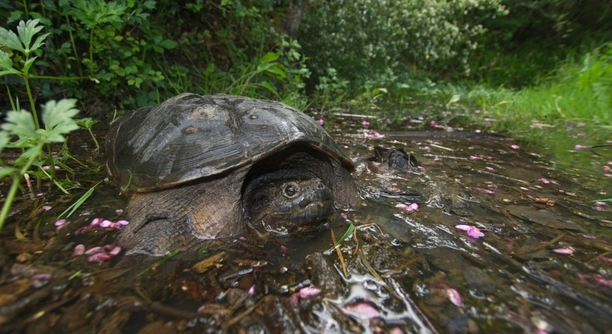
A snapping turtle’s shell is crucial for its protection and health. If it’s too soft, this can lead to serious concerns for your pet’s well-being. Recognizing the signs early can help prevent long-term damage.
A soft shell in a snapping turtle may indicate poor nutrition, illness, or environmental stress. A lack of calcium, dehydration, or improper habitat conditions can contribute to this issue. Regular checks on your turtle’s shell can help identify these problems.
Identifying a soft shell early can make a significant difference in your snapping turtle’s health and quality of life.
Poor Diet and Lack of Calcium
A snapping turtle’s shell strength largely depends on its diet. A diet lacking in calcium can cause the shell to become weak and soft. Without calcium, the turtle cannot properly form the hard outer layer, which puts its health at risk. In the wild, turtles naturally consume calcium-rich foods like aquatic plants and small animals, but in captivity, you must ensure their diet is well-balanced. It’s essential to provide foods such as leafy greens, calcium supplements, or crushed eggshells to avoid calcium deficiency.
Adding calcium to their diet can help strengthen the shell, but you also need to ensure they are getting enough vitamin D3. This vitamin is crucial for the proper absorption of calcium. Turtles often get their vitamin D3 through exposure to UVB lighting. Without proper UVB light, even if you feed them enough calcium, they may not be able to use it efficiently. Providing both proper lighting and diet is key.
If you’re unsure about what to feed your turtle, seek advice from a veterinarian. A balanced diet and proper UVB lighting can significantly improve your turtle’s shell health.
Inadequate Habitat Conditions
Environmental conditions play a large role in the health of a turtle’s shell. If the habitat is not properly maintained, the turtle’s shell can suffer. Turtles need access to both water and a dry area where they can bask under UVB light. If they don’t have the proper temperature or humidity, their shell may soften over time.
Turtles are very sensitive to changes in their environment. If the basking area is too cold or if there’s not enough access to sunlight or UVB light, they may not be able to absorb the calcium they need. Regular cleaning and monitoring of the habitat’s temperature and humidity are crucial steps in ensuring your turtle’s shell remains strong and healthy.
Illness and Health Conditions
Illnesses like metabolic bone disease or shell rot can cause the shell to soften. These conditions often arise from poor diet, lack of calcium, or inadequate habitat. If your turtle has soft spots or visible deformities on its shell, it might be suffering from an underlying health issue.
Metabolic bone disease, for instance, affects the bones and shell, weakening them over time. Shell rot, on the other hand, occurs when bacteria invade the shell, leading to damage and softening. Both conditions require prompt veterinary attention. Early detection and treatment can prevent further harm to your turtle. Addressing these issues quickly will also help restore shell strength.
Both conditions are treatable with the right care. Ensuring proper diet, lighting, and regular check-ups can help maintain shell health and prevent these diseases.
Lack of Proper UVB Lighting
UVB lighting is crucial for your turtle’s health, especially for calcium absorption. Without it, even if the turtle is fed calcium-rich foods, it won’t be able to properly process the nutrients. This leads to a soft shell over time.
UVB light helps turtles produce vitamin D3, which aids in calcium absorption. Without proper UVB lighting, calcium will not be utilized effectively, which contributes to weak bones and a soft shell. Even if you provide a balanced diet, the lack of UVB light can hinder your turtle’s shell health.
Make sure to provide your turtle with a reliable UVB light source. A good UVB light should be placed at the right distance from the basking area, and it’s important to replace it regularly to maintain effectiveness. Regular exposure to UVB light will help prevent shell softening and ensure overall health.
Stress and Anxiety
Stress can also play a significant role in the softening of a snapping turtle’s shell. Environmental changes, sudden handling, or unfamiliar noises can all cause stress. If your turtle is constantly exposed to stressful situations, it may show signs of shell weakness.
Providing a stable and quiet environment is essential for your turtle’s well-being. Too much activity around the tank, frequent moving, or loud sounds can cause anxiety, leading to health issues. Keeping their habitat calm and predictable helps minimize stress, allowing your turtle to feel safe and comfortable. This reduces the risk of shell problems.
Inappropriate Tank Size
Turtles need space to roam and swim. An overly small tank can contribute to a variety of health issues, including softening of the shell. When confined to a small space, your turtle may experience stress, reduced movement, and poor health.
A proper tank size allows your turtle to move freely, bask in the appropriate areas, and have access to clean water. This helps keep their shell healthy and strong. Providing a larger, well-maintained habitat will help prevent the development of shell problems and improve your turtle’s overall health.
Overfeeding or Improper Diet
Overfeeding or feeding the wrong type of food can lead to health issues. While a balanced diet is essential, too much food, especially protein-heavy food, can cause obesity and shell problems.
FAQ
What are the signs of a soft shell in a snapping turtle?
A snapping turtle with a soft shell will often show visible softness or a flexible, malleable shell. The shell may appear slightly sunken or deformed, and in extreme cases, there could be soft spots. You may also notice the turtle’s shell is easy to dent when pressure is applied. These signs are indicators that the shell isn’t strong and may be vulnerable to damage.
What causes a snapping turtle’s shell to become soft?
Several factors can contribute to a snapping turtle’s shell becoming soft. Poor diet, specifically a lack of calcium, is a major cause. An insufficient amount of UVB light, inadequate habitat conditions, or health issues such as metabolic bone disease or shell rot can also lead to a soft shell. Additionally, stress from environmental changes or improper tank size can negatively impact shell health.
How can I prevent my snapping turtle’s shell from becoming soft?
Ensuring a proper diet that includes calcium-rich foods is key. Regular access to UVB lighting is necessary for calcium absorption. Also, make sure your turtle has a well-maintained habitat that provides both water and a dry basking area. Reduce stress by minimizing handling and environmental disturbances. Regular veterinary check-ups will help identify any health issues early on, and provide appropriate treatments to prevent shell softening.
Is it normal for my turtle’s shell to soften over time?
No, it’s not normal for a snapping turtle’s shell to soften as it ages. While minor changes in the shell can occur, it should remain strong and protective throughout the turtle’s life. If the shell becomes soft or weak, this usually signals an underlying problem that needs to be addressed immediately.
How much calcium does my snapping turtle need?
A snapping turtle requires a steady supply of calcium to maintain a healthy shell. While the exact amount may vary depending on age and diet, generally, they should receive calcium supplements or foods high in calcium at least a few times a week. Foods like collard greens, dandelion greens, and calcium-enriched pellets are great choices. If in doubt, consult a vet to determine the correct dosage based on your turtle’s individual needs.
Can stress cause a turtle’s shell to soften?
Yes, stress can contribute to various health issues, including softening of the shell. Stressful situations, such as sudden environmental changes, excessive handling, or overcrowding, can weaken the turtle’s immune system. When this happens, it can lead to poor shell health. Creating a calm, stable environment for your turtle will help reduce stress and promote better shell health.
How can I tell if my turtle is stressed?
A stressed turtle may display certain behaviors such as hiding, excessive swimming in circles, or lethargy. It may also become more aggressive or withdrawn. If your turtle is frequently basking in an abnormal position, or if it stops eating, these could be signs of stress. Keeping your turtle’s environment quiet and consistent can help alleviate stress.
What should the UVB lighting setup look like for my snapping turtle?
Your turtle needs UVB lighting for at least 10-12 hours a day. The light should be placed above the basking area but not too far away. UVB bulbs should be replaced regularly, as their effectiveness diminishes over time. The distance between the light and the turtle should be within the manufacturer’s recommended range to ensure proper exposure to UVB rays. A temperature gradient between the basking area and water is also necessary for the turtle’s health.
What is metabolic bone disease, and how does it affect my turtle’s shell?
Metabolic bone disease (MBD) is a condition caused by an imbalance in calcium, phosphorus, and vitamin D3 levels. Without adequate calcium or UVB light, a turtle can develop MBD, which weakens the bones and shell. Affected turtles may experience soft or deformed shells, bone fractures, or difficulty moving. MBD can be treated with proper calcium supplementation and UVB lighting, but early diagnosis is essential.
Can my snapping turtle recover from a soft shell?
Yes, a snapping turtle can recover from a soft shell if the underlying causes are addressed. A combination of proper diet, calcium supplementation, and UVB lighting will help the shell strengthen over time. If health issues like metabolic bone disease or shell rot are involved, treatment from a veterinarian will be necessary. Recovery can take time, but with consistent care, your turtle’s shell can regain its strength.
How often should I take my snapping turtle to the vet?
It’s a good idea to take your snapping turtle for a check-up at least once a year. Regular visits help ensure that your turtle is healthy and that any potential issues are caught early. If your turtle shows signs of softening shell or other health problems, it’s best to consult a veterinarian immediately. Early intervention can make a big difference in the outcome.
Final Thoughts
Taking proper care of your snapping turtle is essential for its overall health and shell integrity. A soft shell is often a sign of an underlying issue that needs immediate attention. By providing the right environment, diet, and regular care, you can prevent many of the problems that lead to shell softening. Ensuring your turtle gets the proper amount of calcium, UVB light, and a stress-free habitat is crucial for maintaining a strong and healthy shell.
If you notice any changes in your turtle’s shell, such as softness or deformities, it’s important to act quickly. Early intervention is key to preventing more serious health problems. By adjusting their diet, increasing calcium intake, and improving their living environment, many turtles can recover from soft shells. In some cases, a veterinarian may be needed to diagnose and treat underlying health issues, such as metabolic bone disease or shell rot. Don’t hesitate to seek professional care when necessary.
A snapping turtle’s shell is vital to its survival. Keeping it strong and healthy ensures that your turtle can live a long, happy life. Always be mindful of your turtle’s needs and make adjustments to its care as necessary. Regular check-ups with a vet can help identify potential issues before they become severe. By staying informed and attentive to your turtle’s well-being, you can ensure that it thrives in a safe and supportive environment.

Hello,
If you enjoy the content that we create, please consider saying a "Thank You!" by leaving a tip.
Every little bit helps us continue crafting quality advice that supports the health, happiness, and well-being of pets around the world, for pets of all shapes, sizes, and species.
We really appreciate the kindness and support that you show us!