
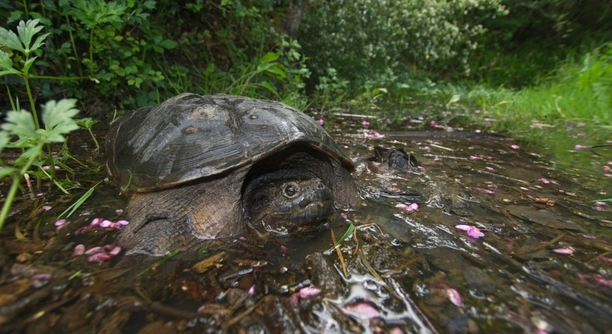
Snapping turtles are fascinating creatures, but like all pets, they can experience stress. Recognizing the signs of stress in your snapping turtle is crucial to maintaining its health and well-being.
The most common indicators of stress in a snapping turtle include behavioral changes such as aggression, hiding, or excessive basking. These signs may result from factors like improper habitat conditions, changes in diet, or handling.
Knowing the signs of stress will help you ensure your snapping turtle stays happy and healthy, avoiding potential long-term issues.
Changes in Behavior
Stress in snapping turtles can often be noticed through noticeable changes in their behavior. When they feel stressed, these turtles may become more aggressive or shy away from interactions. They might bite, lunge, or try to escape their enclosures. Stress can also cause them to hide more often, retreating to the darkest corners of their habitat. Excessive basking is another sign. If your turtle is basking longer than usual, it may indicate that it is not feeling secure in its environment. Stress might also cause a lack of interest in eating, further affecting your turtle’s health.
While behavior changes are common, they often stem from specific environmental or physical factors. Monitoring your turtle’s habits can help you pinpoint whether these behaviors are due to stress or an underlying health issue. If you notice these shifts, it’s important to act quickly to create a more comfortable living space for your turtle.
Ensure your snapping turtle’s environment is safe and calm to reduce stress. Provide hiding spots and the correct temperature to support their natural needs.
Improper Habitat Conditions
The environment in which your snapping turtle lives plays a significant role in its stress levels. A poor habitat can lead to significant discomfort and anxiety. The tank size should be large enough to allow your turtle to move freely. If the space is too small, your turtle may feel trapped and stressed.
The water temperature is another crucial factor. Snapping turtles require water at a specific temperature range, usually between 75°F and 85°F. If the water is too cold or too warm, it can lead to stress and affect your turtle’s health. In addition, water quality is key—dirty water can cause skin and shell issues, which contribute to stress. Regular water changes and filtration systems are essential to maintaining a healthy environment.
Finally, lighting is an often-overlooked factor. Snapping turtles need both UVA and UVB light to stay healthy. Lack of proper lighting can cause stress, as turtles rely on these lights for thermoregulation and calcium absorption. So, ensure that your turtle’s habitat meets all of these requirements for its well-being.
Overhandling
Overhandling can stress out your snapping turtle. While it may seem fun to interact with them, too much handling can lead to anxiety. Snapping turtles, by nature, are not as social as some other pets. Handling them excessively can make them feel threatened.
The stress from overhandling can lead to behavior changes such as hiding more often or becoming more aggressive. It can also affect their health, causing them to eat less or refuse to bask. If your turtle is showing signs of stress after handling, it’s important to back off and let it rest. Remember, snapping turtles prefer observing their surroundings rather than being handled constantly.
If you need to handle your turtle, do so gently and for short periods. Try to avoid frequent or unnecessary interactions, and allow your turtle to establish its own routine. This will help keep your pet calm and stress-free.
Diet Issues
Improper diet can be a significant source of stress for your snapping turtle. A diet that lacks variety or the right nutrients may lead to both physical and mental distress. It’s essential to feed them a balanced diet with appropriate proteins, vegetables, and occasional fruits.
Snapping turtles require calcium for healthy shell growth, and a lack of this nutrient can lead to deformities. They also need to be fed foods that suit their age and size. If your turtle is not eating, it could be a sign that the food offered isn’t to its liking or it’s stressed due to poor diet.
Ensure your turtle is fed a variety of appropriate foods, including live prey and plant-based options. Avoid feeding them too much protein, as this can cause health issues. The right diet ensures your snapping turtle remains healthy, and prevents stress that might come from hunger or nutritional imbalances.
Water Quality
Dirty or contaminated water can quickly cause stress in a snapping turtle. The water should be kept clean with regular changes to avoid bacterial growth. Poor water quality affects your turtle’s skin and shell health, which leads to stress and discomfort.
Inadequate filtration is another common problem. If the water isn’t filtered properly, harmful toxins can build up, causing your turtle to feel unsafe and anxious. It’s important to monitor water quality regularly, testing for pH levels, ammonia, and nitrate levels to ensure they remain stable.
Ensure the tank has an efficient filtration system to keep the water clean and safe for your turtle. Regular water changes are also crucial to maintaining a healthy environment.
Temperature Fluctuations
Temperature changes can cause stress and make it difficult for your snapping turtle to regulate its body temperature. If the water temperature fluctuates frequently, your turtle may become disoriented or uncomfortable. Maintaining a steady, optimal temperature range between 75°F and 85°F is vital for its well-being.
Turtles need a basking area with a warm spot to help regulate their body heat. Ensure that the basking platform has a heat source, such as a lamp, that keeps the air around 90°F. A consistent temperature reduces stress and supports proper digestion, metabolism, and overall health.
Tank Mates
Adding tank mates to your snapping turtle’s habitat can cause stress if not done carefully. Some species of turtles may not get along well, which can result in fighting or territorial aggression. Make sure any tank mates are compatible with your snapping turtle’s temperament.
If your turtle feels threatened by another animal in the tank, it may retreat more often, which causes additional stress. Monitor their behavior closely to ensure there are no signs of aggression. Avoid overcrowding the tank, as this can increase stress levels and lead to health problems.
FAQ
What are the signs that my snapping turtle is stressed?
Some common signs of stress in snapping turtles include hiding more often, aggression, excessive basking, loss of appetite, and restlessness. If your turtle is acting out of character, it could be a sign that something in its environment or health needs attention.
How can I reduce stress in my snapping turtle?
To reduce stress, ensure your turtle’s habitat is clean, spacious, and properly heated. Provide hiding spots to help it feel secure. Minimize handling and avoid introducing tank mates that may cause conflict. A balanced diet with proper nutrients also helps.
Can snapping turtles become stressed from being handled too much?
Yes, snapping turtles can become stressed from frequent handling. They are not as social as some other pets and prefer to be left undisturbed in their habitat. Limit handling to essential situations and let your turtle rest.
What temperature should my snapping turtle’s tank be?
The water temperature should be between 75°F and 85°F. Ensure the basking area is around 90°F. Maintaining a stable temperature range helps your turtle regulate its body temperature and reduces stress.
Is it normal for my snapping turtle to hide all the time?
While hiding is a natural behavior, excessive hiding can indicate stress. If your turtle is hiding more than usual and showing other signs of stress, such as aggression or loss of appetite, there may be something wrong with its environment or health.
How often should I clean my snapping turtle’s tank?
It’s important to clean your turtle’s tank regularly. Perform partial water changes every week to remove waste and toxins. The entire tank should be deep-cleaned every few months, depending on the size of the tank and the turtle’s activity level.
Can my snapping turtle live with other turtles?
It depends on the species and temperament of both turtles. Snapping turtles are territorial and can be aggressive toward other turtles, especially if space is limited. If you plan to keep multiple turtles, make sure there’s enough room for them to coexist peacefully.
What type of diet is best for a snapping turtle?
A snapping turtle’s diet should consist of a mix of protein (such as fish, insects, and worms) and vegetables (like leafy greens and aquatic plants). Ensure your turtle is getting enough calcium, especially for healthy shell development. Avoid overfeeding and balance their meals properly.
How can I tell if my snapping turtle is sick or just stressed?
It can be tricky to differentiate between illness and stress. If your turtle shows signs of stress (such as aggression, hiding, or loss of appetite) but there are no visible injuries or obvious changes to the environment, it’s likely stress. However, if your turtle shows symptoms like lethargy, discolored shell, or respiratory issues, it might be sick and should be seen by a vet.
What’s the best way to provide UV light for my snapping turtle?
Snapping turtles need both UVA and UVB light to stay healthy. A good quality UVB bulb should be placed above the basking area. Ensure that the bulb is replaced every 6-12 months, as UVB output decreases over time even if the bulb still works.
Can temperature changes in the room affect my turtle’s habitat?
Yes, temperature changes in the room can affect the stability of your turtle’s tank. If the room temperature fluctuates too much, it can lead to temperature changes in the water or basking area. Try to place the tank in a room with consistent temperature and away from drafts or direct sunlight.
Why is my snapping turtle not eating?
There are several reasons why a snapping turtle might stop eating, including stress, water temperature issues, or an improper diet. Check the water quality and temperature, and ensure you’re offering a variety of food. If the problem persists, it’s best to consult a vet.
Can I use regular aquarium lights for my snapping turtle?
Regular aquarium lights are not enough for snapping turtles. They need special UVA and UVB lighting to support their health. UVB light is essential for calcium absorption and shell development. Make sure to invest in the right type of lighting for your turtle’s needs.
How much space does a snapping turtle need?
A snapping turtle needs plenty of space to move around. For a single adult turtle, a tank should be at least 75 gallons. Larger tanks are always better, as they allow for swimming, basking, and exploration. More space also reduces territorial stress.
How do I know if my snapping turtle is getting enough calcium?
Signs of calcium deficiency in snapping turtles can include soft or deformed shells. You can provide calcium by offering calcium-rich foods like leafy greens, or by adding calcium supplements to their food. UVB lighting also helps with calcium absorption.
Can snapping turtles get stressed from loud noises?
Yes, loud noises or sudden movements can cause stress in snapping turtles. They rely on their environment to feel secure, and unexpected sounds can make them anxious. Keep their habitat in a quiet, low-traffic area to prevent unnecessary stress.
Should I be worried if my snapping turtle isn’t basking?
If your snapping turtle isn’t basking, it could be a sign of stress or a problem with the basking area (such as incorrect temperature or poor lighting). Check the setup and make sure the basking platform is accessible and at the right temperature.
Is it okay for my snapping turtle to have a tank mate?
It can be okay, but you should be cautious. Snapping turtles are known to be aggressive, especially when there’s not enough space. If you decide to add tank mates, make sure they are compatible in terms of size and temperament. Monitor their interactions carefully.
Final Thoughts
Stress in snapping turtles can be caused by various factors, including improper tank conditions, excessive handling, or even changes in their environment. Identifying the signs of stress early can help you take action before it affects your turtle’s health. Common signs like hiding, aggression, or loss of appetite are indicators that something is wrong. Addressing these issues promptly can lead to a happier, healthier turtle.
Ensuring the right conditions in your turtle’s habitat is key to reducing stress. This includes maintaining proper water temperature, providing a suitable basking area, and offering a varied diet. Snapping turtles also need plenty of space to roam, as confinement can lead to frustration and stress. Keep the tank clean and monitor the water quality regularly to prevent any harmful buildup. Providing enough hiding spots can help your turtle feel secure and reduce the likelihood of stress.
While it’s natural for snapping turtles to experience some stress, being aware of the potential causes and signs will help you provide a better environment for your pet. By taking care of their basic needs and minimizing factors that can cause stress, you can ensure that your snapping turtle thrives in a comfortable and safe environment. Regular observation and maintenance are essential for long-term care, and if stress signs persist, don’t hesitate to consult a vet.

Hello,
If you enjoy the content that we create, please consider saying a "Thank You!" by leaving a tip.
Every little bit helps us continue crafting quality advice that supports the health, happiness, and well-being of pets around the world, for pets of all shapes, sizes, and species.
We really appreciate the kindness and support that you show us!