
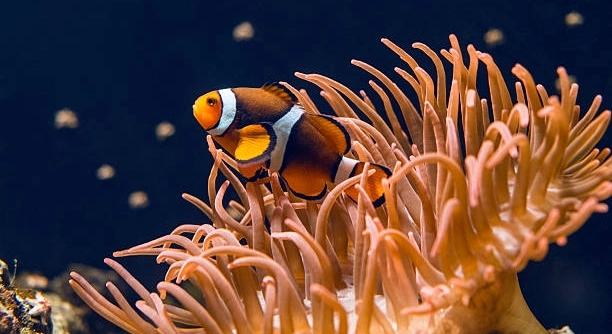
Keeping a clownfish tank clean is important for the health of your fish. Over time, waste and debris can build up and affect water quality. Knowing when to clean your tank helps maintain a safe environment for your clownfish.
A clownfish tank needs cleaning when signs like cloudy water, algae growth, strong odors, sluggish fish, leftover food buildup, excessive waste, or equipment malfunction appear. These indicators show that water quality and tank conditions have deteriorated and require maintenance.
Recognizing these signs early ensures your clownfish stay healthy and comfortable in their home. Proper care can prevent common problems and promote a thriving aquarium environment.
Cloudy Water and Algae Growth
When the water in your clownfish tank becomes cloudy, it is often a clear sign that the tank needs cleaning. Cloudiness can come from leftover food, waste, or bacteria multiplying too quickly. This reduces water clarity and harms your fish’s health. Algae growth is another common problem. Algae can coat the glass, decorations, and even the fish, making the tank look dirty and uninviting. Excess nutrients and light encourage algae to grow faster. If algae start spreading, it means the balance in your tank is off. Cleaning the tank and controlling light exposure can help stop algae from taking over. Removing algae and debris regularly keeps the water clearer and safer for your clownfish. It also helps maintain good oxygen levels and prevents toxins from building up. Watching these signs early can save you from bigger problems later on.
Algae buildup and cloudy water are clear signs that your tank needs immediate attention. These issues impact water quality and fish health.
Consistent cleaning routines, including partial water changes and glass scrubbing, are essential. Reducing overfeeding also limits nutrients that cause algae growth. Using a good filter and monitoring water parameters keeps conditions stable. These steps help maintain a clean, healthy environment for your clownfish and prevent future issues.
Strong Odors and Sluggish Fish
A strong, unpleasant odor coming from your tank usually means waste is accumulating and the water quality is declining. Clownfish are sensitive to poor water conditions, and bad smells indicate harmful bacteria or decaying matter. Sluggish or hiding fish are signs that your clownfish are stressed or sick. This often happens when toxins like ammonia and nitrites rise due to lack of cleaning. If you notice these changes, it’s time to act quickly to protect your fish.
Bad smells and inactive fish clearly show the tank environment is unhealthy and needs cleaning.
Removing waste, doing partial water changes, and testing water quality regularly can improve conditions. Keeping the tank clean reduces stress on your clownfish and helps them stay active and healthy. Addressing these problems early prevents disease and ensures a better home for your fish.
Leftover Food Buildup
Leftover food that sinks to the bottom of your clownfish tank can quickly start to decay and pollute the water. This buildup often leads to poor water quality and can harm your fish if not removed regularly.
Food that remains uneaten creates an environment where harmful bacteria grow. These bacteria produce toxins such as ammonia, which are dangerous to clownfish. Overfeeding is a common cause, so it’s important to feed your fish only what they can eat within a few minutes. Using a siphon during water changes helps remove food waste from the tank’s substrate. Regular cleaning prevents leftover food from breaking down and keeps the tank’s ecosystem balanced.
Leftover food also encourages algae growth, which makes cleaning harder. If the buildup gets too bad, it can clog filters and damage equipment, causing water quality to drop further. Staying on top of feeding amounts and cleaning leftover food helps keep your clownfish healthy and your tank clean.
Excessive Waste and Equipment Malfunction
Excess waste in the tank shows that the filtration system is struggling or the tank is overdue for cleaning. Waste buildup reduces water quality and can make your fish sick.
A malfunctioning filter can’t remove debris and toxins properly, which quickly degrades the tank environment. Sometimes the filter gets clogged or stops working due to poor maintenance. Regularly checking and cleaning the filter ensures it runs efficiently. Waste that accumulates in the tank increases ammonia levels, which is harmful to clownfish. Keeping the tank clean and the filter well-maintained prevents these problems.
Ignoring waste buildup and filter issues leads to unhealthy water conditions and stressed fish. Timely cleaning and equipment checks are essential to maintain a stable, safe habitat for your clownfish to thrive.
Changes in Water Color
Water that changes color, turning green or brown, signals algae or tannins from decorations. This change affects water quality and the tank’s appearance. Regular cleaning helps keep water clear and healthy for your clownfish.
Discolored water often means excess nutrients or decaying material in the tank. Addressing this quickly prevents further problems and keeps your tank looking its best.
Fish Behavior Changes
When clownfish act differently—hiding more, swimming less, or showing signs of stress—it often indicates poor water quality or discomfort. Cleaning the tank improves their environment and helps them feel safe again.
Filter Maintenance
Filters need regular cleaning and monitoring to work well. A dirty or clogged filter reduces water flow and cleaning efficiency, which harms water quality and fish health. Keeping the filter in good shape is essential to a clean tank.
FAQ
How often should I clean my clownfish tank?
Cleaning frequency depends on tank size, stocking levels, and feeding habits. Generally, a partial water change and light cleaning every one to two weeks is recommended. This includes removing debris, cleaning the glass, and checking the filter. Deeper cleanings with substrate vacuuming can be done monthly. Regular maintenance helps prevent buildup and keeps water parameters stable for your clownfish.
What is the best way to clean the tank without harming the fish?
Always remove your clownfish or keep them safe while doing heavy cleaning. Use a siphon to vacuum the substrate carefully, avoiding disturbing beneficial bacteria too much. Clean algae off glass and decorations with gentle tools like algae scrapers. Avoid using soap or chemicals; only use water or aquarium-safe products. Partial water changes with treated, dechlorinated water maintain a healthy environment.
Can overfeeding cause tank problems?
Yes, overfeeding is a common issue. Uneaten food decays and raises toxin levels like ammonia, harming your clownfish and encouraging algae growth. Feed only small amounts your fish can finish within a few minutes. Watching feeding closely helps keep the tank cleaner and healthier.
How can I tell if my filter is working properly?
A working filter should have steady water flow without unusual noises. If water circulation slows or stops, the filter might be clogged or broken. Regularly check and clean filter media to keep it running well. A malfunctioning filter will lead to waste buildup and poor water quality, so timely maintenance is important.
Is cloudy water always a sign of a dirty tank?
Not always, but cloudy water often means bacterial blooms, leftover food, or waste buildup. Sometimes new tanks experience temporary cloudiness as bacteria colonies establish. If cloudiness persists or worsens, it’s usually a sign the tank needs cleaning or water changes. Testing water parameters can help identify the cause.
What tools do I need for cleaning a clownfish tank?
Basic tools include a gravel vacuum or siphon, algae scraper or pad, a bucket for water changes, and water conditioner for treating tap water. You might also want nets for moving fish if necessary. Keeping these items handy makes routine cleaning easier and safer for your clownfish.
Can I use tap water for water changes?
Tap water is fine only if treated with a water conditioner to remove chlorine, chloramines, and heavy metals. Untreated tap water can harm or kill your clownfish. Always test and treat water before adding it to the tank to ensure a safe environment.
What causes algae to grow so fast in my tank?
Algae thrive when there are excess nutrients, too much light, or poor water quality. Overfeeding, infrequent cleaning, and long light cycles encourage algae growth. Reducing feeding, limiting light to 8-10 hours a day, and regular maintenance keep algae under control.
How do I know if my clownfish are stressed?
Signs of stress include hiding more than usual, loss of appetite, sluggish swimming, and changes in color. Poor water quality is often the cause. Cleaning the tank, maintaining stable water parameters, and reducing stress factors like overcrowding help your clownfish recover.
Can cleaning the tank too often harm the fish?
Yes, excessive cleaning or full water changes can remove beneficial bacteria and cause stress. Partial water changes and gentle cleaning methods are best. Maintaining a balance between cleanliness and stability is key to keeping your clownfish healthy.
Keeping a clownfish tank clean is very important for the health and happiness of your fish. Regular cleaning helps maintain good water quality and prevents problems that can make your clownfish sick. By watching for signs like cloudy water, algae buildup, or bad smells, you can know when it’s time to clean. Staying on top of these issues makes sure your tank stays a safe and comfortable home for your clownfish.
Cleaning the tank does not have to be difficult or time-consuming if done regularly. Small tasks like removing leftover food, vacuuming the substrate, and cleaning the glass can prevent larger problems from developing. It is also important to take care of your equipment, especially the filter, to make sure it works well. When you keep a consistent cleaning schedule, your clownfish will benefit from better water quality and less stress. This helps them live longer and behave more naturally.
In the end, understanding the needs of your clownfish tank is key to successful fishkeeping. Paying attention to changes in your tank and acting quickly when signs of dirtiness appear will protect your fish and keep your aquarium looking nice. Simple maintenance steps go a long way in creating a healthy environment. With regular care, your clownfish can thrive and provide you with enjoyment for years to come.

Hello,
If you enjoy the content that we create, please consider saying a "Thank You!" by leaving a tip.
Every little bit helps us continue crafting quality advice that supports the health, happiness, and well-being of pets around the world, for pets of all shapes, sizes, and species.
We really appreciate the kindness and support that you show us!