
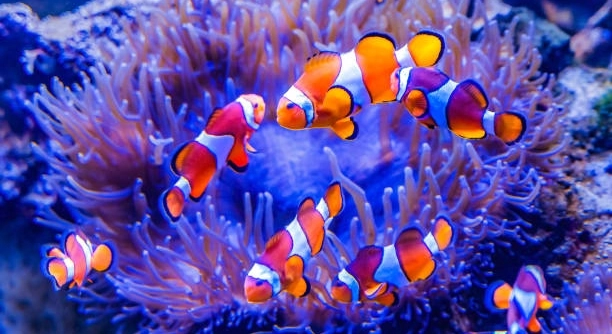
Clownfish are popular aquarium fish known for their bright colors and interesting behaviors. Many owners want to know when their clownfish are ready to mate. Recognizing these signs can help in creating the right environment for breeding.
Clownfish exhibit specific behavioral and physical changes when ready to mate. These include increased territoriality, pairing behavior, color intensification, and preparation of nesting sites. Monitoring these signs allows aquarists to identify breeding readiness and support successful reproduction.
Understanding these signs will help you support your clownfish’s natural breeding process and improve their care in your aquarium. The following details explain what to watch for clearly.
Increased Territorial Behavior
When clownfish are ready to mate, their territorial instincts become much stronger. You may notice one or both fish aggressively defending their space in the tank. This behavior includes chasing away other fish or even trying to protect a specific area around the anemone or a chosen spot. This increased territoriality helps create a safe environment for laying eggs and raising fry. It is important to provide enough hiding spots and room to reduce stress during this phase. Watch for repeated chasing or signs of stress in other tank mates, which might require rearranging the environment or temporarily separating fish to avoid injuries. Maintaining water quality and a calm setting also supports this natural behavior.
This behavior signals that your clownfish are preparing for breeding. It is a clear indication of their readiness to mate.
Understanding and managing their territorial behavior helps maintain a peaceful tank while supporting the breeding process.
Pair Bonding and Nest Preparation
Pair bonding is a key step before clownfish begin mating. The fish often spend more time swimming close together and may engage in cleaning or rubbing against each other. This interaction strengthens their bond and signals readiness. Alongside this, you might notice them preparing a nest site by cleaning a flat surface, usually a rock or a shell. This cleaning behavior is important as it prepares a safe place for egg laying. In a home aquarium, providing smooth, clean surfaces encourages nest building. Monitoring these actions can help you identify the optimal time to support spawning with proper water conditions and minimal disturbances.
Pair bonding and nest preparation show clear signs that your clownfish are ready to mate.
Clownfish demonstrate these behaviors as part of their natural reproductive cycle, signaling it is time for egg laying. Maintaining a stable environment ensures successful spawning and healthy offspring development.
Color Intensification
Clownfish often show brighter, more vivid colors when ready to mate. This change is a natural signal of health and readiness.
The color intensification happens because hormones increase as the fish prepare for spawning. This makes their scales appear richer and more vibrant. It is especially noticeable in the dominant female, whose colors can become deeper compared to the male or other fish. This visual change helps the pair recognize each other and signals breeding readiness. Keep in mind that stress or poor water conditions can dull these colors, so maintaining a clean and stable environment is important to support this natural process.
Watching for brighter colors is an easy way to tell if your clownfish are nearing their mating phase. It also helps you monitor their overall health, as healthy fish usually display vivid colors.
Egg Laying and Fertilization Behavior
Once the nest is prepared, the female clownfish will lay eggs, usually during the evening. The male follows by fertilizing them immediately. After fertilization, the male takes on the primary role of guarding and aerating the eggs, keeping them clean and oxygenated until they hatch. This dedicated care can last several days, and you might notice the male fanning the eggs with his fins to improve water circulation. Observing this behavior confirms successful mating and signals the start of the incubation period. During this time, it’s important to minimize tank disturbances to ensure the eggs develop properly and hatch without stress.
Increased Cleaning Activity
Clownfish show more cleaning behavior when preparing to mate. They often clean the nesting site thoroughly before laying eggs.
This cleaning includes rubbing their bodies on surfaces and removing debris. It helps create a safe, healthy place for the eggs to develop.
Changes in Swimming Patterns
Clownfish ready to mate often swim differently. Their movements become more deliberate and focused, especially around the nesting area. This change in swimming helps strengthen their bond and prepare the site for egg laying.
Vocalizations and Sounds
Clownfish produce soft clicking or popping sounds during courtship and mating. These noises serve as communication between the pair. They help synchronize their behavior and reinforce bonding, which increases the chances of successful reproduction.
Nest Guarding Behavior
After egg laying, the male aggressively guards the nest. This protects the eggs from predators and ensures a safe environment for development.
FAQ
How long does it take for clownfish eggs to hatch?
Clownfish eggs usually hatch within 6 to 10 days after being laid. This timing depends on water temperature and overall tank conditions. Warmer water can speed up development, while cooler water may slow it down. During this period, the male guards and cares for the eggs carefully to improve their survival chances.
What should I feed my clownfish during breeding?
During breeding, it’s important to offer a nutritious diet to support energy and health. A mix of high-quality flakes, pellets, and frozen or live foods like brine shrimp or mysis shrimp works well. Feeding small portions multiple times a day encourages vitality and improves breeding success. Avoid overfeeding to maintain water quality.
Can clownfish breed in a community tank?
Breeding clownfish in a community tank is possible but challenging. Other fish can stress the breeding pair or even eat the eggs. For better success, separate the breeding pair in a dedicated tank with controlled conditions. This reduces disturbances and protects eggs and fry from potential threats.
Do clownfish change gender to mate?
Yes, clownfish are protandrous hermaphrodites. This means the dominant male can change into a female if the current female is removed or dies. This natural gender change helps maintain a breeding pair in the group. The largest fish becomes female, and the next largest becomes male.
How can I encourage my clownfish to mate?
Creating a stable environment with good water quality is key. Provide hiding spots and clean surfaces for nesting. Feeding nutritious food regularly helps as well. Avoid sudden changes or disturbances in the tank, as stress can prevent mating. Watching for natural signs like cleaning and territorial behavior indicates readiness.
What happens if eggs are not fertilized?
Unfertilized eggs will usually turn white or become fuzzy and die within a few days. The male may remove these eggs to keep the nest clean. It’s common in early breeding attempts. If fertilization does not occur, adjusting conditions or allowing more time for bonding between the pair can help in future spawning.
When do clownfish become sexually mature?
Clownfish typically reach sexual maturity around one year of age, depending on species and tank conditions. They need to grow to an appropriate size and establish social hierarchy before breeding. Providing a peaceful environment and proper nutrition supports healthy development and readiness for mating.
How many eggs do clownfish lay?
A female clownfish can lay between 100 to 1,000 eggs per spawning, depending on her size and health. The eggs are usually laid in a single layer on a flat surface near the nest. Larger females tend to produce more eggs, but smaller clutches can also be successful if cared for properly.
Can clownfish eggs be raised without parents?
Raising clownfish eggs without parental care is difficult but possible. It requires careful attention to water quality, gentle aeration to simulate fanning, and feeding newly hatched larvae appropriate foods like rotifers and baby brine shrimp. This process demands experience and a well-prepared tank to ensure survival.
What signs show eggs are healthy?
Healthy clownfish eggs appear bright orange or yellow and have a clear shape. As they develop, tiny eyes become visible inside. The eggs stay firmly attached to the surface and do not get covered by fungus. The male’s constant care and fanning also help keep them in good condition until hatching.
Clownfish are fascinating fish to care for, especially when it comes to their breeding behavior. Recognizing the signs that your clownfish are ready to mate can make a big difference in supporting them through this natural process. From increased territorial behavior to color changes and nest preparation, these signs show that your fish are healthy and ready to reproduce. Understanding these behaviors helps you create the right environment for successful mating and egg development. Providing a clean tank with enough space and hiding spots can reduce stress and encourage natural actions.
It is important to keep the water quality high and maintain stable conditions during the breeding phase. Clownfish are sensitive to changes in their environment, and disturbances can cause stress that interferes with mating or caring for eggs. Feeding your fish a balanced diet with nutritious foods supports their energy and overall health, which improves their chances of successful reproduction. Watching the male’s behavior during egg guarding and aeration helps you know that the eggs are being cared for properly. If you notice any issues like eggs turning white or fish acting unusually, adjusting conditions or separating aggressive fish may be necessary.
Breeding clownfish at home can be rewarding but also requires patience and careful observation. Each pair may show these signs differently, so paying close attention to their unique behavior is key. If you want to try raising the eggs and fry, be prepared to provide additional care, including feeding tiny larvae and keeping water quality stable. This process demands commitment but can lead to a greater understanding of these interesting fish. Overall, recognizing the signs your clownfish are ready to mate gives you the chance to support their natural lifecycle and enjoy watching new life begin in your aquarium.

Hello,
If you enjoy the content that we create, please consider saying a "Thank You!" by leaving a tip.
Every little bit helps us continue crafting quality advice that supports the health, happiness, and well-being of pets around the world, for pets of all shapes, sizes, and species.
We really appreciate the kindness and support that you show us!