
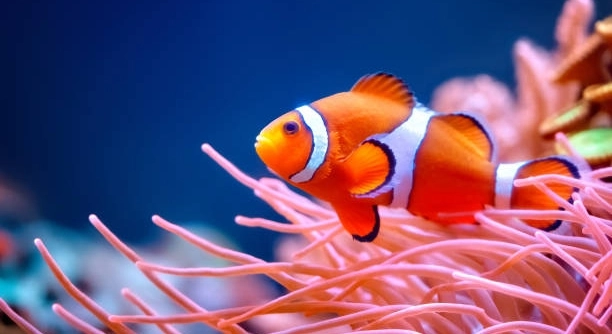
Clownfish are popular pets in marine tanks and are known for their vibrant colors and interesting behavior. Watching how they interact in a tank can reveal a lot about their social structure. Some clownfish tend to take control, showing dominance over others.
Dominance in clownfish is shown through specific behaviors like controlling territory, chasing tank mates, and establishing feeding priority. These actions indicate which fish leads the social hierarchy and maintains order within the tank environment.
Recognizing these signs can help you better manage your tank and ensure a balanced habitat for all your aquatic pets.
Territorial Behavior in the Tank
Clownfish are known to be very territorial. When one clownfish starts to dominate, it often claims the best spots in the tank, like near the anemone or favorite hiding places. This dominant fish will swim confidently around its chosen area, keeping others away. You might notice it chasing or nudging other fish that get too close. This behavior is natural and helps the dominant clownfish protect its space and resources. It’s important to watch these interactions because if one fish becomes too aggressive, it might stress out the others. Keeping the tank environment comfortable and providing enough hiding spots for all fish can reduce conflicts. Observing territorial behavior is key to understanding how your clownfish hierarchy is forming and who is taking charge.
This territorial nature helps maintain balance but can sometimes lead to stress in less dominant fish.
Watching the tank regularly helps you catch any signs of excessive aggression early. You can then adjust the tank setup or feeding schedule to reduce tension. Ensuring enough space and resources allows all clownfish to thrive without constant fights. Sometimes adding more hiding spots or rearranging decorations can shift the balance and calm the dominant fish. Understanding territorial behavior helps you create a peaceful tank environment where every clownfish feels safe.
Feeding Priority and Social Order
Dominant clownfish usually eat first and get the best portions. They swim quickly to the food and may block others from reaching it. This behavior clearly shows their rank in the tank. It’s important to feed your fish in a way that all get enough nutrition. Watching who eats first and how they behave during feeding time gives clues about their social order. Making sure less dominant fish also get food prevents health problems and stress. Adjusting feeding routines can help maintain peace and fairness among the tank inhabitants.
Aggressive Chasing and Nipping
Dominant clownfish often chase others to show control. This chasing is quick but clear, and sometimes includes gentle nipping to assert power.
This chasing helps the dominant fish keep its position and reminds others who is in charge. It may seem harsh, but it is a normal behavior in clownfish social structure. The less dominant fish usually avoid confrontation by swimming away or hiding. Over time, these chases help maintain the order within the tank. However, if the chasing becomes constant or too aggressive, it can harm the stressed fish and disrupt the tank’s peace. Keeping an eye on this behavior is important to avoid injury.
When nipping occurs, it is usually brief but can cause small marks on the fins or body. This shows the dominant fish’s attempt to reinforce its status without causing serious harm. If nipping increases, changes to the tank setup or adding distractions like new decorations can reduce aggression. Monitoring these interactions ensures a safer environment for all fish.
Body Language and Posturing
Dominant clownfish often display confident body language, such as puffing up or swimming upright. This posturing sends a clear message to others in the tank.
This behavior shows the dominant fish’s readiness to defend its status or territory. It may flare its fins and hold its body rigidly while watching other fish closely. Such displays discourage challenges from less dominant tank mates. The dominant clownfish uses these signals to avoid actual fights by asserting power visually. Observing these postures gives insight into who leads the group and helps predict changes in behavior. This body language plays a key role in maintaining social order without constant physical conflict.
Control Over Hiding Spots
Dominant clownfish choose the best hiding spots in the tank. These spots offer safety and comfort, keeping them secure from other fish.
They often block access to these areas, forcing less dominant fish to find less ideal places to rest and hide.
Vocalizations and Sounds
Clownfish use soft popping or clicking sounds to communicate dominance. These noises help establish social order without physical fights. The dominant fish will often produce more frequent sounds to assert control, especially during interactions with tank mates. Recognizing these vocalizations can help you understand the social dynamics in your tank and monitor the behavior of your clownfish more effectively.
Changes in Coloration
When clownfish dominate, their colors can become more vivid. This brightening signals confidence and health, making them stand out in the tank.
How can I tell if my clownfish is dominating the tank?
A dominant clownfish shows clear behaviors like controlling the best hiding spots, chasing other fish, and eating first during feeding. It also displays confident body language, such as puffing up fins or swimming upright. You might notice it making clicking sounds more often to communicate dominance. Watching these signs over time helps identify which fish leads the tank.
Is dominant behavior harmful to other clownfish?
Dominance is a natural part of clownfish social structure, and mild chasing or nipping usually doesn’t cause serious harm. However, if the dominant fish becomes overly aggressive or if less dominant fish have no places to hide, stress and injury can occur. It’s important to observe interactions closely and provide enough space and hiding spots to reduce tension.
What should I do if my clownfish is too aggressive?
If chasing and nipping become excessive, try rearranging tank decorations to break up clear territories. Adding more hiding spots gives less dominant fish places to retreat. Feeding smaller amounts of food in multiple spots can also help reduce competition. In severe cases, separating overly aggressive fish temporarily may be necessary.
Can dominant clownfish lose their status?
Yes, social ranks in a tank can change. If a dominant fish becomes weak or ill, another may take over. Sometimes adding new clownfish or rearranging the tank can shift social order. It’s normal for dominance to fluctuate, but major changes should be monitored carefully to prevent fights or stress.
Does tank size affect clownfish dominance?
Smaller tanks increase competition for space and resources, which can make dominance behaviors more intense. Larger tanks provide more room for fish to avoid each other and claim territories. Ensuring your tank is appropriately sized for the number of fish helps reduce aggressive behavior and stress.
Are all clownfish territorial?
Most clownfish show some level of territorial behavior, especially in captivity. They naturally protect their space and resources. However, some species or individual fish may be less aggressive than others. Understanding your clownfish species helps you anticipate their behavior and plan tank management accordingly.
How often should I feed my clownfish to reduce fighting?
Feeding your clownfish small amounts multiple times a day helps reduce competition during meal times. Offering food in several locations around the tank also prevents one fish from blocking others. Consistent feeding routines support peaceful interactions and better nutrition for all fish.
Can dominant behavior affect the health of clownfish?
Stress caused by constant chasing or lack of food access can weaken less dominant clownfish. Over time, this may lead to illness or poor growth. Watching for signs of stress, like hiding or loss of color, is important. Providing a balanced diet and a comfortable environment supports the health of all tank inhabitants.
Is it normal for dominant clownfish to change color?
Yes, dominant clownfish often have brighter, more vivid colors. This coloration signals confidence and good health. If a dominant fish’s color fades, it may indicate stress or illness. Color changes can help you monitor the wellbeing of your fish and spot problems early.
Can I keep multiple dominant clownfish in one tank?
Keeping several dominant clownfish together can be challenging, especially in small tanks. They may fight over territory and resources. If you want multiple clownfish, make sure the tank is large with plenty of hiding spots. Introducing fish at the same time can also reduce initial dominance struggles.
What role do anemones play in clownfish dominance?
Anemones provide shelter and protection for clownfish. Dominant fish usually control the anemone, using it as a safe base. Access to anemones can increase competition, making dominance behaviors more visible. Providing more than one anemone or other shelters can ease this tension.
How long does it take for a clownfish to establish dominance?
Dominance can develop quickly, often within days or weeks after introducing new fish to a tank. The exact time depends on the number of fish, tank size, and individual personalities. Early observation helps you understand your tank’s social structure and manage any conflicts before they escalate.
Can environmental changes affect clownfish dominance?
Yes, changes in lighting, water temperature, or tank setup can influence behavior. Stressful conditions may increase aggression or cause shifts in dominance. Keeping a stable environment with regular maintenance helps maintain peaceful interactions and supports fish health.
Are dominant clownfish more likely to breed?
In many cases, dominant clownfish are more likely to breed because they control the best territory and have priority access to food. However, breeding also depends on other factors like age, health, and tank conditions. Providing a healthy environment supports natural breeding behaviors.
What signs show that less dominant clownfish are stressed?
Less dominant fish may hide more often, lose color, eat less, or show signs of injury from chasing or nipping. They might also become lethargic or isolate themselves. Spotting these signs early allows you to take action to improve their situation and reduce stress in the tank.
How can I balance dominance without separating fish?
Balancing dominance requires careful tank management. Provide enough space, hiding spots, and feeding locations to reduce competition. Regularly observe interactions and adjust the environment as needed. Sometimes adding new decorations or changing tank layout can reset social dynamics without removing fish.
Does gender affect dominance in clownfish?
Clownfish are protandrous hermaphrodites, meaning they can change sex based on social hierarchy. The dominant fish is usually female, while others are male or juvenile. Gender and dominance are closely linked, with the dominant female controlling breeding and territory in the tank.
Is it normal for clownfish to chase other species in the tank?
Yes, dominant clownfish sometimes chase other species, especially if they share similar territories or resources. This behavior protects their space but can stress other tank inhabitants. Monitoring interspecies interactions helps maintain a peaceful community tank.
Can dominant behavior be reduced with tank mates?
Adding compatible tank mates that are not direct competitors may distract dominant clownfish and reduce aggression. However, overcrowding or introducing aggressive species can worsen problems. Careful selection and observation are key to balancing the tank’s social environment.
Understanding the behavior of your clownfish is important to maintaining a healthy and balanced tank environment. Dominance is a natural part of how clownfish live and interact with each other. When one fish takes control, it shows through its actions, like chasing others, claiming the best spots, and eating first. These behaviors help organize the social structure in the tank. Knowing what to look for can make it easier to keep an eye on your clownfish’s health and wellbeing.
Managing dominance doesn’t mean stopping it completely, but rather making sure it does not harm other fish. Providing enough space, hiding places, and multiple feeding areas can reduce fights and stress. Sometimes changing the tank layout or adding decorations can help break up territories and calm aggressive behavior. Watching your fish regularly will give you a better understanding of how they get along and when intervention might be needed. With careful attention, you can create a peaceful home for all the clownfish and other tank mates.
Remember that each tank is unique, and your clownfish may behave differently based on their environment and personalities. Changes in dominance can happen over time as fish grow or new ones are added. Being patient and observant helps you respond in ways that support the health and happiness of all your aquatic pets. Taking the time to learn about clownfish behavior improves your ability to enjoy your tank and keep it a safe space for your fish.

Hello,
If you enjoy the content that we create, please consider saying a "Thank You!" by leaving a tip.
Every little bit helps us continue crafting quality advice that supports the health, happiness, and well-being of pets around the world, for pets of all shapes, sizes, and species.
We really appreciate the kindness and support that you show us!