
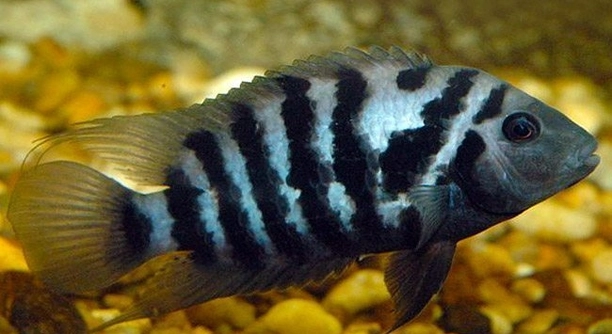
Are your cichlids showing little interest in breeding despite good care? Stress can be a hidden factor affecting their ability to reproduce. Recognizing the signs early helps maintain a healthy aquarium environment for your fish.
Cichlids under stress exhibit several clear symptoms that interfere with breeding, including loss of appetite, hiding behavior, faded colors, aggression, and irregular swimming patterns. These indicators reflect environmental or social pressures that inhibit successful reproduction.
Identifying these signs can improve your fish’s well-being and increase the chances of successful breeding in your tank.
Loss of Appetite
When cichlids are stressed, one of the first signs is often a noticeable drop in appetite. You might find that your fish suddenly stop eating or eat much less than usual. This change can happen because stress affects their metabolism and overall health. Stress factors include poor water quality, overcrowding, or incompatible tank mates. It is important to monitor their eating habits closely, especially during breeding periods. Consistent loss of appetite weakens the fish and reduces their energy levels, making it harder for them to engage in breeding behavior. If you see this happening, it’s a good idea to check the tank conditions and try to reduce any stress triggers. Feeding small amounts more frequently can also help encourage them to eat without overwhelming their system.
Loss of appetite is an early warning sign that your cichlids might be stressed, and it can directly impact their ability to breed.
Keeping an eye on feeding routines and adjusting the environment can help restore their health and breeding readiness.
Hiding and Withdrawal
When cichlids are stressed, they tend to hide more often and avoid social interactions. This behavior shows they are uncomfortable or anxious in their environment. Hiding can mean they feel threatened by other fish or that the tank is too crowded. Stress also causes them to spend less time swimming around and more time in corners or behind decorations. This withdrawal reduces their chances of finding mates and participating in breeding rituals. It is important to provide enough space and hiding spots to make them feel secure. However, excessive hiding signals a deeper problem that needs attention, like poor water conditions or aggressive tank mates. Watching how much time they spend hidden helps identify stress early, so you can take action to improve their surroundings.
If cichlids constantly hide, it is a clear sign they are too stressed to breed.
Adjusting the tank setup and monitoring interactions can reduce their stress and promote natural behaviors.
Faded Colors
A healthy cichlid displays vibrant and bright colors, which are especially important during breeding as they attract mates. When stressed, their colors often fade or become dull. This change happens because stress affects their immune system and hormone balance. Stress from water quality issues, illness, or bullying can cause this loss of color. If you notice your fish losing their usual brightness, it’s a sign they are not feeling well or comfortable in their environment. Maintaining stable water parameters and reducing stressors helps bring back their colors. Bright colors are a good sign of a healthy, confident fish ready to breed, so restoring these is key to encouraging reproduction.
Faded colors mean your cichlids are under stress, which reduces their chances of successful breeding.
Proper care and a calm environment can help them regain their natural colors and breeding readiness.
Aggression and Fighting
Aggression increases when cichlids feel stressed or crowded. This behavior disrupts the peaceful environment needed for breeding.
Aggressive cichlids may chase, nip, or even injure other fish, causing constant tension in the tank. This fighting stresses all the fish involved, reducing their energy for reproductive activities. Stress-related aggression often stems from insufficient space, lack of hiding places, or incompatible tank mates. It’s important to watch for these signs and separate overly aggressive fish or rearrange the tank to break established territories. Reducing aggression helps create a calm atmosphere that encourages breeding behavior.
Providing more space, adding decorations for hiding, or changing tank mates can significantly lower aggression. When aggression is controlled, cichlids are more likely to relax and engage in breeding rituals without fear or competition.
Irregular Swimming Patterns
Irregular swimming is a sign of stress and discomfort in cichlids. This includes darting, erratic movements, or staying near the surface or bottom.
Such behavior often indicates poor water quality or illness, which affects their overall health and breeding ability. Swimming in unusual patterns may also reflect fear or anxiety caused by aggressive tank mates or sudden changes in the environment. Stress makes fish expend energy on survival rather than reproduction. Observing swimming behavior closely can help catch problems early and improve conditions for your cichlids.
To encourage normal swimming, maintain stable water parameters and provide a calm environment. Healthy swimming patterns signal that cichlids feel secure and ready to breed, so keeping their habitat stress-free is essential.
Excessive Hiding
Excessive hiding shows that cichlids are feeling unsafe or stressed. They avoid interaction and remain out of sight for long periods.
This behavior limits their chances to mate and can indicate serious tank problems. Stress needs to be reduced for breeding to occur.
Changes in Breeding Behavior
Stressed cichlids often lose interest in breeding activities like nest building or courtship displays. This change happens because stress lowers their energy and hormone levels. Without these behaviors, successful reproduction is unlikely.
If you notice your fish ignoring typical breeding signs, it’s time to assess their environment carefully. Improving tank conditions can restore normal breeding behavior and increase the chance of raising healthy fry.
Rapid Gill Movement
Rapid gill movement is a clear sign of stress or poor water quality in cichlids. It shows they are struggling to breathe comfortably, which affects their health and breeding potential.
Checking water parameters and improving oxygen levels can help ease this problem quickly.
How can I tell if my cichlids are stressed?
Stress in cichlids shows through changes in behavior and appearance. Watch for loss of appetite, hiding, faded colors, aggression, irregular swimming, or rapid gill movement. These signs often mean your fish are uncomfortable or unhealthy. Regularly checking tank conditions and observing your fish closely helps catch stress early.
What causes stress in cichlids?
Stress often comes from poor water quality, overcrowding, incompatible tank mates, or sudden changes in their environment. Even noise or frequent disturbances can upset them. Ensuring stable water parameters, giving enough space, and providing hiding spots reduces stress significantly.
Can stressed cichlids recover and breed again?
Yes, with the right care, stressed cichlids can recover and breed successfully. Improving water quality, reducing aggression, and creating a calm environment helps restore their health. Patience is key, as it may take time for their colors and behavior to return to normal.
How often should I test my aquarium water?
Testing water at least once a week is best, especially during breeding. Parameters like pH, ammonia, nitrite, and nitrate levels directly affect cichlid health. Keeping these stable reduces stress and encourages breeding.
What tank conditions are best for breeding cichlids?
Stable temperature, clean water, and proper pH are essential. Most cichlids prefer slightly alkaline water (pH 7.5–8.5) and temperatures around 75–82°F (24–28°C). Good filtration and regular water changes keep conditions ideal.
How can I reduce aggression in my cichlid tank?
Provide plenty of space and visual barriers like rocks or plants to break up territories. Avoid overcrowding and choose tank mates carefully. Removing overly aggressive fish can calm the group and reduce stress.
Why do cichlids hide during breeding times?
Hiding may mean they don’t feel safe or comfortable. Stress, poor tank conditions, or bullying can cause this. Offering more hiding spots and reducing stress helps cichlids come out and breed naturally.
Can diet affect cichlid stress and breeding?
Yes, a balanced diet with high-quality foods improves health and reduces stress. Feeding a variety of foods rich in nutrients supports breeding readiness. Avoid overfeeding, which can pollute the water and increase stress.
What should I do if my cichlids are not breeding despite good care?
Recheck tank conditions and look for subtle stress signs like aggression or hiding. Sometimes environmental factors like lighting or water flow can affect breeding. Adjusting these and ensuring compatible tank mates often solves the problem.
How important is tank size for breeding cichlids?
Tank size is very important. Small tanks can increase stress due to limited space and higher aggression. Larger tanks provide room for territories and hiding spots, making breeding more likely to succeed.
Can water changes help reduce stress?
Yes, regular water changes keep the environment clean and reduce harmful chemicals. They help maintain stable water quality, which is essential for reducing stress and supporting breeding.
How long does it take for stressed cichlids to start breeding again?
Recovery time varies but often takes a few weeks after improving conditions. Patience is important, as fish need time to regain health, energy, and confidence to breed again.
Are there any signs that show my cichlids are ready to breed?
Bright colors, active courtship behavior, nest building, and less hiding are signs. Healthy appetite and calm interactions with tank mates also indicate readiness to breed.
What role does lighting play in cichlid stress and breeding?
Proper lighting supports natural behavior and breeding cycles. Too bright or too dim lighting can stress fish. A balanced light schedule with periods of darkness helps maintain their rhythm and reduce stress.
Stress in cichlids is a common challenge that can prevent them from breeding successfully. It is important to recognize the signs early, such as loss of appetite, hiding, faded colors, and aggression. These symptoms tell you that your fish are not comfortable or healthy in their environment. When cichlids are stressed, their bodies and behavior change in ways that reduce their ability to reproduce. Understanding these signs allows you to make the necessary changes to improve their living conditions and encourage breeding.
Creating a stable and calm environment is key to reducing stress in cichlids. This means keeping water quality high, ensuring there is enough space, and avoiding overcrowding. Proper tank maintenance includes regular water testing and changes, controlling temperature, and providing enough hiding spots to help fish feel safe. Choosing compatible tank mates is also very important, as aggressive behavior can increase stress and stop breeding. Paying attention to these details can help your cichlids regain their natural colors and normal behavior, which is a good sign they are ready to breed.
Finally, patience is essential when dealing with stressed cichlids. Even after fixing tank conditions, it may take time for your fish to recover fully and start breeding again. Continue observing their behavior and feeding them a balanced diet to support their health. Remember that breeding success comes from consistent care and a stress-free environment. Taking small but steady steps to improve your aquarium can make a big difference in helping your cichlids thrive and reproduce.

Hello,
If you enjoy the content that we create, please consider saying a "Thank You!" by leaving a tip.
Every little bit helps us continue crafting quality advice that supports the health, happiness, and well-being of pets around the world, for pets of all shapes, sizes, and species.
We really appreciate the kindness and support that you show us!