
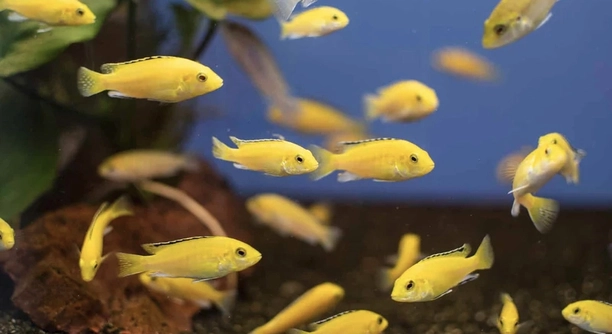
Are your cichlids showing signs of hostility in their tank? These colorful fish can sometimes display aggressive behaviors that affect their health and the harmony of your aquarium. Knowing the signs is important for any fish keeper.
Cichlids often become aggressive due to territorial disputes, overcrowding, or stress. This behavior can result in physical harm, stress-related illnesses, and disruption of the tank’s ecosystem. Recognizing aggression early helps prevent long-term damage and promotes a healthier environment.
Understanding these signs can improve your fish’s well-being and keep your aquarium balanced and peaceful. Taking action early makes all the difference for your cichlids’ happiness.
Signs of Territorial Behavior
When cichlids feel their space is threatened, they often defend it aggressively. You may notice them chasing other fish around the tank or guarding a specific area. This territorial behavior can escalate quickly, especially if the tank is too small or overcrowded. Cichlids use their body language, such as flaring fins and changing colors, to warn others to stay away. If these warnings go unheeded, physical fights may break out. Sometimes, aggressive cichlids will nip at the fins or bite other fish. This can cause injuries and stress. Over time, these conflicts may lead to illness or death if left unchecked. Watching your cichlids carefully helps catch these early signs and lets you take steps to reduce tension, such as rearranging tank decorations or separating particularly aggressive individuals.
Aggression linked to territory is common and can be managed with proper tank space and setup.
Adjusting tank conditions and monitoring fish interactions can reduce aggression and protect your cichlids’ health.
Overcrowding Effects
Too many cichlids in a tank can increase stress and trigger aggressive behavior. When space is limited, fish feel threatened and compete more for territory, food, and hiding spots. Overcrowding reduces the ability of cichlids to escape or avoid conflicts. This heightens their stress levels, making them more prone to attacking each other. You might notice constant chasing or biting, leading to injuries or even death. To prevent overcrowding, keep the recommended number of fish for your tank size and provide plenty of hiding places. Plants, rocks, and caves can help reduce tension by creating separate territories. Proper filtration and regular water changes are also important because poor water quality worsens stress and aggression. Maintaining a balanced environment improves your fish’s behavior and keeps your aquarium peaceful.
Fin Nipping and Physical Damage
Fin nipping is a clear sign of aggression in cichlids. It involves biting or tearing at the fins of other fish. This behavior can cause visible damage and stress.
This constant fin nipping weakens the attacked fish’s fins, making them look ragged and torn. Over time, these injuries can lead to infections, especially if the water quality is poor. The stressed fish may become less active and eat less, which affects their overall health. It’s important to watch for these signs and intervene early. Sometimes separating the aggressive fish or adding more hiding spots can reduce fin nipping and improve the tank’s atmosphere.
If left unchecked, fin damage can worsen, leading to serious health problems. Regular observation and tank maintenance help prevent this aggression from escalating and harming your fish.
Changes in Color and Behavior
Cichlids often change color when they feel stressed or aggressive. These shifts can signal discomfort or dominance challenges. Sudden darkening or brightening of their scales usually means something is wrong.
Aggressive cichlids may become more territorial, chasing others or guarding certain areas of the tank. They might also show unusual behavior like hiding less or attacking at unexpected times. Such changes often indicate rising tension within the tank. When you notice this, it’s important to assess the tank’s environment—check for overcrowding, water quality, or lack of hiding spaces. Addressing these issues early can help calm your cichlids and restore balance. Watching closely for these subtle changes makes a big difference in managing aggression and keeping your fish healthy.
Constant Chasing
Constant chasing is a strong indicator of aggression in cichlids. When one fish repeatedly pursues another, it can cause stress and injury to the chased fish. This behavior disrupts the tank’s peace and needs attention.
Persistent chasing often results from territorial disputes or competition for food. If unchecked, it can lead to exhaustion and weakened health for the targeted fish.
Hiding and Withdrawal
When cichlids hide more than usual or withdraw from the group, it may mean they feel threatened. This behavior often follows aggressive encounters. Consistent hiding affects their ability to feed and interact.
Prolonged withdrawal can lead to weakened immune systems and poor health. Creating safe spaces and balancing tank dynamics helps reduce this behavior.
Signs of Injury
Physical injuries such as torn fins or missing scales indicate aggressive encounters. These wounds increase the risk of infections. Immediate action is necessary to protect your fish.
Keeping the tank clean and isolating aggressive individuals helps prevent further harm.
FAQ
How can I tell if my cichlids are too aggressive?
Signs of excessive aggression include constant chasing, fin nipping, physical injuries, and changes in behavior or color. If you notice your fish hiding more often or acting stressed, these are also red flags. Monitoring their interactions closely helps catch problems early.
What causes cichlid aggression?
Aggression often comes from territorial disputes, overcrowding, or stress due to poor water conditions. Competition for food or mates can also increase hostile behavior. Sometimes, the species or individual personality plays a role in how aggressive your cichlids become.
How can I reduce aggression in my tank?
Providing enough space and hiding spots is key. Rearranging tank decorations or adding plants can break sight lines and reduce territorial fights. Make sure the tank isn’t overcrowded, and maintain good water quality with regular cleaning. Separating particularly aggressive fish might be necessary.
Is it normal for cichlids to fight?
Some level of aggression is natural for cichlids because they defend territories and establish hierarchies. However, constant fighting that causes injury or stress is not normal and needs to be addressed to protect the fish.
Can aggression cause health problems in cichlids?
Yes, aggressive behavior can lead to physical injuries like torn fins or bites, which increase the risk of infections. Stress from constant fighting also weakens their immune systems, making them more vulnerable to illness.
What tank size is best to minimize aggression?
A larger tank reduces territorial disputes by providing more space. Generally, bigger tanks with at least 30 gallons or more are better for cichlids, but it depends on the species and number of fish. More space means less competition.
Should I separate aggressive cichlids?
If aggression becomes harmful, separating aggressive individuals can protect other fish. Using dividers or separate tanks helps keep peace while you work on adjusting the main tank’s environment.
Do certain species of cichlids tend to be more aggressive?
Yes, some species like African cichlids or mbuna are known to be more territorial and aggressive. Understanding your species’ behavior helps set realistic expectations and tank management strategies.
How important is tank decoration in controlling aggression?
Tank decorations such as rocks, caves, and plants create hiding spots and territories. These break up lines of sight and reduce direct confrontations. Well-decorated tanks help lower stress and aggressive behavior.
Can diet affect aggression in cichlids?
Proper nutrition supports overall health but doesn’t directly control aggression. Still, feeding a balanced diet ensures your fish have enough energy and reduces competition over food, which can sometimes trigger aggression.
What water conditions help reduce aggression?
Stable water temperature, pH, and clean water reduce stress that can lead to aggression. Regular water changes and good filtration keep your cichlids comfortable and less prone to fighting.
How long does it take to calm aggressive cichlids?
It varies. Some changes like rearranging the tank or reducing crowding can help quickly, but healing from injuries and adjusting behavior may take weeks. Patience and consistent care are essential.
Can aggression affect breeding cichlids differently?
Yes, during breeding, aggression often increases as parents defend their territory and fry. It’s natural but can be intense. Providing extra space and hiding spots helps reduce stress for all fish involved.
Are there medications to control aggression?
No medications specifically reduce aggression. The best approach is managing the environment and tank setup. Medications are only used if infections from injuries occur.
How often should I observe my cichlids for signs of aggression?
Daily observation is ideal. This lets you spot early signs before problems worsen. Even quick checks help you stay aware of their behavior and health.
Final Thoughts
Managing aggression in cichlids is important for keeping a healthy and peaceful aquarium. These fish naturally have strong territorial instincts, so some level of aggression is expected. However, when it becomes too intense, it can harm the fish and disrupt the tank’s balance. Watching for early signs like chasing, fin nipping, and changes in behavior helps catch problems before they worsen. Being attentive to your cichlids’ interactions is the first step in creating a calm and safe environment for all your fish.
Providing the right tank conditions makes a big difference in reducing aggressive behavior. Giving your cichlids enough space to establish their own areas lowers stress and competition. Adding plenty of hiding spots and decorations breaks up territories, which helps keep the peace. Maintaining clean water and stable conditions also supports their health and mood. Sometimes, despite your best efforts, individual fish may still act aggressively. In those cases, separating the aggressive ones or reconsidering the tank’s population may be necessary to protect the other fish.
Remember that every aquarium is different, and managing aggression can take time and patience. It’s normal to make adjustments as you learn more about your fish’s behavior. Keeping a calm and balanced tank not only improves the quality of life for your cichlids but also makes the aquarium more enjoyable to watch. With careful care and attention, you can help your cichlids live together more peacefully and thrive in their aquatic home.

Hello,
If you enjoy the content that we create, please consider saying a "Thank You!" by leaving a tip.
Every little bit helps us continue crafting quality advice that supports the health, happiness, and well-being of pets around the world, for pets of all shapes, sizes, and species.
We really appreciate the kindness and support that you show us!