
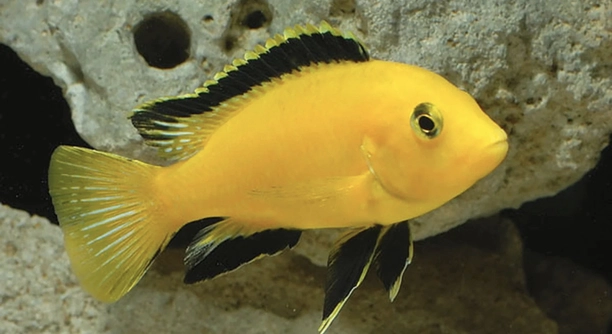
Are your cichlids showing unusual behavior or struggling to breathe? Fish need the right amount of oxygen to stay healthy and active. Watching for early signs can help you keep their environment safe and comfortable.
Cichlids require sufficient oxygen levels in their water for proper respiration and metabolic function. Signs of low oxygen include rapid gill movement, lethargy, and gasping at the surface. Prompt detection and correction are essential for their survival and wellbeing.
Recognizing these signs early allows you to improve your cichlids’ tank conditions and avoid serious health problems. The following information will help you understand what to look for and how to respond.
Rapid Gill Movement
When your cichlid’s gills start moving faster than usual, it is a clear sign of distress. Fish use their gills to extract oxygen from the water, so rapid gill movement means they are struggling to get enough oxygen. This can happen if the water’s oxygen level drops suddenly or if there is poor water circulation. Watching your fish closely for this sign can help you act quickly. It’s important to check your tank’s aeration system and ensure filters and pumps are working properly. Sometimes, overcrowding or excess waste can reduce oxygen availability, so cleaning the tank regularly and reducing the number of fish may be necessary. Keeping the water clean and well-aerated will support healthy breathing for your cichlid and reduce the risk of long-term damage caused by oxygen deprivation.
Rapid gill movement indicates an immediate need to improve oxygen supply in the tank to prevent harm to your cichlid.
Observing your cichlid’s gills frequently helps you catch this early. Addressing poor water flow or high waste buildup can quickly restore oxygen levels. Adding an air stone or increasing surface agitation can improve oxygen exchange. It is also helpful to avoid overfeeding, as excess food decays and reduces oxygen. Regular maintenance and monitoring of water parameters ensure a healthier environment. If your cichlid’s condition does not improve, consider consulting a specialist. Acting fast when you notice rapid gill movement can make the difference between recovery and serious health issues.
Gasping at the Surface
Gasping at the surface is another common sign that your cichlid may not be getting enough oxygen. Fish often rise to the top where oxygen is more available. This behavior is a clear indication that something is wrong with the oxygen levels in the water. It is important to observe this behavior early to prevent serious harm.
This behavior suggests oxygen levels are critically low and immediate action is required to increase aeration.
To address gasping at the surface, start by improving water circulation with a stronger filter or an air pump. Check the temperature, as warmer water holds less oxygen, so lowering the tank temperature slightly can help. Also, ensure the tank is not overcrowded. Plants can be beneficial since they produce oxygen during daylight, but avoid excess decaying plant material. Testing oxygen levels with a dissolved oxygen meter can provide accurate information. These steps will help your cichlid breathe easier and prevent the stress caused by oxygen deprivation.
Lethargy and Lack of Activity
Lethargy in cichlids often signals low oxygen levels. When oxygen is insufficient, fish lose energy and move less. This sluggish behavior can be an early warning sign that the environment needs attention.
Low oxygen reduces the energy available to your cichlid, causing it to slow down and avoid activity. You might notice your fish resting more than usual or hiding in one spot. This behavior can make it vulnerable to illness or stress. It is important to check the tank’s oxygen levels and overall water quality to address the issue. Improving aeration and reducing tank overcrowding can help restore normal activity.
Sometimes lethargy is mistaken for normal resting, but when paired with other signs, it points to oxygen problems. Regular observation of your cichlid’s behavior will help you notice changes early. Keeping water clean and well-aerated ensures your fish remain lively and healthy. Adjusting tank conditions quickly can prevent further health complications.
Pale or Faded Colors
Pale or faded colors in your cichlid may indicate oxygen deprivation. Healthy cichlids display vibrant colors, while dullness can be a sign of stress. This change in appearance should not be ignored.
Oxygen deficiency stresses fish and disrupts normal bodily functions, including coloration. When oxygen is low, blood circulation weakens, reducing the intensity of their natural colors. This fading can also be linked to other factors like illness, but if it appears alongside breathing difficulties or inactivity, oxygen levels are likely involved. Improving oxygen in the tank by increasing surface agitation or adding plants can help restore their colors.
Color changes due to low oxygen often reverse once the environment is corrected. It is a visual cue that your cichlid is struggling and needs immediate care. Keeping the tank well-maintained and monitoring water parameters helps prevent this problem.
Clamped Fins
Clamped fins occur when a cichlid holds its fins close to its body. This behavior often indicates discomfort or stress caused by low oxygen. It is a subtle but important sign to watch for in your fish.
When oxygen levels drop, fish conserve energy by reducing movement, which causes fins to clamp. This can also make them less responsive to their environment. Improving water aeration and circulation usually helps your cichlid relax and spread its fins normally again.
Erratic Swimming
Erratic swimming is a common reaction to insufficient oxygen. Fish may dart around quickly, appear disoriented, or crash into tank decorations. These movements show their struggle to get enough oxygen.
This behavior increases their oxygen demand, making the problem worse. Ensuring adequate oxygen levels by using air stones, increasing surface agitation, and maintaining clean water helps reduce erratic swimming. Watching for this sign early can prevent serious injury or exhaustion.
Increased Surface Activity
Your cichlid spending more time near the water surface often points to low oxygen levels. The surface holds more oxygen, so fish go there to breathe easier. This behavior should prompt immediate tank checks.
How can I increase oxygen levels in my cichlid tank?
Increasing oxygen in your tank starts with improving water movement. Adding an air stone or air pump creates bubbles that help oxygen enter the water. Using a stronger filter or adjusting its flow to agitate the surface more also increases oxygen exchange. You can add live aquatic plants that produce oxygen during daylight, but avoid overloading the tank with too many, as decaying plants reduce oxygen. Regular water changes and keeping the tank clean prevent waste buildup, which consumes oxygen. Finally, avoid overcrowding; fewer fish mean more oxygen is available per individual.
What causes low oxygen levels in a cichlid aquarium?
Low oxygen often results from poor water circulation and high temperatures. Warm water holds less oxygen, so tanks that run too warm can stress fish. Overcrowding increases oxygen demand, and excess food or waste leads to higher bacterial activity, which consumes oxygen. Dead or decaying plants and uneaten food also lower oxygen levels. Inadequate filtration or malfunctioning aeration equipment further reduce oxygen supply. Monitoring tank conditions and performing regular maintenance are crucial to prevent these issues.
Can low oxygen levels kill my cichlids?
Yes, insufficient oxygen can be fatal to cichlids if not addressed quickly. Fish rely on oxygen for all vital processes, and without enough, they become weak and stressed. Prolonged oxygen deprivation causes organ failure and makes fish more vulnerable to disease. Early detection and correcting the oxygen level can save your cichlids. Waiting too long may result in irreversible damage or death.
How do I know if my cichlid is stressed from low oxygen or illness?
Low oxygen stress and illness can show similar signs like lethargy, pale colors, and clamped fins. However, if you observe breathing difficulties such as rapid gill movement or gasping at the surface along with these symptoms, low oxygen is likely the cause. Illness often includes other specific signs like spots, swelling, or abnormal growths. Testing water parameters and oxygen levels can help identify the problem. Improving oxygen supply should be your first step if breathing issues are present.
Is it normal for cichlids to come to the surface sometimes?
Cichlids may visit the surface occasionally for various reasons, including feeding or exploring. However, frequent or prolonged surface gasping usually indicates low oxygen levels. If you notice your fish spending too much time at the surface, it’s a sign to check your tank’s oxygen and water quality. Addressing this early prevents stress and health problems.
Can overfeeding affect oxygen levels in the tank?
Yes, overfeeding directly impacts oxygen availability. Uneaten food decomposes, increasing bacterial activity that uses oxygen for breakdown. This process lowers oxygen levels and can create toxic byproducts. Feeding your cichlids only what they can consume within a few minutes helps keep the tank clean and oxygen-rich. Removing leftover food promptly is also important.
Does water temperature affect oxygen availability?
Water temperature plays a significant role in oxygen levels. Warmer water holds less dissolved oxygen, so tanks kept too warm can stress fish. Keeping the temperature within the recommended range for your cichlid species helps maintain healthy oxygen levels. Using a reliable heater and thermometer to monitor and control temperature is essential.
Are live plants helpful or harmful for oxygen levels?
Live plants produce oxygen during daylight through photosynthesis, which benefits your tank’s oxygen supply. However, at night plants consume oxygen, and decaying plant matter reduces oxygen overall. Maintaining healthy, trimmed plants and removing dead leaves helps keep oxygen levels stable. Balance is key—too many plants or poor plant care can have the opposite effect.
How often should I test oxygen levels in my aquarium?
Regular monitoring is important, especially if you notice signs of low oxygen. Testing oxygen levels weekly is a good practice in tanks with many fish or plants. Use a dissolved oxygen test kit or meter for accurate results. Frequent water changes and maintenance also help maintain proper oxygen levels.
What immediate steps should I take if I notice my cichlid gasping for air?
If your cichlid is gasping at the surface, increase aeration immediately. Add an air stone or boost filter flow to agitate the surface more. Perform a partial water change to remove waste and refresh oxygen. Lower the water temperature slightly if it is too warm. Check for overcrowding and remove any excess fish if needed. Acting fast can save your fish from severe oxygen deprivation.
Monitoring the oxygen levels in your cichlid tank is essential for keeping your fish healthy and active. Low oxygen can cause several warning signs such as rapid gill movement, gasping at the surface, and lethargy. These signs should never be ignored, as they indicate your cichlids are struggling to breathe properly. By paying close attention to your fish’s behavior and physical condition, you can detect oxygen problems early. Early detection allows you to take quick action to improve the environment before your fish’s health worsens.
Maintaining good water quality is a key part of providing enough oxygen for your cichlids. Proper filtration and aeration help keep oxygen levels stable. Using tools like air stones or air pumps can increase water movement and oxygen exchange. Regular water changes are also important because they remove waste and other substances that reduce oxygen availability. It is equally important to avoid overcrowding your tank, as too many fish will consume oxygen faster than it can be replaced. Keeping the tank clean and well-maintained creates a safer and more comfortable habitat for your cichlids.
Understanding the signs of oxygen deficiency and acting to correct them helps prevent serious health problems. Fish stressed by low oxygen may become more vulnerable to disease and show faded colors or unusual behavior. Improving aeration, controlling temperature, and reducing waste can quickly restore healthy oxygen levels. With proper care and attention, your cichlids can thrive in their tank. Regular observation and good maintenance routines ensure a balanced environment, promoting the long-term well-being of your fish.

Hello,
If you enjoy the content that we create, please consider saying a "Thank You!" by leaving a tip.
Every little bit helps us continue crafting quality advice that supports the health, happiness, and well-being of pets around the world, for pets of all shapes, sizes, and species.
We really appreciate the kindness and support that you show us!