
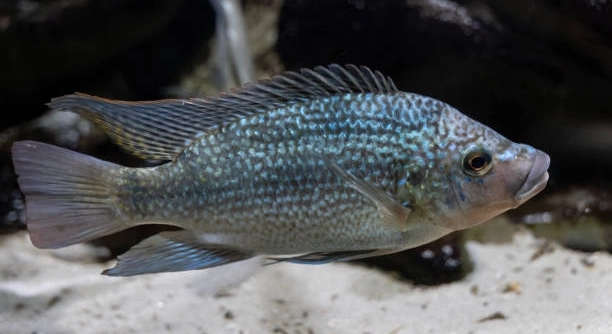
Are your cichlids showing changes in behavior or appearance that might mean they are ready to spawn? Recognizing these signs can help you provide the best environment for breeding success. Knowing what to watch for is important in caring for your fish.
Cichlids ready to spawn often display specific behaviors such as increased aggression, territorial defense, and changes in coloration. Additionally, physical signs like swelling of the abdomen and nest-building activities indicate readiness to reproduce. These markers are consistent across many cichlid species.
Knowing these signs will help you support your cichlids through their spawning process and improve the chances of successful breeding in your aquarium. Understanding these behaviors is essential for any dedicated fishkeeper.
Behavioral Changes Indicating Spawning Readiness
When cichlids are preparing to spawn, their behavior often shifts noticeably. You might see increased aggression as they start defending a specific territory. This is a natural way to protect their future eggs or fry. They may chase away other fish more actively or display dominance by flaring their fins and body. Some species begin cleaning or preparing a particular spot in the aquarium, like a flat rock or a patch of gravel, to lay eggs. This behavior helps ensure the eggs are safe and well cared for. These behavioral changes usually happen gradually and become more obvious as spawning time approaches. Paying close attention to your cichlids’ interactions will give you clues about their reproductive state and help you prepare the tank environment to support successful spawning.
Recognizing these behaviors early allows you to provide the ideal conditions that encourage breeding. Preparing the environment at this stage is crucial.
Adjusting water quality, temperature, and adding hiding places can reduce stress and support healthy spawning. Providing the right diet rich in proteins also prepares the fish physically. Observing these subtle cues helps you manage your aquarium better and increases the chances of successful breeding. Keeping a calm and stable environment benefits the pair during this sensitive phase.
Physical Signs of Spawning
Physical changes in cichlids often accompany their behavioral shifts. Females usually show a swollen abdomen as eggs develop, making them appear rounder or fuller than usual. Males may display brighter, more intense colors to attract females and signal readiness. These color changes are sometimes temporary but important during the spawning period. Additionally, you might notice increased fin activity or males cleaning potential spawning sites. These visible signs are clear indicators that your cichlids are close to spawning. Observing these physical details helps you understand when to expect eggs and prepare for their care.
These physical signs make it easier to identify spawning readiness without guessing.
Once you notice these signs, it is important to maintain excellent water conditions. Regular water changes and monitoring temperature ensure the eggs and fry stay healthy. Avoid sudden changes in the tank, as stress can interrupt spawning or harm the eggs. Providing soft, fine substrate or flat surfaces encourages egg laying. Keeping the environment clean and safe supports the survival of the young. Offering high-quality, protein-rich food enhances the parents’ condition for breeding. Proper care at this stage increases the likelihood of successful hatching and healthy fry development. Watching for these physical signs lets you plan ahead and give your cichlids the best chance at successful reproduction.
Nest-Building and Spawning Preparation
Cichlids often prepare a specific area in the tank before spawning. This can include cleaning a flat surface or arranging substrate.
This behavior ensures the eggs have a safe and clean place to develop. Some species move small stones or clear debris to create an ideal nest. The preparation shows their instinct to protect offspring and improve survival chances. Watching this process helps identify when spawning will happen soon.
Providing flat rocks or broad leaves in the tank encourages this behavior. Keeping the tank clean and stable supports nest-building efforts, reducing stress during this critical time.
Increased Appetite and Diet Changes
Before spawning, cichlids often increase their food intake. They may become more interested in protein-rich foods such as live or frozen brine shrimp. This dietary boost supports egg development and overall health during breeding.
Feeding high-quality foods like bloodworms or specialized pellets strengthens the fish physically. It also ensures they have enough energy for the spawning process and parental care afterward.
Adjusting the diet to meet their needs is essential to successful breeding. Poor nutrition can delay spawning or result in weaker offspring, so proper feeding habits improve outcomes significantly.
Guarding Behavior
Cichlids become more protective of their chosen nesting site. They closely watch over the area and their partner.
They may chase away other fish or anything they see as a threat. This behavior helps increase the survival chances of their eggs or fry.
Color Intensification
During spawning, cichlids often display brighter, more vivid colors. This intensification serves to attract a mate and signal readiness to breed. The enhanced coloration is temporary but clearly noticeable, making it easier to identify fish that are ready to spawn.
Courtship Rituals
Cichlids engage in specific courtship behaviors, such as swimming side by side or performing displays with their fins. These rituals help strengthen the pair bond and prepare them for spawning. Observing these actions indicates that spawning is imminent and that the fish are healthy and ready.
Egg Laying
Egg laying occurs after courtship and nest preparation. The female deposits eggs on the chosen surface, and the male quickly fertilizes them.
How do I know if my cichlid is ready to spawn?
You can tell by watching their behavior and physical changes. They become more territorial, guarding a specific area in the tank. Males often show brighter colors, and females may have a swollen belly from developing eggs. They also prepare a nest or clean a surface to lay eggs. Increased appetite and specific courtship behaviors like swimming together or fin displays are good signs your cichlids are ready to spawn. Paying attention to these cues helps you know when to expect spawning soon.
What conditions do cichlids need for successful spawning?
Stable water quality is essential. Keep temperature, pH, and hardness within the ideal range for your cichlid species. Most cichlids prefer slightly warmer water when breeding. Provide a clean tank with flat surfaces or smooth rocks for egg laying. Hiding spots and minimal disturbance reduce stress. Feeding a nutritious diet rich in proteins supports reproductive health. Regular water changes and gentle filtration improve conditions. Avoid overcrowding the tank, as stress can prevent spawning or harm eggs. Creating a calm and suitable environment helps cichlids breed successfully.
How long does it take for cichlid eggs to hatch?
The time depends on the species and water temperature but usually ranges from 2 to 7 days. Warmer water generally speeds up development, while cooler temperatures slow it down. Parents often guard the eggs closely during this period, fanning them gently to provide oxygen. It’s important to maintain stable water conditions throughout the incubation time to avoid fungal infections or egg loss. Watching the eggs daily allows you to spot any problems early and take action if needed.
Should I separate the parents from the eggs or fry?
In most cases, it’s best to leave the parents with the eggs and fry. Many cichlid species care for their young, protecting them from predators and cleaning the eggs. Removing the parents can cause stress and reduce survival rates. However, if the parents show aggressive behavior that threatens the fry, you might consider separating them carefully. Some breeders use breeding traps or separate tanks to protect fry. Monitor closely and decide based on the specific behavior of your fish.
What do baby cichlids eat after hatching?
Newly hatched fry usually feed on tiny microorganisms like infusoria or algae. In an aquarium, you can provide powdered fry food or finely crushed flakes. Live foods like baby brine shrimp are excellent for growth and development. Feeding small amounts multiple times a day helps the fry grow strong. It’s important to keep the tank clean and maintain good water quality during this stage. As fry grow, you can gradually introduce larger foods suitable for their size.
Can all cichlids spawn in a community tank?
Not all cichlid species spawn well in community tanks due to stress and competition. Aggressive species may attack tank mates or fail to protect their eggs. Some cichlids need specific conditions and privacy for successful breeding. If you want to breed cichlids, consider a separate breeding tank to reduce stress and protect the young. Choose compatible species and provide adequate hiding places. This increases the chances of successful spawning and fry survival.
What signs show that spawning has failed?
If eggs start turning white or develop fungus, this is a sign spawning may have failed. Parents might eat the eggs if stressed or if conditions are poor. Lack of parental care, poor water quality, or inappropriate tank setup can cause failure. Fry that do not appear after the expected hatching period indicate problems. Monitoring the eggs closely and maintaining optimal conditions helps prevent these issues. Acting quickly when problems arise can save future spawnings.
How often can cichlids spawn?
Frequency depends on the species, age, and tank conditions. Some cichlids spawn every few weeks during the breeding season, while others breed less frequently. Proper nutrition and stable environment encourage regular spawning. However, constant breeding can stress the fish, so giving them rest periods is important. Watching for natural cycles in behavior and condition helps you support healthy breeding patterns.
Are there special care tips for breeding cichlids?
Yes. Keep the tank clean and stable, avoid sudden changes in water parameters, and provide a nutritious diet. Limit disturbances during breeding and protect eggs from other tank inhabitants. Use proper filtration and aeration without strong currents. Observe the parents and fry carefully, offering suitable foods as fry grow. Adjust lighting to simulate natural day cycles. Being patient and attentive ensures a higher chance of successful breeding and healthy offspring.
Understanding the signs that your cichlid is ready to spawn is an important part of successful fishkeeping. By observing changes in behavior, color, and physical condition, you can better prepare the environment to support breeding. Knowing what to look for helps reduce stress on the fish and improves the chances that the spawning process will go smoothly. Each species may have slightly different cues, but many share common signs such as territorial defense, nest-building, and increased appetite. Paying attention to these details allows you to respond appropriately and create a safe space for your cichlids to reproduce.
Providing the right conditions for spawning is just as important as recognizing the signs. Stable water quality, proper temperature, and adequate hiding places are necessary to support the breeding cycle. A clean tank with suitable surfaces for egg laying encourages natural behavior. Feeding your cichlids a nutritious diet rich in proteins prepares them physically for reproduction and helps them care for their eggs and fry. Reducing disturbances and maintaining a calm environment protects the fish during this sensitive time. When these elements are in place, you can expect healthier offspring and better overall success in your aquarium.
Breeding cichlids can be a rewarding experience, but it requires attention and care. Watching your fish closely, making adjustments when needed, and understanding their needs ensures the process goes as smoothly as possible. Whether you are a new or experienced fishkeeper, observing these signs and providing proper support improves your chances of successful spawning. This knowledge not only benefits your cichlids but also enhances your enjoyment and confidence in maintaining a thriving aquarium.

Hello,
If you enjoy the content that we create, please consider saying a "Thank You!" by leaving a tip.
Every little bit helps us continue crafting quality advice that supports the health, happiness, and well-being of pets around the world, for pets of all shapes, sizes, and species.
We really appreciate the kindness and support that you show us!