
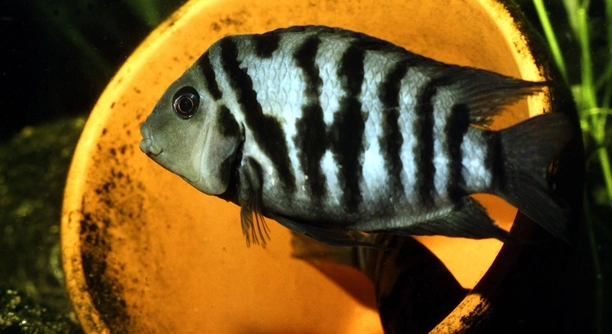
Is your cichlid showing signs of stress or unusual behavior in the tank? Many fish owners face challenges when their cichlids are bullied by tank mates, which can affect their health and well-being. Recognizing the signs early can help maintain a peaceful environment.
Bullying in cichlids often manifests through physical damage, hiding, loss of appetite, and increased stress levels. These behaviors result from aggressive dominance by other fish, disrupting social balance and potentially leading to serious health issues if unaddressed.
Identifying these warning signs allows you to take steps to protect your cichlid and promote a healthier aquarium community.
Physical Signs of Bullying in Cichlids
When a cichlid is bullied, the most obvious signs appear on its body. Look for torn fins, missing scales, or scratches that do not seem to heal. These injuries result from chasing or biting by more aggressive fish in the tank. A bullied cichlid may also have faded or dull coloration, which can indicate stress and poor health. Sometimes, the fish might develop red marks or swelling where the attacks occur. It’s important to inspect your fish regularly to catch these physical signs early. If left untreated, injuries can become infected and threaten your cichlid’s survival. Keeping an eye on these details helps maintain a healthier tank environment and prevents prolonged suffering.
Bullying often causes visible damage that requires immediate attention to avoid further harm.
Recognizing physical wounds quickly allows you to separate the affected cichlid and treat its injuries. Providing hiding spaces and reducing aggressive tank mates can help the fish recover. Sometimes, rearranging the aquarium layout or adding decorations reduces aggression by breaking sight lines between fish. These changes improve your cichlid’s comfort and reduce bullying episodes.
Behavioral Changes That Indicate Bullying
Cichlids under stress may behave differently from their usual selves. A bullied fish might hide more often, spending long periods in corners or behind decorations. It may also avoid eating or swim nervously around the tank. These behaviors show that the fish feels threatened and unsafe. Bullying can cause a cichlid to lose interest in interacting with others or exploring its environment. Changes in swimming patterns, such as darting quickly or freezing in place, are also common signs. Observing these shifts early gives you a chance to intervene and restore balance. Sometimes, simply reducing the number of aggressive fish or increasing tank size helps resolve these issues.
When cichlids act withdrawn or fearful, bullying is likely affecting their well-being.
By paying close attention to these subtle signs, you can spot bullying before physical harm worsens. Behavioral changes often happen before injuries show, making early action crucial. Adjusting tank conditions or separating aggressive fish can improve the bullied cichlid’s confidence. Additionally, providing plenty of hiding spots helps reduce anxiety. These steps make the tank a safer place and encourage healthier behavior among all fish.
Loss of Appetite and Weight Loss
Bullying often causes cichlids to lose interest in food. A stressed fish may refuse to eat or eat much less than usual.
When a cichlid is bullied, the constant stress affects its appetite and digestion. This loss of nutrition weakens the fish, making it more vulnerable to illness. Weight loss becomes noticeable as the fish’s body becomes thinner and less vibrant. It may also spend more time hiding instead of feeding, which worsens the problem. Without proper food intake, the fish’s immune system suffers, leading to slower healing from injuries. Monitoring eating habits is essential for spotting bullying before serious health issues develop.
Addressing bullying quickly can help restore your cichlid’s appetite and improve its overall condition. Changes such as feeding in safer areas or separating aggressive tank mates can encourage the fish to eat again and regain strength.
Increased Stress and Its Effects
Bullying significantly raises stress levels in cichlids, affecting their behavior and health. Stress can cause a weakened immune system and shorter lifespan.
Chronic stress from bullying leads to hormonal changes that impair a cichlid’s ability to fight diseases. The fish may appear lethargic, spend more time hiding, or act unusually skittish. Stress also reduces breeding success and slows recovery from injuries. Prolonged exposure to aggression can cause permanent damage to a fish’s mental and physical health. Providing a calm and balanced environment is key to preventing these harmful effects. Reducing overcrowding and offering hiding spaces can lower stress and improve your fish’s quality of life.
Recognizing signs of stress early helps in making changes that support your cichlid’s well-being and longevity.
Excessive Hiding and Withdrawal
A bullied cichlid often hides more than usual to avoid aggressive tank mates. This behavior signals stress and fear.
Withdrawal from the usual swimming and social patterns reduces the fish’s quality of life. Over time, hiding can lead to loneliness and weakened health.
Changes in Coloration
Stress and bullying cause cichlids to lose their bright colors. Dull or faded hues often indicate poor health and discomfort.
Color changes can also result from injury or illness linked to bullying. Monitoring coloration helps identify if a fish is struggling.
Increased Aggression in Other Fish
Bullying can trigger more aggressive behavior in tank mates, creating a tense environment. This escalation often leads to continuous conflict and stress.
Maintaining a balanced community requires careful attention to aggressive tendencies to prevent ongoing problems.
Reduced Activity Levels
A bullied cichlid may swim less and appear sluggish. Low activity is a sign of poor health or stress from harassment.
Watching activity levels provides insight into how comfortable your fish feels in its environment.
FAQ
How can I tell if my cichlid is being bullied or just stressed?
Bullying usually shows clear signs like physical injuries, frequent hiding, and avoidance of food. Stress alone might cause color fading or slight behavioral changes without visible wounds. If your cichlid is missing scales or fins, or if other fish chase it repeatedly, bullying is likely occurring. Stress from environment changes can cause mild hiding or inactivity but usually lacks aggressive interactions from tank mates.
What should I do if I notice my cichlid is being bullied?
First, separate the bullied fish to prevent further injury. Check water quality to reduce stress, as poor conditions worsen aggression. Add plenty of hiding spots and rearrange decorations to break sight lines between aggressive fish. Consider reducing the number of aggressive tank mates or moving some fish to another tank. Feeding in safer spots may also encourage the bullied cichlid to eat and regain strength.
Can tank size affect bullying behavior?
Yes, overcrowded tanks increase aggression and competition for space. A small tank limits hiding areas and personal territory, causing fish to chase and bully each other. Providing ample space reduces stress and allows fish to establish their own areas, which lowers aggressive encounters. Generally, a larger tank helps create a balanced community and prevents bullying.
Are certain cichlid species more aggressive than others?
Some species, like African cichlids, tend to be more territorial and aggressive than others. Understanding the temperament of your specific cichlid species helps in selecting compatible tank mates. Mixing aggressive species with peaceful ones often results in bullying. Choosing species with similar temperaments and space requirements minimizes conflicts.
How can I reduce bullying without removing fish?
Rearranging the tank layout and adding plants, rocks, or decorations can disrupt sight lines and reduce aggression. Increasing hiding spots gives bullied fish places to escape. Feeding fish separately or in multiple locations can help bullied fish eat safely. Maintaining good water quality and stable conditions also lowers stress, which reduces bullying behavior.
Is it normal for cichlids to be aggressive?
Cichlids naturally show territorial aggression, especially during breeding. However, bullying goes beyond normal behavior and causes harm. Healthy aggression involves establishing territory but does not lead to constant chasing or injury. If aggression becomes constant and damaging, it is bullying and needs to be managed.
Can bullying lead to long-term health problems?
Yes, bullied cichlids often suffer from stress-related illnesses, slow healing, and weakened immune systems. Injuries from attacks can become infected. Chronic stress reduces lifespan and breeding success. Early intervention is critical to prevent lasting damage and keep your fish healthy.
What role does diet play in recovery from bullying?
Proper nutrition strengthens a bullied cichlid’s immune system and helps repair injuries. Feeding high-quality, varied food supports faster recovery. Avoid overfeeding, which can cause water quality issues and increase stress. Sometimes, offering food in quieter tank areas encourages eating.
How often should I monitor my cichlids for signs of bullying?
Regular daily observation is best to catch early signs of bullying. Watch for changes in behavior, appearance, and appetite. Weekly physical checks for injuries or fin damage help catch problems before they worsen. Prompt action keeps your tank healthier overall.
Can stress from bullying affect other fish in the tank?
Yes, stress spreads through a community tank. Aggressive behavior raises tension, causing shy fish to hide more and eat less. This can lead to a cycle of stress and poor health affecting multiple fish. Maintaining peace benefits all tank inhabitants.
Are there treatments to calm aggressive cichlids?
Certain water conditioners and calming additives claim to reduce fish stress and aggression, but their effectiveness varies. Improving tank conditions, space, and environment are more reliable ways to reduce aggression. Medication is generally unnecessary unless treating injuries or illness from bullying.
Is it better to keep cichlids alone or with other fish?
Cichlids are social but territorial. Keeping them with compatible tank mates and enough space usually works best. Alone tanks prevent bullying but may reduce natural behaviors and enrichment. Careful community planning supports healthy interaction without aggression.
What signs indicate a bullied cichlid is recovering?
Improved appetite, brighter colors, more active swimming, and reduced hiding indicate recovery. Healing of wounds and less visible stress signs show progress. Patience and consistent care support full recovery.
How can I prevent bullying before it starts?
Start with appropriate tank size, species compatibility, and plenty of hiding places. Introduce fish slowly and monitor behavior closely. Maintaining good water quality and avoiding overcrowding reduces stress and aggression from the beginning.
Can rearranging tank decorations reduce bullying?
Yes, changing the layout breaks up territories and reduces sight lines between aggressive fish. This interrupts chasing behavior and gives bullied fish safe spaces. Periodic rearranging can keep aggression in check.
Should I quarantine a bullied cichlid?
Separating a severely injured or stressed cichlid allows for focused care and prevents further harm. Quarantine tanks reduce exposure to aggressive fish and improve recovery chances. After healing, careful reintroduction is possible with changes to reduce bullying risk.
What role does lighting play in fish aggression?
Bright, constant lighting can increase stress and aggression in some cichlids. Providing shaded areas or dimming lights helps fish feel secure. A natural day-night cycle supports healthy behavior and reduces tension.
How do I choose tank mates to avoid bullying?
Select fish with similar size, temperament, and environmental needs. Avoid mixing overly aggressive species with peaceful ones. Research species compatibility and watch for early signs of conflict when introducing new fish.
Is bullying more common during breeding?
Yes, cichlids become more territorial and protective during breeding, increasing aggression. Providing extra space and hiding spots helps reduce stress during this time. Monitoring closely ensures bullying does not escalate beyond natural behavior.
What equipment helps reduce bullying?
Adding caves, plants, rocks, and other decorations provides hiding spots and breaks up territories. Larger tanks with good filtration maintain water quality and reduce stress. Avoid bare tanks, which encourage aggression.
How can I support a bullied cichlid’s immune system?
Feed nutritious food, maintain clean water, and reduce stress by managing tank aggression. Healing requires consistent care and a calm environment. Vitamins and supplements can help but should not replace good husbandry.
When should I consider rehoming aggressive fish?
If bullying persists despite environmental changes, removing the aggressive fish may be necessary. Persistent harm to other fish harms the entire tank’s health. Rehoming ensures a safer, more balanced aquarium.
Can bullying cause fish to die suddenly?
Yes, severe bullying leads to stress, injury, and weakened immunity, which can cause sudden death. Early detection and intervention prevent tragic outcomes. Regular care protects your cichlids’ well-being.
What are some signs that bullying is worsening?
Increasing injuries, constant chasing, severe hiding, and loss of appetite all show escalating bullying. Behavioral changes like frantic swimming or lethargy also signal worsening conditions. Immediate action is needed.
Are there natural behaviors that look like bullying?
Territorial displays and brief chasing are normal in cichlids. Bullying differs by its persistence, physical harm, and clear victim. Learning normal versus harmful behavior helps you manage your tank better.
Final thoughts on recognizing and managing bullying in cichlids are important for every fish owner. Bullying can cause serious harm to your fish, including physical injuries and stress-related health problems. Early detection is key. Watching for signs like torn fins, hiding, loss of appetite, and changes in behavior helps prevent long-term damage. When you notice these signs, taking quick action can improve your cichlid’s quality of life and the overall harmony of your aquarium.
Creating a healthy environment reduces bullying significantly. Providing enough space, hiding places, and compatible tank mates helps your cichlids feel safe and less threatened. Regularly checking water quality and maintaining a clean tank are also essential. Good conditions keep fish healthy and less likely to become aggressive or stressed. Adjusting tank layout by adding rocks, plants, or decorations can break up aggressive behavior by creating natural barriers. These small changes make a big difference in reducing conflict.
If bullying continues despite your efforts, separating aggressive fish or rehoming them may be necessary. Protecting the bullied fish should always be a priority. Recovery takes time and care, but with patience, your cichlid can regain strength and confidence. Paying attention to your fish’s behavior and environment helps maintain a balanced tank. In the end, a calm and peaceful aquarium benefits all its inhabitants. Keeping these points in mind ensures a healthier and happier home for your cichlids.

Hello,
If you enjoy the content that we create, please consider saying a "Thank You!" by leaving a tip.
Every little bit helps us continue crafting quality advice that supports the health, happiness, and well-being of pets around the world, for pets of all shapes, sizes, and species.
We really appreciate the kindness and support that you show us!