
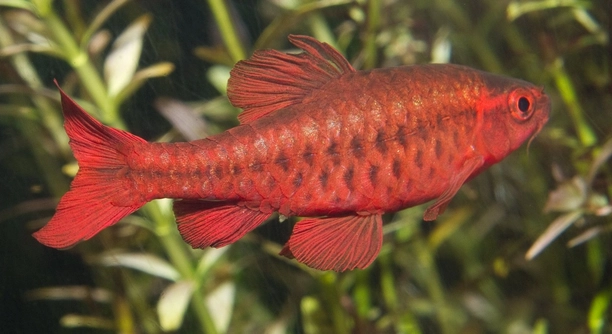
Cherry Barbs are beautiful and active fish, but they are sensitive to water quality. Keeping an eye on their environment is key to their health and happiness. Poor water quality can lead to stress and illness for your fish.
If the water quality in your Cherry Barb tank is poor, your fish may show signs such as lethargy, faded colors, or changes in behavior. Water issues can cause stress, making them more vulnerable to diseases.
Maintaining proper water conditions is essential for the well-being of your Cherry Barbs. Keep reading to find out the seven signs that can indicate poor water quality in your tank.
1. Cloudy Water
Cloudy water is one of the most noticeable signs that something is wrong with your tank. It could be caused by a variety of factors, such as overfeeding, a filter malfunction, or excess organic matter. When food and waste decompose, bacteria growth can make the water look murky. This is stressful for your Cherry Barbs and can affect their health over time.
If left unchecked, cloudy water may also lead to poor oxygen levels and bacteria growth, further contributing to your fish’s distress. It is important to identify the root cause quickly to avoid long-term damage.
Start by checking your filtration system to ensure it is working properly. If the filter is not functioning well, replace or clean it. Also, consider reducing the amount of food you’re feeding and remove any uneaten food immediately to prevent waste buildup.
2. Fish Swimming Erratically
When your Cherry Barbs swim erratically, it may indicate that the water quality is poor. They might dart around, swim near the surface, or even gasp for air. Fish are sensitive to changes in their environment, and this behavior could be a sign that they are struggling to breathe or experiencing discomfort.
If you notice this behavior regularly, it’s time to test the water parameters. Poor water quality can lead to oxygen deficiencies, which may cause your fish to act out of the ordinary. Ensure that the oxygen levels are adequate for your Cherry Barbs.
The temperature and pH levels can also impact how your fish behave. If the tank is too hot, too cold, or if the pH is unstable, your fish might react in ways that signal distress. Keep the water temperature stable and adjust the pH levels to suit the needs of your fish. Regularly testing your water can help you stay ahead of potential problems and keep your Cherry Barbs happy.
3. Fish Are Faded or Losing Color
When Cherry Barbs are exposed to poor water quality, they can lose their vibrant colors. This is often a sign of stress or poor health. Fish rely on stable and clean water to maintain their coloration, and when something is off, it can cause their colors to fade.
The fading could be a result of high levels of toxins or improper pH. Stress from poor water conditions can also affect the natural pigmentation of your fish. If you notice the color of your fish starting to dull, it’s important to assess their environment and make the necessary adjustments.
Start by testing the water for ammonia, nitrites, and nitrates. Any significant spikes in these levels can affect your fish’s health and appearance. Regular water changes and ensuring proper filtration will help your Cherry Barbs retain their natural colors. You should also avoid overcrowding your tank, as this can exacerbate water quality issues.
4. Fish Are Scratching Against Objects
If your Cherry Barbs start scratching themselves against rocks, decorations, or the substrate, it could be a sign that something is wrong with the water. This behavior often indicates irritation, which can stem from poor water quality, such as high ammonia or nitrite levels.
When these toxins build up in the tank, they irritate the fish’s skin and gills, causing them to scrape against objects to relieve the discomfort. If your fish are scratching, it’s important to act quickly. Test the water for toxins and perform a water change to lower their levels.
This behavior can also signal the presence of external parasites, such as ich, which thrive in unclean water. Regularly cleaning the tank and performing water changes will help keep your fish healthy and free from irritants. If the behavior persists, consider consulting a veterinarian for a more accurate diagnosis.
5. Excess Algae Growth
Algae growth is common in aquariums, but if you notice an excessive amount of algae in your tank, it could indicate poor water quality. Overgrown algae can be a result of high nutrient levels, often caused by overfeeding, poor filtration, or infrequent water changes.
Excessive algae can cloud the water and rob your Cherry Barbs of much-needed oxygen. It can also block the light that helps plants grow, causing further imbalances in the tank’s ecosystem. Keeping algae under control is crucial for maintaining a healthy tank environment.
To manage algae, remove visible clumps and trim back any overgrown plants. Regular water changes will help lower the nutrient levels that fuel algae growth. You can also add algae-eating fish or snails to naturally control algae, but they won’t solve the problem entirely if water quality isn’t addressed. Test your water regularly to ensure it’s in the right balance for your Cherry Barbs to thrive.
6. A Sudden Increase in Fish Deaths
If your Cherry Barbs are suddenly dying at an unusual rate, it’s often linked to poor water quality. Fish death can happen quickly if toxins such as ammonia or nitrites accumulate in the water. These toxins are harmful to fish and can lead to sudden death if not addressed immediately.
Water quality should be the first thing you check when fish are dying in your tank. Test for ammonia, nitrite, and nitrate levels, as they can become toxic if left unchecked. If these levels are high, perform a partial water change to dilute the toxins and ensure the survival of your remaining fish.
Make sure to regularly maintain your filtration system to prevent future spikes in harmful chemicals. Overfeeding, overcrowding, or lack of proper filtration can all contribute to poor water quality and lead to increased stress, weakening your fish’s immune system. Keep a close eye on the tank’s water parameters to prevent further fatalities.
7. Unpleasant Odors
If you notice a strong, unpleasant smell coming from your tank, it’s a clear sign that something is wrong with the water. Foul odors often indicate high levels of decaying organic matter, which can affect your Cherry Barbs’ health.
The smell could be coming from rotting food, uneaten fish waste, or a malfunctioning filter. These issues can lead to a buildup of harmful bacteria, which in turn degrades the water quality. Regularly removing excess waste and uneaten food will prevent this.
Check your filtration system to make sure it’s working efficiently. Cleaning it and changing the filter media can help reduce odors and improve water conditions. Frequent water changes can also help reduce the buildup of bacteria and organic waste.
8. Poor Water Movement
When the water in your tank isn’t moving well, it can lead to stagnant areas where toxins accumulate. Cherry Barbs need good water flow for a healthy environment. Without proper movement, oxygen levels can drop, causing stress and health problems for your fish.
Make sure your filtration system is providing adequate water circulation. If your filter isn’t strong enough, consider upgrading it. Adding water pumps or adjusting the positioning of decorations can also help improve circulation. Poor water movement can also encourage algae growth and affect the overall stability of your tank.
9. Consistent Tank Imbalances
When water parameters such as temperature, pH, and hardness remain unstable over time, it can stress your Cherry Barbs. Fish are sensitive to changes in their environment, and inconsistency can lead to weakened immune systems or behavioral changes.
Keeping a consistent routine for tank maintenance is key to preventing these imbalances. Test your water regularly and make necessary adjustments to keep everything in balance. Regular water changes and maintaining your filter will also help stabilize the tank’s environment, making it safer for your Cherry Barbs.
FAQ
What should I do if my Cherry Barb tank has poor water quality?
The first step is to check the water parameters. Test for ammonia, nitrites, nitrates, pH, and temperature. If you notice any abnormalities, perform a water change to dilute the toxins. Also, clean your filter and remove any uneaten food or waste from the substrate. Keep the water well-filtered and make sure the tank has proper aeration. Monitoring the water quality regularly is essential to prevent future issues. Maintaining a consistent cleaning schedule and making gradual changes will help avoid stressing your Cherry Barbs.
How often should I change the water in my Cherry Barb tank?
Water changes depend on the size of your tank, the number of fish, and the filtration system. Generally, aim for a 20-25% water change every 1-2 weeks. In smaller tanks or tanks with many fish, you may need to change the water more frequently. Larger tanks with fewer fish may require less frequent changes. Make sure to always test the water before and after the change to ensure it’s at safe levels for your Cherry Barbs. Keep in mind that sudden large water changes can stress your fish, so gradual adjustments are best.
Why does my Cherry Barb tank smell bad?
A bad smell in the tank usually means there’s an excess of decaying organic matter, such as uneaten food, fish waste, or dead plants. This can lead to the buildup of harmful bacteria and toxins like ammonia. To fix this, remove any leftover food, clean the substrate, and perform a water change. Check the filter to ensure it’s working properly. Regular maintenance is important to prevent odors and maintain healthy water conditions. If the smell persists, make sure to test the water and adjust as needed to maintain a balanced environment.
Can poor water quality affect the behavior of my Cherry Barbs?
Yes, poor water quality can cause your Cherry Barbs to become stressed and exhibit abnormal behavior. They may swim erratically, scratch themselves against objects, or become lethargic. Changes in water conditions, such as sudden temperature shifts or high toxin levels, can irritate their skin and gills. Keeping water quality stable helps reduce stress and ensures healthy, active behavior. Regularly testing and maintaining your tank’s water parameters will support your Cherry Barbs’ natural behavior and health.
How can I prevent poor water quality in my Cherry Barb tank?
Preventing poor water quality requires a combination of proper tank maintenance, filtration, and monitoring. Ensure your filtration system is appropriate for the size of your tank and check it regularly to ensure it’s running smoothly. Feed your fish only what they can consume to avoid excess food buildup, and remove uneaten food promptly. Avoid overstocking the tank, as this can overwhelm the filtration system and cause imbalances. Perform regular water tests to monitor ammonia, nitrites, nitrates, pH, and temperature. Regular water changes and cleaning the substrate will also help maintain healthy water conditions.
What are the most common signs of poor water quality in a Cherry Barb tank?
Common signs of poor water quality include cloudy water, lethargic fish, faded colors, fish scratching against objects, or an increase in algae growth. You may also notice an unpleasant odor coming from the tank or erratic swimming behavior. These signs suggest that the water has become imbalanced, and immediate action is needed to restore the environment to healthy conditions. Regular monitoring and maintenance can help prevent these issues from occurring in the first place.
Is cloudy water always caused by poor water quality?
Cloudy water can be caused by poor water quality, but it can also occur naturally due to a bacterial bloom or new tank syndrome. A bacterial bloom typically happens in newly set-up tanks as the beneficial bacteria establish themselves. However, if the cloudiness persists and is accompanied by other signs of poor water quality, such as high ammonia or nitrite levels, it’s time to investigate further. Regular water changes and testing can help resolve the issue. Make sure your filter is working properly and avoid overfeeding, which can contribute to water cloudiness.
How do I know if my Cherry Barbs are stressed due to poor water quality?
Stressed Cherry Barbs may exhibit several behavioral changes, such as erratic swimming, gasping for air at the surface, or hiding more than usual. They may also lose their vibrant colors and appear dull. If you notice these changes, test the water to check for high levels of toxins such as ammonia or nitrites. Poor water quality is often the cause of stress, but other factors like temperature fluctuations or overcrowding can contribute as well. Addressing the water quality issues quickly will help reduce stress and allow your Cherry Barbs to return to normal behavior.
Can algae overgrowth be a sign of poor water quality?
Yes, excessive algae growth can be a sign of poor water quality. Algae thrive in tanks with high nutrient levels, often due to overfeeding or poor filtration. If algae grows out of control, it can block light, consume oxygen, and contribute to water imbalances. To prevent algae overgrowth, ensure that you are not overfeeding your fish and perform regular water changes. Adding algae-eating fish or snails can help, but it’s important to address the root cause by managing nutrient levels and improving water filtration.
What type of filtration system is best for a Cherry Barb tank?
For a Cherry Barb tank, a reliable filtration system is essential. A canister filter or hang-on-back filter are good options, as they provide effective filtration and water circulation. Make sure the filter is rated for the size of your tank, and clean it regularly to maintain optimal performance. Filtration should not only remove debris and waste but also help maintain water oxygenation. Consider a filter with both mechanical and biological filtration to ensure that harmful toxins are removed and beneficial bacteria can thrive.
How do I fix a pH imbalance in my Cherry Barb tank?
A pH imbalance in your tank can stress your Cherry Barbs and lead to health problems. If the pH is too high or too low, it can cause issues with their breathing and overall well-being. To correct a pH imbalance, test the water and determine the exact pH level. If the pH is too high, you can lower it with products designed to reduce pH, such as pH-lowering solutions or driftwood. If the pH is too low, consider adding products to raise the pH, like crushed coral or limestone. Make gradual adjustments to avoid stressing your fish.
What is the best way to clean the substrate in a Cherry Barb tank?
Cleaning the substrate is important to maintain water quality and remove waste buildup. Use a gravel vacuum during water changes to suck up debris from the substrate. This will help prevent harmful bacteria from developing. Be gentle when vacuuming, as you don’t want to disturb the beneficial bacteria that live in the substrate. Cleaning the substrate every couple of weeks will help keep your tank clean and maintain proper water conditions for your Cherry Barbs.
How can I maintain good oxygen levels in my Cherry Barb tank?
Good oxygen levels are essential for the health of your Cherry Barbs. Ensure proper water movement and surface agitation by adjusting your filter’s flow rate or adding a water pump or air stone. Oxygen is exchanged at the water’s surface, so making sure the water is moving helps promote gas exchange. Keep the tank’s temperature within the recommended range for Cherry Barbs, as warm water holds less oxygen. Regular water changes and good filtration will also support oxygenation and improve water quality.
Can overfeeding contribute to poor water quality?
Yes, overfeeding is one of the main contributors to poor water quality. Excess food decays in the tank, raising ammonia and nitrate levels and causing cloudiness. It can also attract harmful bacteria. To prevent overfeeding, feed your Cherry Barbs only as much as they can consume in 2-3 minutes. Remove any uneaten food promptly, and make sure to monitor the amount you’re feeding to avoid excess waste. Regular maintenance, such as water changes and substrate cleaning, can also help manage the impact of leftover food.
Final Thoughts
Maintaining good water quality is crucial for the health and well-being of your Cherry Barbs. These fish are sensitive to changes in their environment, and poor water conditions can cause stress, illness, or even death. By keeping an eye on the key factors like ammonia, nitrite, nitrate levels, pH, and temperature, you can ensure that your tank stays in optimal condition. Regular maintenance such as water changes, cleaning the filter, and removing waste can go a long way in preventing many common water quality issues.
It’s also important to stay consistent with your routine. Testing the water regularly, keeping the tank clean, and making adjustments as needed can prevent small problems from becoming big ones. By addressing water quality issues quickly, you can avoid the stress and discomfort that poor water conditions can cause for your Cherry Barbs. Overfeeding, overcrowding, and ignoring the filtration system can lead to water imbalances, so always be mindful of these factors as you care for your tank.
In the end, healthy water quality equals happy fish. By following a few simple steps, you can keep your Cherry Barbs vibrant, active, and free from health issues. When you give them the right environment, they will thrive and add beauty to your aquarium. It’s a simple process, but it requires your attention and commitment. With the right care, your Cherry Barbs will live their best lives, and you’ll be able to enjoy their colors and personality for years to come.

Hello,
If you enjoy the content that we create, please consider saying a "Thank You!" by leaving a tip.
Every little bit helps us continue crafting quality advice that supports the health, happiness, and well-being of pets around the world, for pets of all shapes, sizes, and species.
We really appreciate the kindness and support that you show us!