
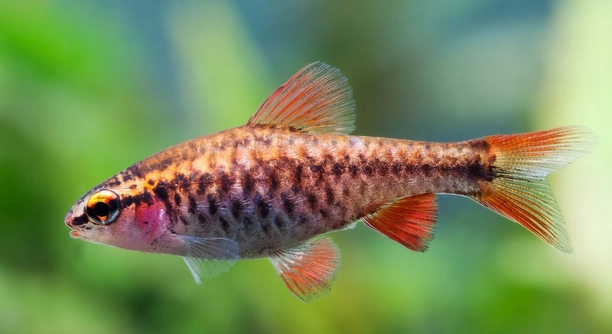
Are your Cherry Barbs acting stressed or hiding more than usual in your community tank, even though their environment seems fine?
Cherry Barbs may be getting bullied if they exhibit unusual hiding, frayed fins, erratic swimming, or a lack of appetite. These behaviors often indicate social stress caused by tank mates or an imbalanced male-to-female ratio.
Understanding these signs will help you create a safer, more peaceful space for your Cherry Barbs and improve their overall well-being.
Your Cherry Barb Is Always Hiding
Cherry Barbs usually enjoy swimming in groups and exploring their tank. If you notice one consistently hiding behind plants, decorations, or in corners, it could mean they’re feeling unsafe. Constant hiding is often a response to stress or threat, and bullying is a common reason for this behavior. It might not be easy to catch aggressive behavior in action, as bullying can happen quickly when you’re not around. A bullied Cherry Barb may also become less active and stop participating in schooling behavior with the others. Hiding can eventually lead to further health issues if left unaddressed. When a fish doesn’t feel safe, it won’t eat properly or move around as it should. Over time, this kind of stress can weaken their immune system. Checking how the other fish are behaving around the one that hides can give you a clue about what’s really going on in the tank.
Look for repeated patterns. One fish chasing or blocking another from food or space is not normal.
Helping your Cherry Barb feel safe again may involve rearranging the tank layout or increasing the number of hiding spots. In some cases, it might be necessary to rehome overly aggressive tank mates. Adding more plants or driftwood helps break lines of sight, making it harder for aggressive fish to target one consistently. You might also need to look at the group ratio—too many males and not enough females often leads to chasing and fighting. Try to keep a balanced group with more females than males. If your tank size allows, adding a few more Cherry Barbs can help spread out the aggression and make it less intense. Monitoring your fish after making changes is important. Give them a few days and watch how the behavior shifts. If hiding stops, you’re likely moving in the right direction. Keep changes calm and steady so you don’t create even more stress.
Your Cherry Barb Has Torn or Ragged Fins
Frayed fins are not always caused by fin rot or poor water conditions. Sometimes, it’s due to being picked on.
When Cherry Barbs are bullied, they may end up with damaged fins from repeated nipping or chasing. This kind of injury doesn’t heal well if the behavior continues. It’s important to address the cause quickly, as ragged fins can become infected if left untreated. First, check your water quality. Make sure ammonia, nitrite, and nitrate levels are safe. Then, observe your fish during feeding or active times. You might notice certain tank mates targeting the same fish. Aggression can look like short bursts of chasing or blocking another fish from swimming freely. If you catch this happening, try to record the behavior for easier reference. Once you’ve confirmed the source, consider separating the aggressive fish or adjusting your setup. Quarantine tanks can be useful while injuries heal. Adding gentle tank mates or even more Cherry Barbs can reduce tension, especially if group dynamics were off.
Your Cherry Barb Is Not Eating
A Cherry Barb that suddenly stops eating might be avoiding food because of bullying. Stress from other fish can make it feel too unsafe to come out during feeding time. Over time, this can lead to weight loss and weakness.
If your Cherry Barb hangs back while others rush to eat, that’s a sign something’s wrong. It might be getting chased away or feeling too intimidated to compete for food. Bullying often causes a loss of appetite, even if the fish appears healthy otherwise. Try feeding at both ends of the tank to see if it helps. Spreading the food can reduce crowding and give the more timid fish a chance to eat. Also, try adding food after the lights have been on for a bit, when your Cherry Barb feels more alert and secure. Watch carefully—if things don’t improve, you may need to separate the fish.
A persistent lack of eating can lead to serious health issues like weakened immunity, bloating, and color fading. When Cherry Barbs don’t get proper nutrition, their behavior changes—they become sluggish and less responsive. In group settings, they may also lose their place in the social order, making them even more likely to be targeted. If changing your feeding routine and rearranging the tank doesn’t help, you might need to create a separate feeding space or isolate the aggressive fish. Don’t wait too long to act. If the bullied fish continues to lose weight, it becomes harder for them to recover even if the bullying stops. Prevention and early action are key to keeping them healthy and active.
Your Cherry Barb Shows Faded Colors
Faded colors are a common stress sign in Cherry Barbs. A normally bright red or orange fish that starts looking pale might be under constant pressure. This can happen gradually or all of a sudden, depending on the level of stress.
Cherry Barbs rely on their colors to communicate health and mood. When one starts to lose its brightness, especially in comparison to the others, something might be off. Bullying is often behind this, especially in a tank where competition for territory or mates is high. Constant chasing, being nipped, or being excluded from the group can drain their energy and confidence, which shows in their color. Start by checking for other symptoms like hiding or fin damage. Then, look at the group dynamics—see if the faded Barb is being singled out. A peaceful tank allows all fish to display their best colors, so try changes that reduce stress across the board.
Your Cherry Barb Is Breathing Fast
Rapid gill movement or fast breathing can signal that your Cherry Barb is under stress. While poor water quality is one possible reason, bullying can also cause this by making the fish feel constantly threatened and unable to rest properly.
If your water parameters check out and only one fish is breathing heavily, bullying is a likely reason. Stress hormones increase in fish when they are chased or harassed, which causes faster breathing. Watch the tank closely to see how other fish are interacting with the one showing signs.
Your Cherry Barb Is Swimming Erratically
Erratic swimming—like darting quickly, twitching, or swimming in short bursts—is often tied to stress. If it’s not a water issue or illness, consider that the Cherry Barb may be reacting to another fish’s constant chasing or nipping. Tank aggression can make a fish feel cornered and unsafe.
Your Cherry Barb Stays Away From the Group
Cherry Barbs are naturally social and like to school together. If one fish is spending most of its time alone, it may be avoiding conflict. Being excluded or chased away can cause a Cherry Barb to separate from the group for self-protection.
FAQ
How do I know if my Cherry Barb is being bullied or just shy?
Shyness in Cherry Barbs usually looks like brief hiding or slow movement, especially in a new tank. But if a fish is constantly hiding, has torn fins, avoids eating, or stays away from the group, it’s more likely being bullied. Watch how the other fish act around it—if one fish is always chasing or blocking it, that’s bullying. A shy fish usually warms up with time. A bullied one stays stressed until something changes in the tank.
Can Cherry Barbs bully each other, or is it only other species?
Yes, Cherry Barbs can bully their own kind. This usually happens when there are too many males and not enough females. Males compete for attention and territory, which leads to chasing and stress. Keeping more females than males can help. Also, if the group is too small, aggression is more intense. A bigger group spreads out the behavior and gives the fish a better chance to feel safe.
How many Cherry Barbs should I keep to reduce stress?
A group of at least six Cherry Barbs is ideal. When kept in small numbers, they can feel exposed or become aggressive. In a group, they display natural schooling behavior and feel safer. Try to aim for two females for every male. This helps reduce competition and spreads out attention. A larger tank also gives them room to swim freely without bumping into each other constantly.
Will adding more hiding spots stop bullying?
It can definitely help. More plants, caves, or decorations break up the tank’s sightlines and give bullied fish safe places to rest. When aggressive fish can’t see or follow one target all the time, the stress level goes down. Hiding spots also help shy or recovering fish feel secure. Just make sure there’s enough open space too, so the tank doesn’t feel cramped.
How long does it take for a stressed Cherry Barb to recover?
If the bullying stops and the tank feels safe again, most Cherry Barbs bounce back within a week or two. Signs of recovery include better appetite, brighter colors, and swimming with the group again. Healing from fin damage may take longer, depending on how bad it is. Clean water and a calm environment speed up recovery.
Should I separate the bully from the rest of the tank?
If rearranging the tank and adding hiding spots doesn’t help, separating the aggressive fish may be the best option. Some fish just don’t do well with others, especially if they’re overly territorial. A temporary time-out in a separate tank can sometimes reset behavior. If the aggression continues, consider rehoming that fish for everyone’s safety.
What tank mates are safe for Cherry Barbs?
Peaceful community fish like Corydoras, Harlequin Rasboras, or small Tetras usually get along well with Cherry Barbs. Avoid fin-nippers like Tiger Barbs or aggressive species like Cichlids. Always research the temperament of new fish before adding them. A calm tank helps Cherry Barbs stay active and healthy.
Can Cherry Barbs get sick from stress caused by bullying?
Yes, long-term stress weakens their immune system, making them more likely to get sick. Fin rot, ich, and bacterial infections are common in bullied or stressed fish. If you see signs of illness, treat them right away and fix the bullying issue to prevent future problems. Clean water and a quiet space help with healing.
Final Thoughts
Cherry Barbs are peaceful fish that do well in calm, balanced tanks. But even in the right setup, bullying can still happen. It often starts with small signs—like hiding, torn fins, or changes in color—and can grow worse if nothing is done. Understanding the reasons behind these changes can help you act early. Watching your fish closely is one of the best ways to keep them safe. Every tank has its own balance, and once that balance is off, even hardy fish like Cherry Barbs can start to struggle.
Making small changes can bring big results. Adding more plants, creating hiding spots, or adjusting the male-to-female ratio can calm things down. If the bullying is coming from another fish species, it might be best to move that fish to another tank. Even small behavior shifts—like feeding in different spots or moving decorations—can change how fish interact. Keeping a peaceful group isn’t always about having the “perfect” setup; it’s about noticing problems early and being willing to try simple fixes. When Cherry Barbs feel safe, they swim more freely, eat better, and show brighter colors.
Creating a good home for Cherry Barbs is about more than just clean water and food. It’s also about giving them space, safety, and the right group dynamics. Some fish are more dominant than others, and learning how they behave together will help you build a better tank. With a little time and attention, you can stop bullying before it gets worse and give your fish a more peaceful life. Watching them thrive is a clear sign that they’re comfortable and healthy. A calm tank not only helps your Cherry Barbs but also creates a better experience for you as the keeper.

Hello,
If you enjoy the content that we create, please consider saying a "Thank You!" by leaving a tip.
Every little bit helps us continue crafting quality advice that supports the health, happiness, and well-being of pets around the world, for pets of all shapes, sizes, and species.
We really appreciate the kindness and support that you show us!