
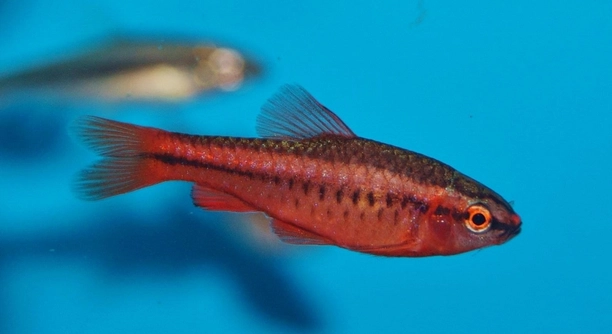
Cherry Barbs are known for their vibrant colors and peaceful nature, but some may take on the role of the tank leader. Understanding their behavior can help you spot when one of them is in charge of the group.
The most common sign of a Cherry Barb becoming the tank leader is their assertive behavior. They may establish dominance through territorial displays or lead the group during feeding time. Such actions signal their role as the dominant fish in the tank.
Observing these behaviors will help you identify the leader of your tank and understand their importance in maintaining balance.
How Cherry Barbs Show Their Leadership
Cherry Barbs are not only known for their beauty but also their natural instincts. While they are typically peaceful, there are moments when they display assertive behaviors that can signal they’re taking charge of the tank. They can lead their school of fish in a way that shows their dominance, often leading the way during feeding or in exploring new areas of the tank. These barbs will swim confidently in front of others and establish territories, especially when they feel the need to protect their space.
Fish that exhibit these behaviors are often the ones who take on the leadership role. This is an essential characteristic, as the tank leader helps maintain order and balance. Observing your Cherry Barb’s interactions with others can provide a deeper understanding of their role in the aquarium hierarchy. Their leadership also ensures the smooth functioning of social interactions within the tank, reducing stress among the other fish.
The leader’s role becomes evident when it starts to display more frequent and assertive behavior, whether in exploring new areas or engaging with other tankmates. A confident Cherry Barb leads without aggression but with a natural presence that helps keep order in the tank.
Signs of a Cherry Barb in Charge
An easy-to-spot sign is the Cherry Barb’s willingness to take the lead during feeding. They tend to swim directly to the food, often guiding others to the feeding area.
Cherry Barbs, when they are the tank leader, are likely to initiate the first feeding and display territorial behaviors. They often set the pace for the group, subtly guiding them to specific areas within the tank. This leadership can be observed through how they interact with other fish during feeding times, as the leader typically eats first and creates a structure for the others to follow. Their boldness in these moments can show their dominance, though it’s not aggressive. This behavior benefits the entire group, creating harmony within the tank by giving the other fish a sense of direction. Leaders, especially Cherry Barbs, are critical to maintaining a calm, organized environment for all tank members. They understand the dynamics of the group and ensure a peaceful and cooperative atmosphere, which is essential for the well-being of the tank.
Active in Group Behavior
A Cherry Barb that leads the tank will exhibit active involvement with other fish. They often swim at the front of the group, guiding others. You may also notice them maintaining an organized flow during interactions.
Cherry Barbs in leadership roles stand out because they encourage the school to move together in sync. They lead by example, especially when it comes to swimming patterns or exploring new areas. The other fish follow their lead, creating a unified and smooth motion. This natural tendency to guide the group helps reduce tension and confusion, allowing the fish to coexist harmoniously. These behaviors also reflect their confidence, which is essential for a leader. If you observe your Cherry Barb regularly taking the front position, it’s a clear sign they are leading their school.
A confident Cherry Barb will assert itself not just in feeding or swimming but also in social interactions. They are often seen as a reference point for other tankmates, who tend to mimic their actions. This role isn’t just about dominance; it’s about providing structure and maintaining peace within the tank.
Displaying Aggression Towards Rivals
Sometimes, a Cherry Barb leader may display slight aggression to maintain dominance. They do this to assert their position and protect their territory.
This aggression is not necessarily violent but may involve chasing or flaring their fins. It’s a clear sign that they are establishing boundaries within the tank, asserting their authority over any perceived rivals. This type of behavior helps prevent other fish from challenging their position, ensuring that the leader maintains control over the tank’s social structure. While it may seem aggressive to the untrained eye, this behavior is entirely normal and even beneficial to the group’s overall order. Aggressive displays are typically brief and are followed by more peaceful interactions once dominance is established.
When a Cherry Barb displays this type of behavior, it’s important to observe the context. If the aggression occurs consistently or increases in frequency, it may indicate stress or a challenge to the leader’s authority. However, in most cases, it is simply the Barb’s way of reinforcing its leadership role.
Leading the Feeding Frenzy
When it’s feeding time, the Cherry Barb leader takes charge. They often swim straight to the food and encourage others to follow. This behavior signals their dominant position in the tank.
During feeding, the leader’s actions can set the tone for the rest of the group. Other fish will often follow the leader’s movements, creating an organized and peaceful feeding time. This natural inclination to guide the group ensures that the tank remains calm, and each fish gets its fair share of food. A Cherry Barb’s assertiveness during feeding is one of the clearest indicators of leadership.
Territorial Display
Cherry Barbs may also show territorial behavior, especially if they feel their space is being threatened. They protect certain areas within the tank to maintain control.
When a Cherry Barb displays territorial behavior, they may chase other fish away from specific spots. This is a common behavior among dominant fish and helps keep the peace in the tank. By establishing clear boundaries, they create a sense of structure that benefits the entire group. The other fish in the tank will typically respect these boundaries, allowing the dominant Cherry Barb to lead without challenge.
FAQ
How can I tell if my Cherry Barb is the tank leader?
The best way to spot a Cherry Barb leader is by observing their behavior. A leader will typically take charge during feeding times, swimming to the food first and encouraging the others to follow. They also tend to be more active in group movements and may assert dominance through subtle aggression, like chasing or flaring their fins at rival fish. Another sign is their consistent position at the front of the group, guiding the others in swimming patterns.
Is it normal for a Cherry Barb to show aggression?
Yes, some aggression is completely normal for a Cherry Barb, especially if they are establishing or maintaining their leadership role. The aggression is usually not severe and involves behaviors like chasing or fin-flaring. This is how they maintain their territory and dominance. However, if the aggression becomes too frequent or severe, it might indicate stress or an overcrowded tank, and further investigation may be needed.
Can a Cherry Barb be the only leader in the tank?
Typically, a single Cherry Barb will emerge as the leader. They establish their dominance through social behaviors and interactions with other fish. However, in some cases, if there is a lack of clear dominance, multiple Cherry Barbs may try to assert themselves as leaders. It is often the most assertive or confident one that assumes the primary leadership role.
What happens if I have more than one Cherry Barb that displays leadership traits?
If you have more than one Cherry Barb trying to lead, you may see some competition for dominance. This can lead to increased aggression as the fish attempt to establish who will be in charge. In a well-maintained tank, this behavior typically settles down, with one barb emerging as the clear leader. If aggression becomes a problem, it might be helpful to add more hiding spots or separate the Barbs into different tanks.
Will a Cherry Barb leader always stay at the front of the group?
A Cherry Barb leader will typically take the front position, especially during group movement. They will guide the school to different areas in the tank and lead the way to food. However, if they feel threatened or stressed, they may retreat to the back temporarily. Their leadership is more about their behavior than a constant physical position.
Can a Cherry Barb leader be peaceful with other fish?
Yes, a Cherry Barb leader can be peaceful with other fish, as long as they feel secure in their role. Leadership is not necessarily about aggression but about maintaining order and structure in the tank. The dominant fish will help reduce stress among the other fish by offering guidance and direction. However, they may become more territorial if they feel their position is being challenged.
How do I encourage my Cherry Barb to take on a leadership role?
A Cherry Barb will naturally take on the leadership role if they are confident and feel secure in the tank. Ensuring your tank has enough space, hiding spots, and a balanced environment will help them establish this role. Feeding the fish regularly and providing them with opportunities for natural behavior, such as exploration and social interaction, will also encourage leadership traits.
Do Cherry Barbs prefer to lead in schools, or can they be solitary leaders?
Cherry Barbs are schooling fish by nature, and they generally feel more comfortable when swimming in groups. However, a dominant Cherry Barb may act as the leader within the school, guiding the others. While they prefer company, their leadership behaviors are most noticeable in group settings, where they can influence and direct the actions of other fish.
How does a Cherry Barb leader affect the other fish in the tank?
The presence of a Cherry Barb leader can help bring structure and reduce stress within the tank. By taking charge during feeding times, guiding the group in movements, and maintaining territory, the leader keeps order in the tank. Other fish will often follow the leader, which helps prevent chaos and confusion. However, if the leader becomes too aggressive, it could lead to tension with other fish, which is something to monitor closely.
What if my Cherry Barb isn’t showing leadership behavior?
If your Cherry Barb isn’t displaying leadership behavior, it might just be more passive in nature. Some Cherry Barbs are naturally less dominant than others. If you have multiple fish in your tank, the dominant fish may have already taken the leadership role. If you are concerned, observe for other signs of stress or competition that might hinder your Barb from expressing their leadership traits.
Are Cherry Barbs the only type of fish that can be leaders in a tank?
While Cherry Barbs can easily become tank leaders, other fish can take on leadership roles as well. Species like bettas, guppies, or tetras may also exhibit leadership behaviors, especially if they are dominant within their group. However, Cherry Barbs are often more noticeable in their leadership due to their active role in guiding the group, especially during feeding times.
Can a Cherry Barb’s leadership role change over time?
Yes, a Cherry Barb’s role as the tank leader can change, especially if new fish are introduced or if the tank environment changes. If a new, more dominant fish enters the tank, the Cherry Barb may lose its leadership position. Alternatively, if the original leader becomes weak or stressed, another Cherry Barb may step into the leadership role. It is a fluid process that depends on the social dynamics of the tank.
Final Thoughts
In a tank, the Cherry Barb can naturally assume a leadership role based on its behavior and confidence. Their role as a leader is often seen in the way they take charge during feeding times, swim at the front of the group, and maintain territorial boundaries. These behaviors help bring structure to the tank and ensure that each fish feels secure and has access to food. While this leadership can sometimes involve small amounts of aggression, it is usually not harmful and helps maintain peace among the other fish. Recognizing the signs of leadership can also help you understand how your Cherry Barb interacts with its environment and with other fish in the tank.
If your Cherry Barb is not showing leadership behaviors, it doesn’t necessarily mean something is wrong. Some fish are naturally more passive, and that is completely normal. It is important to observe the overall health and well-being of your fish. If aggression or territorial disputes are becoming a problem, it might be a sign that adjustments need to be made in the tank environment. Adding more hiding spots or increasing the size of the tank can help reduce stress and allow for smoother social dynamics. A calm and balanced tank will allow all fish, including your Cherry Barb, to thrive in their roles, whether as a leader or simply as a peaceful member of the group.
Ultimately, a Cherry Barb leader is an important figure in the tank’s social structure. While they provide guidance and direction to the group, their leadership role should be maintained without causing undue stress to the other fish. Understanding how they behave and interact with other fish helps create a healthy and harmonious environment. Keeping an eye on their behavior, ensuring they are not too aggressive, and making necessary adjustments to the tank can lead to a well-functioning and peaceful aquatic community.

Hello,
If you enjoy the content that we create, please consider saying a "Thank You!" by leaving a tip.
Every little bit helps us continue crafting quality advice that supports the health, happiness, and well-being of pets around the world, for pets of all shapes, sizes, and species.
We really appreciate the kindness and support that you show us!