
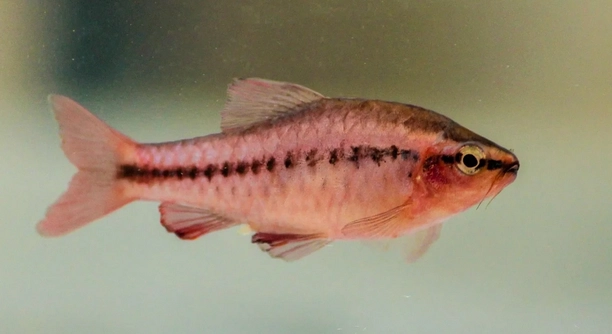
Cherry Barbs are popular aquarium fish, known for their lively personalities and vibrant colors. However, sometimes they struggle to thrive, especially when competing for resources or space with other fish in the tank.
The primary reason your Cherry Barb may struggle to compete is due to factors like tank size, tank mates, and environmental stressors. These can cause your fish to experience issues with feeding, aggression, or stress, affecting their well-being.
Identifying the signs early on can help you provide the right care. Addressing issues such as competition for food and space will ensure a healthier, happier Cherry Barb in the long run.
Overcrowded Tanks and Stress
Cherry Barbs are active swimmers that need space to thrive. When the tank is overcrowded, they may struggle to find enough room to swim freely, leading to stress. This stress affects their behavior, appetite, and overall health. In cramped conditions, your Cherry Barb may become more aggressive or skittish, particularly around other fish.
It’s important to keep the tank size appropriate for the number of fish. Cherry Barbs do best in groups of at least five, but if the tank is too small, the space becomes a problem. Overcrowding can lead to territorial disputes and competition for food.
A well-maintained tank with enough space allows your Cherry Barb to feel secure. You may notice improved behavior, with less hiding and more exploration. Keeping the aquarium clean and appropriately stocked ensures the fish are healthy and reduces the stress that comes from overcrowded conditions.
Aggressive Tank Mates
Not all fish get along, and if your Cherry Barb is paired with overly aggressive tank mates, it can cause issues. Even peaceful fish can feel threatened by constant harassment.
Some larger or more dominant species may bully the Cherry Barb, leaving it with fewer opportunities to feed and interact. Fish like cichlids, which are known for their territorial behavior, can create an environment where your Cherry Barb feels unsafe.
It’s essential to research compatible tank mates before introducing them to your Cherry Barb. They thrive with peaceful fish that don’t try to dominate the space. Fish like rasboras, small tetras, and peaceful gouramis make good companions. By choosing tank mates carefully, you’ll ensure your Cherry Barb isn’t constantly stressed or struggling to compete for space and food.
Poor Water Quality
Cherry Barbs are sensitive to changes in water quality. If the water is too polluted or improperly maintained, it can cause them to feel unwell and struggle to compete. High levels of ammonia, nitrites, and nitrates are particularly harmful and can lead to stress.
Proper filtration and regular water changes are crucial. Without these, toxins can build up in the tank, affecting the health of all fish, including your Cherry Barb. Test the water regularly to ensure it’s within safe parameters. Clear, clean water promotes a healthy environment where your fish can thrive.
In poor water conditions, Cherry Barbs may show signs of illness, such as faded color or lack of appetite. They will also be less active and could become more vulnerable to other health issues. Keeping the water stable helps your Cherry Barb stay energetic and ready to compete for food, reducing stress and boosting their immune system.
Inadequate Diet
Cherry Barbs need a balanced diet to stay healthy and active. If they don’t receive the right nutrients, they may struggle to compete for food. A lack of variety in their diet can lead to poor health and make them less capable of competing with other fish.
Offering a mix of high-quality flakes, pellets, and occasional live or frozen food ensures your Cherry Barb gets all the nutrients they need. Overfeeding or underfeeding can also cause problems. Overfeeding may lead to water pollution, while underfeeding leaves them weak and unable to compete for resources.
A healthy diet is essential for maintaining your Cherry Barb’s energy levels. Proper nutrition will help them grow, stay colorful, and actively interact with other fish in the tank. Keeping their diet varied and balanced also supports their immune system, allowing them to fight off potential health issues.
Too Much Light
Cherry Barbs prefer moderate lighting, and too much light can cause stress. Excessive lighting can lead to algae overgrowth and make your fish feel exposed. It’s important to provide balanced light to maintain a comfortable environment.
A day-night cycle with 8 to 10 hours of light is ideal. Prolonged exposure to intense light can result in hiding behaviors, and your Cherry Barb may struggle to compete for food. Ensure that the light isn’t too harsh or left on too long.
By adjusting the light levels, you create a peaceful atmosphere for your Cherry Barb. This will allow them to thrive and participate more actively in the tank environment.
Tank Decorations
Adding decorations can help create hiding spots for your Cherry Barb. These spots are vital for reducing stress, especially if they feel threatened or overcrowded. Decorations like plants, rocks, and driftwood offer a place to retreat when they need a break.
However, too many decorations can clutter the tank and take away space for swimming. Striking a balance is key, allowing room for both safety and movement. Also, ensure decorations are clean and free from sharp edges that could harm your fish.
Properly placed decorations not only improve the aesthetic of the tank but also contribute to your Cherry Barb’s well-being. A well-decorated tank gives them the chance to hide when stressed, reducing the competition for space and food.
Tank Temperature
Maintaining the right water temperature is crucial for your Cherry Barb’s health. These fish thrive in temperatures between 74°F to 79°F (23°C to 26°C). Fluctuations outside of this range can cause stress and make it harder for them to compete with other fish.
Too hot or too cold water can weaken your Cherry Barb’s immune system. This leaves them more vulnerable to disease, making it harder to compete for food and space in the tank. Regularly check the temperature with an aquarium thermometer to keep it within the ideal range.
Stable, consistent water temperature is essential for healthy Cherry Barbs. It helps them stay active, color vibrant, and ready to interact with the tank’s ecosystem.
FAQ
How many Cherry Barbs should I keep together?
Cherry Barbs are social fish and do best when kept in groups of at least five. Keeping them in groups allows them to feel safe and reduces stress. In a larger group, they will interact with each other more and show natural behaviors. A group also helps them feel more secure when competing for food, as they are less likely to become targets of aggression.
Can Cherry Barbs live with other fish?
Yes, Cherry Barbs can live peacefully with many other fish, but they should be housed with peaceful species. Aggressive fish can stress them out and make it harder for them to compete for food. Good tank mates include small tetras, rasboras, or peaceful gouramis. Avoid larger or more territorial fish, as they may bully your Cherry Barb.
What do Cherry Barbs eat?
Cherry Barbs are omnivores and enjoy a varied diet. Offer a combination of high-quality flakes, pellets, and occasional live or frozen foods like brine shrimp or bloodworms. They also appreciate vegetable matter such as spinach or algae wafers. A balanced diet keeps them healthy and ensures they have the energy to compete for resources in the tank.
What’s the ideal tank size for Cherry Barbs?
The ideal tank size for a small group of Cherry Barbs is at least 20 gallons. This allows enough space for swimming and reduces the chances of overcrowding. The more space they have, the better they will be able to compete for food and avoid stress. A larger tank also allows for a more stable environment with fewer fluctuations in water quality and temperature.
How do I know if my Cherry Barb is stressed?
Signs of stress in Cherry Barbs include faded color, erratic swimming, or hiding more than usual. They may also stop eating or become more aggressive toward other fish. Stress can also make them more prone to illness. If you notice these signs, check the water quality, tankmates, and other conditions to find the cause of the stress.
How can I reduce aggression in my Cherry Barb tank?
To reduce aggression, ensure that your tank is not overcrowded, and provide plenty of hiding spots for your Cherry Barbs. Add enough plants, rocks, or decorations to break up the line of sight and give them space to retreat. Also, make sure that the tankmates are compatible with Cherry Barbs and are peaceful species.
Why is my Cherry Barb not eating?
There are a few reasons why your Cherry Barb might not be eating. Poor water quality, stressful tank conditions, or incompatible tankmates could all be factors. If the water conditions are off, try testing for ammonia, nitrites, and nitrates. If the tankmates are bullying your Cherry Barb, it may be too stressed to eat. Consider isolating the issue and making necessary adjustments to the environment.
How do I care for baby Cherry Barbs?
Baby Cherry Barbs need very specific care. First, ensure that the water quality is optimal for their delicate immune systems. They will need small food, such as powdered fry food or finely crushed flakes. Keep the temperature stable and make sure that there is enough room for them to grow without competition from larger fish.
Can I breed Cherry Barbs in my tank?
Yes, Cherry Barbs can breed in your tank, but you need to provide the right conditions. To encourage breeding, provide a separate breeding area, such as a small, low-light tank. Feed the adults a varied diet and maintain stable water conditions. Once the female lays eggs, the parents should be removed to prevent them from eating the eggs.
How do I prevent algae growth in my Cherry Barb tank?
Algae can be controlled by managing the amount of light and maintaining good water quality. Avoid leaving the lights on for more than 10 hours a day. You can also introduce algae-eating fish or snails to help keep algae in check. Regular water changes and proper filtration also play a big role in preventing excessive algae growth.
Can Cherry Barbs live with snails?
Yes, Cherry Barbs can live with snails. In fact, snails can help maintain a clean tank by eating leftover food and algae. Cherry Barbs are not likely to bother snails, as they are peaceful fish. Just make sure to choose snail species that are compatible with the Cherry Barb, like Nerite snails or Mystery snails.
How do I know if my Cherry Barb is healthy?
Healthy Cherry Barbs are active swimmers, have bright colors, and show interest in food. They should not have any visible signs of illness, such as lesions, bloating, or faded color. Healthy fish also have clear, bright eyes and smooth, intact fins. Keep an eye on their behavior, and if something seems off, check the water quality and tank conditions.
What temperature should the water be for Cherry Barbs?
Cherry Barbs prefer a water temperature between 74°F and 79°F (23°C to 26°C). Keeping the water within this range helps them remain active and healthy. Fluctuations outside of this temperature range can cause stress and weaken the fish’s immune system, making it harder for them to compete with other fish in the tank.
Can I add Cherry Barbs to a newly set up tank?
It’s not recommended to add Cherry Barbs to a newly set up tank right away. New tanks often go through a “cycling” period where the water quality is unstable. During this time, ammonia and nitrite levels can rise, which can be harmful to fish. It’s best to wait until the tank has fully cycled and the water parameters are stable before adding Cherry Barbs.
Why is my Cherry Barb swimming at the top of the tank?
If your Cherry Barb is swimming at the top of the tank, it could be a sign that the oxygen levels in the water are low. Check the filtration and aeration systems to ensure proper water circulation. If everything seems fine but the behavior persists, test the water for ammonia or other toxins, as high levels can affect fish behavior.
Do Cherry Barbs need a filter?
Yes, a filter is essential for Cherry Barbs. They need clean, oxygenated water to thrive. A filter helps to remove waste and debris, keeping the water conditions stable. Make sure the filter is suitable for the size of your tank and provides gentle water flow, as Cherry Barbs prefer calm water.
What size tank is ideal for breeding Cherry Barbs?
For breeding, a 10-gallon tank is sufficient. Make sure it has a soft substrate for the eggs to settle on and is planted with low-light plants for the fry to hide. Keep the water clean and stable, and monitor the tank for any signs of aggression from other fish.
Final Thoughts
Taking care of Cherry Barbs can be a rewarding experience, but it requires attention to detail. Ensuring they have enough space, proper tank mates, and a stable environment is key to their well-being. These small, colorful fish thrive in peaceful settings with plenty of room to swim. Keeping an eye on factors like water quality, temperature, and lighting will help prevent common issues that may cause them to struggle with competition. By providing the right conditions, your Cherry Barb can grow healthy and vibrant.
Proper feeding and diet are also important aspects of Cherry Barb care. They are omnivores, so a varied diet will help them stay active and strong. Offering a mix of high-quality flakes, pellets, and occasional live or frozen foods ensures they get all the nutrients they need. Overfeeding or underfeeding can both lead to problems, so it’s important to monitor how much food is being consumed and adjust accordingly. A well-fed Cherry Barb is less likely to struggle with competition and more likely to show its natural beauty.
Lastly, keeping an eye on stressors in the tank, such as overcrowding, poor water quality, and aggressive tankmates, will help prevent problems before they arise. Cherry Barbs are sensitive to changes in their environment, and small adjustments can make a big difference. Regular maintenance, such as water changes and filtration checks, along with choosing compatible tankmates, will ensure that your Cherry Barbs can thrive and compete without issue. By following these simple guidelines, you can enjoy watching your Cherry Barbs flourish in a peaceful and healthy tank.

Hello,
If you enjoy the content that we create, please consider saying a "Thank You!" by leaving a tip.
Every little bit helps us continue crafting quality advice that supports the health, happiness, and well-being of pets around the world, for pets of all shapes, sizes, and species.
We really appreciate the kindness and support that you show us!