
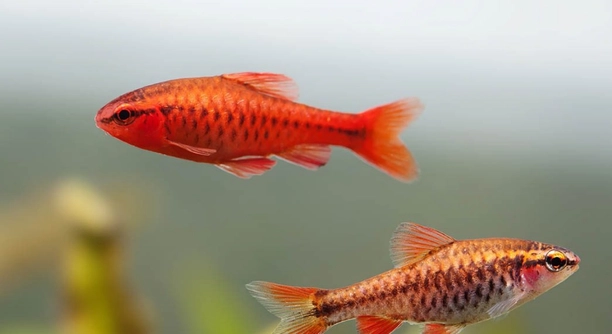
Cherry barbs are active and social fish, but when they show signs of loneliness, it can be concerning. Identifying these behaviors early can help improve their well-being and create a better environment for them.
Cherry barbs exhibit loneliness through various behaviors, including hiding frequently, displaying a lack of interest in food, or showing signs of aggression toward tank mates. Providing a companion or adjusting the tank environment can help alleviate these symptoms.
Understanding how to recognize and address loneliness can make a significant difference in your cherry barb’s quality of life.
Why Your Cherry Barb Might Be Lonely
Loneliness in cherry barbs is common, but it can be prevented by understanding the signs. These fish are naturally social, so they thrive in groups. When left alone or in a tank with no other fish, they may exhibit signs of distress. A lonely cherry barb can become withdrawn, hiding in corners, or showing less interest in its surroundings. Even though cherry barbs are generally peaceful, their behavior can change dramatically when they lack companionship. This can lead to stress, affecting their overall health. Creating a balanced environment with multiple fish can significantly reduce these issues.
When you notice your cherry barb hiding or swimming aimlessly, it’s a sign that it might not be feeling comfortable. Their behavior shifts because they are missing the interaction they need with other fish.
To create a more positive environment for your cherry barb, consider adding more fish. A group of three or more cherry barbs will help your fish feel safer and more active. The presence of tank mates reduces stress and promotes natural behavior. A peaceful tank with compatible species can help them feel less isolated, and as a result, your cherry barb will be more lively and social.
How Tank Conditions Affect Loneliness
Tank conditions play a significant role in the well-being of cherry barbs. A cramped tank can leave them with no space to explore or interact with other fish. The lack of hiding spots or plants can also make them feel exposed and vulnerable. Stress levels rise when they don’t feel secure. Even if you have other fish in the tank, poor conditions can leave your cherry barb feeling unsettled and isolated. Adding more hiding spots and keeping the water clean will make a noticeable difference in how your fish behaves.
Cherry barbs are adaptable, but they need proper tank conditions to thrive. The water should be clean, with a stable temperature and gentle filtration. Tank mates should also be peaceful, as aggression can increase their stress.
Social Needs of Cherry Barbs
Cherry barbs are schooling fish, and they feel most comfortable in groups. If you only have one or two, they are likely to feel isolated and stressed. The presence of other cherry barbs helps them feel more secure and reduces anxiety. Aim for a group of at least three to encourage natural behavior.
When kept alone, cherry barbs can display unusual behaviors like hiding or losing their appetite. They often become more skittish and less active. A larger group will help maintain a more relaxed atmosphere, where they interact more freely and feel safer. Being in a school encourages healthy social interactions, which improves their overall well-being.
In a small group, cherry barbs will establish their own pecking order, which is normal. This social structure keeps them engaged and active. If they’re kept with peaceful tank mates, the environment will be less stressful, and they will be more likely to swim in open water. This helps prevent the loneliness they often experience in isolation.
Stress Factors in Your Tank
Cherry barbs are sensitive to stress, and it can lead to signs of loneliness. Factors like overcrowding, high water temperatures, or poor water quality can make them feel vulnerable. These stressors may cause them to hide or become more reclusive, indicating they’re not comfortable. It’s essential to monitor the tank’s environment to keep them healthy.
A stressed cherry barb will often show signs of agitation, like darting around the tank or rubbing against surfaces. Consistent stress can lead to health problems, such as weakened immune systems, making them more susceptible to diseases. Maintaining stable water conditions, avoiding sudden temperature changes, and ensuring your tank isn’t overcrowded are key to minimizing stress for your cherry barb.
Tank Size and Space
Cherry barbs need enough space to swim freely. If your tank is too small, they may feel confined and anxious. A cramped space can prevent them from interacting with others and discourage natural behaviors. A tank that’s at least 20 gallons can help reduce stress and improve their social interactions.
A larger tank allows them to swim in schools and interact naturally. When space is limited, the fish can become territorial or withdrawn. A spacious tank with plenty of room to explore can improve the overall health of your cherry barbs and prevent loneliness from setting in.
Tank Mates for Cherry Barbs
Choosing the right tank mates is crucial for the well-being of your cherry barbs. They are peaceful fish but can be stressed by aggressive or overly active tank mates. Keeping them with other calm, compatible species will prevent them from feeling threatened. Avoid fish that may intimidate or outcompete them for food.
Compatible tank mates for cherry barbs include other small, peaceful species like rasboras or tetras. Cherry barbs do well with fish that don’t crowd them or act aggressively. This ensures they can swim freely and interact with their school, fostering a more relaxed environment and reducing loneliness.
Active and Engaged Environment
Cherry barbs thrive in an environment where they are mentally and physically engaged. Adding plants, rocks, and decorations provides places to hide and explore. An environment that mimics their natural habitat helps them feel secure and encourages more social behavior. This reduces isolation and enhances their overall happiness.
FAQ
What are the signs that my cherry barb is lonely?
A lonely cherry barb may show signs like hiding more often, being less active, and showing a lack of interest in food. These behaviors are common in solitary fish, as they don’t feel comfortable or safe. Cherry barbs are social and need interaction with other fish to feel secure and calm. If your cherry barb is frequently staying in one spot or avoiding other fish, it may be signaling that it needs company.
Can cherry barbs live alone?
While it’s possible for a cherry barb to live alone, it’s not ideal. These fish are social creatures and thrive in groups. Keeping a single cherry barb can lead to stress, which can affect its health. A small school of at least three is recommended to reduce loneliness and ensure they stay active and social.
How many cherry barbs should I keep together?
For a healthy and happy environment, it’s best to keep at least three cherry barbs together. A small group allows them to interact naturally, establish a social hierarchy, and feel safe. The more, the better, as a group of six or more can create a dynamic and active school.
Do cherry barbs get along with other fish?
Cherry barbs are peaceful fish and can get along with many other species, especially those that are calm and not too large. Avoid keeping them with aggressive or territorial fish, as this can cause stress and loneliness. They do well with other small, peaceful species like tetras, rasboras, and guppies.
What kind of environment do cherry barbs need?
Cherry barbs require a well-maintained aquarium with stable water conditions. They prefer slightly acidic to neutral water with a temperature between 72°F and 80°F. Adding plants, rocks, and hiding spots mimics their natural habitat and helps reduce stress. Proper filtration and regular water changes are essential to keep them healthy.
Can cherry barbs live with bettas?
Cherry barbs can generally live with bettas, but it depends on the betta’s temperament. Bettas are known for their aggression, especially towards other long-finned fish. However, cherry barbs are small and swift, so they may be less likely to provoke a betta. It’s best to monitor their behavior closely to ensure there’s no aggression.
How do I keep my cherry barb from being lonely?
To prevent loneliness, make sure your cherry barb has company. A group of three or more will help them feel safe and more active. They’ll engage in natural school behavior and interact with each other, which keeps them from becoming isolated. Providing plenty of hiding spots, plants, and decorations also encourages healthy interactions.
What do cherry barbs eat?
Cherry barbs are omnivores, which means they enjoy a varied diet. You can feed them high-quality flakes or pellets, supplemented with live or frozen foods like brine shrimp, daphnia, and bloodworms. Offering a mix of plant-based foods like algae wafers and vegetables will also keep them healthy and satisfied.
Do cherry barbs breed in captivity?
Yes, cherry barbs can breed in captivity, though it may require specific conditions. A breeding tank with soft, slightly acidic water and plants for the eggs to attach to is ideal. Male cherry barbs will display their vibrant colors to attract females, and once breeding occurs, the female will lay eggs, which hatch after a few days.
Can cherry barbs live with shrimp?
Cherry barbs can live with shrimp, especially species that are larger or have strong hiding places. However, be cautious with smaller shrimp, as cherry barbs may nip at their antennae or consume them. It’s recommended to provide plenty of plants and decorations to give shrimp safe spots to hide.
How do I know if my cherry barb is stressed?
A stressed cherry barb will display signs like hiding for extended periods, darting around the tank, or rubbing against objects. They may also stop eating or become more aggressive. Stress can result from poor water quality, overcrowding, or tank mates that are too aggressive. It’s essential to identify stress early to avoid long-term health issues.
What tank mates should I avoid for cherry barbs?
Avoid keeping cherry barbs with aggressive or large fish, as these can intimidate them and cause stress. Species like cichlids, goldfish, and larger barbs can be too competitive or territorial. Stick with small, peaceful species that will not outcompete them for food or space in the tank.
How can I tell if my cherry barb is healthy?
A healthy cherry barb will be active, swim in groups, and have vibrant colors. Their fins should be held naturally and not appear clamped or damaged. They should be alert and interested in food. If your cherry barb is lethargic, has faded colors, or is showing signs of illness, it may need immediate attention.
What is the lifespan of a cherry barb?
On average, cherry barbs live between 3 to 5 years with proper care. The lifespan can be extended by maintaining optimal tank conditions, offering a balanced diet, and ensuring they have enough social interaction with other fish. Regular water changes and tank maintenance will help keep them healthy throughout their life.
Can cherry barbs live in a planted tank?
Yes, cherry barbs thrive in planted tanks. They appreciate the natural environment that plants provide, offering them places to hide and explore. Plants also help maintain water quality by absorbing excess nutrients and providing oxygen. A planted tank mimics their natural habitat and enhances their well-being.
Final Thoughts
Cherry barbs are social, active fish that thrive in a well-maintained aquarium with enough space and the right tank mates. They are peaceful and can live happily with other small, non-aggressive species. To ensure your cherry barb’s happiness and health, it’s important to keep them in a group of at least three or more. This helps them feel secure and less isolated, reducing the chances of stress and loneliness. Their behavior improves when they have companionship, and they will often swim and interact in a group, which is a natural behavior for them.
Creating an environment that mimics their natural habitat is crucial for their well-being. Cherry barbs prefer slightly acidic to neutral water and need a temperature range between 72°F and 80°F. Adding plants, rocks, and hiding spots in the tank helps reduce stress and provides opportunities for exploration. Regular water changes and proper filtration are necessary to maintain water quality, which is essential for their health. By maintaining stable water conditions and providing enough space, you ensure that your cherry barbs have a comfortable home.
Monitoring your cherry barbs closely will help you notice any changes in behavior that might indicate loneliness or stress. By providing companionship, appropriate tank conditions, and compatible tank mates, you can create an environment where your cherry barbs can thrive. These small but vibrant fish can live up to five years when given proper care. A thriving school of cherry barbs can be a beautiful addition to any aquarium, adding color, energy, and natural movement to your tank.

Hello,
If you enjoy the content that we create, please consider saying a "Thank You!" by leaving a tip.
Every little bit helps us continue crafting quality advice that supports the health, happiness, and well-being of pets around the world, for pets of all shapes, sizes, and species.
We really appreciate the kindness and support that you show us!