
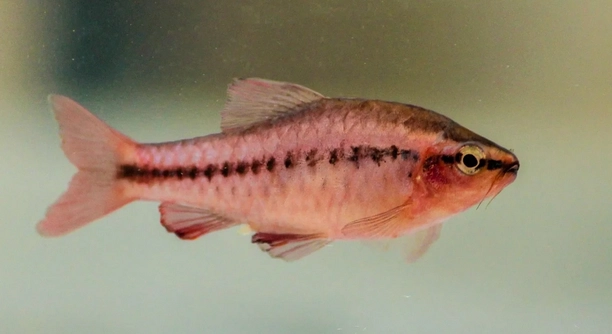
Cherry barbs are vibrant, active fish that are often a joy to have in a home aquarium. If you’re lucky enough to have a breeding pair, spotting the signs of egg-laying can be an exciting experience. Understanding these signs can help you support their natural behavior.
When a cherry barb lays eggs, it typically shows specific behaviors such as increased territoriality or hiding in plants. Female cherry barbs may become more round and full, while males often display more vibrant colors to attract the female.
Recognizing these signs early can help you create a better environment for your fish. Understanding their breeding behavior will improve their care and give you a closer connection with your aquatic pets.
Signs of a Female Cherry Barb Preparing to Lay Eggs
When a female cherry barb is getting ready to lay eggs, her behavior and appearance will change. You may notice her becoming more reserved, often hiding near plants or rocks. This is a sign that she is preparing for the egg-laying process. She might also appear more rounded in the belly, signaling the development of eggs. During this time, you might see her spending more time near the substrate, searching for a suitable place to lay her eggs. Males may also start displaying more vibrant colors to attract the female.
The combination of physical changes and behavior is often enough to confirm that a female cherry barb is ready to spawn. Look for the noticeable fullness in her belly, and you’ll know she’s on the brink of laying eggs.
Creating an environment with plenty of plants and hiding spaces will help the female feel more comfortable as she prepares to spawn. This gives her the privacy she needs to lay eggs without stress, ensuring a higher chance of success.
How Male Cherry Barbs Act During Breeding
Males play a crucial role in the egg-laying process, although their behavior differs from that of the females. As the female gets ready, the male may become more active and colorful, swimming around her to get her attention. His colors intensify as a way of impressing the female and showing his readiness to breed. These bright hues are a visual cue that he is trying to create a bond with her, encouraging her to release her eggs.
In addition to showing off his colors, the male will also follow the female closely, nudging her or even gently swimming beside her. This behavior supports the courtship process and increases the chances of successful spawning.
The male’s behavior is essential for triggering the female’s egg-laying response. His vivid colors and persistence help set the stage for a smooth breeding process.
Changes in the Aquarium Environment During Egg-Laying
As your cherry barbs prepare to lay eggs, the aquarium environment may change slightly. The female may seek out areas with dense plants or hiding spots to deposit her eggs. You’ll notice that she avoids open areas and prefers the cover of vegetation. Males will follow her closely, sometimes chasing her, while displaying heightened activity.
The plants and decorations in the tank play an important role during this time. Providing hiding spots like floating plants or small caves helps the female feel secure. This comfort is necessary for successful egg-laying, as cherry barbs are more likely to spawn in an area where they feel safe and protected.
It’s also important to monitor the water conditions during this period. Stable water parameters, such as temperature and pH, will support the spawning process. Keeping the water clean and free from any stressors ensures that both the male and female can focus on breeding and the eggs remain protected.
How to Prepare Your Aquarium for Spawning
Preparing your aquarium for cherry barbs to spawn involves more than just waiting for signs. First, create a breeding-friendly environment. Adding live plants, like Java moss or hornwort, will give the female the ideal space to lay her eggs. These plants offer shelter and surfaces for egg attachment.
Aside from plant additions, ensure the water temperature is slightly higher than usual, around 78-80°F, which mimics their natural spawning conditions. It’s also helpful to add a gentle filtration system to keep the water clean without disturbing the delicate process of egg-laying. Maintaining stable water conditions and a slightly increased temperature encourages spawning.
A quiet, calm environment is crucial for encouraging cherry barbs to spawn. Avoid sudden changes or disturbances, as these can stress the fish and halt the breeding process. If all elements align, your cherry barbs should be ready to successfully lay eggs.
How to Spot Eggs in the Aquarium
Once your cherry barb has laid eggs, they are usually small, translucent, and sticky. You’ll likely find them attached to plants or the substrate. The eggs may appear in clusters, depending on the number laid. Check carefully in areas where the female was hiding.
The eggs are often difficult to see at first, as they blend into the tank’s natural environment. Look closely at the surfaces of plants or decorations where the female may have laid them. If you can spot tiny, clear dots, those are likely your cherry barb eggs.
The eggs may stay attached for a few days before hatching. It’s essential to avoid disturbing the tank too much, as this could affect the eggs or the developing fry.
Caring for Cherry Barb Eggs
Once you spot the eggs, your next step is to care for them properly. Keep the water temperature stable around 78°F to promote healthy development. Make sure the tank is not disturbed to reduce stress.
You can consider separating the eggs from other fish if needed to prevent them from being eaten. Use a breeding net or separate tank to provide extra protection. Make sure the water conditions remain optimal for the developing fry.
Maintaining a quiet, calm environment is key. As the eggs develop, they will eventually hatch into tiny, wriggling fry. This phase can take several days, depending on the temperature and other factors.
What Happens After the Eggs Hatch
After the eggs hatch, you’ll notice tiny, wriggling fry swimming near the bottom of the tank. They are quite small at first, relying on their yolk sacs for nourishment. It’s important not to disturb them too much as they start swimming and looking for food.
The fry will need specially prepared food, such as infusoria or finely crushed fish flakes, as they’re too small to eat normal fish food. Keep the water clean and maintain the right temperature to promote healthy growth.
Be sure to monitor the fry closely. They will grow quickly during the first few weeks. By then, they should be able to eat regular food and swim more confidently around the tank.
FAQ
How long does it take for cherry barb eggs to hatch?
Cherry barb eggs typically hatch within 2 to 3 days, depending on the water temperature. Warmer water (around 78°F) speeds up the process, while cooler temperatures can extend the incubation period. It’s important to avoid drastic temperature changes during this time, as they can affect the development of the eggs.
What should I do if the eggs are not hatching?
If your cherry barb eggs are not hatching, check the water temperature and ensure it’s within the optimal range of 78-80°F. Low temperatures or poor water quality can delay or prevent hatching. Additionally, make sure the eggs are not being disturbed too much. You may need to wait a bit longer, as hatching times can vary.
Can I move the eggs to another tank?
You can move the eggs to a separate tank, especially if other fish are present that might eat them. A breeding net or small quarantine tank with similar water parameters can protect the eggs. However, if you choose to move them, make sure the environment in the new tank is suitable to prevent any shock.
Should I feed the fry right after they hatch?
Fry do not need immediate feeding right after they hatch because they rely on the yolk sac for nourishment. You’ll typically need to wait 2 to 3 days before introducing food. Once they start swimming around and are able to consume food, you can feed them finely crushed fish flakes or infusoria.
How often should I change the water for the fry?
Water changes are important to maintain the health of your fry. It’s best to perform small water changes every 2-3 days, around 10-15% of the tank’s volume. Be sure to monitor the water quality closely, especially for ammonia or nitrite buildup, as it can harm the delicate fry.
What do I do if my fry are not eating?
If the fry are not eating, it could be due to stress, poor water quality, or incorrect food. Make sure the water temperature is stable and clean. Offer appropriately sized food, like liquid fry food, crushed fish flakes, or infusoria. If the fry are too small to eat larger food, try using a food that is more suitable for their size.
How do I know when my cherry barbs are ready to breed?
You can tell that your cherry barbs are ready to breed when the female appears fuller in the belly and the males display more vibrant colors. The male will start following the female closely, showing off his colors in hopes of attracting her. This is a clear sign they are in breeding condition.
Do cherry barbs need special care during breeding?
Cherry barbs don’t require much special care during breeding, but the tank should be well-maintained. Make sure the water temperature is kept at a steady 78-80°F, and the tank is free from excess algae and waste. Adding plants and hiding spots will provide a safe space for egg-laying.
Can other fish eat cherry barb eggs or fry?
Yes, other fish can eat both eggs and fry if they are not protected. To avoid this, consider separating your breeding cherry barbs into a tank or breeding net with no other fish. This will allow the eggs and fry to grow without the risk of being eaten.
Will the fry be the same color as the parents?
Cherry barb fry are usually transparent or pale when they first hatch. Over time, as they mature, their colors will begin to develop. While the fry will generally resemble the parents, some may have slightly different coloring depending on genetic factors.
What is the best food for cherry barb fry?
The best food for cherry barb fry is liquid fry food or infusoria for the first few days. Once they are large enough, you can feed them finely crushed fish flakes or baby brine shrimp. It’s important to feed them food small enough for their tiny mouths.
How many eggs will a cherry barb lay?
Cherry barbs typically lay between 20 to 50 eggs at a time, though the number can vary depending on the age and health of the female. Older females may lay larger batches, while younger or less healthy females may produce fewer eggs.
Can cherry barb eggs survive without a male?
Cherry barb eggs can be fertilized by the male or not, depending on the situation. If no male is present, the eggs will remain unfertilized and will not hatch. If fertilized, however, they can survive and hatch as long as the water conditions are appropriate.
Can I keep cherry barb fry with other fish?
It’s not recommended to keep very young cherry barb fry with other fish, especially if those fish are larger. Other fish may view the fry as food. Once the fry grow large enough and can swim with more confidence, they can be introduced to a community tank.
What should I do if my fry are growing slowly?
If your fry are growing slowly, it could be a sign of poor water conditions, inadequate food, or stress. Make sure the water quality is optimal, and offer a suitable diet. If the fry seem healthy but still grow slowly, be patient, as growth rates can vary.
Do cherry barbs breed year-round?
Cherry barbs typically breed during the warmer months, but with proper tank conditions, they can breed year-round. Keep the water temperature consistent and provide plenty of hiding spots, and your cherry barbs may breed at any time. Be mindful of water quality and temperature to encourage regular breeding.
Final Thoughts
Cherry barbs are relatively easy to care for, and breeding them can be a rewarding experience. Observing their egg-laying process and watching the fry grow can be exciting. However, it’s important to pay attention to the conditions that support their breeding. Maintaining a stable environment with the right temperature, water quality, and minimal disturbances can help ensure a successful breeding cycle. Additionally, ensuring the fry have the proper food and care after hatching will promote healthy growth and development.
While breeding cherry barbs doesn’t require much special attention, being proactive in monitoring the tank’s environment is crucial. Water changes, temperature control, and a clean tank are essential to prevent any complications that could harm the eggs or the fry. As a beginner or an experienced aquarist, keeping an eye on these factors can help make the breeding process smoother. If you’re unsure of what to do, there’s plenty of information available to guide you through every stage of breeding and raising cherry barbs.
In the end, breeding cherry barbs offers a unique opportunity to learn more about their life cycle. Watching the tiny fry grow into colorful fish adds a new level of appreciation for these lively creatures. Whether you are trying this for the first time or you’ve been breeding fish for years, it’s a process that can bring both challenges and rewards. Keep in mind that patience is key, as success doesn’t always come immediately. With time, effort, and the right environment, you’ll have a thriving group of cherry barbs in no time.

Hello,
If you enjoy the content that we create, please consider saying a "Thank You!" by leaving a tip.
Every little bit helps us continue crafting quality advice that supports the health, happiness, and well-being of pets around the world, for pets of all shapes, sizes, and species.
We really appreciate the kindness and support that you show us!