
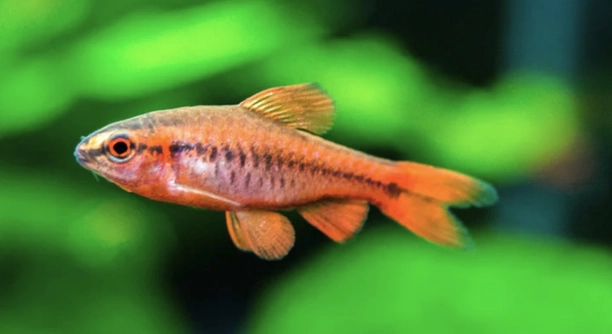
Cherry barbs are popular freshwater fish known for their active nature. However, if they aren’t getting enough oxygen, their health may suffer. Recognizing the signs of low oxygen can help prevent further issues and keep your fish happy and thriving.
The main signs of oxygen deprivation in cherry barbs include abnormal swimming behavior, rapid gill movement, and lethargy. These symptoms indicate that the fish is struggling to breathe efficiently, which could lead to serious health problems if not addressed.
Recognizing these signs early is essential for ensuring your fish’s well-being. Addressing oxygen levels can help improve their environment and overall health.
Poor Water Movement
Low oxygen levels in an aquarium can be caused by poor water circulation. If the water isn’t moving properly, oxygen doesn’t reach all areas of the tank. Stagnant water can create areas where oxygen is depleted, making it harder for fish like cherry barbs to get enough air.
Water circulation is vital to ensure oxygen is evenly distributed throughout the tank. Inadequate flow can also increase the buildup of waste and toxins, further stressing the fish. To improve circulation, consider adding a filter or adjusting the current to keep the water moving effectively.
Increasing water movement will help increase oxygen levels for your cherry barbs. When oxygen levels are balanced, the fish can breathe easier and feel more active. You can adjust water movement through filter placement or adding an aerator to the tank. The right equipment can make all the difference in maintaining a healthy environment.
High Water Temperature
A higher water temperature lowers the amount of oxygen that can dissolve into the water.
As temperatures rise, the solubility of oxygen decreases, making it harder for fish to breathe. If your tank’s water temperature is too high, consider lowering it by adjusting the heater or adding ice cubes.
Overcrowding
Overcrowding can lead to oxygen depletion in the tank. When there are too many fish, oxygen is used up faster than it can replenish. Cherry barbs, like other fish, need space to breathe properly.
To maintain proper oxygen levels, it’s essential to avoid overcrowding. Make sure your tank has adequate space for each fish. Overcrowding not only affects oxygen levels but can also lead to stress and poor water quality. Be mindful of the number of fish you add to your tank to ensure a healthy environment for everyone.
Additionally, overcrowded tanks often require more frequent water changes. The more fish in the tank, the faster waste and toxins accumulate. Keeping a balanced number of fish will reduce the strain on the filtration system and help maintain better water quality, ensuring your cherry barbs get the oxygen they need.
Inadequate Filtration
A good filtration system is essential for maintaining water quality and oxygen levels. If your filter is underperforming, oxygen may not be properly distributed, and waste buildup can occur.
It’s important to choose the right filter for your tank size. A filter that’s too small or clogged can lead to stagnant areas where oxygen isn’t circulating well. Regular maintenance of the filter, such as cleaning and replacing media, will ensure it functions optimally and helps maintain healthy oxygen levels for your cherry barbs.
In addition to regular filter maintenance, you can enhance oxygenation by adding an air stone or sponge filter. These devices help improve water movement and ensure that the oxygen reaches all areas of the tank. Proper filtration is crucial to maintaining both oxygen levels and overall water quality for the health of your fish.
Excessive Feeding
Overfeeding can contribute to oxygen depletion. Leftover food breaks down in the water, using up oxygen and polluting the environment. This can stress your cherry barbs and make it harder for them to breathe.
To avoid this, feed your fish only what they can consume in a few minutes. Regularly remove any uneaten food to prevent it from decaying in the tank. Overfeeding not only reduces oxygen but also contributes to poor water quality.
Poor Water Quality
Water quality directly impacts oxygen levels. High levels of ammonia, nitrites, and nitrates can reduce oxygen efficiency. Regular water changes are essential to maintain a healthy environment for your cherry barbs.
Testing the water for ammonia and nitrite levels should be done regularly. If these levels are too high, it can further stress the fish, leading to oxygen deprivation. Proper filtration and water changes help keep harmful substances in check, ensuring a more oxygen-rich environment.
FAQ
How can I tell if my cherry barbs need more oxygen?
Cherry barbs show several signs when oxygen levels are low. If they are swimming near the surface or gasping for air, this is a clear sign of oxygen deprivation. Additionally, if your fish are lethargic or have rapid gill movements, it may be due to a lack of oxygen. Keeping an eye on their behavior is crucial for early detection.
Can I add an air pump to help with oxygen levels?
Yes, adding an air pump or air stone can significantly improve oxygen distribution in your tank. These devices create bubbles, which increase surface agitation and help oxygen enter the water. This is especially helpful in tanks with poor water movement or low oxygen levels.
How often should I change the water in my tank to maintain oxygen levels?
Water changes are essential to maintaining good oxygen levels and overall tank health. You should change about 10-20% of the water every week, depending on the size of your tank and the number of fish. Regular water changes help remove waste products that can lower oxygen levels and degrade water quality.
Does the tank size affect the oxygen levels?
Yes, tank size plays a role in oxygen levels. In a smaller tank, oxygen is consumed faster by the fish, and waste accumulates more quickly. A larger tank allows for better oxygen distribution and more space for the fish. It’s important to choose the right tank size based on the number of fish you have.
What water temperature is best for cherry barbs to ensure good oxygen levels?
Cherry barbs thrive in water temperatures between 72°F and 80°F (22°C-27°C). If the water temperature gets too high, oxygen levels drop. Use a reliable thermometer to monitor the temperature and avoid fluctuations that could affect oxygen solubility. Keeping the temperature stable within this range will support better oxygenation.
Are cherry barbs more prone to oxygen deprivation than other fish?
Cherry barbs are not particularly prone to oxygen deprivation compared to other fish. However, like all fish, they need proper oxygenation, especially if the tank conditions are poor. Ensuring good filtration, water movement, and regular maintenance will keep oxygen levels at a healthy range for all species.
What are some ways to improve water movement in my tank?
Improving water movement is key to ensuring oxygen is distributed evenly. You can achieve this by adding a filter with adjustable flow, positioning the filter output strategically, or using a circulation pump. An air stone or sponge filter can also help increase water movement, especially in tanks with slow currents.
Can I keep my cherry barbs in a tank with other fish?
Yes, cherry barbs are peaceful fish that can coexist with many other species. However, make sure not to overcrowd the tank. Overcrowding can lead to oxygen depletion and poor water quality, stressing all the fish. Ensure your tank is adequately sized for the number of fish to maintain a healthy environment.
What happens if I don’t address low oxygen levels in my tank?
If oxygen levels remain low, your cherry barbs can suffer from hypoxia, which can cause long-term health problems. Fish may become more susceptible to diseases, experience stunted growth, or even die. Addressing oxygen issues promptly is crucial for maintaining the health of your fish and ensuring their well-being.
Is there any way to prevent oxygen depletion from happening?
To prevent oxygen depletion, focus on maintaining good water quality and providing proper filtration and water movement. Avoid overfeeding, overcrowding, and high water temperatures. Regular water changes, proper tank maintenance, and monitoring fish behavior can help you identify issues before they become serious problems.
Final Thoughts
Maintaining proper oxygen levels in your aquarium is essential for the health of your cherry barbs. These fish, like all aquatic creatures, need a sufficient supply of oxygen to breathe, grow, and stay active. By recognizing the signs of low oxygen early, you can take steps to improve the environment and ensure your fish are thriving. Proper filtration, water movement, and regular water changes are all key factors in maintaining a healthy tank. Keeping your cherry barbs in a well-maintained tank will help them live a long, happy life.
When it comes to oxygenation, there are a few simple adjustments you can make. Adding an air pump or air stone is an easy and effective way to improve water circulation and oxygen levels. Adjusting the water temperature to keep it within the ideal range for cherry barbs is also important, as higher temperatures can reduce oxygen availability. Avoid overcrowding your tank, as too many fish can quickly deplete the oxygen supply. Additionally, be mindful of overfeeding, as uneaten food can decay and consume oxygen.
Ultimately, the health of your cherry barbs depends on creating a stable and well-oxygenated environment. By taking care of water quality, circulation, and ensuring your fish aren’t overcrowded, you can easily prevent oxygen depletion. Small changes, like adjusting the filter or adding a water pump, can make a big difference in keeping your fish happy and healthy.

Hello,
If you enjoy the content that we create, please consider saying a "Thank You!" by leaving a tip.
Every little bit helps us continue crafting quality advice that supports the health, happiness, and well-being of pets around the world, for pets of all shapes, sizes, and species.
We really appreciate the kindness and support that you show us!