
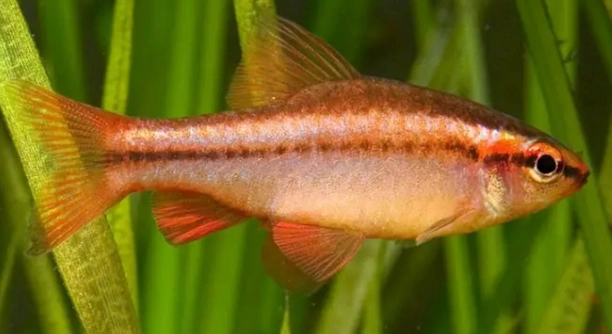
As your cherry barb ages, it’s important to watch for signs that it might be getting too old. Understanding these signs helps you take better care of your fish. Healthy fish can thrive longer with proper attention.
Cherry barbs, like most fish, show clear signs of aging. Changes in behavior, appearance, and activity levels are the most common indicators. Monitoring these changes helps you ensure their health and prevent potential issues related to old age.
There are several signs that indicate your cherry barb may be getting older. Recognizing them can help you make sure they stay as comfortable as possible.
Slower Movement and Reduced Activity
As cherry barbs age, you might notice they become less active. Younger fish tend to swim around quickly, exploring every corner of the tank. Older fish, on the other hand, may spend more time resting. They may move slower, taking breaks more often. While it’s normal for fish to slow down a bit as they get older, a drastic reduction in movement can be a sign they’re nearing the end of their lifespan.
It’s essential to observe their behavior closely. If you notice a steady decline in activity, it could indicate age-related wear. Ensure that your aquarium environment remains stable and comfortable for them.
Older fish may also stop interacting with tankmates or lose interest in food. This decline in energy could be due to a variety of factors, but it’s important to give them extra care and attention. Regular water changes and maintaining a stress-free environment will help them stay as comfortable as possible.
Dull or Faded Colors
One of the most noticeable signs that your cherry barb is getting older is the fading of its vibrant colors. Cherry barbs are known for their bright red and orange tones, especially in males. As they age, these colors can start to lose their intensity.
Age causes changes in the pigmentation of many fish, and cherry barbs are no exception. If your fish’s coloration has dulled, it could be a signal that it is growing older. The fading colors are often accompanied by a decrease in overall health, making it crucial to monitor them closely. While not always a direct health issue, it is often linked to aging.
The fading colors also suggest your fish might be experiencing a lower level of activity or general health decline. It’s important to provide a healthy environment with consistent water conditions to help slow down these changes. While you can’t reverse aging, ensuring your fish remains in a comfortable space will enhance its quality of life.
Loss of Appetite
As cherry barbs age, they may begin to eat less or show no interest in food. It’s common for older fish to eat smaller portions. This change can be due to various factors, such as slower metabolism or less energy.
If you notice that your cherry barb isn’t eating as much or refuses food altogether, it’s time to monitor its behavior closely. You might want to offer different types of food to see if anything catches their attention. However, consistent loss of appetite is usually a sign of aging, and it can sometimes indicate an underlying health issue.
Older cherry barbs also may take longer to eat. If you observe food leftover in the tank for extended periods, it could be a sign your fish isn’t as interested in meals as it once was. If your fish has other symptoms like reduced activity or color fading, it’s important to provide a comfortable environment and adjust feeding accordingly.
Change in Body Shape
Over time, your cherry barb might experience a change in its body shape. Older fish may appear more slender or show signs of muscle loss. As they age, they may no longer maintain the round, healthy appearance they once had.
This change can be a result of reduced activity and slower metabolism. You might notice that your fish has a thinner body, and its overall shape seems more elongated. While this is a normal part of aging, it’s still essential to keep a close eye on their overall health. Regular water changes and feeding nutritious food can help slow down these changes, though they can’t prevent aging entirely.
Sometimes, these physical changes can be worsened by health issues like parasites or poor water conditions. It’s important to check your aquarium setup and ensure that everything is in top condition. Though you can’t stop the aging process, a well-maintained tank can help ease the transition into their older years.
Increased Susceptibility to Illness
As your cherry barb ages, it may become more susceptible to illnesses. Their immune system weakens, and they can struggle to fight off infections. This means that even minor changes in the tank could lead to health issues.
You may notice that older cherry barbs take longer to recover from illnesses or injuries. A sudden drop in water quality or even a small temperature fluctuation can have a more significant effect on them. This is why it’s crucial to maintain stable tank conditions to reduce stress and promote overall health.
If your fish does fall ill, consider isolating it from other fish to prevent the spread of potential diseases. Treatment may take longer than usual, but older fish can still recover with the right care and environment.
Less Aggression Towards Tankmates
Cherry barbs are usually peaceful fish, but as they get older, they may show less interest in defending their territory. The once active and slightly territorial behavior tends to fade.
Older cherry barbs are less likely to chase or display aggression toward other fish. This behavior is due to reduced energy and slower reactions. If your older cherry barb seems passive or avoids interaction with tankmates, it is another sign of aging. In some cases, they may even start to ignore other fish altogether, preferring to stay in one spot.
Decreased Fertility
As cherry barbs age, their ability to reproduce decreases. You may notice a decline in the number of eggs produced by females or reduced mating activity altogether.
While it is normal for fish to become less fertile as they grow older, this change is more noticeable in females. If you’ve had your cherry barb for a while, you might also observe that breeding behavior becomes less frequent or stops entirely. Maintaining a stress-free tank and providing balanced nutrition can help, but the natural aging process will eventually limit reproductive ability.
FAQ
How can I tell if my cherry barb is in pain due to aging?
As cherry barbs age, they may show signs of discomfort. While they are good at hiding pain, you might notice changes in their behavior, like swimming erratically or spending more time at the bottom of the tank. If your fish is rubbing against objects, it may be dealing with irritation or discomfort. Keep an eye on any changes in their movement or appetite. If their condition worsens, it’s best to check the water parameters, as poor water quality can exacerbate aging-related issues.
Can I improve my cherry barb’s quality of life as it ages?
Yes, you can improve your cherry barb’s quality of life with a few key steps. Maintain stable water parameters, especially temperature, pH, and ammonia levels. Providing a stress-free environment, with plenty of hiding spots and gentle tankmates, will help keep your fish calm. Offer them high-quality food to meet their nutritional needs and avoid overfeeding. It’s also important to monitor their health closely and make necessary adjustments to their care. Although aging can’t be prevented, these steps can ensure your cherry barb is as comfortable as possible.
Is it common for cherry barbs to live for many years?
Cherry barbs are generally hardy fish and can live for several years, typically around 3 to 5 years. However, their lifespan may vary depending on water quality, diet, and overall care. In ideal conditions, some cherry barbs can live longer, even up to 7 years. Proper tank maintenance and avoiding stressful environments will contribute to their longevity. It’s also important to check for early signs of aging, as addressing these can help extend their life.
What should I do if my cherry barb is not eating?
If your cherry barb is not eating, first check the water quality. Poor water conditions, like high ammonia or low oxygen levels, can make fish lose their appetite. Offer different types of food, as sometimes they may get bored with the same diet. If the lack of appetite persists, look for signs of illness or injury, as these can also cause a loss of interest in food. If your fish is older, a reduced appetite might simply be due to aging. Consult a vet if the issue continues or other symptoms develop.
Is it normal for older cherry barbs to get more lethargic?
Yes, it’s completely normal for older cherry barbs to become more lethargic. As they age, their metabolism slows down, and they may not be as energetic as they once were. You might notice that they spend more time resting or swimming slowly around the tank. While this is expected, it’s essential to ensure the water quality remains optimal and that the fish are not stressed. If lethargy is accompanied by other concerning signs like fading color or loss of appetite, it may indicate health problems related to aging.
How do I know if my cherry barb is getting too old?
The most obvious signs that your cherry barb is getting too old include a decrease in activity, fading colors, and reduced appetite. You may also notice changes in their body shape or a slower response to stimuli. If your fish’s health starts to decline and it becomes more susceptible to illness, these are signs of aging. The best thing you can do is monitor your cherry barb closely, keeping track of its behavior and overall condition. Regular water changes and high-quality food can help manage these age-related changes.
Should I separate an older cherry barb from other tankmates?
It’s not always necessary to separate an older cherry barb from its tankmates, especially if it’s not showing any signs of aggression or illness. However, if the older fish is being bullied or seems too weak to compete for food, it might be a good idea to isolate them in a separate tank or quarantine area. This can give the fish a chance to recover in a less stressful environment. Ensure that the water parameters in the new tank are ideal, and provide it with a calm, quiet space to rest.
Can older cherry barbs still breed?
Older cherry barbs often show a decline in breeding activity, and it may become difficult for them to reproduce as they age. Female cherry barbs may produce fewer eggs, and males may lose interest in mating. If your older cherry barb is not breeding, this is likely a normal part of the aging process. However, you can still try encouraging breeding by maintaining optimal water conditions and offering high-quality food. Keep in mind that as they age, fertility decreases, and it might be harder to get them to breed successfully.
Do aging cherry barbs need special food?
As cherry barbs age, they do not require drastically different food, but you should focus on providing a high-quality, balanced diet that meets their nutritional needs. As they get older, you may want to offer smaller portions or softer foods, as older fish can sometimes have trouble eating larger or harder items. Foods high in antioxidants, like spirulina, can support their immune system. Always make sure to offer variety to keep them interested and ensure they’re getting all the necessary vitamins and minerals.
What temperature is best for aging cherry barbs?
The ideal temperature range for cherry barbs is between 72°F and 78°F (22°C to 25°C). For aging fish, maintaining a consistent, stable temperature within this range is essential. Avoid sudden temperature fluctuations, as they can cause stress, especially in older fish. A stable temperature will help keep your cherry barb comfortable and reduce the chances of illness. If your fish is older, make sure the water temperature is on the lower end of the range, as extreme heat can increase their metabolism and stress levels.
Final Thoughts
As your cherry barb gets older, it’s important to keep a close eye on its behavior and physical changes. Older fish can show signs of aging such as reduced activity, fading colors, and a loss of appetite. While these signs are natural, they still require attention. The more you observe and understand your fish’s needs, the better equipped you will be to provide the right care. It’s not always easy to watch your fish age, but keeping their environment stable and their diet nutritious can help improve their quality of life in their later years.
Although aging is inevitable, making small adjustments can help your cherry barb stay comfortable for as long as possible. Maintaining clean and stable water conditions is essential, as older fish can be more sensitive to changes in their environment. Regular water changes, keeping the tank free of toxins, and ensuring the temperature remains steady are crucial steps to take. Providing a stress-free environment by avoiding aggressive tankmates and offering hiding spots will also help your fish feel more at ease as it grows older. By paying attention to these factors, you can help reduce the stress that aging may bring to your cherry barb.
Ultimately, recognizing the signs of aging early gives you the best chance to care for your fish in its later years. It’s important to adjust expectations and be aware that while your cherry barb may not be as active or vibrant as it once was, it can still live a healthy and comfortable life with proper care. Aging is a part of life for all pets, and with patience and understanding, you can make these years enjoyable for your fish.

Hello,
If you enjoy the content that we create, please consider saying a "Thank You!" by leaving a tip.
Every little bit helps us continue crafting quality advice that supports the health, happiness, and well-being of pets around the world, for pets of all shapes, sizes, and species.
We really appreciate the kindness and support that you show us!