
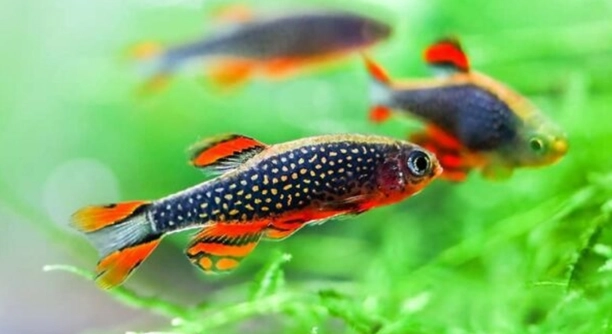
Have you ever noticed your Celestial Pearl Danio acting differently in the tank? These tiny, sparkling fish usually swim energetically, but changes in behavior or appearance can signal something is wrong with their health.
Common signs of illness in Celestial Pearl Danios include loss of appetite, faded colors, unusual swimming patterns, lethargy, bloating, visible spots, or frayed fins. Recognizing these symptoms early allows for timely treatment and helps maintain a healthy aquarium environment.
Knowing how to spot these warning signs is essential for keeping your fish happy and healthy in their aquatic home.
Loss of Appetite
Sometimes, I notice my Celestial Pearl Danios stop eating as much as usual. A decrease in appetite is one of the first signs that something might be wrong. Fish rely on regular feeding to maintain energy and health, so skipping meals can affect their strength quickly. Causes for reduced appetite vary, from poor water quality to internal infections or stress from tank changes. Observing feeding behavior is important; if a fish consistently avoids food, it signals a need for action. Even small changes, like nibbling less or hesitating at food, can indicate a problem. It’s helpful to check the tank conditions, like temperature and cleanliness, and ensure the fish aren’t being outcompeted for food. Sometimes, a slight change in diet or offering a variety of foods can encourage eating again. Early recognition and response can prevent minor issues from turning into serious health problems. Consistency and attention are key to noticing these shifts.
Loss of appetite in your Celestial Pearl Danio often indicates stress or illness. Immediate observation and adjustment are recommended to prevent worsening health.
Maintaining proper water quality and stable conditions can help restore normal feeding habits. Introducing high-quality foods and avoiding sudden changes in the tank environment can reduce stress. If appetite does not improve, isolating the fish in a quarantine tank and consulting a veterinarian or experienced aquarist may be necessary. Tracking behavior daily ensures early intervention and keeps your fish healthy.
Faded Colors
Fading colors in Celestial Pearl Danios can happen gradually. Stress, poor nutrition, or illness often cause this change. Bright, vibrant scales usually reflect a healthy fish, while dull tones signal something is off. Observing color changes can help catch health issues early.
Color loss may result from water imbalances, lack of nutrients, or parasites.
Ensuring balanced feeding and a stable tank environment is essential. Feeding high-quality foods rich in vitamins and maintaining consistent lighting can help colors return. Regular water testing and partial water changes prevent environmental stressors. Sometimes, simply reducing tank overcrowding or providing hiding spots allows the fish to regain confidence and display natural colors. Persistent dullness might require medication for infections or parasites. Careful observation and timely adjustments often restore their sparkle, keeping the aquarium visually healthy and the fish active.
Unusual Swimming Patterns
Erratic swimming or floating near the surface can indicate illness in Celestial Pearl Danios. Sudden changes in movement often reflect stress, poor water quality, or internal issues. Observing swimming behavior daily helps catch problems early.
Abnormal swimming includes darting, spinning, or struggling to maintain balance. These behaviors can result from bacterial infections, parasites, or swim bladder issues. Temperature fluctuations or sudden water changes may also stress the fish, causing them to swim unusually. Monitoring the tank environment, including water parameters and filtration, is critical. Isolating affected fish can prevent the spread of disease and reduce stress. Keeping track of patterns helps identify recurring issues. Sometimes, minor adjustments, like stabilizing temperature or reducing overcrowding, improve swimming behavior significantly. Attention to detail ensures fish recover quickly.
Consistent observation and preventive care are essential. Offering a calm environment and stable water conditions reduces erratic movements. Medications may be required if infections persist, along with careful monitoring to support recovery.
Lethargy
Lethargy in Celestial Pearl Danios is noticeable when fish rest at the bottom or move very little. Reduced activity signals health concerns or environmental stress.
Lethargic behavior can result from poor water quality, inadequate nutrition, or disease. High ammonia or nitrite levels and sudden temperature drops can sap energy. Even subtle stressors, like aggressive tank mates or overcrowding, make fish less active. Addressing these factors quickly is crucial. Providing hiding spots and maintaining a stable environment encourages normal activity.
To restore energy, ensure a balanced diet and clean water. Observe for secondary symptoms like color loss or fin damage, which may accompany lethargy. Isolation in a quarantine tank may be necessary if illness is suspected. Medications targeting specific infections help recovery. Daily monitoring and gentle care improve activity levels, while maintaining routine feeding and water changes prevents further decline. Lethargy often signals early health issues, and timely intervention is key to recovery.
Bloating
Bloating in Celestial Pearl Danios is easy to spot when their bellies appear swollen or uneven. This can be caused by overfeeding, constipation, or internal infections.
Preventing bloating involves feeding small amounts and avoiding sudden diet changes. Observing regular waste production helps identify digestive issues early.
Visible Spots
White or red spots on scales and fins often indicate parasitic or bacterial infections. Early detection is crucial for treatment. These spots may spread if left untreated, affecting the fish’s overall health and tank environment. Prompt action prevents worsening conditions and reduces stress for the fish.
Frayed Fins
Frayed or torn fins can result from poor water conditions, fin rot, or aggression from other fish. Immediate care, including water maintenance and isolation if needed, helps prevent further damage. Regular monitoring ensures fins heal properly and the fish remains active and healthy.
How can I tell if my Celestial Pearl Danio is sick?
Signs of sickness include loss of appetite, faded colors, unusual swimming, lethargy, bloating, visible spots, and frayed fins. Observing daily behavior and appearance is the easiest way to catch problems early. Even small changes, like reduced movement or hesitation during feeding, can indicate illness.
What should I do if I notice unusual swimming?
Unusual swimming often signals stress, poor water conditions, or internal problems. First, check water quality, temperature, and tank stability. Isolate affected fish if possible to prevent disease spread. Providing calm surroundings and reducing sudden changes often helps fish regain normal swimming patterns.
Why is my Danio losing color?
Faded colors often result from stress, poor nutrition, or disease. Ensure a balanced diet rich in vitamins and maintain stable tank conditions. Proper lighting and minimal stressors allow natural coloration to return. Persistent dullness may require treatment for infections or parasites.
How do I handle a loss of appetite?
Loss of appetite is a common early symptom of illness. Offer high-quality food in small portions and maintain clean water. If the fish still avoids food, consider isolating it and consulting an experienced aquarist or veterinarian. Early intervention prevents further health decline.
What causes bloating in Celestial Pearl Danios?
Bloating can stem from overfeeding, constipation, or internal infections. Feed small portions and monitor waste production. Adjust diet gradually, and consider high-fiber foods to ease digestion. Severe bloating may require medical attention to address potential internal issues.
How can I treat visible spots on my fish?
Spots often indicate parasitic or bacterial infections. Quarantine affected fish and maintain optimal water conditions. Medications specific to the infection type may be necessary. Regular monitoring ensures the condition does not worsen or spread to other fish in the tank.
What steps help heal frayed fins?
Frayed fins result from poor water quality, fin rot, or tank aggression. Keep water clean, provide hiding spaces, and isolate aggressive fish. Medications for bacterial infections may be required. Monitoring daily ensures proper healing and prevents further damage, keeping the fish active.
How often should I check water conditions?
Water should be tested at least once a week for ammonia, nitrite, nitrate, and pH levels. Consistent monitoring prevents stress-related illnesses. Regular partial water changes and careful observation maintain a stable environment, which is essential for Celestial Pearl Danios’ health.
Can stress affect my Danio’s health?
Stress from overcrowding, sudden tank changes, or aggressive tank mates can weaken the immune system, causing color loss, lethargy, or disease susceptibility. Reducing stressors and maintaining a calm environment promotes natural behavior and helps prevent illness.
When should I seek professional help?
If symptoms persist despite adjusting water conditions and diet, or if multiple signs appear simultaneously, consult a veterinarian or experienced aquarist. Early professional advice can prevent long-term health issues and ensures your fish recovers fully.
Are there preventative measures I can take?
Regular water testing, stable temperature, balanced diet, and clean tanks reduce the risk of illness. Quarantining new fish before introducing them helps prevent disease spread. Consistent care and attention to behavior make a big difference in maintaining healthy Celestial Pearl Danios.
How can I improve recovery for sick fish?
Provide optimal water conditions, a stress-free environment, and high-quality nutrition. Isolation may be necessary for serious infections. Medications should follow recommended guidelines. Regular observation ensures that treatment is effective and the fish gradually returns to normal activity and appearance.
Is it normal for Celestial Pearl Danios to show minor signs of stress?
Minor stress is common and often temporary. Brief color fading or reduced activity can occur during tank cleaning or water changes. Observing and maintaining consistent care ensures that these minor stress episodes do not develop into illness.
What are common mistakes that worsen fish health?
Overfeeding, inconsistent water maintenance, ignoring early symptoms, and overcrowding are frequent mistakes. These factors can lead to rapid deterioration, infections, and persistent stress. Following proper care routines prevents avoidable health issues and keeps your Danios active and vibrant.
How long does it take for a sick Celestial Pearl Danio to recover?
Recovery depends on the illness, environmental conditions, and care provided. Minor issues may resolve in a few days with proper adjustments, while infections or serious conditions can take weeks. Consistent monitoring and treatment support faster and more complete recovery.
What foods are best for sick Danios?
High-quality flake, frozen, or live foods rich in vitamins support recovery. Offering small portions multiple times a day encourages eating without overloading the digestive system. Variety and nutrient-dense foods help rebuild strength and restore normal activity.
Can multiple fish get sick at the same time?
Yes, infections or poor water quality can affect the entire tank. Quarantine new fish, monitor all tank mates, and maintain clean, stable water conditions to prevent widespread illness. Early detection reduces the risk of multiple fish becoming sick simultaneously.
Are there signs that indicate a permanent health issue?
Persistent fin damage, chronic bloating, or long-term color loss may indicate underlying conditions that are difficult to fully reverse. Continuous care, treatment, and observation help manage these issues, though some fish may never fully return to peak health.
How can I make my tank safer for Celestial Pearl Danios?
Maintain stable water conditions, avoid overcrowding, and provide hiding spaces. Careful introduction of new fish and regular tank cleaning reduce stress and disease risk. A safe, consistent environment supports healthy behavior, proper feeding, and natural coloration.
What should I do after a fish recovers?
Continue regular water testing, feeding, and observation. Gradually reintroduce recovered fish to the main tank if isolated. Maintaining preventive measures reduces the likelihood of recurrence and ensures the fish stays active and healthy over time.
How important is observation in preventing sickness?
Daily observation is critical. Small changes in appetite, swimming, or appearance are early indicators of health issues. Prompt response allows for treatment before conditions worsen, protecting both the affected fish and the overall tank environment.
Can stress from tank mates trigger illness?
Aggressive or overly active tank mates can stress Celestial Pearl Danios, weakening their immune system. Providing calm companions and hiding spaces reduces stress and prevents secondary health problems.
Are water additives helpful for prevention?
Some additives, like vitamins or mild antibacterial agents, can support immune function. However, consistent water quality, proper diet, and stable conditions remain the most effective prevention measures. Use additives carefully and according to instructions to avoid harm.
How can I tell if treatment is working?
Signs of recovery include improved appetite, normal swimming, brighter colors, and reduced physical symptoms like spots or fin damage. Consistent observation during treatment ensures adjustments can be made promptly if progress stalls.
What role does tank size play in fish health?
Adequate tank size prevents overcrowding and reduces stress, promoting better swimming, feeding, and overall health. Overcrowded tanks increase the risk of disease, aggression, and water quality issues, making proper space essential for healthy Celestial Pearl Danios.
Is isolation always necessary for sick fish?
Isolation is recommended for contagious illnesses or when a fish is weak and vulnerable. Quarantine reduces the risk of spreading disease and allows for focused care, easier observation, and targeted treatment.
Can temperature fluctuations make fish sick?
Sudden changes in temperature can stress Celestial Pearl Danios, suppress immunity, and trigger disease. Maintaining a consistent temperature suited to the species reduces stress and supports overall health.
How do I prevent recurring illnesses?
Regular maintenance, water testing, balanced feeding, and monitoring behavior prevent most recurring issues. Avoid sudden changes, overcrowding, and introducing unquarantined fish. Consistent care reduces stress, strengthens immunity, and keeps Celestial Pearl Danios healthy over the long term.
What are early warning signs to watch for?
Early signs include minor color fading, reduced feeding, subtle changes in swimming, or small spots. Detecting these signs quickly allows for interventions that prevent full-blown illness and support faster recovery.
Can stress from transportation affect fish health?
Yes, transportation stress can cause temporary lethargy, color loss, or reduced appetite. Providing a calm environment, stable temperature, and proper acclimation helps fish recover more quickly after transport.
How often should I observe my fish?
Daily observation is recommended. Spending even a few minutes watching behavior, feeding, and appearance ensures early detection of problems and allows for timely corrective action.
Are medications always necessary for sick Danios?
Not all illnesses require medication. Minor stress or temporary digestive issues may resolve with improved water conditions and diet. Medications are necessary for infections or persistent symptoms, following proper guidelines for dosage and duration.
Can diet alone prevent sickness?
A balanced, nutrient-rich diet helps maintain strong immunity but cannot replace proper water maintenance, tank stability, or stress reduction. Diet is one component of overall health and disease prevention.
How do I know if water quality is safe?
Test for ammonia, nitrites, nitrates, and pH regularly. Clear water and stable readings indicate safe conditions. Sudden spikes or unusual water appearance signal a need for immediate intervention to protect fish health.
Is quarantine for new fish mandatory?
Quarantine is strongly recommended to prevent introducing diseases. Isolate new fish for at least two weeks, monitor for signs of illness, and only introduce them once they show no symptoms.
Can environmental enrichment affect health?
Providing hiding spots, plants, and gentle currents reduces stress and encourages natural behavior. A well-structured tank helps prevent behavioral and health problems, supporting overall well-being.
What is the most common mistake in treating sick Danios?
Delaying action, ignoring symptoms, or inconsistent water maintenance are frequent mistakes. Early recognition, proper care, and consistent observation are crucial to prevent illness from worsening.
How can I improve long-term health for my fish?
Maintain clean water, stable temperature, proper diet, adequate space, and daily observation. Reduce stressors, quarantine new arrivals, and respond promptly to signs of illness. Consistent preventive care ensures vibrant, healthy Celestial Pearl Danios over time.
Can multiple signs appear simultaneously?
Yes, stress, poor water quality, or infections often cause several symptoms at once, like lethargy, faded colors, and frayed fins. Early detection and immediate care are essential to prevent further deterioration and support recovery.
How do I manage tank aggression?
Separate aggressive fish, provide hiding spots, and avoid overcrowding. Calm tank mates reduce stress, prevent injury, and maintain stable behavior, supporting health for all inhabitants.
Is observation more important than medication?
Observation is critical for early detection, which allows for timely intervention. Medications are helpful once a problem is identified, but consistent monitoring prevents issues from escalating and ensures treatments are applied correctly.
Can stress from lighting affect my Danios?
Sudden changes in lighting or excessive brightness can stress Celestial Pearl Danios. Consistent, moderate lighting supports natural behavior, feeding, and coloration while reducing susceptibility to illness.
How do I prevent swim bladder problems?
Feed high-quality, varied foods in small portions and maintain stable water conditions. Avoid overfeeding and sudden temperature shifts, which often contribute to swim bladder issues. Regular observation helps detect problems early.
What role does tank cleanliness play in health?
A clean tank prevents disease, reduces stress, and promotes proper feeding and swimming behavior. Regular water changes, substrate cleaning, and filter maintenance are essential for healthy Celestial Pearl Danios.
Can social stress affect illness recovery?
Yes, aggressive or overly active tank mates can slow recovery. Isolation, hiding spots, and calm companions help the fish regain strength and reduce stress-related complications.
How long should I monitor a sick fish?
Daily observation throughout treatment is necessary. Track appetite, swimming, color, and symptoms to ensure recovery. Continue monitoring even after visible improvement to prevent relapse.
Are tank decorations important for recovery?
Decorations provide hiding spaces and reduce stress. Plants, rocks, and shelters allow fish to feel secure, aiding recovery from illness and supporting overall well-being.
Can poor diet cause multiple health issues?
Yes, lack of essential nutrients weakens immunity, slows recovery, and contributes to faded colors, bloating, and lethargy. A balanced diet supports strong health and reduces disease risk.
What are the first steps when noticing illness?
Check water quality, isolate the fish if necessary, adjust diet, and observe symptoms carefully. Early action prevents worsening conditions and increases the likelihood of full recovery.
Is it normal for recovered fish to remain stressed?
Some stress may persist after illness. Maintaining calm tank conditions, proper feeding, and gentle observation helps fish regain confidence, activity, and coloration over time.
How can I avoid recurring fin rot?
Regular water changes, stable temperature, balanced diet, and isolation of aggressive fish prevent recurring fin rot. Quick intervention at the first signs ensures full recovery and avoids long-term damage.
Can seasonal changes affect health?
Temperature shifts and changes in daylight can stress fish, affecting appetite, color, and activity. Maintaining stable conditions and gradual adjustments reduces seasonal health risks.
What tools help monitor fish health effectively?
Thermometers, water test kits, and visual observation are essential. Keeping records of behavior, feeding, and water conditions allows early detection of problems and supports consistent care.
Is quarantine necessary after illness recovery?
If the fish had a contagious infection, a short quarantine before returning to the main tank ensures it does not infect others. Observation during this period confirms full recovery.
How do I know if a symptom is serious?
Rapid worsening, multiple simultaneous symptoms, or severe physical signs like frayed fins, bloating, or lethargy indicate a serious condition. Immediate intervention or professional consultation is necessary.
Can tank size changes affect recovery?
Yes, moving fish to a larger or smaller tank can cause stress. Gradual adjustments and stable conditions support recovery and reduce additional health risks.
Are all spots harmful?
Some minor discolorations are harmless, but red or white spots often indicate infection. Careful observation determines whether treatment is necessary, preventing complications.
How do I prevent infections from spreading?
Isolate affected fish, maintain clean water, and monitor all tank mates. Avoid cross-contamination during feeding, cleaning, or handling. Early measures reduce the risk of widespread illness.
Can tank temperature swings trigger multiple symptoms?
Yes, sudden temperature changes can cause lethargy, color loss, abnormal swimming, and loss of appetite. Stable water temperature is crucial for preventing multiple health issues.
What is the best routine for preventing sickness?
Daily observation, weekly water testing, regular feeding with nutrient-rich foods, partial water changes, and quarantine of new fish form the foundation of a strong preventive routine. Consistency reduces stress and disease risk.
Are stress signs always visible?
Not always. Subtle changes like minor hesitation at feeding, slight color fading, or brief lethargy may indicate stress before overt illness appears. Early recognition allows for preventive measures.
Can environmental enrichment improve recovery speed?
Yes, hiding spots, plants, and gentle currents reduce stress, encourage natural behavior, and support quicker recovery. A calm, enriched environment promotes both physical and mental well-being.
How do I track long-term health?
Maintain logs of feeding habits, behavior, water parameters, and physical changes. Regular tracking highlights trends, early warning signs, and helps ensure sustained health for Celestial Pearl Danios.
Are there common misconceptions about sickness in Danios?
Some think faded colors or minor lethargy are normal. In reality, these are early warning signs. Prompt observation and action prevent minor issues from becoming serious health problems.
Can minor injuries lead to serious illness?
Yes, small fin tears or scale damage can become infected if water quality is poor. Clean water and observation are essential to prevent complications and support healing.
How important is tankmate selection?
Choosing compatible, non-aggressive tank mates reduces stress, prevents fin damage, and supports overall health. Poor compatibility increases risk of illness and slows recovery from minor health issues.
Can water hardness affect disease susceptibility?
Extreme hardness or softness can stress fish, weaken immunity, and trigger illness. Maintaining appropriate water hardness supports metabolic functions, behavior, and overall resilience.
What is the ideal feeding frequency during recovery?
Offer small, frequent meals to encourage appetite and prevent digestive issues. Avoid overfeeding, which can worsen bloating and stress, while ensuring adequate nutrition for healing.
How do I avoid mistakes when medicating fish?
Follow product instructions carefully, measure doses accurately, and monitor the fish during treatment. Avoid overuse, as incorrect application can harm the fish and worsen health problems.
Can tank location affect health?
Direct sunlight, drafts, or high-traffic areas can stress fish. Placing the tank in a stable, quiet environment helps maintain consistent conditions and reduces susceptibility to illness.
Are all lethargy cases caused by illness?
Not always. Minor lethargy may result from temporary stress, water changes, or temperature shifts. Observing duration, accompanying symptoms, and behavior helps distinguish between temporary stress and illness.
How do I prevent overfeeding?
Feed only what fish can consume in a few minutes, multiple times a day if needed. Remove excess food to prevent water contamination and digestive issues, supporting overall health.
Can water flow impact sickness recovery?
Strong currents may stress weak or sick fish, while gentle, steady flow supports oxygenation and normal behavior. Adjust flow to balance activity and recovery needs.
How do I handle recurring bloating?
Adjust diet, reduce overfeeding, and provide high-fiber foods. Check water quality regularly, as poor conditions can worsen digestive issues. Severe or persistent bloating may require medical intervention.
Is it normal for recovered fish to eat less initially?
Yes, appetite may take time to return. Offer small portions, monitor feeding closely, and maintain clean, calm water to encourage gradual improvement.
Can lighting schedules affect appetite and activity?
Yes, consistent lighting helps regulate feeding and activity patterns. Sudden changes or overly bright lights can stress fish and reduce appetite, delaying recovery.
Are quarantine tanks necessary for all treatments?
Not for minor issues, but they are essential for contagious infections or when medication affects water quality. Isolation ensures effective treatment and prevents stress to other fish.
How do I know if my fish is fully recovered?
Full recovery shows normal swimming, bright colors, regular feeding, and absence of physical symptoms. Continued observation ensures the fish remains healthy and active in the main tank.
What role does observation play after recovery?
Even after recovery, daily observation helps catch early signs of recurring illness, stress, or environmental problems. Maintaining consistent monitoring protects long-term health.
Can minor fin fraying heal on its own?
Yes, small tears may heal with proper water conditions and stress reduction. Monitor daily to ensure no infection develops and fins fully recover.
How do I reduce stress during cleaning or water changes?
Caring for Celestial Pearl Danios requires careful observation and consistent maintenance. These tiny fish may seem delicate, but they can thrive with proper care and attention. Paying close attention to their behavior, appearance, and appetite is essential for ensuring their long-term health. Small changes, like slight color fading or reduced swimming activity, often signal underlying issues that may worsen if ignored. Maintaining a stable tank environment, including proper temperature, water quality, and balanced nutrition, helps prevent stress and illness. Overfeeding, sudden changes in water conditions, or introducing aggressive tank mates can quickly disrupt their well-being. Regular water testing, partial water changes, and keeping the tank clean provide a foundation for healthy, active fish. Observation is key, and the more familiar you become with their normal behavior, the easier it becomes to notice when something is off.
Addressing health problems early increases the likelihood of full recovery. Loss of appetite, bloating, visible spots, frayed fins, unusual swimming, and lethargy are all signs that require attention. When these symptoms appear, prompt action is necessary, whether it involves adjusting the environment, isolating affected fish, or consulting an experienced aquarist or veterinarian. Quarantine tanks are useful tools for treating sick fish and preventing the spread of disease. Providing a stress-free environment, with hiding spots and calm tank mates, also supports recovery and encourages normal behavior. While minor issues can sometimes resolve on their own, consistent care and careful monitoring prevent small problems from becoming serious. Even after a fish seems to recover, continued observation ensures long-term health and helps prevent relapses.
Preventing sickness is often easier than treating it. A consistent routine that includes feeding nutrient-rich foods, maintaining water quality, monitoring tank conditions, and observing fish behavior reduces the risk of illness. Avoiding overcrowding and providing environmental enrichment, like plants and decorations, creates a stable, stress-free habitat. Understanding the signs of common health problems allows you to act quickly and protect your fish. Each Celestial Pearl Danio is unique, and paying attention to individual behaviors and needs helps create a thriving aquarium. By combining careful observation, preventive care, and timely intervention, you can keep your fish healthy, vibrant, and active, ensuring a balanced and enjoyable aquatic environment.

Hello,
If you enjoy the content that we create, please consider saying a "Thank You!" by leaving a tip.
Every little bit helps us continue crafting quality advice that supports the health, happiness, and well-being of pets around the world, for pets of all shapes, sizes, and species.
We really appreciate the kindness and support that you show us!