
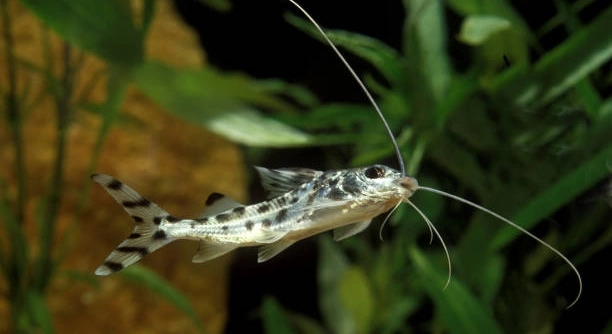
Cats are popular pets that bring joy to many homes. When introducing a new catfish to a tank, it’s important to watch how they settle in. Observing their behavior can show if they are comfortable and healthy in their new environment.
Catfish adjust to a tank by showing specific signs such as increased activity, regular feeding, calm swimming patterns, and interaction with their surroundings. These indicators reflect their adaptation and well-being in the aquarium setting.
Recognizing these signs early helps ensure your catfish thrives. This article will guide you through the common ways to know if your catfish is settling in well.
Increased Activity and Exploration
When catfish first enter a new tank, they often start exploring their surroundings more actively. This behavior shows they are trying to understand the space and find comfortable spots. You might notice your catfish swimming around the tank more than usual or checking out hiding places. Increased activity is a good sign that the fish is feeling less stressed. Stress can cause fish to stay still or hide, so seeing your catfish move around means it is adjusting. This exploration also helps the catfish find food sources and safe areas to rest. Over time, as the fish becomes more confident, the activity level will balance out to a regular pattern. Watching how your catfish interacts with its environment gives you clues about its comfort and health in the tank.
Activity levels should become steady as the catfish grows accustomed to the tank. Too much or too little movement may indicate a problem.
Pay close attention to how your catfish moves over the first few days. This period is critical for settling in and adapting to new conditions. Make sure the tank environment is stable, with the right temperature, clean water, and hiding spots. These factors help the fish feel secure and encourage natural behavior. Avoid sudden changes that might stress your catfish. With patience and care, you will see the fish settle into a routine. Recognizing this adjustment phase makes caring for your catfish easier and more rewarding.
Regular Feeding Habits
A catfish that is adjusting well will start eating regularly.
Appetite is a clear sign of health and comfort in fish. When a catfish begins to eat on schedule, it shows that it feels safe and is not under stress. New tank environments can cause some fish to lose their appetite, but as they adapt, their feeding habits return. Watch for your catfish to come out for food and eat eagerly. If it ignores food for several days, this might be a concern. Proper feeding also supports growth and strengthens the immune system. Ensuring the right diet and feeding times helps your catfish settle in quickly and stay healthy in its new home.
Calm Swimming Patterns
Calm swimming is a sign that your catfish feels secure in its tank. When a catfish swims smoothly and steadily, it is adapting well to its environment. Erratic or frantic movements usually indicate stress or discomfort.
Smooth swimming shows that the catfish is no longer anxious or overwhelmed. It has learned the layout of the tank and feels comfortable moving through its space. You might notice the fish gliding along the bottom or hovering near plants without sudden bursts of speed. These steady movements suggest the water conditions and temperature are suitable. Calm swimming also means the fish is likely healthy and not reacting to external threats. A peaceful tank atmosphere encourages this behavior, which is an important part of the adjustment process.
If the catfish suddenly changes swimming behavior, it may be due to water quality issues or illness. Regular observation can help catch problems early. Keeping the tank clean and stable supports calm movement. Providing hiding spots also reduces stress and promotes a relaxed swimming pattern. Overall, calm swimming reflects good adaptation and helps you know your catfish is doing well.
Interaction with the Environment
Interaction with tank features is a good indicator of adaptation. Catfish often explore plants, decorations, and substrate once they feel settled.
These fish use their barbels to sense and find food, so interacting with the environment is natural. As they become comfortable, they may dig or move around gravel, rest under decorations, or swim near other tank mates. This behavior shows curiosity and a healthy response to their surroundings. Avoid overcrowding the tank, as this can reduce their interaction and cause stress. Observing your catfish engage with the environment helps you understand their needs and ensures a suitable habitat. Maintaining a natural setup encourages this positive behavior, improving your catfish’s well-being and adjustment over time.
Hiding and Resting Spots
Catfish need places to hide and rest to feel secure. Providing caves or plants helps them settle faster.
When a catfish uses these spots regularly, it shows comfort with its environment. Avoid removing these areas once they start hiding there.
Steady Breathing
Steady, slow breathing is a sign of a relaxed catfish. Rapid gill movement may indicate stress or poor water quality. Watch for smooth breathing patterns to confirm your fish is adjusting well.
Social Behavior
Some catfish enjoy the company of other fish or tank mates. Friendly interactions or gentle swimming near others signal comfort and social adjustment. Avoid aggressive tank mates to keep your catfish calm.
FAQ
How long does it take for a catfish to adjust to a new tank?
Most catfish take about one to two weeks to settle into a new tank. During this time, they may hide more and eat less as they get used to their surroundings. Providing a calm environment and stable water conditions helps speed up this process. Patience is key since rushing can stress the fish and delay adjustment.
What should I do if my catfish isn’t eating?
If your catfish refuses food for more than a few days, check the water quality and temperature first. Poor water conditions or sudden changes often cause loss of appetite. Try offering different foods like sinking pellets or live worms to stimulate feeding. Make sure the tank is quiet and has hiding places to reduce stress, which can also improve eating habits.
Can catfish live with other fish right away?
It’s best to wait until your catfish shows signs of adjusting before adding other fish. Introducing tank mates too early can stress your catfish. Once it is swimming calmly and eating regularly, you can slowly add compatible fish. Always avoid aggressive species to keep the tank peaceful.
Why does my catfish hide so much?
Hiding is natural for catfish, especially when they are new to a tank. They use hiding spots to feel safe. If your catfish hides constantly and avoids food, check the tank’s environment. Too bright lighting, lack of shelter, or poor water conditions might cause stress. Make sure to provide caves, plants, or decorations for comfort.
How can I tell if my catfish is stressed?
Signs of stress include erratic swimming, rapid breathing, loss of appetite, and excessive hiding. Stress can be caused by poor water quality, sudden changes, or aggressive tank mates. Monitor these behaviors closely and check your tank’s conditions regularly to keep your catfish healthy and comfortable.
Is it normal for catfish to change color?
Some catfish change color slightly when adjusting or due to lighting changes. However, sudden or extreme color loss can signal health issues or poor water quality. If you notice unusual fading or spots, test the water and watch for other symptoms like lethargy or loss of appetite.
What is the best way to introduce a new catfish to my tank?
Float the bag containing the catfish in the tank for 15–20 minutes to equalize temperature. Then slowly add small amounts of tank water to the bag over 30 minutes before releasing the fish. This gradual process reduces shock and helps the catfish adapt more easily.
How often should I clean the tank during the adjustment period?
Regular water changes are important but avoid cleaning too aggressively. A 20% water change weekly is usually enough. Sudden or deep cleanings can disturb the environment and stress your catfish. Keep the substrate and decorations stable during the adjustment phase.
Can tank decorations affect catfish behavior?
Yes, decorations provide shelter and stimulate natural behavior like hiding and exploring. Without enough hiding spots, catfish may feel exposed and stressed. Using plants, rocks, or caves helps create a secure space, which supports faster adjustment and better health.
What should I feed my catfish during the first weeks?
Offer sinking pellets or wafers designed for bottom feeders. Supplement with occasional live or frozen foods like bloodworms or brine shrimp to encourage eating. Feeding small amounts multiple times a day helps prevent waste buildup and supports the catfish’s nutrition while settling in.
Final Thoughts
Bringing a new catfish into your tank is an exciting experience, but it requires patience and attention. Watching your catfish adjust to its new environment helps ensure it stays healthy and happy. The signs of adjustment, such as steady swimming, regular feeding, and interaction with the tank, are important clues. These behaviors show that your catfish is becoming comfortable and adapting well. Every fish is different, so the time it takes to adjust can vary. It’s normal to see some hiding and cautious behavior at first. Giving your catfish time and space without sudden changes makes the transition smoother.
Maintaining a clean and stable tank environment is key to helping your catfish settle in. Good water quality, proper temperature, and safe hiding places reduce stress and promote natural behaviors. Make sure to test the water regularly and do gentle water changes to keep conditions ideal. Avoid overcrowding the tank with too many fish, as this can lead to competition and anxiety. Also, pay attention to feeding habits. Offering the right food in appropriate amounts supports your catfish’s health and encourages them to eat consistently. The combination of a calm environment and proper care leads to a happier fish that thrives in its home.
Being observant is one of the best ways to care for your catfish during the adjustment phase. Notice changes in activity, breathing, and interaction with the environment. If you spot unusual behavior like rapid breathing, constant hiding, or refusal to eat, check the tank conditions and make necessary adjustments. Sometimes small changes can improve your catfish’s comfort significantly. Remember, adjusting to a new tank takes time, but with the right care, your catfish will settle in well and become an enjoyable part of your aquarium. Keeping these points in mind will help you create a healthy and welcoming space for your catfish to thrive.

Hello,
If you enjoy the content that we create, please consider saying a "Thank You!" by leaving a tip.
Every little bit helps us continue crafting quality advice that supports the health, happiness, and well-being of pets around the world, for pets of all shapes, sizes, and species.
We really appreciate the kindness and support that you show us!