
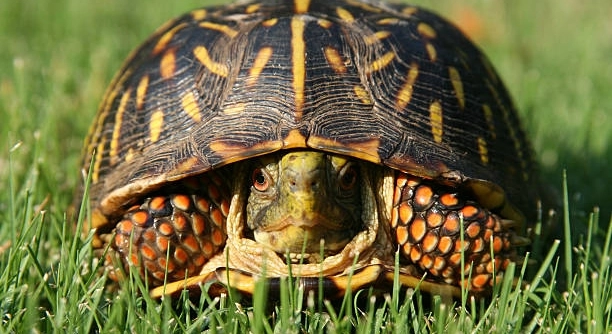
A box turtle can be a calm and enjoyable pet. However, it’s important to recognize when something may be wrong. Knowing the signs of illness can help ensure that your turtle stays healthy and happy.
Veterinary care is essential if you notice abnormal behavior in your box turtle. Common signs that require attention include lack of appetite, abnormal shell appearance, lethargy, breathing issues, or discharge. Prompt treatment can prevent more serious health problems.
By recognizing these signs early, you can give your turtle the best chance for recovery. Read on to learn about the warning signals that indicate it’s time for a visit to the vet.
Lack of Appetite in Box Turtles
A box turtle that suddenly stops eating could be a sign of underlying health issues. Healthy box turtles usually have a strong appetite and enjoy a variety of foods. If you notice that your turtle is refusing its favorite snacks or isn’t eating at all, it may be time to investigate further. It’s important to remember that a sudden lack of appetite can be a response to stress, temperature changes, or illness.
While a temporary decrease in appetite may occur due to minor issues, persistent lack of eating could indicate a more serious problem. This could include respiratory issues, gastrointestinal problems, or an infection. A veterinarian’s visit is recommended to rule out these potential causes and help restore your turtle’s health.
A reduced appetite can be worrying, but it’s important to pay attention to other signs as well. If your turtle’s eating habits don’t improve soon, consult your vet to avoid complications that might arise.
Abnormal Shell Appearance
If your turtle’s shell looks cracked, soft, or discolored, this is a definite concern. The health of a box turtle’s shell is a good indicator of its overall health. A damaged shell can result from infections, injuries, or poor nutrition.
The shell should be firm, smooth, and free from unusual patches. If you spot signs like scabs, pus, or changes in color, this could be a sign of a fungal or bacterial infection. A veterinarian will be able to diagnose the issue and provide treatment to prevent further damage.
Sometimes, improper lighting and inadequate calcium intake may also cause shell issues. It’s essential to ensure your box turtle gets the proper UVB light and a diet rich in calcium to maintain a healthy shell.
Lethargy in Box Turtles
Lethargy can signal something serious with your box turtle. If your turtle is unusually inactive, it’s a red flag. Healthy box turtles are often curious and active, especially during their active hours.
A sudden drop in energy can be due to stress, incorrect temperature, or illness. Box turtles require specific temperatures to stay active and healthy. If your turtle’s environment is too cold, it may become lethargic. Additionally, it could be a sign of an internal issue like an infection or dehydration. A check-up from a vet is important to ensure your turtle is properly cared for.
Sometimes, lethargy can also result from nutritional deficiencies, particularly a lack of essential vitamins and minerals. Offering a balanced diet with the right foods can help prevent this. If the problem persists, seek medical advice for proper diagnosis and treatment.
Breathing Problems in Box Turtles
Breathing issues should never be ignored. If your box turtle is having trouble breathing, you may notice wheezing, labored breathing, or a swollen face. This could be caused by respiratory infections, which are common in reptiles.
Respiratory infections can occur due to poor living conditions, such as excessive humidity or low temperatures. Box turtles need to be kept in the right temperature range to avoid stress on their respiratory system. In some cases, a simple environmental adjustment can help, but if symptoms persist, medical intervention is needed.
A respiratory infection can worsen quickly if not addressed. Early treatment can prevent further complications and help your turtle recover faster. Be sure to provide clean, dry conditions and maintain the proper temperature to avoid this problem.
Discharge from Eyes or Nose
Any discharge from your box turtle’s eyes or nose could indicate an infection. Normal discharge is minimal, but excessive mucus or crust around the eyes and nose should be addressed.
This could be a sign of a respiratory infection or other illnesses. Respiratory infections are often caused by poor habitat conditions, like improper temperature or humidity. Consult a vet if discharge persists.
Proper temperature, humidity, and clean living conditions can help prevent such issues. If you notice the discharge continues, it may require medication or further examination.
Swollen Eyes or Puffy Face
Swollen eyes or puffiness around your box turtle’s face often signals an infection or vitamin deficiency. It may also be a sign of dehydration.
This issue might be linked to an improper diet, a sign of vitamin A deficiency, or an ongoing infection. It’s important to offer a balanced diet and ensure your turtle’s environment supports good health.
In some cases, swollen eyes could indicate a more serious condition, requiring immediate veterinary care. A vet can offer treatment and advice to prevent further health issues.
Uneven Walking or Limping
Uneven walking or limping can indicate a physical injury or a health problem that needs attention. If your box turtle isn’t walking as it should, it may be in pain.
Limping could be caused by trauma to the legs or shell. It might also signal arthritis or other internal issues that affect mobility. Examine your turtle for any visible injuries or changes in its walking pattern.
If your box turtle seems to be favoring one leg or is struggling to walk, it’s best to visit the vet. They can diagnose any underlying problems and recommend proper care.
FAQ
What are the common signs of a sick box turtle?
A sick box turtle may show signs like lethargy, loss of appetite, abnormal shell appearance, or breathing difficulties. Additionally, look for discharge from the eyes or nose, swelling around the face, or changes in its walking pattern. These are all red flags that suggest a health issue.
How can I tell if my box turtle is stressed?
Stress in box turtles can be caused by environmental changes, improper lighting, or poor diet. Signs of stress include excessive hiding, lack of appetite, and unusual lethargy. If your turtle’s environment isn’t meeting its needs, stress can weaken its immune system, making it more prone to illness.
What temperature should I keep my box turtle’s habitat?
Box turtles need a temperature gradient in their habitat. The basking area should be around 85-90°F (29-32°C), and the cooler side should be between 70-75°F (21-24°C). Proper temperatures help with digestion and overall health, while improper temperatures can lead to stress and illnesses.
Why does my box turtle hide all the time?
Hiding can be a natural behavior for a box turtle, especially if it feels insecure or stressed. However, excessive hiding could also signal health problems like respiratory infections or internal pain. If your turtle hides more than usual, it’s worth investigating further.
How often should I feed my box turtle?
Adult box turtles should be fed every other day, while younger turtles need daily meals. A balanced diet of vegetables, fruits, and protein is important for their health. Offering a variety of food will ensure they get the necessary nutrients for growth and energy.
Can I handle my box turtle every day?
It’s fine to handle your box turtle occasionally, but overhandling can cause stress. Box turtles are not like other pets that enjoy frequent interaction. It’s best to let them explore their habitat and handle them only when necessary for cleaning or health checks.
What should I do if my box turtle isn’t eating?
If your box turtle refuses to eat, check its habitat temperature, lighting, and humidity levels. Stress, incorrect diet, or illness can lead to a lack of appetite. Offer a variety of foods and try to ensure the environment is comfortable. If the issue persists, visit a vet.
How can I keep my box turtle’s shell healthy?
To maintain a healthy shell, ensure your turtle gets enough calcium and vitamin D3. Provide proper UVB lighting and a varied diet that includes dark leafy greens and other calcium-rich foods. Regular habitat cleaning also helps prevent shell infections.
Is it normal for my box turtle to breathe heavily?
Heavy breathing in a box turtle can indicate stress or a respiratory infection. If your turtle is breathing heavily, check its habitat conditions. Make sure the temperature and humidity are correct. If the heavy breathing persists, consult a vet for diagnosis and treatment.
How do I know if my box turtle is dehydrated?
Dehydration in box turtles can cause lethargy, sunken eyes, and difficulty walking. Make sure your turtle has access to fresh water at all times. You can also bathe it in shallow, lukewarm water to help rehydrate. If dehydration continues, seek veterinary care.
Can I feed my box turtle fruit every day?
Fruits should be offered in moderation. While they provide essential vitamins, too much fruit can lead to imbalances in your turtle’s diet, causing digestive problems or obesity. A good rule of thumb is to provide fruits as a treat once or twice a week.
What do I do if my box turtle has a swollen eye?
Swollen eyes can be a sign of vitamin A deficiency or an infection. If your box turtle’s eye is swollen or closed, ensure it’s getting the proper nutrients, especially vitamin A, and maintain optimal habitat conditions. If the issue persists, a vet visit is necessary for proper treatment.
Is it okay to house my box turtle with other turtles?
It’s generally best to keep box turtles alone to avoid stress and aggression. However, if you plan to house multiple turtles, ensure they have enough space, and monitor their interactions closely. Some turtles may not get along and may require separate enclosures.
How can I prevent my box turtle from getting sick?
To prevent illness, maintain proper habitat conditions such as the correct temperature, humidity, and lighting. Provide a balanced diet, including vegetables, fruits, and protein. Regularly clean your turtle’s habitat and avoid sudden environmental changes to keep it healthy.
What should I do if my box turtle has a limp?
A limp could be caused by an injury or a more serious health issue like arthritis. Inspect your turtle’s legs and shell for any visible signs of injury. If the limp continues or worsens, take your turtle to the vet for a thorough check-up.
Final Thoughts
Taking care of a box turtle requires attention to its environment and health needs. It’s important to keep their habitat at the right temperature and humidity, ensuring they have a comfortable and safe place to thrive. Regularly checking for signs of illness, such as lethargy, swollen eyes, or changes in their eating habits, can help you address potential health issues early. Just like any pet, your box turtle’s well-being depends on the care and effort you put into maintaining its environment and diet.
By observing your box turtle’s behavior and appearance closely, you can better understand when something might be wrong. Box turtles are known for their independence, but they rely on you to provide proper care and support. This means offering them a balanced diet with the right nutrients, making sure they get enough UV light, and avoiding overcrowded enclosures that could cause stress. It’s also essential to give them access to clean water for drinking and soaking, as dehydration can quickly lead to health problems.
Remember that early intervention is key if you notice any unusual signs. If you suspect something is wrong, don’t hesitate to take your box turtle to a veterinarian who specializes in reptiles. Proper medical care can make a significant difference in their recovery. Keeping an eye on their health and addressing issues promptly will ensure that your box turtle remains a healthy, happy companion for many years to come.

Hello,
If you enjoy the content that we create, please consider saying a "Thank You!" by leaving a tip.
Every little bit helps us continue crafting quality advice that supports the health, happiness, and well-being of pets around the world, for pets of all shapes, sizes, and species.
We really appreciate the kindness and support that you show us!