
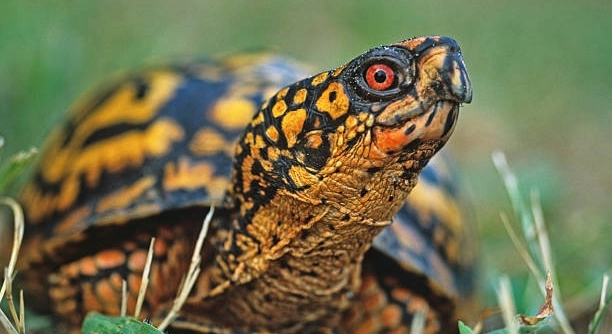
Box turtles are popular pets that can live for many years, but ensuring their health requires attention to specific signs. Understanding these signs will help you keep your turtle happy and thriving throughout its life.
The signs of a healthy box turtle include a smooth, firm shell, clear eyes, active behavior, proper weight, regular feeding, and clean living conditions. These indicators reflect a well-maintained environment and good overall health for the turtle.
Monitoring your turtle’s health can be rewarding and straightforward. Keep reading to learn more about the essential signs that show your box turtle is in good shape.
Clear Eyes
One of the most obvious signs of a healthy box turtle is clear, bright eyes. Healthy turtles tend to have eyes that are free from cloudiness, discharge, or swelling. These symptoms could indicate an infection, dehydration, or other health concerns. If your turtle’s eyes appear dull or have any discharge, it might be time for a vet checkup. Regularly observe your turtle’s eyes for any changes that could point to health issues. Clear eyes show that your turtle is well-hydrated and active, which are key indicators of good health.
Clear, bright eyes are essential for your turtle’s overall health. If any changes are noticed, seeking advice from a vet is important. Proper care ensures their well-being and comfort.
If your turtle’s eyes appear dull, cloudy, or have mucus, it could be a sign of dehydration or an infection. Don’t wait to see a change in behavior. Early intervention can help your turtle recover more easily and stay healthy.
Active Behavior
Box turtles should be consistently active during the day. If your turtle is often lethargic or inactive, it might be a sign of an underlying issue. A healthy turtle is typically alert, moving around its enclosure, and foraging for food. Box turtles, being wild animals, need enough space to move and explore to stay physically healthy. If you notice that your turtle is overly lethargic, it could be an indication of improper temperature, diet, or illness. You may also want to check if your turtle’s habitat is large enough to encourage natural movement.
Turtles that remain active show signs of vitality. Always ensure your turtle’s environment allows for natural behaviors, including movement and exploration.
An active box turtle is not just a sign of health, but also a sign of a well-maintained habitat. Make sure your turtle has enough space, proper lighting, and a temperature range that supports its activity level. Keep an eye on any signs of behavior changes, as they might suggest health concerns.
Firm Shell
A healthy box turtle should have a firm and smooth shell. Any soft spots, cracks, or indentations may indicate health issues like a calcium deficiency or a shell infection. Check your turtle’s shell regularly, especially after it sheds its scutes. A well-maintained shell is a sign of proper nutrition and care. Softness or damage can make your turtle more vulnerable to injury or disease.
The shell is a vital part of the turtle’s body, providing protection and structure. Ensure your turtle has access to the right balance of calcium and UV light, both of which are essential for a strong shell. Without proper nutrition, the shell can become weakened, leading to further health complications.
Keep your turtle’s living environment clean and ensure it has a proper diet to avoid potential shell problems. A firm shell is an indicator that your turtle is thriving. Providing the proper lighting and nutrition will help your turtle maintain a strong, healthy shell that will last throughout its life.
Proper Weight
Maintaining a proper weight is crucial for your turtle’s health. If your turtle is too thin or overweight, it can lead to various health complications. A well-fed box turtle should feel solid when handled, without excessive fat deposits or a noticeable lack of mass. Regularly check its weight by gently holding your turtle and assessing how it feels. A balanced diet and proper care are key in ensuring your turtle maintains a healthy weight.
Monitor your turtle’s weight regularly to detect any sudden changes. If your turtle appears to be losing weight or gaining excessively, this could point to issues with its diet or health. If necessary, consult a vet to determine the cause.
Providing your turtle with a proper diet that includes both animal and plant-based foods can help it maintain its ideal weight. Ensure that you’re offering the correct portion sizes and providing access to fresh, clean water. Regular observation of your turtle’s weight will help you catch any potential issues early on.
Clean Living Environment
A clean environment is essential for your turtle’s health. Regularly clean the tank and remove any uneaten food, feces, or debris. Dirty habitats can lead to bacterial growth and illness. Ensure that the water, substrate, and decorations are maintained to keep the environment healthy and free from harmful organisms.
You should spot-clean the tank daily and do a more thorough cleaning every few weeks. Maintaining a consistent cleaning schedule will reduce the risk of infections and help keep your turtle healthy. A tidy space is vital for their overall well-being and comfort.
Regular Feeding
Feeding your box turtle a balanced diet is key to keeping it healthy. Offer a variety of vegetables, fruits, and protein-rich foods like insects, worms, or small fish. Be sure to remove uneaten food to prevent contamination. Overfeeding can lead to obesity, while underfeeding can cause malnutrition. Proper portion control is important.
Turtles, like all pets, need variety in their diet to stay healthy. Ensure they get the necessary nutrients by providing a wide range of foods. Avoid relying on just one type of food to ensure they get all the essential vitamins and minerals they need.
Proper Temperature
Your turtle’s environment should have a proper temperature range to ensure its health. A basking spot should be around 85-90°F, while the cooler side of the tank should be around 70-75°F. Using a thermometer will help monitor the temperatures and ensure they remain consistent. Incorrect temperatures can lead to stress and health issues.
Turtles rely on external heat sources to regulate their body temperature. Without the right heat gradients, they may not digest food properly or remain active. Make sure your turtle can move between warm and cool areas for optimal health.
FAQ
How often should I feed my box turtle?
Feeding your box turtle depends on its age and activity level. For juveniles, feeding should be done daily, as they need more food to support growth. Adult turtles generally eat every 2-3 days, as their metabolism slows down. Offer a variety of food options, including vegetables, fruits, and protein sources like insects or worms. Monitor your turtle’s weight to adjust the feeding schedule if necessary. Remove uneaten food after a few hours to avoid spoilage.
Can box turtles live outside year-round?
Box turtles can live outside year-round, but only in appropriate climates. In areas with mild winters, they may hibernate during colder months. Ensure they have a secure outdoor enclosure that provides both sun and shade, with areas to dig and burrow. If you live in a region with extreme temperatures, consider bringing your turtle indoors during the winter months to avoid health risks. Always provide access to clean water and ensure that they are safe from predators.
How do I know if my box turtle is dehydrated?
Dehydration in box turtles can be recognized by signs such as sunken eyes, dry or wrinkled skin, and lethargic behavior. Dehydration can happen if your turtle is not drinking enough water or if the humidity levels in its habitat are too low. To help rehydrate a dehydrated turtle, place it in a shallow dish of warm water for 20-30 minutes, allowing it to absorb moisture. Always provide access to fresh water in its enclosure, and maintain proper humidity levels to prevent dehydration.
What should I do if my box turtle’s shell is cracked?
A cracked shell requires prompt attention. If the crack is minor and not bleeding, you can clean the area with mild antiseptic and apply a turtle-safe shell repair gel. For more severe cracks, consult a veterinarian immediately. Shell injuries can lead to infections if not treated properly. Regularly inspect your turtle’s shell for any signs of injury and make sure its environment is free from sharp objects that could cause damage.
How can I make sure my box turtle is getting enough UV light?
UV light is crucial for box turtles as it helps them synthesize vitamin D3, which is needed for calcium absorption and shell health. Ensure your turtle has access to UVB lighting for 10-12 hours a day, especially if kept indoors. Use a UVB bulb designed for reptiles, and replace it every six months, as its effectiveness diminishes over time. If your turtle is kept outdoors, ensure it can bask in natural sunlight, but always provide shaded areas to avoid overheating.
Can box turtles be housed with other pets?
Box turtles are generally solitary animals and may not do well if housed with other pets, especially other turtles. Territorial disputes can lead to stress or injury. If you wish to house multiple turtles together, ensure the enclosure is large enough to allow each turtle to have its own space. Avoid housing box turtles with species that could harm them, such as larger, more aggressive reptiles or amphibians. Always supervise interactions to prevent injury.
What is the best substrate for a box turtle’s enclosure?
The best substrate for a box turtle’s enclosure is one that mimics its natural habitat while maintaining proper humidity levels. A mixture of organic soil, coconut coir, and sphagnum moss works well. Avoid using sand, gravel, or cedar wood shavings, as they can cause respiratory issues or impactions. The substrate should be deep enough for your turtle to dig and burrow. It should also be easy to clean and maintain, as cleanliness is essential for your turtle’s health.
How can I prevent my box turtle from becoming overweight?
Preventing obesity in box turtles involves controlling the amount of food offered and ensuring they are active. Overfeeding, especially with high-calorie foods like fruits, can lead to excessive weight gain. Offer a balanced diet with the right portion sizes and avoid feeding too much protein. Allow your turtle enough space to move around and encourage physical activity. Keep an eye on their weight regularly, and adjust the feeding schedule if you notice signs of weight gain.
Is it normal for my box turtle to hibernate?
Hibernation is a natural behavior for box turtles in colder climates. In the wild, box turtles hibernate during the winter months when temperatures drop. If you live in a climate with cold winters, your turtle may hibernate as well. To ensure your turtle’s health during hibernation, it is essential to monitor its weight before and after hibernation and ensure that it is in good health. If your turtle is kept indoors and does not experience natural seasonal changes, it may not hibernate unless it is exposed to cooler temperatures. Always consult with a veterinarian if you are unsure whether your turtle should hibernate.
Final Thoughts
Taking care of a box turtle requires attention to several factors, but it is not difficult with the right knowledge. A healthy box turtle can live a long life when provided with the proper environment, diet, and care. Ensuring that your turtle’s habitat remains clean, comfortable, and secure is key to its well-being. Regular monitoring of temperature, humidity, and cleanliness will prevent many common health problems. By keeping their environment suitable, you help prevent stress and promote overall health.
Proper nutrition is another critical part of keeping your box turtle healthy. A varied diet with fresh vegetables, fruits, and protein is essential for their growth and development. Pay attention to portion sizes and the types of food you offer. Overfeeding or underfeeding can lead to health issues such as obesity or malnutrition. Offering food in moderation and ensuring your turtle gets all the nutrients it needs is an important part of long-term care.
Lastly, regular checkups with a veterinarian familiar with reptiles are a good idea. Even with the best care, turtles can sometimes develop health issues. Regular checkups allow you to catch potential problems early and take preventive measures. If you notice any unusual behavior, such as lethargy, changes in appetite, or shell damage, it’s important to consult with a veterinarian. Box turtles are relatively low-maintenance pets, but like any animal, they require consistent care and attention. By following the basic guidelines outlined above, you’ll ensure that your box turtle stays healthy and happy for years to come.

Hello,
If you enjoy the content that we create, please consider saying a "Thank You!" by leaving a tip.
Every little bit helps us continue crafting quality advice that supports the health, happiness, and well-being of pets around the world, for pets of all shapes, sizes, and species.
We really appreciate the kindness and support that you show us!