
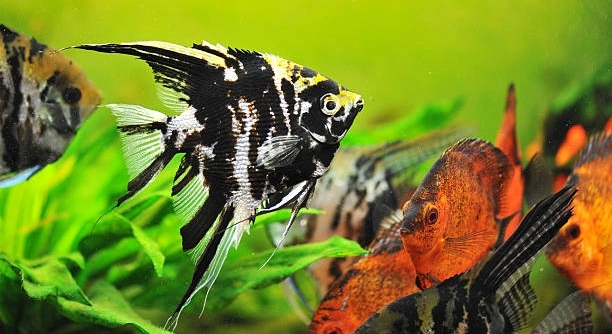
Taking care of an angelfish tank involves more than just feeding and observing. Maintaining clean, balanced water is essential for their health. Regularly checking water quality can prevent harmful conditions that may affect your fish.
Angelfish require specific water conditions to thrive. Regular water changes are necessary to maintain optimal health. If the water becomes too dirty or imbalanced, it can lead to stress, diseases, and even death for your fish.
Knowing the signs that your tank needs a water change can make all the difference. Understanding these indicators will help you keep your angelfish happy and healthy, ensuring a thriving aquatic environment for them.
Water Starts to Look Cloudy
If your angelfish tank starts to look cloudy, it’s often a sign that something is wrong with the water. Cloudiness can be caused by various factors, such as an excess of organic matter like uneaten food or fish waste. When this happens, harmful bacteria can grow, affecting the health of your fish. Cloudy water is also a result of high ammonia or nitrate levels, which could be dangerous if not addressed.
Once you notice cloudiness, it’s important to test your water for ammonia, nitrites, and nitrates. A high reading means the tank’s filtration system is struggling, and you may need to perform a water change to bring the levels down. If left unchecked, the cloudiness can turn into more severe issues like algae blooms or oxygen deprivation.
A simple water change can help restore clarity and improve the overall health of your tank. Also, be sure to remove any uneaten food or debris regularly to prevent further buildup. Regular maintenance is key to keeping your angelfish healthy in a clean environment.
Fish Are Acting Strangely
Sometimes, angelfish may begin to show odd behavior, like staying near the surface or hiding more than usual.
This can indicate poor water quality or stress. Poor water conditions often cause fish to behave differently. If you notice these behaviors, it’s time to check the water and make any necessary changes. Bad water can lead to your fish becoming lethargic or aggressive.
Fish Are Scratching or Rubbing Against Objects
If you notice your angelfish scratching against rocks, plants, or decorations, it’s usually a sign of irritation or a skin issue. This behavior can be caused by parasites or external infections, which can thrive in poor water conditions.
Scratching is a sign that your fish may have a skin problem, which can often be traced back to water quality. Parasites or bacteria can irritate their skin, causing them to rub against objects to relieve the discomfort. A water change may help reduce the risk of infection by removing harmful elements from the environment.
Regular tank maintenance is essential to preventing skin infections in your fish. You should also check your water’s temperature, pH, and hardness levels to make sure they are within the appropriate range. If your angelfish continue scratching, it might be necessary to treat them with medication or increase water changes to remove potential contaminants.
Foul Smell Coming from the Tank
A strong, unpleasant odor coming from your angelfish tank is a clear sign that it’s time for a water change. This smell often results from decaying organic matter like food, plants, or fish waste.
The build-up of decaying materials releases harmful gases such as hydrogen sulfide, which produces the foul smell. High levels of ammonia and nitrites can also contribute to the odor and indicate poor water quality. In this case, a water change is critical to remove these harmful substances. It’s also a good idea to clean the tank decorations and filter to prevent further buildup.
A foul smell is not something to ignore. It suggests that the water is no longer in a healthy state for your angelfish. Regular water changes and good tank maintenance will help keep odors at bay and ensure your fish live in a clean environment.
Elevated Ammonia or Nitrate Levels
Ammonia and nitrates are harmful to your fish. If levels are too high, your angelfish can suffer from poisoning. Testing the water regularly will help you spot these issues early. Elevated levels are often a sign of poor filtration or overfeeding.
When ammonia or nitrate levels rise, the water quality is compromised. Angelfish are sensitive to these toxins, and prolonged exposure can stress them out, making them more vulnerable to diseases. Performing a water change will help dilute these toxins, providing a safer environment for your fish. It’s important to keep an eye on these levels for their overall well-being.
Regular water changes, proper filtration, and careful feeding habits can keep these toxins at manageable levels. Without this, water quality will deteriorate, affecting your fish’s health. Make sure your filtration system is working properly to prevent the buildup of these harmful substances.
Algae Growth in Tank
Algae growth can be a sign that your tank’s water is unbalanced. Excessive algae usually results from high light exposure or too many nutrients in the water.
When algae grows uncontrollably, it can harm the overall tank environment. It competes with your angelfish for oxygen and light, disrupting the tank’s balance. A water change can help remove excess nutrients and reduce algae growth. Additionally, controlling light exposure and limiting feeding will prevent further algae issues.
Controlling algae requires consistent care and maintenance. Regular water changes, proper filtration, and maintaining appropriate light levels will help keep algae growth in check. Keeping your tank clean and balanced ensures a healthier space for your angelfish.
Water Temperature Is Too High or Low
If your tank’s water temperature is consistently too high or low, it can stress your angelfish. They require a stable temperature between 76°F and 82°F (24°C to 28°C).
Water temperature impacts your fish’s health, feeding, and metabolism. Too hot or cold water can lead to illness, stress, and a weakened immune system. Fluctuations in temperature also affect the effectiveness of your filtration system. Regularly monitoring the water temperature with a reliable thermometer ensures a stable environment for your angelfish.
Maintaining proper temperature is crucial for your fish’s well-being. If the temperature gets out of range, a water change combined with adjusting the heater can help. Keep your tank’s environment stable, and your angelfish will thrive.
FAQ
How often should I change the water in my angelfish tank?
Water changes should be done every 1-2 weeks to keep your angelfish healthy. However, the frequency may depend on the size of your tank, the number of fish, and the filtration system. In smaller tanks with more fish, water changes should be done more frequently. For larger tanks or those with strong filtration systems, you might be able to go a little longer between changes. Always test your water and check for any signs of poor water quality, like cloudy water or foul smells. If these appear, a water change is necessary.
What’s the best way to test water quality?
You can test water quality using test kits designed for aquarium use. These kits will measure key factors like ammonia, nitrites, nitrates, pH, and hardness. You can find liquid drop kits or strips that will give you an accurate reading. Testing the water regularly ensures that you stay ahead of potential issues before they become harmful. If ammonia or nitrite levels are high, it’s time for a water change. If your nitrate levels are high, a water change can help to reduce them, keeping the water safer for your fish.
Can I use tap water for my angelfish tank?
Yes, you can use tap water, but it needs to be treated first. Tap water often contains chlorine or chloramine, which are harmful to fish. Use a water conditioner to remove these chemicals before adding the water to your tank. Additionally, ensure that the tap water is at the right temperature and pH level for your angelfish. If you are unsure about the quality of your tap water, you can test it before using it in your tank. Some areas have better quality water than others, so it’s always a good idea to check first.
How do I know if my tank’s filtration system is working properly?
A properly working filtration system is key to maintaining clean water for your angelfish. You can check the flow of water in your filter and ensure it’s running smoothly. If the water flow seems weak or not as strong as usual, it may be time to clean or replace the filter media. You should also check for any debris buildup in the filter or the pump. Additionally, monitor the water quality regularly. If the water begins to cloud or there’s an increase in harmful substances like ammonia, it could indicate that the filtration system is not doing its job effectively.
Is it okay to do a large water change at once?
While it’s important to change the water regularly, changing too much water at once can stress your angelfish. Ideally, water changes should be done in smaller amounts—about 25-50% of the tank’s total volume. Changing too much water at once can disrupt the balance of the tank and shock the fish, especially if the new water is significantly different in temperature or chemistry. It’s also best to do the water change gradually over a few days if you need to lower nitrate or ammonia levels significantly.
Can I add fish immediately after a water change?
You should wait a bit before adding new fish after a water change. It’s best to ensure that the water chemistry has stabilized and the water temperature is the same as before. Adding fish immediately after a water change could cause them stress, especially if the new water differs in temperature, pH, or hardness. Allow your tank to settle for a few hours or even a day before introducing new fish. Always monitor water quality closely for the first few days after adding new fish to avoid overloading your filtration system.
Why is the water in my tank turning green?
Green water is often caused by an algae bloom, which occurs when there are excess nutrients in the tank, usually from overfeeding or too many organic materials. Excess light can also contribute to this problem. Algae use light and nutrients to grow, so a tank that is exposed to too much direct sunlight can develop a green tint. To fix this, reduce the amount of light your tank receives, limit feeding, and increase the frequency of water changes. You can also add an algae-eating fish or use a UV sterilizer to clear the water.
Should I use a heater in my angelfish tank?
Yes, angelfish thrive in warm water, and a heater is highly recommended for maintaining a stable temperature. The ideal water temperature for angelfish is between 76°F and 82°F (24°C to 28°C). Fluctuating temperatures can stress your fish and make them more susceptible to illness. A reliable aquarium heater with a thermostat will help maintain the right temperature, especially in cooler climates or if your tank is located in an area with temperature fluctuations. Make sure the heater is appropriate for the size of your tank, and check it regularly to ensure it’s functioning properly.
How can I prevent algae in my tank?
Algae growth can be controlled by managing light exposure and nutrient levels. Keep your tank in a place that doesn’t get too much direct sunlight. You should also reduce the amount of food you give to your fish, as excess food breaks down into nutrients that algae love. Perform regular water changes and clean the tank decorations and filter to keep nutrients at a low level. Adding plants to your tank can also help compete with algae for nutrients. You can also use algae-eating fish like snails or certain types of catfish to help keep algae under control.
Final Thoughts
Maintaining the right water quality in your angelfish tank is crucial for the health and well-being of your fish. Regular water changes, along with proper filtration, are the foundation of a clean, balanced environment. When you notice signs like cloudiness, strange fish behavior, or a foul smell, these are often signals that your tank’s water needs attention. Catching these issues early can prevent more serious problems down the line and ensure your angelfish stay healthy and active. Keeping a close eye on your tank’s water quality will make a big difference in the long run.
Understanding the needs of your angelfish and their environment helps you provide the best care. Ammonia, nitrates, and temperature are some of the most important factors that affect their health. Testing your water regularly for these elements can help you stay on top of things. It’s also important to adjust feeding practices and clean the tank regularly. Overfeeding and neglecting cleaning tasks can lead to poor water quality, which could harm your fish. By taking these simple steps, you can create a more stable and enjoyable home for your angelfish.
In the end, your angelfish rely on you to maintain their living space. When you notice the signs that water needs to be changed, act quickly. A little time spent checking and adjusting the tank water will go a long way in keeping your fish happy. Regular care and observation will help you spot potential problems before they become serious, ensuring that your angelfish continue to thrive for years to come. Staying proactive with water changes and monitoring will help you maintain a peaceful, healthy tank for both you and your fish.

Hello,
If you enjoy the content that we create, please consider saying a "Thank You!" by leaving a tip.
Every little bit helps us continue crafting quality advice that supports the health, happiness, and well-being of pets around the world, for pets of all shapes, sizes, and species.
We really appreciate the kindness and support that you show us!