
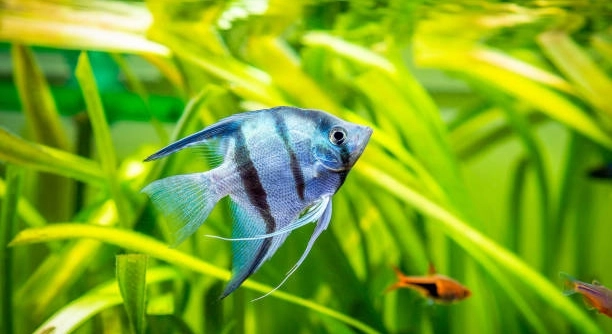
Is your angelfish tank looking a little off lately, with fish gasping near the surface or acting more sluggish than usual? These changes can sometimes mean something important is missing—like proper oxygen levels.
Angelfish tanks that lack sufficient oxygen often show clear signs such as labored breathing, surface gasping, or reduced activity. Poor water movement, overcrowding, and warm temperatures can all reduce oxygen availability and create a stressful environment for your fish.
Learning how to spot these signs early can help you adjust conditions quickly and keep your angelfish safe, healthy, and active.
Gasping at the Surface
When angelfish hover near the surface and appear to gasp for air, it’s usually a sign that oxygen levels in the water are too low. Since oxygen enters the tank primarily through surface movement, poor circulation can cause a drop in levels. This behavior might look like they’re feeding at the top, but it’s different—more frantic and repetitive. Warmer water temperatures also play a role, as they hold less oxygen than cooler water. In tanks without adequate aeration or filtration, oxygen can deplete quickly, especially overnight when plants and fish both use it. If multiple fish are showing this behavior, the issue may be urgent. Adding an air stone, increasing surface agitation, or adjusting your filter’s flow can help right away. It’s best to respond promptly when you see surface gasping to avoid further stress or health issues in your angelfish.
Surface gasping is one of the clearest early signs that your tank needs more oxygen right away.
Adding air stones, adjusting water flow, and checking your tank’s temperature are quick steps to improve oxygen and reduce fish stress.
Reduced Activity and Sluggish Behavior
When angelfish are low on oxygen, they tend to move less and may linger near the bottom or hide behind plants. You might notice a lack of interest in food or even a loss of balance. These signs can be mistaken for illness or aging, but often, it’s related to water quality—especially low oxygen levels. When there’s not enough oxygen in the tank, fish will conserve energy. Their bodies slow down, and they stop being curious or playful. Water that looks fine can still have poor circulation or dead spots where oxygen doesn’t reach. Test kits and water thermometers are helpful tools, but it’s also important to watch how your fish behave. Simple adjustments like raising the filter output, cleaning clogged intakes, or using a bubbler can make a big difference. Angelfish respond quickly when oxygen levels improve, and their energy usually comes back within hours.
Rapid Gill Movement
Fast or heavy gill movement is a physical sign that your angelfish are struggling to take in enough oxygen. Even if they aren’t gasping at the surface, this labored breathing is a clear sign of distress.
Gill movement should be smooth and rhythmic. When it becomes rapid, almost like panting, it’s often a reaction to reduced oxygen. You might also see their gills flaring more than usual. This extra effort to breathe uses up energy quickly, making your fish even more stressed. Poor water conditions, including high ammonia or nitrate levels, can worsen the problem. Increasing oxygen can bring relief, but you should also check your tank’s overall water quality. Try a partial water change and test the parameters. Boosting surface movement helps oxygen exchange and can quickly ease your fish’s breathing.
It’s easy to overlook gill movement if you’re not watching closely, but it’s one of the most consistent early indicators of low oxygen. Along with behavior, breathing patterns offer direct insight into how your angelfish are coping. If the gill movement doesn’t return to normal soon after boosting aeration, there may be other issues affecting your tank. Checking for overcrowding, debris buildup, or underperforming filters can help you get to the root of it.
Hanging Near the Filter
If your angelfish are crowding around the filter, they may be drawn to the area with the most water movement and oxygen. This behavior usually shows up when the rest of the tank lacks proper circulation.
Fish often know where the best oxygen flow is and will naturally move toward it. If the rest of your tank is still or full of dead zones, the filter might become the most appealing place. This doesn’t mean the filter is hurting them—it’s often a sign that something else is off. Consider whether the water flow is strong enough across the tank. Adding an extra bubbler or powerhead can help push oxygen into more areas. Overcrowding also lowers oxygen faster than you’d think. Start by cleaning out any debris, trimming overgrown plants, and testing the water. When oxygen levels rise, your fish will start spreading out again instead of hovering by the filter.
Staying Near the Surface
When angelfish consistently stay near the water’s surface, it often means they’re trying to access the highest oxygen levels. The surface has better gas exchange, especially if your tank has poor circulation or warm water.
This behavior is more noticeable during the night or early morning. That’s when plants stop producing oxygen and begin to use it instead, making the surface the only area with enough oxygen to breathe easily. It’s a sign the tank needs better aeration.
Loss of Appetite
Oxygen plays a key role in your angelfish’s metabolism, and when levels are too low, feeding becomes less of a priority for them. You might notice your fish ignoring food, spitting it out, or skipping meals altogether. A reduced appetite usually shows up alongside other symptoms like slow movement or surface hanging. It’s tempting to blame the food or assume they’re bored with it, but the problem is often water-related. Test your tank’s oxygen levels and check your filter system. Try small water changes and add an air stone if needed. Once oxygen improves, most fish start eating again within a day or two.
Sudden Aggression
Low oxygen can make angelfish irritable and stressed, which often leads to aggression. If your usually calm fish start chasing others or acting territorial, it might be due to poor water quality and not just personality changes.
FAQ
Why is my angelfish gasping at the surface?
Gasping at the surface is a common sign that your tank lacks sufficient oxygen. When angelfish struggle to breathe, they go to the surface where oxygen levels are higher. This can happen if the water temperature is too high, causing it to hold less oxygen, or if the water is stagnant. Poor filtration or overfeeding can also contribute to oxygen depletion. To fix this, increase water movement, add an air stone, or adjust the filter to improve oxygen exchange.
How can I tell if my angelfish are getting enough oxygen?
You can observe your angelfish’s behavior to determine if they’re getting enough oxygen. Healthy fish swim actively and have steady, slow gill movements. If they’re swimming near the surface, gasping for air, or showing reduced activity, the oxygen levels might be too low. Regular water tests and monitoring for any signs of distress can also help. Keep an eye on water temperature, filtration efficiency, and tank size to ensure an optimal oxygen environment.
Can low oxygen levels cause my angelfish to stop eating?
Yes, low oxygen levels can lead to a lack of appetite in angelfish. When oxygen is insufficient, your fish might not have the energy or motivation to feed. They may also feel stressed, which affects their desire to eat. If you notice your angelfish eating less or ignoring food altogether, check the oxygen levels and ensure your tank has proper circulation. Once oxygen levels improve, their appetite should return.
What is the best way to increase oxygen in an angelfish tank?
To increase oxygen, you can take several actions. First, make sure your filter is functioning properly and the water is circulating effectively. Consider adding an air stone to boost water movement and promote oxygen exchange. Regular water changes also help maintain water quality and oxygen levels. Additionally, if your tank is crowded, reduce the number of fish to prevent excessive oxygen consumption. Maintaining a lower water temperature can also help increase oxygen availability, as colder water holds more oxygen.
Why do my angelfish hover near the filter?
Angelfish may hover near the filter because it’s where the highest oxygen concentration is located. If the rest of the tank has low oxygen levels, your fish will instinctively move toward the filter area, where the water is more aerated. If this behavior continues, you might need to adjust the flow of water or add a supplemental aeration source, like a bubbler or powerhead, to increase oxygen throughout the tank.
Can warm water reduce oxygen levels in my angelfish tank?
Yes, warm water holds less oxygen than cooler water, which can lead to oxygen depletion in your tank. Angelfish, being tropical fish, thrive in warm temperatures, but it’s important to maintain a balance. If the water gets too warm, it may reduce oxygen availability, especially in smaller tanks or those with poor circulation. Keeping the water temperature within the recommended range (76-82°F) and ensuring proper aeration can help maintain healthy oxygen levels.
How can I tell if the filter in my tank is underperforming?
A filter that’s underperforming will often show signs like water appearing cloudy, debris accumulating on the substrate, or water flow being weaker than usual. You may also notice that the fish start behaving differently, such as hanging around the filter or showing signs of distress. Regular maintenance, such as cleaning the filter and checking the filter media, can prevent this. If the filter is too small for your tank, upgrading to a more powerful model may help maintain proper water quality and oxygen levels.
Is overcrowding a problem for oxygen in my tank?
Yes, overcrowding is a common cause of oxygen depletion in aquariums. More fish means more oxygen is consumed, and if the tank is too full, the oxygen levels can drop quickly. Overcrowding can also stress the fish, making them more susceptible to disease. To avoid this, follow recommended stocking guidelines for your tank size and ensure that the filtration system is powerful enough to handle the bioload. It’s better to have fewer fish in a well-maintained tank than to overcrowd and risk oxygen depletion.
Do plants help increase oxygen in my angelfish tank?
Live plants can help increase oxygen levels in your tank, as they produce oxygen through photosynthesis during the day. However, they consume oxygen at night, so they’re not a constant solution. In a well-planted tank, oxygen levels can fluctuate, so it’s still essential to ensure proper aeration and circulation. If you rely on plants for oxygen, be sure to balance them with other oxygen-boosting methods like water movement or an air pump.
Can oxygen levels change throughout the day in my tank?
Yes, oxygen levels can fluctuate throughout the day. During the day, plants photosynthesize and release oxygen into the water, which can raise oxygen levels. However, at night, plants stop photosynthesizing and start consuming oxygen, which can cause oxygen levels to drop. This is especially noticeable in densely planted tanks. To maintain stable oxygen levels, consider adding an air stone or improving filtration to ensure consistent oxygen exchange throughout the day and night.
How often should I check the oxygen levels in my tank?
It’s a good idea to check the oxygen levels in your tank regularly, especially if you notice any signs of distress in your fish. If you’re using a test kit, you can monitor oxygen levels monthly or when you observe unusual fish behavior. Regular maintenance of your tank’s filtration system, water changes, and temperature control will help maintain stable oxygen levels. If you have a larger tank with many fish, it’s a good practice to check more frequently to ensure the oxygen levels stay healthy.
Final Thoughts
Ensuring your angelfish have enough oxygen is essential for their overall health and well-being. Without sufficient oxygen, they can become stressed, lethargic, or even stop eating. This can lead to other health problems and make them more susceptible to diseases. If you notice any signs of oxygen deficiency, such as gasping at the surface or unusual swimming behavior, it’s important to take action immediately. By making small adjustments like improving water circulation, adding an air stone, or performing regular water changes, you can maintain a healthier environment for your angelfish.
A well-maintained tank with proper filtration, water movement, and the right temperature will help ensure that your angelfish are getting the oxygen they need. Monitoring the fish’s behavior regularly is one of the easiest ways to spot potential issues before they become serious problems. Don’t hesitate to check water parameters and make changes if necessary. Ensuring good water quality is one of the best ways to prevent oxygen-related issues and keep your fish active and healthy. This also means addressing other factors, like stocking levels, which can play a role in oxygen depletion.
While it might take some time to find the right balance of oxygen in your tank, the effort is well worth it. Healthy, well-oxygenated water promotes active fish and vibrant colors, and it helps your angelfish thrive. Remember that fish behavior is a useful indicator of water quality. By learning how to identify the signs that your tank needs more oxygen, you can keep your angelfish comfortable and thriving for years to come.

Hello,
If you enjoy the content that we create, please consider saying a "Thank You!" by leaving a tip.
Every little bit helps us continue crafting quality advice that supports the health, happiness, and well-being of pets around the world, for pets of all shapes, sizes, and species.
We really appreciate the kindness and support that you show us!