
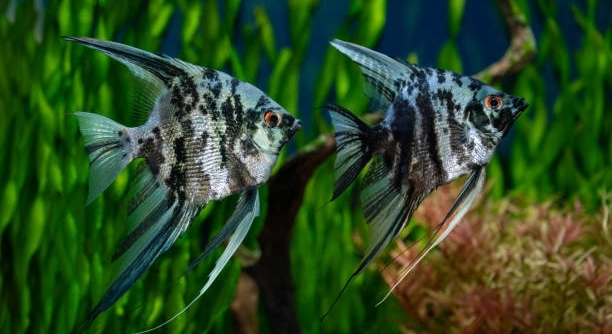
Maintaining a healthy aquarium requires more than just feeding your fish. The water quality, temperature, and aeration all play a key role in ensuring your angelfish thrive. If something seems off, it could be time to reassess.
Aeration is crucial for the health of your angelfish, as it ensures the water is well-oxygenated. Inadequate aeration leads to poor water circulation, which can affect the oxygen levels and cause stress or illness in your fish.
Addressing aeration issues will improve your angelfish’s environment, promoting a healthier tank overall.
Signs Your Angelfish Tank Needs More Aeration
When it comes to angelfish care, aeration is often overlooked. But without proper water circulation, the oxygen levels in the tank may drop, affecting the overall health of your fish. If you notice your fish swimming near the surface or acting lethargic, it’s a clear sign that oxygen may be insufficient. Angelfish, like all aquatic life, rely on consistent oxygenation for survival. Ensuring that your tank has the proper aeration system in place will create a healthier, more comfortable environment for your fish.
Lack of oxygen can cause various issues for your angelfish, including slower growth, less activity, and even health problems. The key to preventing these issues is monitoring your tank’s aeration regularly.
You should also check your filtration system, as a malfunctioning filter can contribute to poor water flow and aeration. If the filter is working properly but the tank still lacks circulation, consider adding an air pump or an air stone. These tools will improve oxygen distribution throughout the tank, promoting better overall health for your fish.
Why Tank Size Matters
The size of your tank can directly impact the amount of aeration needed. Larger tanks tend to have more surface area for oxygen exchange, which means they may not need as much aeration as smaller tanks. However, smaller tanks require more attention when it comes to oxygen levels.
If your tank is too small, the water may not circulate properly, leading to stagnant areas where oxygen doesn’t reach. This is especially problematic in tanks with multiple fish. In such cases, adding a bubbler or increasing filtration speed can help achieve the necessary aeration.
For a small tank, keeping an eye on water changes and filtration is crucial. Maintaining a regular schedule for water changes ensures that oxygen levels are replenished, even if your aeration system isn’t as robust. Regular monitoring and proactive care will keep your fish happy and healthy in a smaller space.
The Role of Water Temperature
Water temperature directly impacts the effectiveness of your aeration system. Warm water holds less oxygen than cold water, so if your tank’s temperature is too high, the oxygen content will be lower. This can stress your angelfish, causing them to swim near the surface in search of more oxygen.
To maintain proper oxygen levels, it’s essential to monitor your tank’s temperature regularly. If the water is too warm, consider adjusting the heater or increasing aeration. This will help your fish by keeping their environment within a healthy range. A stable, cool temperature is key to promoting optimal oxygen absorption.
If your tank’s temperature fluctuates frequently, it could affect the health of both the fish and the plants. Maintaining a consistent temperature not only helps with aeration but also promotes a stable environment for all aquarium inhabitants. Use a reliable thermometer and adjust your setup as necessary to avoid temperature swings.
How Fish Behavior Can Indicate Aeration Needs
Your angelfish will show clear signs if they are not getting enough oxygen. They might start swimming near the surface or exhibit slower movement than usual. These behaviors are often linked to poor water circulation, which prevents proper oxygen distribution throughout the tank.
Observe your angelfish closely during feeding time. If they swim lazily or avoid swimming entirely, this may indicate a lack of oxygen in the tank. Fish that are deprived of oxygen often struggle with basic activities, such as swimming or eating, and can eventually become stressed or sick.
If you notice these signs, it’s time to act. Adding more aeration or improving water flow with a better filter can quickly resolve the problem, ensuring your fish get the oxygen they need.
Impact of Aquarium Size
The size of your tank plays a significant role in aeration. Larger tanks require more aeration equipment to maintain proper oxygen levels. If the surface area is too small or the tank is overcrowded, oxygen exchange will be limited, affecting the health of your fish.
In larger tanks, the increased volume of water can dilute the oxygen levels, especially if water flow isn’t optimized. It’s important to consider both the size of the tank and the number of fish when evaluating your aeration needs. A larger filter or air pump may be necessary for better circulation.
Adjusting Water Flow
Water flow in your tank influences how well oxygen circulates throughout the aquarium. Strong water movement helps oxygen get distributed evenly, whereas stagnant areas can cause oxygen shortages. A properly placed filter or aerator can enhance circulation and improve water quality.
To ensure your tank remains well-oxygenated, adjust the water flow to create gentle but consistent movement. This prevents stagnation while allowing oxygen to reach all areas of the tank. Aim for a setup that maintains the right balance between calm zones and areas of movement for your angelfish.
Adding More Aeration Equipment
If your tank’s aeration system is not sufficient, consider adding more equipment. Extra air pumps, air stones, or stronger filters can increase the oxygen supply and improve overall tank health. This can be especially helpful if the tank is overcrowded or has high bioload.
Adding equipment doesn’t just benefit the fish; it helps maintain water quality, which is essential for long-term success. A stronger pump can help ensure that oxygen reaches the deepest parts of the tank while also circulating water more effectively.
FAQ
What is the best way to improve aeration in my angelfish tank?
To improve aeration, ensure your filter is powerful enough for the size of your tank. Adding an air stone or air pump will increase water movement, helping oxygen circulate more effectively. Position the air stone near the surface for optimal oxygen exchange. Regularly check and clean your equipment to maintain its performance.
How can I tell if my angelfish tank is properly aerated?
You can tell by observing the fish’s behavior. Healthy angelfish will swim actively and remain spread out in the tank. If they’re hovering at the surface, swimming slowly, or gasping for air, it could indicate poor aeration. Also, murky or still water can signal low oxygen levels.
Can aeration equipment damage my angelfish?
When set up properly, aeration equipment won’t harm your angelfish. However, if the water flow is too strong, it might stress them. Make sure the air pump or filter isn’t causing turbulent waters that are too harsh for your fish. Position equipment in areas that provide gentle movement.
How often should I check my tank’s aeration system?
You should check your aeration system regularly, ideally once a week. Ensure the air pump, air stones, and filters are clean and functioning properly. Clean them to avoid blockages that can reduce their efficiency. Maintaining equipment will ensure proper oxygen circulation, keeping your angelfish healthy.
Does aeration affect the tank’s temperature?
Aeration can have a slight impact on temperature. For instance, air pumps may slightly raise the water temperature by introducing air, but the effect is usually minimal. It’s important to balance aeration with a stable water temperature for the health of your fish. Ensure your heater is functioning properly.
Can adding too much aeration harm my angelfish?
Yes, too much aeration can stress your angelfish, especially if the water flow is too strong. Angelfish prefer calm, gentle water movement. If the aeration is too intense, it may cause them to become agitated or even damage their fins. Ensure the aeration level is appropriate for their needs.
Why is my angelfish tank producing excess algae growth?
Excess algae growth can be a sign of poor water circulation. When oxygen levels drop, it creates an ideal environment for algae to thrive. Improve aeration to ensure better water movement and oxygen distribution, helping prevent algae buildup. Regular water changes also help keep algae under control.
How do I know if my air stone is working properly?
To check if your air stone is functioning, observe the bubbles. A steady stream of fine bubbles indicates proper operation. If the bubbles are inconsistent or non-existent, the air stone may be clogged or malfunctioning. Clean or replace it if necessary to maintain effective aeration.
What happens if I don’t improve aeration in my tank?
If aeration is inadequate, your angelfish will struggle to get enough oxygen, leading to stress and poor health. Oxygen-deprived water can cause fish to behave lethargically, lose their appetite, or even die. It can also lead to poor water quality, affecting all inhabitants of the tank.
How can I prevent aeration issues in the future?
To prevent future aeration issues, regularly clean your filter, air stones, and pumps. Ensure you have the right size equipment for your tank and check for any signs of clogging or malfunction. Monitor your fish’s behavior to catch any early signs of oxygen deprivation.
Final Thoughts
Proper aeration is a key factor in maintaining a healthy tank for your angelfish. Without adequate oxygen levels, your fish will struggle to thrive, leading to health problems or even death. Regularly check your equipment to ensure it’s working effectively. Clean air stones, filters, and pumps to keep the water moving and oxygen circulating. Additionally, assess the size of your tank and the number of fish it houses, as this will help determine the level of aeration needed. A well-oxygenated environment supports your fish’s growth, behavior, and overall health.
Maintaining the right balance of water temperature and flow is essential for effective aeration. If the temperature is too high or water movement is too intense, it may stress your fish. Pay attention to their behavior, as they can give clear signs when something is wrong. Fish swimming near the surface or gasping for air are indicators that the oxygen levels are insufficient. Be proactive and make adjustments as needed, either by adding equipment or adjusting settings. Small changes, such as repositioning the filter or adding another air stone, can have a noticeable impact.
Regular maintenance and monitoring are the keys to long-term success in keeping your angelfish healthy. Aeration doesn’t just benefit your fish; it impacts the entire ecosystem in your tank. Plants, beneficial bacteria, and even other tank inhabitants depend on adequate oxygen levels to thrive. By staying on top of aeration, you’re ensuring a balanced and thriving environment for everyone in the tank. Keep in mind that the health of your angelfish is directly tied to the oxygen levels in their environment, so it’s worth making aeration a priority.

Hello,
If you enjoy the content that we create, please consider saying a "Thank You!" by leaving a tip.
Every little bit helps us continue crafting quality advice that supports the health, happiness, and well-being of pets around the world, for pets of all shapes, sizes, and species.
We really appreciate the kindness and support that you show us!