
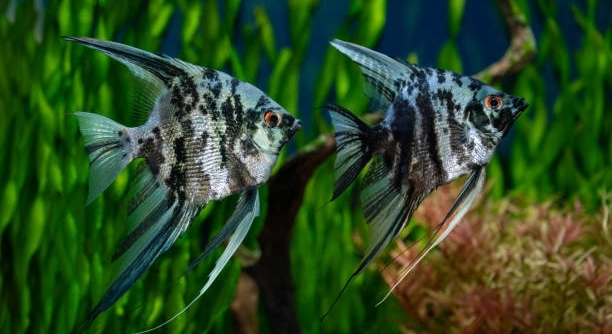
Angelfish are beautiful creatures, and many aquarists love keeping them in their tanks. However, maintaining a healthy environment for them goes beyond just feeding and cleaning. A key factor in their well-being is having the right filtration system.
If your angelfish tank is experiencing water quality issues, it might be time for a bigger filter. A larger filter will improve water flow and remove waste more efficiently, creating a cleaner, healthier environment for your fish.
Understanding the signs of an inadequate filter can make a big difference. Keeping your angelfish healthy requires more than just observation, and upgrading your filter could be the solution you need.
Low Water Flow in Your Tank
A common sign that your filter might be too small is low water flow. If the water doesn’t move around the tank as it should, it can lead to stagnant areas where waste and debris accumulate. This can cause problems for your angelfish, such as poor water quality, which may lead to stress and health issues. Angelfish thrive in clean water with good circulation, and without proper filtration, the tank could quickly become unhealthy. It’s essential to keep an eye on the movement of the water to ensure that it’s flowing properly, and your filter is doing its job.
A larger filter improves water circulation and helps prevent stagnant areas. This also ensures that the water is filtered more efficiently, keeping your tank cleaner and healthier.
If the water flow feels weak or uneven, it’s a clear sign your filter is not doing its job. Upgrading to a more powerful filter will help eliminate dead spots where waste builds up, reducing the risk of toxins accumulating in the water. Proper water movement ensures that oxygen is evenly distributed throughout the tank, which is vital for your fish’s health. When the filter is too small, the tank environment becomes less stable. Consistent water flow also makes it easier to maintain water quality over time.
Increased Fish Stress
When the water quality suffers, your angelfish can become stressed. They might start swimming erratically, hide more often, or even develop signs of illness. Stress often occurs when fish are exposed to poor water conditions, and the filter plays a large role in preventing this. Without proper filtration, the buildup of ammonia and nitrites can occur, leading to toxic water that negatively impacts your fish. A stressed angelfish may not eat properly and can become more vulnerable to diseases.
Having a filter that can handle the needs of your tank is essential to reducing stress levels in your fish. A larger filter ensures that harmful chemicals are removed quickly, keeping your angelfish more relaxed and healthy.
Stress is one of the biggest contributors to fish health problems. When your tank is not properly filtered, toxins build up and can affect your fish’s behavior and overall well-being. Angelfish, in particular, are sensitive to poor water conditions. They rely on stable water parameters to thrive. If your filter can’t keep up with the waste produced by your fish, you’ll likely see signs of stress. Fish may become more aggressive, hide more often, or exhibit unusual behavior. A larger filter can prevent this by maintaining better water quality. It also helps reduce the number of water changes needed to keep the tank clean, saving you time and effort while keeping your angelfish comfortable.
Poor Water Quality and Cloudy Water
Cloudy water is another red flag that your filter may be underpowered for your angelfish tank. When you notice your tank looking murky, it’s often a sign that there is excess waste or bacteria growth. A small filter may not be able to keep up with the bio-load, leading to a buildup of organic matter in the tank. Cloudy water makes it difficult for your fish to navigate and can even cause respiratory issues. It’s essential to keep the water clean and clear to ensure a healthy environment for your fish to thrive in.
A better filter will clear the water and remove harmful particles effectively, ensuring that your tank stays pristine.
If you see your tank becoming cloudy, it’s time to take action. Cloudy water is caused by suspended particles, waste, and bacteria that haven’t been filtered out. Inadequate filtration means these substances stay in the water, affecting its clarity and overall quality. Over time, this can lead to unhealthy conditions for your angelfish. It can also make your tank look unattractive. A larger filter will work more efficiently, removing these particles and keeping the water clear. Not only does this improve the look of your tank, but it also benefits your fish’s health by preventing the spread of harmful bacteria. Additionally, clear water allows your angelfish to move more freely and feel secure. A tank with poor water quality is a recipe for disaster, and upgrading your filter is a simple step to ensure that your aquarium stays clean and welcoming for your fish.
Inconsistent Nitrite and Ammonia Levels
Nitrite and ammonia spikes in the tank are a serious issue for fish health. A properly functioning filter helps break down toxic substances like ammonia into less harmful compounds. If your filter isn’t up to the task, these toxins can build up quickly and harm your angelfish. Angelfish are particularly sensitive to changes in water chemistry, so any spike in these harmful substances could lead to illness or even death. A larger filter will help keep ammonia and nitrite levels in check, ensuring your angelfish remain healthy.
With a bigger filter, toxins like ammonia and nitrites are removed more effectively, which helps maintain stable water conditions.
Ammonia and nitrite levels can fluctuate quickly in an aquarium, especially if the filter can’t handle the waste from your fish. Small filters may not have the capacity to break down these substances efficiently, causing dangerous spikes in the water. If you notice these spikes, it’s critical to address the issue before it worsens. Upgrading your filter ensures that harmful chemicals like ammonia are processed and eliminated before they can build up. This leads to better water stability, and your angelfish will be much less likely to suffer from toxic exposure. The removal of these chemicals also reduces the need for frequent water changes, making tank maintenance easier. By keeping the water free from ammonia and nitrites, you’ll create a much healthier environment for your fish. A good filtration system is key to a stable tank and long-term angelfish care.
Excessive Maintenance and Frequent Water Changes
If you find yourself performing water changes more often than usual, it’s a sign that your filter isn’t keeping up with waste removal. Small filters can’t handle large fish loads, leading to more frequent cleanings and higher maintenance. This takes up time and energy, and it’s a sign that something needs to change.
A more powerful filter can reduce the need for constant water changes. With better filtration, harmful toxins are removed before they can build up, keeping the water cleaner for longer. This makes maintenance easier and allows your angelfish to live in a healthier environment.
Frequent water changes are also stressful for your fish, especially if you’re adjusting water parameters too often. Constant shifting in water conditions can harm your angelfish and increase stress levels. By upgrading your filter, you reduce the frequency of water changes, helping maintain a more stable environment for your fish. Stable water quality is crucial for their well-being, and using a filter that matches the size of your tank makes all the difference. With better filtration, your tank will be much easier to care for.
Fish Growth and Tank Size
As your angelfish grow, they will produce more waste. If your filter was sufficient when you first set up the tank, it may no longer be adequate as the fish get larger. A small filter that worked for smaller fish can struggle to handle the increased load as your angelfish grow. This can lead to poor water quality and unhealthy living conditions.
Larger fish need more powerful filtration systems. As they grow, they require more space and better water quality. A larger filter can handle the increased waste and help maintain a cleaner environment. If you notice your fish growing rapidly, it’s a sign that you should upgrade your filter.
Fish growth puts more strain on your filter, especially in a smaller tank. If the filter is not keeping up, you may notice the water quality deteriorating even with regular maintenance. This can lead to a higher risk of health problems for your fish. In addition to upgrading the filter, consider also increasing tank size if the current setup can’t accommodate the growing fish. A larger tank paired with a bigger filter will provide your angelfish with the room and water quality they need to thrive.
Overcrowded Tank
An overcrowded tank can quickly overwhelm a small filter. As you add more fish, the filter’s capacity to remove waste becomes strained. This results in deteriorating water quality and creates an unhealthy environment for your angelfish. More fish produce more waste, and your current filter may not be up to the task.
With a bigger filter, it’s easier to handle the increased bio-load caused by more fish. The larger filter will provide better waste removal, helping maintain cleaner water even in a crowded tank. This creates a safer, more comfortable environment for all your fish.
When adding fish to your tank, be mindful of the filter’s capacity. A filter that can’t keep up will lead to poor water quality, which may cause stress and health problems for your angelfish. Regularly monitor water conditions, and if you notice changes in fish behavior, it might be time to upgrade your filter. A larger filter can ensure that your fish remain happy and healthy, no matter how many you have.
Ineffective Mechanical Filtration
If your filter isn’t removing visible debris like uneaten food or fish waste, it’s a sign that the mechanical filtration isn’t working as it should. A small filter may not have the power to trap debris efficiently, leading to dirty water. Over time, this can cause your tank to look murky and can affect water quality.
An upgrade to a larger filter will significantly improve mechanical filtration. This will help remove waste more effectively, keeping the water clean and clear. Larger filters can trap more debris, reducing the amount of visible waste and ensuring better water quality for your angelfish.
Filter Maintenance and Reliability
Filters that require frequent maintenance or have an unreliable flow can create extra stress. If you’re constantly adjusting or cleaning your filter, it’s a sign that it isn’t suited for your tank. Frequent issues can disrupt the tank environment and make it harder to maintain consistent water quality.
Upgrading to a more reliable, higher-capacity filter reduces the frequency of maintenance. A more powerful filter will handle waste removal more efficiently and with less hassle. The improved reliability means fewer disruptions to the tank’s environment, keeping your angelfish healthy with less effort on your part.
FAQ
How do I know if my filter is too small for my angelfish tank?
If your filter is too small, you’ll notice several signs. The water flow may be weak or inconsistent, and the water quality might drop even with regular maintenance. Cloudy water, elevated ammonia or nitrite levels, and the need for frequent water changes are all indicators that the filter can’t keep up with the waste in the tank. Additionally, if your angelfish are showing signs of stress or illness, it could be due to poor water quality, which a bigger filter could help improve.
Can a filter be too powerful for an angelfish tank?
Yes, it’s possible for a filter to be too powerful. If the water flow is too strong, it can cause stress to your angelfish, who prefer calmer waters. You might see them struggling to swim or getting blown around the tank. The key is to choose a filter with adjustable flow settings, so you can find the right balance for your fish. A filter with a high flow rate but adjustable features can still provide excellent filtration without stressing out your angelfish.
How often should I clean my filter?
It depends on the size of the tank and the filter’s capacity. A larger filter may require less frequent cleaning, while a smaller filter may need cleaning every few weeks. As a general rule, clean your filter every 4-6 weeks to ensure it continues working efficiently. If your tank is heavily stocked or has high waste production, you may need to clean it more often. Always check the manufacturer’s recommendations for your specific filter, and avoid overcleaning, as some beneficial bacteria are part of the filtration system.
Can I use a filter from another tank for my angelfish tank?
You can transfer a filter from another tank, but it’s important to ensure it’s suitable for your angelfish tank. The filter must be able to handle the size of the tank and the number of fish in it. Additionally, the biological filtration might be disrupted if the filter has been cleaned recently. If you’re using the filter from an established tank, make sure it has enough beneficial bacteria to support the new tank’s ecosystem. It’s often better to introduce a filter gradually and monitor the water quality closely to avoid any sudden spikes in toxins.
What size filter should I choose for my angelfish tank?
The size of the filter depends on the tank’s volume. For a tank with angelfish, choose a filter that can handle at least 4 times the volume of the tank per hour. For example, if you have a 30-gallon tank, you should aim for a filter rated for at least 120 gallons per hour. Choosing a filter with adjustable flow rates will help you fine-tune the filtration process to match your tank’s needs. If in doubt, always go slightly over the recommended filter capacity to ensure sufficient filtration.
How long does it take for a filter to clear up cloudy water?
Clearing up cloudy water can take anywhere from a few hours to a couple of days, depending on the cause of the cloudiness. If the filter is the issue, upgrading to a more powerful one or improving the filtration system can help clear the water more efficiently. If the cloudiness is due to an excess of debris, it may take a bit longer. In cases where bacterial blooms are the cause, a proper filtration system along with water changes may be needed to address the problem. Make sure to monitor water parameters to ensure they return to safe levels.
How do I improve my angelfish tank’s water quality without changing the filter?
There are a few ways to improve water quality without changing the filter. First, reduce overfeeding to minimize waste in the tank. Regular water changes are key to maintaining clean water, so make sure you change about 20-30% of the water weekly. Adding live plants to your tank can also help, as they naturally absorb nutrients and improve water quality. Lastly, consider using water conditioners to remove harmful chemicals like chlorine or chloramine, especially if you’re using tap water for your tank.
Should I use a sponge filter for my angelfish tank?
Sponge filters are a good option for small tanks or tanks with delicate fish, such as angelfish. They provide gentle filtration, which is important for angelfish, who can be stressed by strong currents. Sponge filters are also excellent for providing biological filtration and are easy to maintain. However, for larger tanks or heavily stocked tanks, a sponge filter alone may not be sufficient. Combining a sponge filter with another type of filter, like a hang-on-back filter or canister filter, can provide a balanced filtration system for your tank.
What happens if I don’t upgrade my filter in time?
If you don’t upgrade your filter when necessary, your tank’s water quality will suffer. This can lead to dangerous levels of ammonia, nitrites, and nitrates, which are toxic to your angelfish. Over time, poor water quality can cause stress, weaken the immune system of your fish, and increase the likelihood of disease outbreaks. The longer you wait, the harder it may be to restore healthy water conditions. Early intervention with a proper filter upgrade can help prevent these issues and keep your fish healthy and happy.
Can a filter improve oxygen levels in my angelfish tank?
Yes, a filter can improve oxygen levels in your tank by promoting water movement. Good water circulation ensures that oxygen is evenly distributed throughout the tank, which is vital for the health of your angelfish. If your filter is too small or inadequate, oxygen levels may drop, especially in larger tanks or tanks with higher fish loads. A larger filter, with sufficient water movement, will help keep oxygen levels balanced and ensure your fish receive enough air for optimal health.
Final Thoughts
Choosing the right filter for your angelfish tank is crucial for maintaining a healthy and stable environment. Filters play a key role in removing waste, improving water flow, and ensuring the overall quality of the tank water. Without proper filtration, water quality can quickly deteriorate, leading to stress, illness, and even death for your fish. Over time, as your tank changes, so should your filtration system. Whether it’s due to a growing fish population, increased waste, or simply the limitations of an existing filter, knowing when to upgrade is essential to keeping your angelfish happy and healthy.
One of the most important things to remember is that a bigger filter doesn’t always mean a better filter. It’s essential to choose one that matches the size of your tank, the number of fish, and your specific needs. While more powerful filters can handle larger amounts of waste, you also want to ensure that the flow rate doesn’t stress your angelfish. Too much current can make them feel unsafe or exhausted. The best filter for your tank is one that offers efficient filtration without disrupting the delicate balance of your fish’s environment. Always consider adjustable flow options for flexibility.
Ultimately, investing in a proper filtration system will save you time and effort in the long run. Cleaner water reduces the need for frequent water changes and helps prevent problems related to poor water quality. It also lowers the chances of dealing with diseases or stressed-out fish. With a little planning and careful monitoring, upgrading your filter can make all the difference in the health and well-being of your angelfish. Keeping your aquarium clean and stable not only benefits your fish but also creates a beautiful, low-maintenance environment for you to enjoy.

Hello,
If you enjoy the content that we create, please consider saying a "Thank You!" by leaving a tip.
Every little bit helps us continue crafting quality advice that supports the health, happiness, and well-being of pets around the world, for pets of all shapes, sizes, and species.
We really appreciate the kindness and support that you show us!