
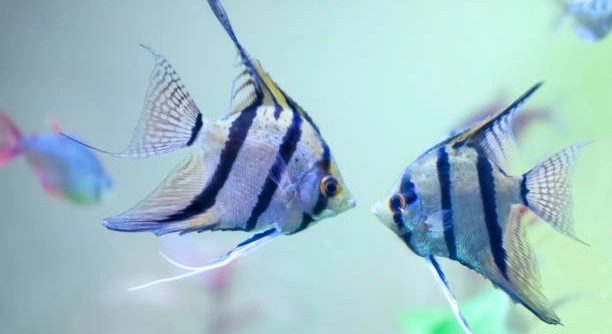
Maintaining the right pH balance in your angelfish tank is crucial for their well-being. Minor changes in water chemistry can affect their health, behavior, and overall environment. Understanding the signs of pH problems is essential.
When the pH level in an angelfish tank is too high or low, it can lead to stress and health issues for the fish. Common signs include changes in behavior, irregular swimming patterns, and visible signs of distress, such as faded color or erratic movements.
Recognizing these signs early can help prevent more serious issues. Understanding how pH levels affect your angelfish will ensure they thrive in a balanced, healthy environment.
Signs of pH Imbalance in Your Angelfish Tank
When the pH levels in your angelfish tank are off, it can cause your fish to act strangely. One sign is a decrease in activity. If your angelfish are swimming less or hanging near the surface, it could indicate an issue with the water’s pH. They may seem lethargic or avoid their usual spots, which could be a sign of stress from the wrong pH level.
In more extreme cases, a drop in pH can cause your angelfish to lose their vibrant colors. If you notice faded colors or an overall dull appearance, the pH might be too low. Angelfish thrive in slightly acidic water, so significant changes could disrupt their normal coloring and behavior. This issue can worsen over time, leading to more severe health problems if left untreated.
Water changes are the most effective way to manage pH levels in your tank. Regular water tests help you track any shifts, allowing you to address changes before they cause harm to your angelfish. Keeping the tank clean and ensuring the water chemistry stays balanced is key to maintaining a healthy environment.
Impact of Stress on Angelfish Behavior
Stress in angelfish can lead to unusual behavior patterns. If the pH imbalance continues, your fish may stop eating or show signs of aggression toward tank mates.
To prevent long-term damage, it’s essential to monitor and adjust the water’s pH level as needed. Adding buffers to maintain a stable pH or switching to an appropriate water conditioner can help restore balance.
Changes in Swimming Patterns
When the pH is off, your angelfish may start swimming erratically. They might swim upside down or in circles, which can be a sign of discomfort. Their movements may seem uncoordinated, or they might avoid swimming altogether.
This behavior happens because the fish are trying to escape an environment that feels unsafe to them. The wrong pH level can interfere with their internal balance, leading to confusion and stress. It’s essential to check the water’s pH regularly to avoid these issues. If the problem persists, water changes or adjustments in water conditions can help improve their behavior.
If the swimming issues continue, consider separating the affected fish from others until the water parameters are balanced. This will help reduce additional stress and allow for a more stable recovery. Make sure to monitor the fish closely during this period.
pH and Angelfish Health Issues
An imbalanced pH can lead to weakened immune systems in angelfish. Low or high pH levels can make them more susceptible to infections, parasites, and diseases. When their immune system is compromised, they may show signs of external or internal health problems.
To prevent these health issues, it’s important to maintain stable water parameters. If the pH is too high or low, it can lead to conditions where harmful microorganisms can thrive. The stress from poor water conditions further weakens their defenses. A consistent water change schedule and maintaining the right pH level will help prevent these issues from developing.
Faded Colors and Lack of Vibrancy
One noticeable sign of pH problems is when your angelfish lose their vibrant colors. When the water’s pH is too low or too high, it can lead to faded, dull skin. Angelfish are sensitive to water changes, and their color reflects their stress level.
If you notice this change, it’s important to test the water and adjust the pH levels accordingly. Without proper intervention, the fish may continue to show signs of stress, and their health could deteriorate. Maintaining consistent water conditions will help them regain their natural coloring over time.
Erratic Breeding Behavior
Angelfish rely on stable water conditions to breed successfully. An imbalanced pH can disrupt their breeding habits, causing them to lay eggs in odd locations or fail to spawn altogether. This can be a result of the fish not feeling comfortable in their environment.
Breeding problems often indicate a deeper issue with the water’s chemistry. To encourage natural spawning behavior, regularly test and adjust the pH to keep it within the optimal range. Monitoring these changes will help keep your angelfish healthy and encourage normal reproductive cycles.
FAQ
Can I use tap water for my angelfish tank?
Tap water can be used, but it’s essential to test it first. Many tap water sources contain chlorine, chloramine, or high levels of minerals that can affect pH and overall water quality. If you must use tap water, consider treating it with a water conditioner to remove harmful chemicals and make it safer for your angelfish.
What happens if I don’t maintain the proper pH for my angelfish?
If the pH is not maintained properly, your angelfish may experience stress, health issues, and even death. Prolonged exposure to unsuitable pH levels weakens their immune systems, making them more susceptible to diseases and causing behavioral issues. Consistent water testing and adjustments are necessary for a stable environment.
How does a high pH affect my angelfish?
A high pH can lead to stress, decreased appetite, and difficulty in absorbing nutrients. It may also cause irritation to their skin and gills, leading to respiratory problems. To remedy this, you should lower the pH gradually using safe methods, like adding peat moss or driftwood.
How does a low pH affect my angelfish?
Low pH can cause your angelfish to become lethargic and lose their natural color. Their immune system weakens, and they are more likely to develop infections. Additionally, a low pH can affect their ability to breed. If the pH is too low, it’s essential to adjust it quickly to avoid long-term health consequences.
How do I know if my angelfish are stressed from pH problems?
Angelfish may exhibit signs of stress such as erratic swimming, hiding, or loss of appetite. They may also develop a dull color or show signs of injury. If you notice any of these behaviors, it’s important to test the water immediately to check the pH and other parameters.
Can I use chemicals to adjust the pH in my angelfish tank?
Yes, there are chemicals available that can help adjust pH levels. However, it’s important to use them carefully. Quick adjustments can shock your fish. It’s better to make small changes over time and to monitor the pH regularly. Always follow the product’s instructions when using pH adjusters.
What other water parameters should I monitor along with pH?
Along with pH, monitor ammonia, nitrite, nitrate, and water hardness. These parameters are essential for maintaining a healthy environment for your angelfish. High levels of ammonia or nitrite can be toxic, while nitrate levels should be kept low to prevent stress on your fish. Regular water testing ensures a stable habitat.
How often should I change the water in my angelfish tank?
Water changes are crucial for maintaining a healthy environment. A 25-30% water change every 1-2 weeks is typically sufficient for angelfish. If you notice a sudden decline in fish health or an increase in waste buildup, you may need to change the water more frequently to address the issue.
Can pH problems lead to disease in my angelfish?
Yes, pH imbalances can lead to weakened immune systems, making your angelfish more susceptible to diseases. If the pH is too high or too low, it stresses the fish, impairing their ability to fight off infections. Regularly checking the pH and making adjustments is key to preventing these issues.
Should I quarantine my angelfish if they are stressed due to pH issues?
Yes, quarantining stressed angelfish can help them recover in a more controlled environment. A separate tank with stable water conditions allows you to treat the affected fish without stressing the rest of the tank. Monitor their recovery and make any necessary water changes to ensure a successful recovery.
Can pH problems cause angelfish to become aggressive?
Yes, pH imbalances can cause stress, leading to more aggressive behavior. When angelfish feel uncomfortable or threatened by their environment, they may become territorial and exhibit aggression toward other fish. Adjusting the pH to a stable level can help reduce this behavior and improve overall tank harmony.
Are certain tank decorations or substrates better for maintaining pH stability?
Yes, certain decorations and substrates can help maintain a more stable pH. For instance, adding driftwood or Indian almond leaves can naturally lower pH, while crushed coral or aragonite sand can help buffer the water, preventing drastic pH drops. Be sure to choose items that suit your desired pH range.
What should I do if the pH fluctuates frequently in my angelfish tank?
Frequent pH fluctuations often point to an underlying issue with the water chemistry, such as poor filtration or improper substrate. Ensure your filtration system is working correctly and avoid overfeeding. Additionally, consider using a pH buffer to help maintain stability and test the water regularly to catch any changes early.
Can water temperature affect pH levels in my angelfish tank?
Yes, temperature can affect pH. As water temperature increases, the pH may decrease, making it more acidic. Conversely, cooler temperatures can increase pH, making the water more alkaline. It’s important to keep both temperature and pH stable to maintain a healthy environment for your angelfish.
Can I use a pH stabilizer for my angelfish tank?
Yes, a pH stabilizer can be helpful for maintaining a consistent pH level. These products help buffer the water and reduce the chances of sudden pH changes. However, it’s still important to regularly test the water and avoid relying solely on stabilizers. Regular water changes are crucial for long-term tank health.
What is the relationship between water hardness and pH in angelfish tanks?
Water hardness and pH are closely linked. In general, harder water tends to have a higher pH, while softer water can be more acidic. If your angelfish tank has hard water, the pH is likely to be higher, and you may need to adjust it accordingly. Always test both hardness and pH for accurate water quality management.
Final Thoughts
Maintaining the right pH level in your angelfish tank is essential for their health and well-being. Fluctuations in pH can lead to stress, weakened immune systems, and even disease. It is crucial to monitor water quality regularly, as the balance of pH, along with other water parameters, plays a significant role in the overall environment. A stable and consistent pH range ensures that your angelfish thrive and remain active. If you notice any signs of stress or illness in your fish, it’s essential to check the pH immediately and take corrective actions.
When adjusting the pH, always do so gradually. Rapid changes can shock your fish and lead to further stress or injury. It’s better to make small adjustments over time, allowing the fish to adapt. Using natural methods, such as driftwood or peat moss, is a gentler way to lower pH without causing harm. Additionally, avoid overusing chemical pH adjusters, as they can create an unstable environment if used incorrectly. The key is to focus on consistency rather than drastic changes to create a more predictable habitat for your fish.
Regular water changes are also a vital part of tank maintenance. They help remove excess nutrients, toxins, and waste, which can affect the pH and overall water quality. If you consistently monitor water parameters and keep the tank clean, you’ll help create a healthy and comfortable home for your angelfish. Remember that keeping your fish’s environment stable is essential for long-term health and happiness. By understanding the factors that affect pH and taking steps to keep it in check, you will create the best possible conditions for your angelfish to thrive.

Hello,
If you enjoy the content that we create, please consider saying a "Thank You!" by leaving a tip.
Every little bit helps us continue crafting quality advice that supports the health, happiness, and well-being of pets around the world, for pets of all shapes, sizes, and species.
We really appreciate the kindness and support that you show us!