
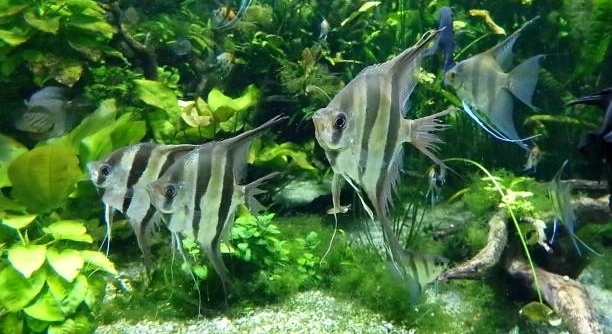
Is your angelfish acting strangely or hiding more than usual when their tank mate swims by? It might be time to consider a change. Some fish just aren’t the right fit for each other long-term.
Signs like persistent aggression, territorial behavior, fin nipping, or constant stress indicate that your angelfish may not be compatible with their current tank mate. Observing these patterns helps ensure a safer and more harmonious aquarium environment for all inhabitants.
Understanding these signs can help you create a peaceful setup that supports your angelfish’s health, comfort, and well-being in the long run.
Constant Aggression or Bullying
When angelfish constantly chase or nip at their tank mates, it creates a stressful environment that can lead to injury or illness. This behavior is often a clear sign that they are not getting along with their current companion. Angelfish can become territorial, especially in confined spaces or when the other fish is smaller or more passive. This ongoing aggression can disrupt the balance in your tank and affect the health of all your fish. Separating the fish or introducing a more compatible species may help reduce stress and prevent long-term damage to their fins and well-being.
Repeated acts of aggression are not typical signs of healthy interaction. A peaceful tank should not include daily fights or torn fins.
Introducing calm tank mates with similar size and temperament is usually the best option. Avoid fish that are known to nip fins or compete for the same space. Monitor all interactions closely.
Hiding and Isolation
Frequent hiding can be a strong indicator that your angelfish feels threatened or uncomfortable. If it avoids open swimming areas or stays behind decorations, the current tank mate might be causing distress.
Stress can weaken your angelfish’s immune system, making them more prone to illness. This behavior might not be noticeable at first, but over time, you may see changes in how they eat or swim. Sometimes the issue is the new tank mate, but it can also happen if another fish becomes more dominant. Adding more hiding spots can help temporarily, but if the angelfish continues to isolate itself, it’s likely time for a tank change. Choose tank mates with peaceful behavior and ensure there’s enough room for everyone to have their own space. Pay attention to your fish’s comfort level and interactions each day. If one fish causes the other to hide regularly, it’s not a good match for long-term harmony.
Uneven Eating Habits
If your angelfish is missing meals or hesitating to eat, a dominant tank mate might be causing competition or intimidation during feeding time. Skipping meals regularly can affect growth, immunity, and overall health in subtle but serious ways.
Feeding time should be peaceful, and every fish should have equal access to food. If one fish always eats first or chases others away, it creates an imbalance. You might also notice your angelfish hovering near the surface or waiting until the other fish is done. These are signs they feel unsafe or overwhelmed. Try separating feeding zones or feeding at opposite ends of the tank. If that doesn’t work, consider rehoming the more dominant fish or adding barriers. Unequal feeding is not just about food—it’s about comfort, safety, and making sure your angelfish can thrive without feeling pushed out or threatened.
Food competition often leads to stress that builds slowly. A once healthy and active angelfish can begin to weaken without you noticing the cause. Watch for slower swimming, weight loss, or changes in routine. Even if it eats sometimes, inconsistent feeding can cause problems. It’s important to ensure all fish are eating properly. Adjust feeding methods or tank arrangements to reduce pressure and ensure fairness at every meal.
Fin Damage and Torn Fins
Damaged or frayed fins are usually a result of rough interaction. If your angelfish has torn fins that don’t heal or seem to get worse, it may be under constant physical stress from its tank mate.
Fin damage might look minor at first, but repeated tearing can lead to infection and pain. Nipping usually happens during chasing or territorial disputes. Some fish target fins instinctively, especially in smaller tanks with limited space. Once an angelfish is injured, it becomes more vulnerable, and the stress can make things worse. If you see signs like redness, fraying, or ragged edges that don’t improve, it’s time to evaluate compatibility. Separate the fish if healing doesn’t begin within a few days. Also, consider adding plants or rocks for hiding, but remember, decor won’t solve deeper issues. Prioritize healing, and if the same fish keeps causing harm, make a change before things get worse.
Unusual Swimming Patterns
If your angelfish is darting around the tank or swimming in jerky, uneven motions, it could be reacting to stress caused by another fish. This behavior often points to fear or discomfort in their environment.
Erratic swimming might also include rapid fin movement or avoiding certain areas of the tank. When your angelfish changes its usual path or swims near the surface more than usual, it’s likely trying to avoid a particular tank mate.
Loss of Color or Faded Appearance
Angelfish can lose their vibrant coloring when they’re stressed or unwell. A faded look may be linked to constant tension in the tank. Stress from aggression, lack of space, or feeling unsafe often causes this shift. You may notice paler tones or dull streaks where color used to be strong. Along with color loss, they might stop displaying their fins fully. Instead of looking bright and alert, they may appear withdrawn. This is not just about looks—color changes often signal that something is wrong inside the tank. If your angelfish’s color fades and doesn’t return after a few days, it’s worth considering a new setup or companion.
Clamped Fins
Clamped fins—fins held close to the body—signal discomfort or illness. If this posture continues, it likely means your angelfish is not feeling safe around its current tank mate.
FAQ
How do I know if my angelfish is being bullied?
You may notice chasing, nipping, or fin damage that doesn’t heal. Other signs include hiding more than usual, skipping meals, or swimming in a nervous or erratic way. If one fish seems to dominate feeding or territory, that’s also a clear sign of bullying. Look for torn fins, sudden changes in behavior, or visible fear responses when another fish swims nearby. These patterns are not just normal competition—they can create lasting stress and health issues. If the behavior continues for more than a few days, it may be time to separate the fish.
Can angelfish live alone if tank mates are causing problems?
Yes, angelfish can live alone as long as their tank is large enough and offers a stimulating environment. They are social but can also thrive on their own if they feel safe and have enough space, hiding spots, and regular human interaction. It’s better to keep one angelfish healthy and calm than to force incompatible fish to share a tank. Make sure the water quality is good, the tank is clean, and your angelfish has a stable routine. This way, they’ll still be active, eat well, and show off their natural colors.
What types of fish make good tank mates for angelfish?
Peaceful, similarly sized fish like certain tetras, mollies, or corydoras usually do well with angelfish. Avoid very small fish, as they might be seen as food. Also avoid fin-nippers or overly aggressive species, since they can cause stress or injury. Good tank mates move calmly, don’t compete for food too aggressively, and won’t crowd the angelfish. It helps to observe behavior before and after introducing a new fish. If everyone seems relaxed and feeding is balanced, the match is likely a good one. Compatibility depends on size, behavior, and space.
Why does my angelfish hide all day even though it used to be active?
Constant hiding can be a reaction to fear, bullying, or even illness. If your angelfish used to swim confidently but now stays behind plants or decorations, it’s trying to avoid something. This can happen when a new tank mate is added or if an old one becomes more aggressive. Check for chasing, nipping, or other signs of dominance. Sometimes even the tank layout can create too much competition for space. Rearranging the tank or separating fish can help. If hiding continues, you may need to test the water or treat for illness.
How much space do angelfish need to feel safe with other fish?
Each angelfish should have at least 10–15 gallons of water to itself. A crowded tank can increase tension and aggression. For a pair or small group, a 30-gallon tank is usually the minimum. Having plants, rocks, and other barriers helps give each fish a territory, which reduces stress. Open swimming areas are also important so they don’t feel boxed in. More space means fewer fights, more stable behavior, and healthier fish overall. Keeping your tank roomy is one of the simplest ways to prevent problems with tank mates.
What should I do if my angelfish’s fins are damaged from fighting?
Start by separating the aggressive fish to prevent more injury. Damaged fins can heal with time, but only in a calm and clean environment. Keep water quality high and watch for signs of infection like redness or white edges. You can also add aquarium salt (in safe amounts) to support healing. Avoid putting any medication in unless you see clear signs of disease. Give your angelfish a few days of rest, and they should slowly begin to recover. If the damage gets worse or doesn’t improve, consult a vet who specializes in fish.
Is stress from bad tank mates permanent for angelfish?
No, stress can often be reversed if changes are made early. Removing the source of stress—usually an incompatible fish or poor tank setup—can help your angelfish return to normal. Within a few days of a better environment, you might see brighter color, better appetite, and active swimming again. The longer stress goes unchecked, the harder it becomes to fix. Chronic stress weakens their immune system and makes them more likely to get sick. So, while stress isn’t permanent, acting quickly is key to full recovery.
Can multiple angelfish live together peacefully?
Sometimes, but not always. Angelfish can be territorial, especially as they age. A group raised together from a young age has a better chance of getting along, but this isn’t guaranteed. Provide a large tank and plenty of vertical space since they like to swim up and down. Monitor their behavior and be ready to separate them if you see ongoing aggression. Breeding pairs can become extra territorial, especially during spawning. Peaceful coexistence is possible, but only with enough space and careful observation.
Final Thoughts
Keeping angelfish healthy and happy takes time, patience, and attention to small changes in their behavior. When something feels off, it often is. Watching how your angelfish interacts with other fish can help you notice problems before they get worse. Fights, chasing, hiding, or a lack of interest in food can all be signs that something in the tank isn’t working anymore. These signs often point to the need for a new tank mate—or sometimes, no tank mate at all. The right choice depends on how your angelfish is reacting to its environment, and whether that stress can be fixed by adding, removing, or changing who shares the space.
Tank mates are not a one-size-fits-all choice. Just because a certain fish is peaceful or common doesn’t mean it will get along with your angelfish. Size, behavior, and even the layout of the tank can influence how well fish coexist. Angelfish need room to swim, places to hide, and a balanced group dynamic that doesn’t leave any fish out or constantly under pressure. When the tank feels too full or one fish is being picked on, it’s time to reassess. Adding a tank mate should make things better, not worse. If there’s ongoing stress, aggression, or fin damage, it may be better to keep the angelfish alone.
The best way to avoid long-term issues is by watching closely and acting quickly. Once you notice a pattern of bad behavior or stress, make a small change and see how your angelfish reacts. Sometimes it’s as simple as rearranging decorations or adding more plants for hiding. Other times, it means removing a fish that doesn’t fit. These small steps protect your angelfish from unnecessary stress, illness, and injury. When your angelfish swims freely, eats well, and looks relaxed, you know the setup is working. A calm tank leads to a calm fish—and that’s always the goal. With careful choices and ongoing attention, your angelfish can live a long and peaceful life, whether on its own or with the right company.

Hello,
If you enjoy the content that we create, please consider saying a "Thank You!" by leaving a tip.
Every little bit helps us continue crafting quality advice that supports the health, happiness, and well-being of pets around the world, for pets of all shapes, sizes, and species.
We really appreciate the kindness and support that you show us!