
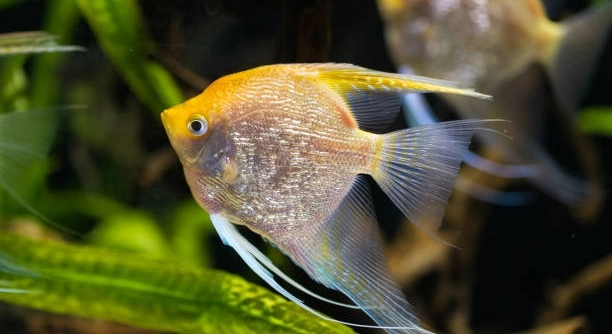
Angelfish are beautiful creatures that can bring joy to any aquarium. However, they can sometimes become overstimulated in their tank, affecting their behavior and well-being. Recognizing the signs early can help you create a more peaceful environment for them.
Overstimulation in angelfish is typically caused by factors such as excessive noise, movement, or inappropriate tank mates. Symptoms of overstimulation may include erratic swimming, hiding, or frequent fin flaring. These signs indicate that your angelfish may be stressed.
Understanding the signs of overstimulation in angelfish can help maintain a healthier, more balanced aquarium. This knowledge will not only benefit your fish’s well-being but also improve the overall atmosphere of your tank.
Tank Size and Space Limitations
Angelfish need enough room to swim around comfortably. If their tank is too small or overcrowded, they can easily become overstimulated. In cramped spaces, they may start swimming frantically, bumping into objects or other fish. This constant movement can be exhausting for them and lead to stress. Over time, this stress can affect their health and overall behavior, making them more susceptible to illness.
Providing your angelfish with a tank that is large enough for them to move freely is crucial for their well-being. A tank that is too small can create an environment where they feel constantly pressured and unsettled.
To keep your angelfish healthy, aim for at least a 30-gallon tank for a pair of angelfish. Larger tanks are ideal as they offer more space to explore and reduce the risk of stress. Additionally, make sure your tank is not overcrowded with too many fish, as this will further limit the space available for your angelfish to swim around.
Tank Decorations and Hiding Spots
A well-decorated tank helps your angelfish feel secure. When there are too many sharp objects or clutter, angelfish can become anxious. This stress could be caused by feeling trapped or unable to find a hiding spot when they need it.
Angelfish prefer having places to retreat when they feel overstimulated. Adding plants, caves, and other soft decorations can give them that sense of security. Without these hiding spots, they may exhibit stressed behaviors like excessive darting or even aggression towards other tank mates.
Keep decorations gentle and avoid sharp edges that could cause injury. Use live plants, driftwood, or soft rocks to create areas where your angelfish can retreat and feel safe. Make sure there are enough spaces for each fish in your tank, especially if you have multiple angelfish. If your tank doesn’t provide them with adequate space to hide, they may feel vulnerable and stressed.
Tank Mates and Compatibility
Angelfish can become overstimulated if they are placed with aggressive or overly active tank mates. Fish that are too territorial or fast-moving can create an environment where angelfish feel constantly threatened. This stress often shows in their erratic behavior, like hiding or excessive swimming.
Choosing peaceful, compatible tank mates is important for keeping your angelfish calm. Fish like tetras, gouramis, or small catfish are often good choices. Avoid mixing angelfish with fin-nippers or overly active fish that might constantly chase them.
To maintain a peaceful environment, ensure your tank mates are gentle and do not compete for the same resources. Aggressive fish can cause your angelfish to feel unsettled, leading to continuous stress. Keeping tank mates that respect each other’s space will help your angelfish thrive and avoid overstimulation.
Water Conditions and Quality
Water quality plays a significant role in how stressed your angelfish feel. Poor water conditions can make them anxious and more prone to overstimulation. High levels of ammonia, nitrites, or low oxygen can cause physical discomfort, which may lead to erratic behaviors.
To maintain optimal water quality, perform regular water changes and check levels of ammonia, nitrites, and nitrates. The water temperature should also be stable, as sudden fluctuations can add to the stress. Clean, well-maintained water gives angelfish a better chance to relax and move comfortably in their tank.
When your angelfish are in clean water with the right pH, temperature, and oxygen levels, they are less likely to become overstimulated. Maintaining proper water parameters ensures they feel secure and healthy, reducing their stress levels. Regularly monitoring your water quality will help prevent overstimulation caused by poor conditions.
Tank Lighting and Brightness
Too much light can overstimulate your angelfish. Bright lighting for long periods of time creates an uncomfortable environment, making your fish more stressed and agitated. Constant exposure to strong light can disrupt their natural behaviors, causing anxiety.
Try to provide a balanced light cycle. Natural daylight and low-intensity tank lighting help simulate their natural environment. Avoid leaving the tank lights on for extended periods, as this can lead to overstimulation.
To ensure your angelfish are comfortable, consider using a timer for the lights. This way, they’ll have a day and night cycle, similar to what they would experience in the wild, which promotes their overall well-being.
Feeding Habits and Overfeeding
Overfeeding can stress angelfish by making the tank messy and affecting water quality. Excess food can lead to poor water conditions, which in turn overstimulate your fish. Feed only what they can eat in a few minutes to avoid waste buildup.
Inconsistent feeding times or offering too much food also causes stress. Stick to a regular feeding schedule and only give small amounts at a time. This will not only help maintain water quality but also prevent overstimulation from an excess of food.
Sound and Vibration in the Environment
Excessive noise and vibrations around the tank can cause anxiety in your angelfish. Loud sounds or heavy vibrations from nearby activity can make them feel unsafe, leading to stress. Keep the tank in a quiet area away from loud noises or sudden movements.
To help your angelfish stay calm, try to minimize disturbances near the tank. Reduce vibrations from objects, like loud speakers, and avoid tapping on the glass. Keeping the environment peaceful ensures your angelfish won’t become overstimulated due to environmental factors.
FAQ
What are the signs that my angelfish is overstimulated?
The most common signs of overstimulation in angelfish include erratic swimming, excessive hiding, and fin flaring. You may notice your angelfish swimming rapidly around the tank, darting from one side to the other without purpose. They might also hide in dark corners of the tank or behind decorations more frequently than usual. If they feel threatened, they may flare their fins or display signs of aggression toward other fish. These behaviors indicate they are stressed and overwhelmed by their environment. Additionally, if your angelfish is not eating regularly or appears lethargic, overstimulation could be the cause.
How can I prevent overstimulation in my angelfish?
To prevent overstimulation, it’s essential to create a calm, stable environment. First, ensure your tank is large enough to provide ample swimming space and avoid overcrowding. Choose compatible tank mates that won’t stress your angelfish by being too aggressive or active. Maintain clean water with regular changes and check water quality parameters, such as temperature, pH, and oxygen levels. Also, avoid bright, constant lighting and sudden loud noises around the tank. Providing hiding spots, such as plants or decorations, will give your angelfish a sense of security and reduce the chances of overstimulation.
Can overstimulation cause long-term harm to my angelfish?
Yes, chronic overstimulation can have long-term effects on your angelfish. Prolonged stress can weaken their immune system, making them more susceptible to diseases and infections. If an angelfish remains in a consistently overstimulated state, it may also experience stunted growth, changes in behavior, or even premature death. It’s crucial to address overstimulation early and make adjustments to their tank environment to ensure they remain healthy and stress-free.
Is it okay to keep multiple angelfish together?
Yes, you can keep multiple angelfish together, but there are important considerations to keep in mind. Angelfish are territorial, especially during breeding. It’s best to keep them in a tank large enough to give each fish their own space. You should also consider the gender ratio; having too many males can lead to aggression. If you keep a pair or a small group, make sure to monitor their behavior closely and provide plenty of hiding spots to avoid conflict. When properly managed, a group of angelfish can coexist peacefully, but you should be prepared to separate them if aggression occurs.
How often should I clean my angelfish tank?
You should clean your angelfish tank regularly to maintain good water quality and avoid overstimulation. Perform partial water changes of about 25-30% every week. This will help reduce the build-up of waste and toxins in the water, keeping your angelfish healthy and less stressed. In addition to water changes, clean the tank decorations and substrate monthly, removing any debris or algae. Always check the water parameters (ammonia, nitrate, nitrite levels, pH, temperature, and oxygen levels) during these cleanings to ensure optimal conditions for your fish.
What should I do if my angelfish is constantly hiding?
If your angelfish is frequently hiding, it could be a sign that it is overstimulated, stressed, or feeling unsafe. First, check the water quality and temperature to ensure they are within the optimal range. Also, evaluate the tank’s lighting. Excessive light or inconsistent light cycles can make your angelfish feel insecure. If the hiding behavior continues, assess your tank mates and decorations. Aggressive fish or sharp decorations might be making your angelfish feel threatened. Adding more hiding spots or creating a less stressful environment can help reduce this behavior.
How can I tell if my angelfish is stressed or sick?
Stressed angelfish often exhibit signs such as erratic swimming, excessive hiding, or aggression. If your angelfish is showing these signs but is still eating and moving normally, it’s likely stressed. However, if they stop eating, become lethargic, or show signs of physical illness (like discoloration, lesions, or clamped fins), it might be sick. Monitoring water quality and ensuring their environment is not overstimulating are essential to differentiate between stress and illness. If the symptoms persist or worsen, consider consulting an aquarium professional or veterinarian for further guidance.
Is it safe to use chemicals to reduce stress in my angelfish?
It’s generally best to avoid using chemicals to reduce stress unless necessary, as they can sometimes have harmful side effects. In most cases, addressing the root cause of overstimulation—such as improving water quality, adjusting lighting, and adding hiding spots—will help resolve stress without the need for chemicals. However, if your angelfish is dealing with specific diseases or conditions that require medication, consult an aquarium expert for recommendations. Always follow product instructions carefully, as the wrong chemical treatments can further harm your fish.
Final Thoughts
Angelfish are delicate creatures that thrive in stable and peaceful environments. Overstimulation can cause them a great deal of stress, leading to abnormal behavior, health issues, and even early death. It’s essential to understand the factors that contribute to overstimulation, such as tank size, water quality, lighting, and tank mates. Creating an environment that allows your angelfish to feel safe and secure will help them live longer and healthier lives. The more you can provide them with the right conditions, the more enjoyable your aquarium experience will be.
A good starting point is to focus on maintaining a proper tank size. Angelfish need enough space to swim freely, and overcrowding can lead to frustration and stress. Make sure that your tank is large enough for your fish to move around comfortably. Adding plants, decorations, and hiding spots can also help them feel secure and reduce anxiety. Keep the tank clean, monitor water quality regularly, and ensure the right lighting. Overhead lights can be too bright, so consider using soft, gentle lighting with a timer to mimic natural day and night cycles.
Lastly, when choosing tank mates for your angelfish, it’s important to select peaceful species that won’t cause unnecessary stress. Avoid pairing angelfish with aggressive or fast-moving fish that could constantly disrupt their environment. Incompatible tank mates can lead to territorial issues and constant tension, further stressing your angelfish. If you notice signs of overstimulation, such as erratic swimming or hiding, make adjustments to the tank setup and consider the water quality, lighting, and other factors. By providing a calm and healthy environment, you’ll help ensure that your angelfish live a long, happy life.

Hello,
If you enjoy the content that we create, please consider saying a "Thank You!" by leaving a tip.
Every little bit helps us continue crafting quality advice that supports the health, happiness, and well-being of pets around the world, for pets of all shapes, sizes, and species.
We really appreciate the kindness and support that you show us!