
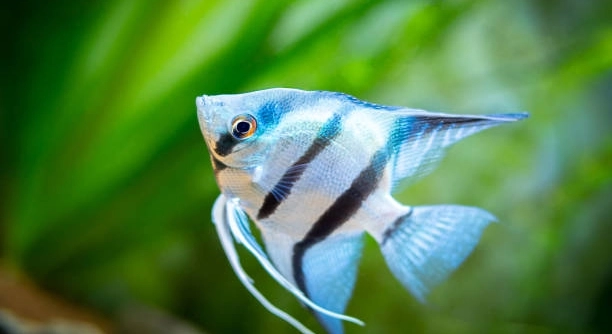
Have you ever noticed your angelfish acting differently, swimming less, or hiding more often than usual in the tank? Changes in behavior might mean something more than just a passing mood in your fish.
Angelfish can show signs of loneliness when kept in isolation or without proper environmental stimulation. These signs often include reduced activity, lack of appetite, and skittish behavior. Social interaction and tank enrichment are essential for their well-being.
Understanding what your angelfish needs emotionally can help you build a better environment and improve their overall health and behavior.
FAQ
How can I tell if my angelfish is lonely?
If your angelfish is swimming less, hiding more, or showing no interest in food, it could be a sign of loneliness. Additionally, a sudden increase in aggressive behavior or a lack of interaction with its surroundings might indicate that your fish is feeling isolated or stressed.
Is it better to keep one or more angelfish in a tank?
Angelfish are social creatures and thrive in pairs or small groups. If you keep only one, it may become lonely, leading to behavioral changes like hiding or not eating. Consider keeping two or more to help maintain their social balance.
What size tank do I need for angelfish?
Angelfish need enough space to swim comfortably. A 20-gallon tank is the minimum for a single angelfish, but larger tanks, such as 30 or 40 gallons, are ideal if you plan to keep multiple fish. This will allow for proper social interaction and space to reduce stress.
Can angelfish live with other species?
Yes, angelfish can live with other peaceful fish, but be cautious with their tankmates. Aggressive species or those that nibble on fins may cause stress. Ideal companions include tetras, corydoras, and other non-aggressive fish that don’t crowd the angelfish’s space.
Do angelfish need constant social interaction?
While angelfish do enjoy socializing, they also need time to themselves. They can tolerate solitude for short periods but should not remain isolated for too long. Their need for social interaction is balanced by their desire for personal space.
What can I do to prevent my angelfish from feeling lonely?
Consider adding another angelfish or another compatible species to the tank. You can also introduce tank decorations, plants, and hiding spots to make the environment more engaging. Proper tank maintenance, such as clean water and proper temperature, also helps reduce stress.
How often should I feed my angelfish to keep them healthy?
Feed your angelfish once or twice a day, offering small portions that they can eat in a few minutes. Overfeeding can lead to water quality problems, while underfeeding can cause stress and health issues. A varied diet helps maintain their energy levels and overall health.
Are angelfish territorial?
Yes, angelfish can be territorial, especially during breeding. They may claim certain areas of the tank as their own, especially if they are in a pair. Ensure enough space in the tank to minimize aggression, especially if you have multiple angelfish.
What water conditions are best for angelfish?
Angelfish prefer slightly acidic to neutral water, with a pH between 6.8 and 7.8. Keep the water temperature between 76°F and 84°F for optimal health. Regular water changes are crucial for maintaining these conditions and preventing stress-related illnesses.
Can angelfish get stressed?
Yes, angelfish can become stressed due to overcrowding, poor water quality, incompatible tankmates, or changes in their environment. Signs of stress include lethargy, loss of appetite, or erratic swimming. Proper tank care and providing a stable environment are essential for reducing stress.
What should I do if my angelfish shows signs of illness?
If your angelfish seems sick, such as showing symptoms like cloudy eyes, faded colors, or abnormal swimming behavior, isolate it in a separate quarantine tank. Consult a vet or aquarium expert for diagnosis and treatment. Early intervention is key to preventing illness from spreading.
How long do angelfish live?
Angelfish typically live for 10 to 15 years in a well-maintained aquarium. Proper care, including clean water, appropriate tank mates, and a balanced diet, can help your angelfish live a long and healthy life.
Can angelfish breed in a community tank?
Yes, angelfish can breed in a community tank, but it’s important to provide a suitable environment for them to do so. If you have other fish, make sure the tank has enough space and hiding spots to prevent aggression and ensure the angelfish feel secure.
How do I know if my angelfish is male or female?
It can be difficult to distinguish between male and female angelfish unless they are breeding. Females tend to have rounder, fuller bodies, while males are usually slimmer and have slightly longer fins. Males may also display more territorial behavior during breeding.
What other fish can live with angelfish?
Good tankmates for angelfish include peaceful species like tetras, gouramis, and corydoras. Avoid aggressive fish or those that are known to nip fins, as this can stress out your angelfish. Always research compatibility before introducing new species to the tank.
Should I get a second angelfish if my first one is alone?
Yes, if your angelfish is lonely, adding another one is a good idea. Angelfish are social creatures and benefit from having a companion. However, ensure you have a large enough tank to accommodate both fish comfortably and avoid overcrowding.
When keeping angelfish, it’s essential to consider their social nature and need for stimulation. Loneliness can significantly affect their behavior and health, leading to stress or aggression. By paying attention to changes in your fish’s behavior, you can better understand its emotional needs. A lonely angelfish may show signs such as hiding more frequently, swimming less, or becoming less active overall. If your angelfish is kept alone for long periods, adding a companion or enriching its environment may improve its well-being.
Creating the right environment for your angelfish goes beyond just providing a tank with the correct water conditions. While water quality, temperature, and food are vital, the social and physical environment is just as important. Ensure that your angelfish has enough space, hiding spots, and compatible tank mates to keep it engaged. The addition of plants or decorations can also help create a more natural and enriching habitat. This attention to detail can help reduce stress and encourage natural behaviors in your fish, ultimately leading to a healthier and happier angelfish.
Finally, regular monitoring of your angelfish’s behavior and tank conditions will help you detect any issues early. Keeping a close eye on their interactions with other fish and observing changes in their behavior can prevent problems from escalating. If loneliness or stress becomes a concern, don’t hesitate to make adjustments to the tank setup or add another fish. By providing the right care, you ensure that your angelfish can thrive and live a long, fulfilling life in your aquarium.

Hello,
If you enjoy the content that we create, please consider saying a "Thank You!" by leaving a tip.
Every little bit helps us continue crafting quality advice that supports the health, happiness, and well-being of pets around the world, for pets of all shapes, sizes, and species.
We really appreciate the kindness and support that you show us!