
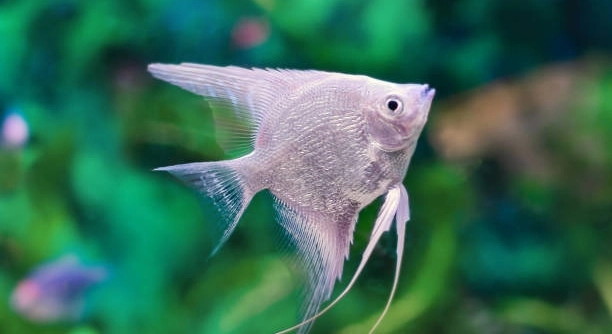
Angelfish are popular and peaceful aquarium companions, but sometimes they might become the target of other fish. It’s important to recognize signs that your angelfish could be experiencing stress or bullying from its tankmates.
Common signs of angelfish bullying include hiding more frequently, physical damage to fins or scales, and changes in eating behavior. Aggressive tankmates may chase, nip, or outcompete your angelfish for food, leading to stress and health issues.
Understanding these signs will help you provide the best care for your angelfish and maintain a harmonious aquarium environment.
Signs Your Angelfish Is Hiding More Often
Angelfish are typically active and social, but if you notice your angelfish hiding more often, it could be a sign of stress. When bullied by other fish, they might retreat to corners, behind decorations, or plants. This behavior usually indicates that the angelfish feels threatened or overwhelmed by its tankmates. Hiding more frequently is a common response to avoid aggressive interactions.
Fish are not always able to escape their aggressors in a confined space like an aquarium. So, if your angelfish spends most of its time hiding, it’s a good idea to check the tank’s dynamics. The more stress your angelfish experiences, the more it may withdraw. This can lead to a decline in health if not addressed.
To reduce hiding, consider rearranging the tank or adding more hiding spots to give your angelfish a safe place. In some cases, removing the aggressor fish or placing them in a separate tank may be necessary to restore peace.
Physical Damage to the Angelfish
Physical damage like torn fins or scratches is another sign that your angelfish may be facing aggression. Bullied fish often show visible signs of injury, which can lead to infections if not treated. This physical harm is a clear indication that your angelfish is under stress.
Aggressive fish can cause damage to the delicate fins of angelfish through chasing or nipping. It’s essential to monitor your fish closely to prevent further harm. If you notice any injuries, promptly treat the wounds and consider isolating the aggressor.
Changes in Eating Habits
If your angelfish stops eating as much or refuses food altogether, it could be a sign of bullying. When stressed by aggressive tankmates, angelfish may lose interest in eating or struggle to compete for food. This can lead to weakened health and a drop in energy.
Aggressive fish often chase others away from the feeding area, leaving the angelfish without access to food. If your angelfish seems uninterested in its meals or becomes visibly stressed during feeding times, it’s crucial to evaluate the tank dynamics. Providing enough food for all fish and creating separate feeding zones may help ease this tension.
Angelfish, being peaceful by nature, may not always assert themselves when competing for food. As a result, bullying tankmates might take advantage of this and prevent your angelfish from eating. Addressing this issue will improve your angelfish’s overall well-being and encourage healthy eating habits again.
Unusual Swimming Behavior
Angelfish may exhibit unusual swimming patterns when they’re being bullied, like erratic movements or staying close to the surface. They may also swim in circles or near the tank’s corners, trying to escape other fish. These behaviors suggest that your angelfish feels trapped or threatened.
Stress from bullying can cause your angelfish to behave differently than usual. Constant chasing or harassment from other fish can force the angelfish into defensive movements. This is not only uncomfortable but can lead to physical exhaustion if it continues over time.
In some cases, the bullied angelfish may become more reclusive, avoiding open spaces within the tank. By carefully observing these behavior changes, you can identify the root cause and take action to minimize the bullying, helping restore your angelfish’s normal behavior.
Loss of Color or Faded Appearance
A sudden loss of color or faded appearance in your angelfish could indicate stress from bullying. Bullied fish often lose their vibrant colors as a response to anxiety and discomfort. This is a noticeable change, and it can worsen over time if the bullying continues.
Color fading happens when an angelfish is constantly stressed or fearful. When they’re targeted by aggressive tankmates, their natural coloration may diminish. This change is a sign of distress and can be an early indicator that the fish is not thriving. Once the bullying stops, the color should return over time.
Taking steps to reduce aggression in the tank and providing a safe space for your angelfish can help it regain its natural color. Ensuring peaceful tank dynamics is crucial for maintaining the health and well-being of all fish.
Aggressive Tankmates
Aggressive fish are often the source of bullying in an aquarium. These fish can chase, nip, or harass your angelfish, causing stress and fear. It’s important to know which species in your tank may be more prone to aggression.
Fish such as cichlids or certain barbs may target angelfish because of their calm nature. Keeping more peaceful fish with your angelfish can reduce these issues. If your angelfish is being bullied, consider moving the aggressive fish to another tank or adding more hiding spots.
Decreased Activity
If your angelfish starts to become less active, it’s another sign that it may be a target of bullying. A stressed angelfish might swim less, staying in one spot or avoiding other fish altogether. This can lead to lethargy and health issues.
A drop in activity is a clear indication that something is off. Angelfish are generally active and social, so a sudden change in behavior could signal bullying. Make sure to observe your fish for any signs of injury or stress, and act accordingly to restore peace in the tank.
FAQ
How can I tell if my angelfish is being bullied?
The signs of bullying in angelfish are often subtle but noticeable. Look out for frequent hiding, physical injuries like torn fins, and unusual swimming behavior. Changes in eating habits, such as refusal to eat or a lack of interest in food, are also common signs. If your angelfish is losing color or becoming more lethargic, these could all point to bullying. Aggressive tankmates may chase or nip at the angelfish, preventing it from feeling safe.
What should I do if my angelfish is being bullied?
If you suspect that your angelfish is being bullied, the first step is to separate the aggressive fish from the tank. You can move the bully to another aquarium or place the bullied angelfish in a separate tank temporarily to give it time to recover. Rearranging the tank layout to create more hiding spots for the angelfish can also help reduce stress. Ensure that all fish have enough space and food to minimize competition, which could be contributing to the aggression.
Can bullying affect my angelfish’s health?
Yes, bullying can lead to both physical and psychological health issues in angelfish. Stress from bullying can weaken the immune system, making the fish more susceptible to disease. The physical injuries caused by aggressive tankmates can also lead to infections if left untreated. Over time, constant stress may result in weight loss, reduced activity, and even death if not addressed. It’s important to act quickly to resolve bullying situations in the tank to protect the overall well-being of your angelfish.
How can I prevent bullying in my aquarium?
Preventing bullying starts with choosing compatible tankmates for your angelfish. Avoid aggressive fish species that may target your angelfish due to their calm demeanor. Providing plenty of space in the aquarium can help reduce territorial disputes. Adding plants, rocks, and decorations also creates hiding places, which can give the angelfish a safe spot to retreat when it feels threatened. Monitoring the interactions in the tank regularly will help you catch signs of bullying early before it becomes a bigger issue.
Is it possible for angelfish to live with aggressive fish?
Angelfish are generally peaceful but can coexist with some aggressive species if the tank is large enough and each fish has enough space. However, caution should be exercised when choosing tankmates. It’s best to avoid pairing angelfish with overly territorial or aggressive species, like certain cichlids or large barbs. A well-planned tank layout with plenty of hiding spots can sometimes mitigate aggression, but it’s important to be vigilant and act quickly if bullying occurs.
Can angelfish be aggressive themselves?
While angelfish are typically peaceful, they can display aggression, especially during breeding or when they feel their territory is threatened. In the wild, they may be more territorial, but in the aquarium, aggression is often triggered by factors like overcrowding, lack of space, or competition for food. It’s crucial to monitor your tank for signs of aggression, both from your angelfish and other species, to maintain a peaceful environment.
How do I know if my angelfish is stressed from bullying?
Stress in angelfish from bullying can manifest in several ways. Common signs include changes in behavior, like hiding or staying near the surface, loss of appetite, and faded or dull coloration. The angelfish may also swim erratically or avoid areas of the tank where bullying occurs. If you notice these changes, it’s important to take action quickly to reduce stress and prevent further harm to your angelfish. Constant stress can weaken the fish’s immune system, making it more prone to illness.
Can bullying affect my angelfish’s long-term behavior?
Yes, bullying can have long-term effects on your angelfish’s behavior. A fish that has been bullied may become more fearful, hiding more often, or displaying reluctance to swim freely. Over time, the angelfish may become more reclusive, making it difficult for it to thrive in the tank. If bullying is ongoing, it could lead to permanent behavioral changes, affecting the angelfish’s social interactions and overall health. Early intervention is key to preventing these long-term impacts.
Should I separate bullied angelfish from the tank completely?
If bullying is severe and the angelfish is showing signs of stress or injury, it may be best to remove it from the tank temporarily. This allows the fish to recover and reduce stress. However, it’s important to reintroduce the angelfish after it has had time to heal, ensuring that the tank dynamics have changed to prevent further bullying. In cases of ongoing aggression, you may need to find a permanent solution, like rehoming the aggressive fish or adding more hiding spots to reduce conflict.
What are some peaceful tankmate options for angelfish?
Some peaceful tankmates that generally coexist well with angelfish include other peaceful species like tetras, rasboras, and certain species of catfish. Avoid tankmates that are territorial, such as large cichlids or fish that compete for the same food. It’s essential to choose species that will not stress your angelfish, allowing all the fish to thrive together. Always consider the size of the tank, as overcrowding can lead to stress and increased aggression.
How do I manage aggression in a community tank?
Managing aggression in a community tank requires careful planning. Provide enough space for each fish to establish its own territory. Arrange the tank with plenty of hiding spots, plants, and decorations to give each fish a safe area. Avoid keeping fish that are known to be aggressive towards others, and observe the tank closely to catch any signs of bullying early. If necessary, separate aggressive fish or introduce more peaceful tankmates to restore harmony. Regularly check for any signs of stress or injury in all the fish to ensure they’re healthy.
Final Thoughts
Dealing with bullying in an aquarium can be challenging, but it’s important to address the issue as soon as possible. Angelfish are peaceful creatures, and when they are bullied by other fish, it can affect their health, behavior, and overall well-being. Monitoring your tank closely for signs of aggression is the first step in preventing bullying from becoming a bigger problem. Observing how your fish interact with one another helps you identify any potential issues before they escalate.
It’s also essential to create an environment where all your fish feel safe and comfortable. Providing enough space, hiding spots, and proper tank conditions can significantly reduce stress and aggression. Make sure that your fish are compatible with one another, as some species are naturally more aggressive than others. If you notice bullying, separating the aggressor or rearranging the tank layout can give the bullied fish some relief. These simple steps can help restore balance and improve the overall harmony in your tank.
Ultimately, the key to preventing bullying is to remain proactive. Regularly check the behavior of all your fish and ensure that they’re healthy and thriving. Address any signs of bullying quickly to prevent long-term stress and damage to your angelfish. With the right care and attention, you can maintain a peaceful aquarium where all your fish coexist happily.

Hello,
If you enjoy the content that we create, please consider saying a "Thank You!" by leaving a tip.
Every little bit helps us continue crafting quality advice that supports the health, happiness, and well-being of pets around the world, for pets of all shapes, sizes, and species.
We really appreciate the kindness and support that you show us!